The Cosmic Freezer: How NASA's GeneLab Is Decoding Space Secrets in Rodent Tissues
Uncovering the molecular effects of spaceflight through multi-omics analysis of biobanked samples
Article Navigation
Introduction: The Biological Challenge of Space
Space exploration pushes human physiology to its limits. Astronauts face muscle wasting, bone density loss, and immune disruptions—changes rooted in molecular processes we barely understand. Enter NASA's GeneLab and its Rodent Research-1 (RR-1) mission, which transformed frozen mouse tissues into a revolutionary multi-omics treasure trove. By applying genomic, proteomic, and metabolomic analyses to biobanked samples, scientists are uncovering how spaceflight rewires living systems at the molecular level. This work isn't just about surviving space; it reveals how life itself adapts to extreme environments 9 .
Key Insight
The RR-1 mission created NASA's first comprehensive space biobank, enabling researchers to study molecular changes across multiple biological layers simultaneously.
Multi-Omics: The Ultimate Biological Decoder
Multi-omics integration combines data from genes (genomics), RNA (transcriptomics), proteins (proteomics), and metabolites (metabolomics) to map biological networks. Unlike single-method studies, it captures how space stressors—like radiation or microgravity—cascade through an organism:
Mitochondrial Dysfunction
Space radiation alters energy production pathways, detected via proteomics 3 .
Immune Redistribution
Spatial omics shows immune cells migrating from spleen to bone marrow in microgravity 4 .
Metabolic Shifts
Liver tissues reveal disrupted lipid metabolism, linking radiation to insulin resistance .
GeneLab's platform standardizes these data, enabling cross-species comparisons (e.g., mouse-to-human) and hypothesis generation—like linking oxidative stress in plants to immune changes in mammals 1 9 .

Multi-omics integration provides a comprehensive view of biological systems affected by spaceflight (Conceptual image)
RR-1: A Deep Dive into the Pivotal Experiment
Mission Design and Sample Collection
The RR-1 mission (2014) flew mice to the ISS, exposing them to 30 days of microgravity and cosmic radiation. Post-flight, tissues—including tibialis anterior muscle, adrenal glands, and eyes—were snap-frozen or preserved in RNAlater. This created NASA's first space biobank, with samples stored at −80°C for future multi-omics studies 5 .
Methodology: From Tissues to Big Data
Tissue Processing
- Snap-frozen samples preserved proteins/metabolites for mass spectrometry.
- RNAlater-stabilized tissues enabled RNA sequencing without degradation.
Data Integration
GeneLab's pipelines aligned omics layers using consensus bioinformatics tools (e.g., MaxFuse for spatial-single-cell data fusion) 4 9 .
Key Results and Analysis
- Muscle Atrophy Signature: 127 genes were downregulated in muscle tissue (e.g., Myog), alongside mitochondrial proteins like COX4I1. This confirmed disrupted energy metabolism as a driver of wasting 5 .
- Radiation Biomarkers: Liver tissues showed elevated reactive oxygen species (ROS) and DNA repair proteins (e.g., PARP1), indicating cumulative DNA damage at doses as low as 1.0 mGy 3 .
- Adrenal Stress Response: Cortisol synthesis enzymes (CYP11B1) surged, linking microgravity to endocrine dysregulation 5 .
| Tissue | Preservation Method | Key Omics Finding | Biological Implication |
|---|---|---|---|
| Tibialis anterior | Snap-frozen | ↓ Mitochondrial proteins (COX4I1, ATP5A) | Impaired muscle energy production |
| Liver | RNAlater | ↑ ROS-scavenging genes (Sod2, Cat) | Radiation-induced oxidative stress |
| Adrenal gland | Snap-frozen | ↑ Cortisol synthesis enzymes (CYP11B1) | Chronic stress response |

Sample processing in the lab for multi-omics analysis

Bioinformatics analysis of multi-omics data
The Scientist's Toolkit: Reagents and Tech Behind the Breakthroughs
| Reagent/Tool | Function | Example in RR-1 |
|---|---|---|
| RNAlater® | Stabilizes RNA for transcriptomics | Preserved spleen/eye tissues for RNA-seq |
| TRIzol® | Extracts RNA/DNA/proteins from single samples | Isolated muscle RNA for microarray analysis |
| Phospho-antibody kits | Detects phosphorylation (cell signaling) | Mapped stress pathways in adrenal glands |
| MaxFuse algorithm | Integrates spatial/single-cell omics data | Aligned CODEX and scRNA-seq for liver zones |
| GeneLab API | Visualizes processed omics data | Mapped radiation responses across species |
Why RR-1's Biobank Changes Everything
Reusability
Samples analyzed in 2024—a decade post-mission—uncovered autophagy proteins (e.g., LC3B) in muscle, missed in initial studies 6 .
Cross-Study Validation
RR-1 liver data matched benzene-exposed mice on Earth, confirming mitochondria as universal stress sensors .
Therapeutic Targets
Pathways like TCA cycle disruption in muscles inspired drugs tested on RR-9 missions 8 .
| Pathway | Tissue Affected | Potential Countermeasure |
|---|---|---|
| Mitochondrial dysfunction | Skeletal muscle | NAD+ boosters (e.g., NR supplements) |
| Oxidative stress | Liver | SOD mimetics (e.g., GC4419) |
| Glucocorticoid overdrive | Adrenal gland | CRF1 receptor antagonists |
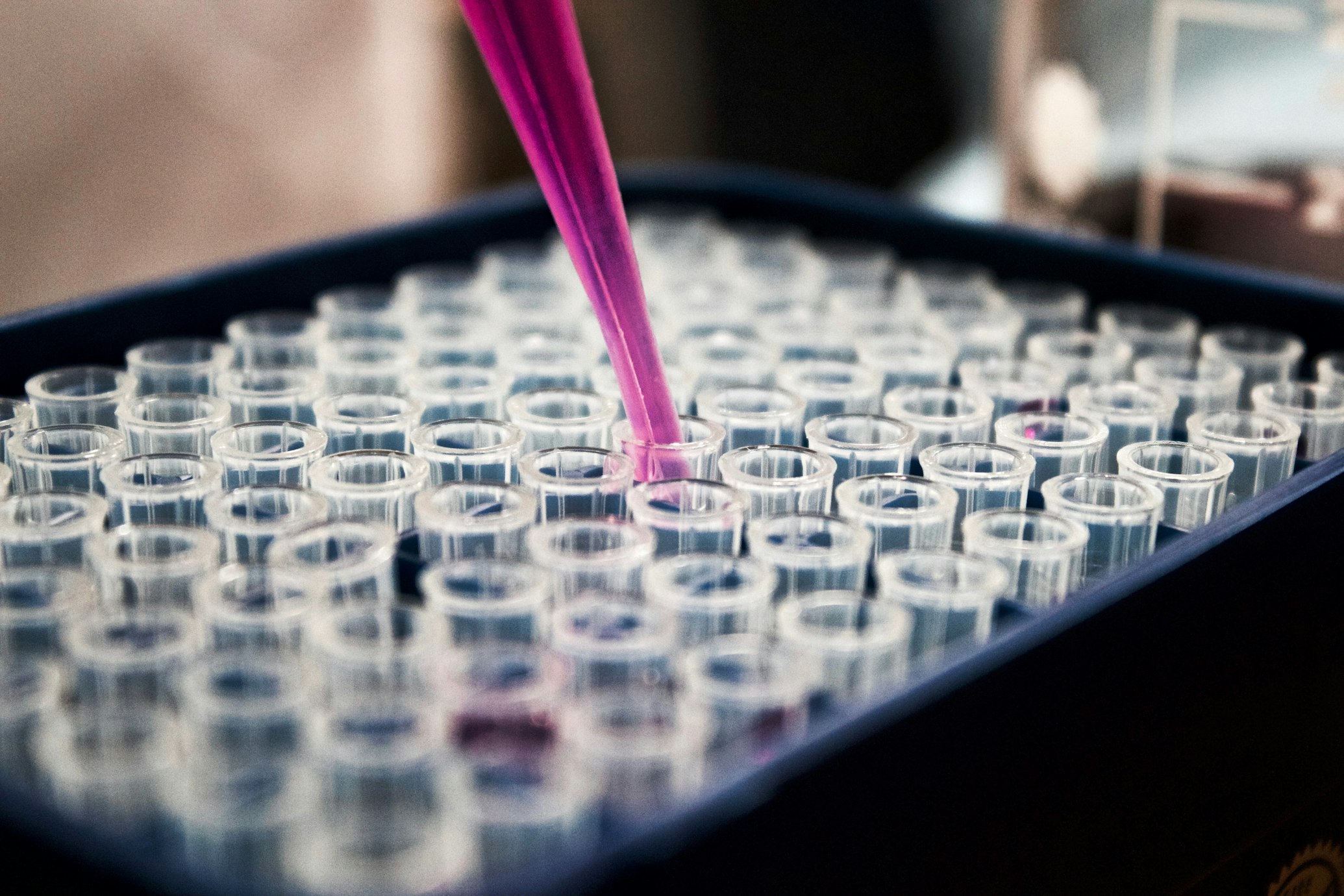
Biobank Legacy
The RR-1 biobank continues to yield discoveries years after the original mission, demonstrating the value of preserving spaceflight samples for future analysis.
Beyond RR-1: The Future of Space Omics
GeneLab now hosts 271+ studies, from astronaut blood to ISS microbes. New tools like MESA (ecological spatial analysis) map cellular "neighborhoods" in tissues, showing how immune cells cluster in microgravity 4 . Meanwhile, RR-1's biobank model underpins projects like JAXA's MHU-2, probing gut-immune links via fructo-oligosaccharides 8 .
The Next Frontier
Single-cell and spatial omics will target astronaut biopsies, aiming for personalized space medicine. As GeneLab's curator Afshin Beheshti notes: "These samples are time capsules. Each reanalysis rewrites our playbook for human spaceflight." 3 9 .
GeneLab's Growing Repository
Expansion of multi-omics studies in GeneLab's database over time
Omics Data Distribution
Breakdown of different omics types in current space biology research
Conclusion: From Mice to Mars
The RR-1 biobank exemplifies how deep-freezing biology accelerates discovery. By merging NASA's archival rigor with cutting-edge omics, scientists turned 20 mouse tissues into a blueprint for human resilience. As Artemis targets lunar bases, GeneLab's approach—multi-omic, open-access, and collaborative—will be vital. After all, the solutions to surviving Mars may lie in a freezer on Earth.
Explore RR-1 Data
Full datasets at GeneLab Repository (GLDS-37, GLDS-69)