The smell of fresh paint. A new plastic container. The "clean" scent of household disinfectants. These everyday chemical encounters seem harmless—but deep within your cells, a silent battle unfolds. For decades, toxicologists could only observe the aftermath: damaged organs, cancer, or birth defects. They knew toxins harmed us, but how remained a black box. Enter the National Center for Toxicogenomics (NCT), where scientists deploy cutting-edge technologies to intercept the body's molecular distress signals and crack the code of toxicity 1 3 .
Toxicogenomics—a fusion of toxicology, genomics, and bioinformatics—revolutionizes how we understand chemical threats. By analyzing how toxins alter genes, proteins, and metabolic pathways, researchers predict harm faster, uncover hidden risks, and pave the way for safer chemicals.
Decoding the Body's War Logs: Core Concepts
The Omics Trilogy
The Dose-Time Dilemma
Unlike traditional toxicology (focused on high-dose, short-term effects), toxicogenomics tracks changes across doses and time. Low-level chemical exposure might subtly alter lipid metabolism genes for years before triggering fatty liver disease—a pattern detectable only via longitudinal omics profiling 8 .
Adverse Outcome Pathways
Tools like Nextcast integrate gene expression, protein interactions, and metabolic shifts to map chains of events linking molecular triggers to organ failure 8 .
Inside the Breakthrough: The Acetaminophen Experiment
Acetaminophen (paracetamol) overdose is a leading cause of acute liver failure. NCT researchers used toxicogenomics to unravel its mechanism and identify lifesaving biomarkers 3 .
- Model Systems: Treated primary human liver cells and rats with acetaminophen (low/high doses).
- Omics Capture:
- Transcriptomics: Microarrays measured 20,000+ gene expressions at 6, 24, and 48 hours.
- Proteomics/Metabolomics: Mass spectrometry tracked protein changes and metabolic byproducts (e.g., glutathione depletion).
- Bioinformatics: Machine learning (SVM classifiers) pinpointed genes consistently altered in both human and rat cells 3 7 .
Results & Analysis: The Smoking Guns
- Key Biomarkers: Genes like CYP1A1 (toxin metabolism), PLIN2 (lipid droplet formation), and GCK (glucose regulation) surged 12x in overdose groups.
- Pathway Activation: Glutathione depletion triggered oxidative stress, followed by lipid metabolism dysregulation—revealing a clear AOP for liver damage.
- Cross-Species Validation: 92% accuracy in predicting human hepatotoxicity from rat data, slashing reliance on animal testing 3 7 .
| Gene Symbol | Function | Fold Change (Overdose vs. Control) |
|---|---|---|
| CYP1A1 | Toxin metabolism | 12.5x ↑ |
| PLIN2 | Lipid storage | 8.7x ↑ |
| GCK | Glucose regulation | 5.2x ↑ |
| GSTA2 | Antioxidant defense | 0.3x ↓ |
The Scientist's Toolkit: Essential Reagents & Technologies
| Tool | Role | Example/Application |
|---|---|---|
| DNA Microarrays | Measures expression of thousands of genes simultaneously | Initial screening of toxin-responsive genes |
| Next-Gen Sequencing (NGS) | High-resolution RNA sequencing for novel transcript discovery | Detecting rare mRNA variants in chemical exposure |
| Mass Spectrometry | Identifies proteins/metabolites; quantifies changes post-exposure | Tracking glutathione depletion in liver toxicity |
| Bioinformatic Pipelines | Integrates multi-omics data into networks and pathways | Nextcast suite for AOP mapping |
| Machine Learning Models | Predicts toxicity from gene patterns | SVM classifiers for steatosis risk 7 |
Laboratory Workflow

Modern toxicogenomics labs combine high-throughput sequencing with advanced computational analysis to decode chemical effects at molecular level.
Data Analysis
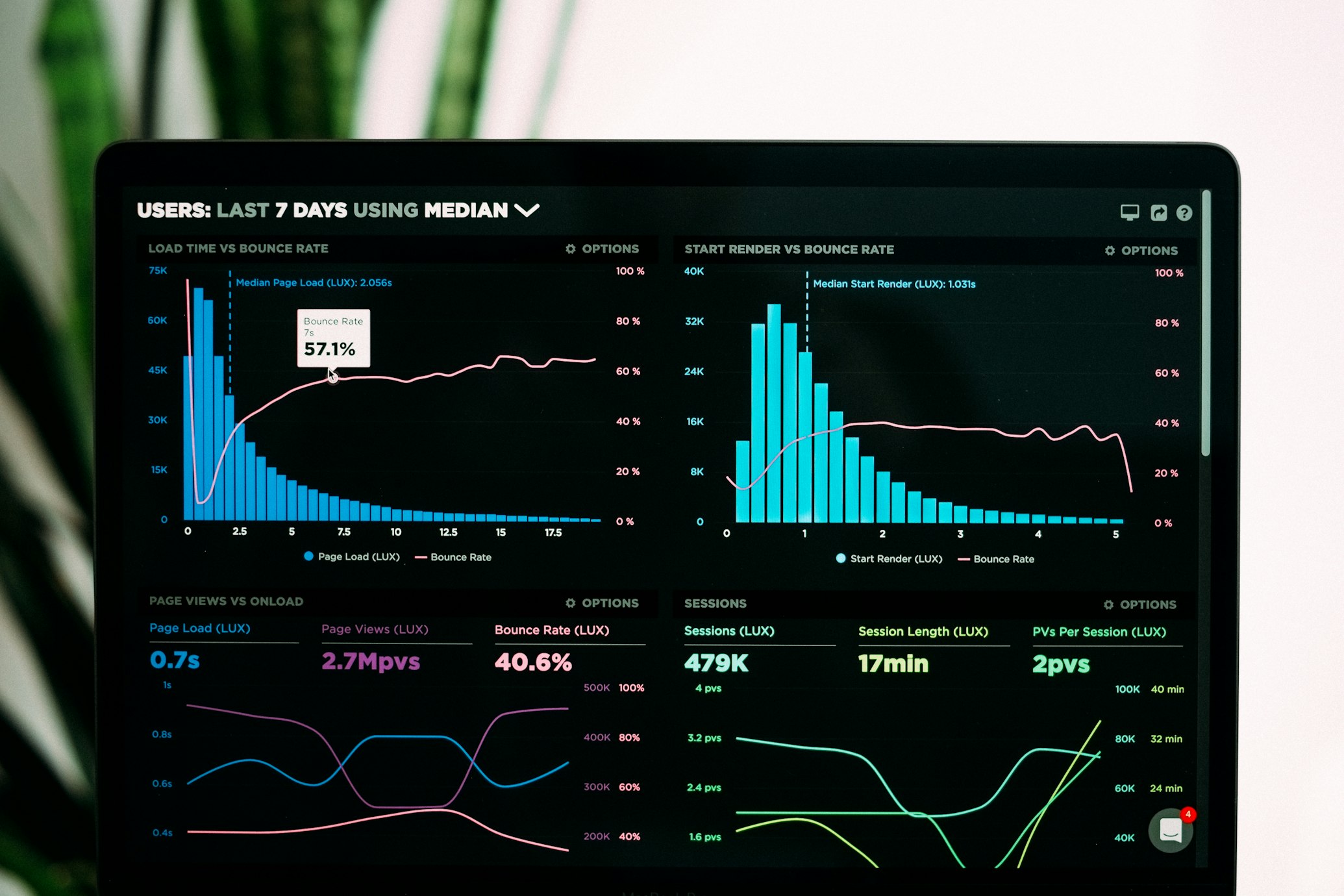
Bioinformaticians use specialized pipelines to process omics data and extract meaningful biological insights from complex datasets.
From Lab to Regulation: Real-World Impact
Safer Chemical Design
Predictive models flag steatogenic (fatty liver-inducing) compounds early. For example, machine learning classifiers using CYP1A1 and PLIN2 achieve 97.5% accuracy in rat liver models—accelerating drug safety screening 7 .
Regulatory Shifts
The EPA and FDA now accept toxicogenomics data for risk assessment. Initiatives like TG-GATEs provide public omics datasets, replacing 30% of animal tests in pilot programs 4 .
| Aspect | Traditional Approach | Toxicogenomics Approach |
|---|---|---|
| Time | 2–5 years per chemical assessment | Months via automated screening |
| Animal Use | High (rodents, primates) | Reduced by 40–60% in vitro models 4 |
| Mechanistic Insight | Limited (organ-level endpoints) | Molecular pathways mapped |
| Human Relevance | Low (species differences) | High (human cell models + AI cross-species extrapolation) |
The Future: Toxicity Forecasts on a Chip?
The NCT's vision extends to "virtual liver" chips—microfluidic devices lined with human cells that simulate organ responses. Combined with AI like Nextcast's TinderMIX (which identifies molecular points of departure for safe dosing), this could one day generate real-time toxicity forecasts for any chemical .
Challenges remain: standardizing data across labs, ethical AI use, and expanding multi-omics to chronic low-dose exposures. Yet, with every gene expression map and decoded adverse pathway, we move closer to a world where toxins are identified before harm occurs—transforming chemical risk from reactive guesswork into predictive science.
AI in Toxicogenomics
Machine learning models are increasingly used to predict toxicity patterns from omics data, reducing reliance on animal testing and accelerating safety assessments.