CLIP-Seq: The Ultimate Guide to Mapping RNA-Protein Interactions for Drug Discovery
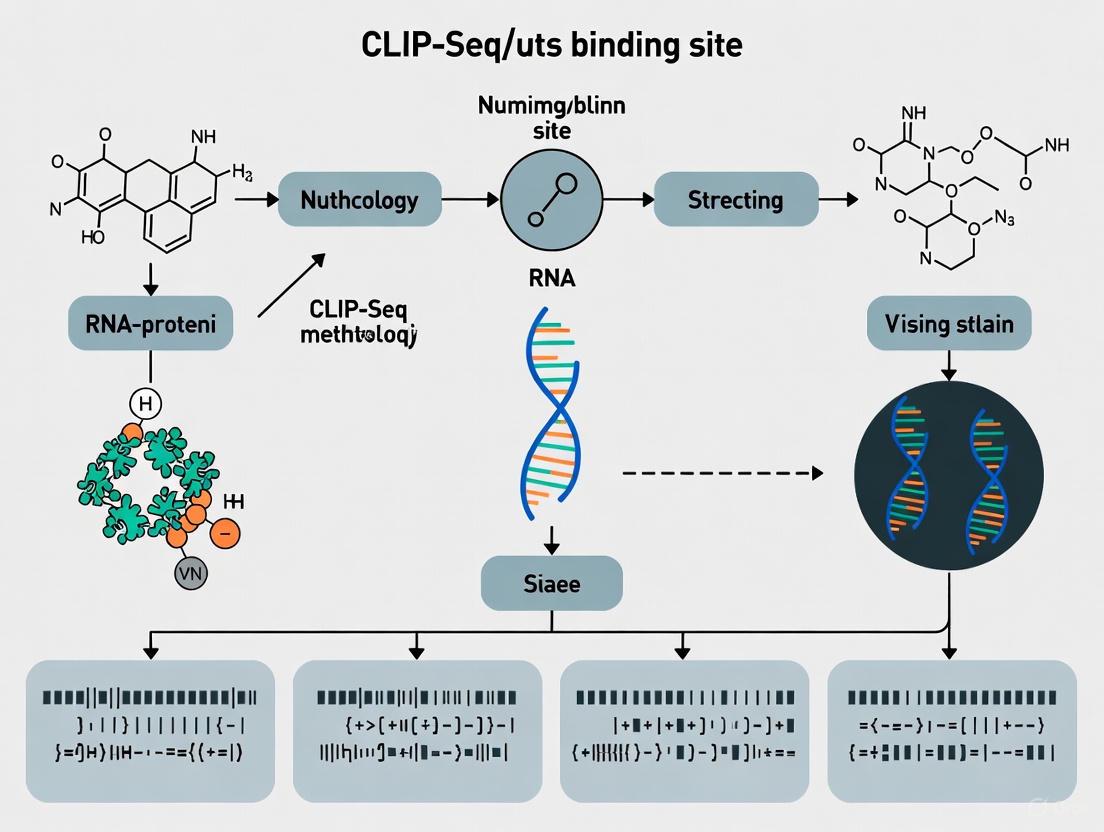
This comprehensive guide explores Cross-Linking and Immunoprecipitation sequencing (CLIP-Seq), a transformative method for transcriptome-wide mapping of RNA-protein interactions.
CLIP-Seq: The Ultimate Guide to Mapping RNA-Protein Interactions for Drug Discovery
Abstract
This comprehensive guide explores Cross-Linking and Immunoprecipitation sequencing (CLIP-Seq), a transformative method for transcriptome-wide mapping of RNA-protein interactions. Tailored for researchers, scientists, and drug development professionals, the article details the foundational principles of how CLIP-Seq captures in vivo RNA-binding events through UV crosslinking. It provides a thorough comparison of major methodological variants—HITS-CLIP, PAR-CLIP, iCLIP, and eCLIP—and their applications in studying splicing regulation, miRNA targeting, and RNA modifications. The content further addresses critical troubleshooting considerations for experimental design and computational analysis, including peak calling and normalization strategies. Finally, it covers advanced validation approaches and comparative computational tools for identifying differential binding sites, positioning CLIP-Seq as an indispensable technology for understanding post-transcriptional regulation and identifying novel therapeutic targets.
Unlocking the Epitranscriptome: Core Principles of CLIP-Seq Technology
The epitranscriptome, comprising all the chemical modifications within a cell's RNA, is a rapid-growing field of study, with RNA modifications playing versatile roles in a wide array of cellular processes [1] [2]. Cross-linking and immunoprecipitation followed by high-throughput sequencing (CLIP-Seq) has emerged as an essential tool for studying this dynamic landscape. This method provides a snapshot of the molecular events occurring within the cell by detecting the sites on endogenous RNAs bound by RNA-binding proteins (RBPs) or RNA-modifying enzymes [1] [2]. These proteins include "writer" enzymes that install modifications, "eraser" enzymes that remove them, and "reader" proteins that recognize modifications and execute downstream biological effects [2]. By precisely mapping these interactions, CLIP-Seq enables researchers to decipher the functional roles of the epitranscriptome in development, cellular homeostasis, and disease [3].
Key Principles and Methodological Evolution of CLIP-Seq
The core principle of CLIP-Seq is the use of ultraviolet (UV) light to create covalent bonds between RNAs and proteins that are in direct contact within the cell. This cross-linking "freezes" the in vivo RNA-protein interactions, allowing for their subsequent purification and identification under stringent conditions [4]. Following cell lysis, the target RBP and its bound RNA fragments are isolated via immunoprecipitation. The RNA fragments are then extracted, converted into a sequencing library, and analyzed to reveal transcriptome-wide binding sites [4].
The CLIP technique, first introduced in 2003, has undergone significant upgrades to enhance its resolution and efficiency [3] [5]. Key developments are summarized in the table below.
Table 1: Evolution of CLIP-Seq Methodologies
| Method | Year Introduced | Key Feature | Primary Advantage |
|---|---|---|---|
| HITS-CLIP | 2008 [3] | Standard UV crosslinking at 254 nm. | First genome-wide application of CLIP. |
| PAR-CLIP | 2010 [4] [3] | Incorporation of photoactivatable ribonucleoside analogs (e.g., 4-thiouridine). | Higher crosslinking efficiency; induces specific T→C mutations in sequenced reads to mark sites. |
| iCLIP | 2010 [3] [5] | cDNA circularization to capture truncated reverse transcripts. | Achieves single-nucleotide resolution; identifies binding sites where reverse transcription is blocked. |
| eCLIP | 2015 [5] | Streamlined, efficient library construction with sample barcoding. | Enables high-throughput studies; reduces PCR amplification artifacts. |
| m6A-CLIP/miCLIP | ~2015 [6] | UV crosslinking of RNA to modification-specific antibodies (e.g., anti-m6A). | Maps specific RNA modifications, like m6A, at single-nucleotide resolution. |
The following diagram illustrates the general workflow common to most CLIP-seq variants:
Diagram: General CLIP-Seq Experimental Workflow. The process begins with stabilizing in vivo interactions via UV crosslinking, followed by purification of RNA-protein complexes and high-throughput sequencing to identify binding sites.
Detailed Experimental Protocol for CLIP-Seq
This protocol is designed for performing CLIP-seq on a stable cell line expressing an epitope-tagged protein of interest, ensuring the study of biologically relevant interactions at near-endogenous levels [4] [2].
The Scientist's Toolkit: Essential Reagents and Equipment
Table 2: Key Research Reagent Solutions for CLIP-Seq
| Item | Function/Description | Example/Component |
|---|---|---|
| UV Crosslinker | Introduces covalent bonds between RNA and closely bound proteins. | Stratagene Stratalinker 2400 [2] |
| Lysis Buffer | Lyses cells while preserving RNA-protein complexes. | 1x PBS, 0.1% SDS, 1% Nonidet P-40, 0.5% Sodium Deoxycholate, Protease Inhibitor Cocktail [2] |
| Immunoprecipitation Beads | Captures the target RNA-protein complex via an antibody. | Anti-FLAG M2 magnetic beads [7] [2] |
| RNase | Trims unprotected RNA, leaving only protein-protected fragments. | RNase T1 [7] |
| Proteinase K | Digests proteins to release crosslinked RNA fragments for sequencing. | Proteinase K buffer [2] |
| Library Prep Kit | Prepares the RNA fragments for high-throughput sequencing. | NEBNext Small RNA Library Prep Set for Illumina [2] |
| High-Quality Antibody | Critical for specific immunoprecipitation of the target protein. | Target-specific or epitope-tag (e.g., V5, FLAG) antibody [4] |
Step-by-Step Protocol
Step 1: Expression of the Protein of Interest
- Overview: Generate a cell line that stably expresses the RBP or RNA-modifying enzyme of interest, preferably with a small epitope tag (e.g., FLAG, V5) knocked into the endogenous locus using CRISPR/Cas9. This ensures expression at physiological levels, which is critical for obtaining biologically relevant results [4].
- Duration: ~2 weeks.
- Procedure: Transfert cells with the expression vector and select with appropriate antibiotics. Confirm successful transfection and protein expression via Western blot analysis of the tag [2].
Step 2: UV Crosslinking
- Overview: UV irradiation at 254 nm creates zero-length covalent crosslinks between aromatic amino acids in the protein and RNA bases, preserving direct in vivo interactions [2] [3].
- Duration: ~10 minutes.
- Procedure: Wash cells with ice-cold PBS. Irradiate cells in culture dishes on ice 3 times using a UV crosslinker. For PAR-CLIP, pre-treat cells with 4-thiouridine and use 365 nm UV light [2] [3].
Step 3: Cell Lysis and Partial RNase Digestion
- Overview: Lyse cells and digest RNA with a specific RNase (e.g., RNase T1) to fragment unprotected RNA. The RNA fragments directly bound and protected by the protein remain covalently linked [4] [7].
- Procedure: Lyse cells in a buffer containing detergents and protease inhibitors. Add RNase to the lysate and incubate to achieve optimal fragmentation [7].
Step 4: Immunoprecipitation (IP)
- Overview: The target RBP and its crosslinked RNA fragments are isolated using antibodies against the protein or its tag. Stringent washes (e.g., with high-salt buffer) reduce non-specific interactions and disassociate protein complexes, ensuring only direct RNA binders are purified [4].
- Procedure: Incubate the lysate with antibody-coated magnetic beads overnight at 4°C. Wash beads thoroughly with lysis buffer followed by high-salt buffer [2].
Step 5: RNA-Protein Complex Purification and RNA Extraction
- Overview: The RNA-protein complexes are separated from other contaminants by SDS-PAGE and transferred to a nitrocellulose membrane. This step is crucial for removing non-covalently associated RNAs and proteins [4].
- Procedure:
- Run the IP sample on an SDS-PAGE gel.
- Transfer to a nitrocellulose membrane.
- Excise the membrane region corresponding to the full-length RBP.
- Digest proteins on the membrane with Proteinase K to release the RNA fragments.
- Extract and purify the RNA using phenol-chloroform or a commercial kit [4] [2].
Step 6: Sequencing Library Preparation
- Overview: The purified RNA fragments are converted into a cDNA library compatible with high-throughput sequencing.
- Procedure:
- Repair the 3' ends of the RNA fragments.
- Ligate an RNA adapter to the 3' ends.
- Radiolabel and ligate an adapter to the 5' ends.
- Perform reverse transcription to create cDNA.
- Amplify the cDNA library via PCR with a low cycle number to minimize duplicates [2] [8].
- Validate the library's quality and concentration using an Agilent Bioanalyzer and Qubit Fluorometer [2].
- Tip: Use half of the sample for an initial PCR test and adjust cycle numbers for the remaining half to obtain an optimal library concentration [2].
Computational Analysis of CLIP-Seq Data
The analysis of CLIP-seq data involves multiple steps to transform raw sequencing reads into high-confidence binding sites. Specialized computational tools are required due to the strand-specificity, short read length, and characteristic mutations of CLIP-seq data [7] [8]. The following diagram outlines the primary analytical steps:
Diagram: CLIP-Seq Computational Analysis Pipeline. The process involves quality control, alignment of reads to the genome, identification of significant binding sites (peaks), and discovery of sequence motifs.
Key considerations for data analysis include:
- Preprocessing and Mapping: Adapter sequences must be trimmed. Reads are then mapped to the reference genome using tools like Novoalign or BWA in a strand-specific manner. For protocols like iCLIP, PCR duplicates are removed based on random barcodes [7] [8].
- Peak Calling and Normalization: Binding sites (peaks) are identified by comparing CLIP-seq read density to background models. Using control samples (e.g., input RNA or mRNA-seq) is critical for normalizing against background signals caused by RNA abundance and technical artifacts, which greatly improves the accuracy of identified binding sites [7].
- Motif Discovery and Comparative Analysis: De novo motif discovery is performed on the peak sequences to identify the RNA sequence and structural features recognized by the RBP. For studies comparing conditions (e.g., wild-type vs. knockout), tools like dCLIP use a hidden Markov model (HMM) to quantitatively identify differential binding regions, overcoming the limitations of simple peak overlap analysis [8].
Table 3: Key Steps and Tools for CLIP-Seq Data Analysis
| Analytical Step | Challenge | Solution/Tool |
|---|---|---|
| Data Preprocessing | Removal of PCR duplicates and adapter sequences. | For iCLIP: Remove duplicates via random barcodes [8]. For others: Collapse reads with identical coordinates [8]. |
| Read Mapping | Strand-specific alignment of short reads. | Novoalign, BWA [7]. |
| Peak Calling | Distinguishing true signal from background noise. | Piranha, PARalyzer, wavClusteR [8]. Normalization to input RNA or mRNA-seq is crucial [7]. |
| Motif Discovery | Identifying the binding motif of the RBP from peak sequences. | HOMER, MEME Suite. Analysis should be unbiased to all possible motifs [6]. |
| Comparative Analysis | Quantitatively comparing binding sites across conditions. | dCLIP: Uses MA-plot normalization and HMM to find differential binding [8]. |
Applications and Integration with Complementary Methods
CLIP-Seq has become a cornerstone technique in epitranscriptomics with diverse applications:
- Mapping RNA Modification Sites: Variants like m6A-CLIP and miCLIP use antibodies specific to modifications such as m6A to map their locations across the transcriptome at single-base resolution, revealing their enrichment in specific regions like last exons [6].
- Unraveling Post-transcriptional Regulatory Networks: CLIP-Seq identifies the full repertoire of RNAs (mRNAs, lncRNAs, circRNAs) bound by specific RBPs, illuminating their roles in splicing, stability, localization, and translation [5].
- Disease Mechanism and Drug Discovery: By profiling RBP interactions in diseased versus healthy tissues, CLIP-Seq can identify aberrant regulatory networks in cancer, neurological disorders, and other diseases, revealing new therapeutic targets [4] [5].
To gain a comprehensive view of RNA-protein interactions, CLIP-Seq is increasingly integrated with complementary methods. Computational models like PaRPI and iDeepB can now predict interactions for uncharacterized RBPs or across cellular conditions by integrating CLIP-seq data with protein sequence and RNA structural information [9] [10]. Furthermore, methods like TRIBE and proximity-CLIP hijack RNA-editing enzymes or use proximity labeling to identify RBP targets in a cell-specific manner or within specific subcellular compartments, adding spatial and temporal dimensions to the insights provided by traditional CLIP-Seq [3].
The Vital Role of RNA-Binding Proteins in Post-Transcriptional Regulation
RNA-binding proteins (RBPs) constitute nearly 10% of the human proteome and are fundamental regulators of gene expression, governing every aspect of RNA metabolism including splicing, polyadenylation, localization, translation, and decay [9] [11]. Recent methodological breakthroughs have expanded the known universe of mammalian RBPs from approximately 700 to over 2,000, revealing that completely new classes of proteins—including metabolic enzymes, signaling molecules, transporters, and channels—possess RNA-binding capability [12]. This expansion has fundamentally reshaped our understanding of the regulatory landscape, posing critical questions regarding the biological functions of RNA binding for these non-canonical RBPs and their roles in cellular homeostasis and disease.
The growing recognition that RBP dysregulation is causally linked to a wide array of human diseases, including cancer, neurodegenerative diseases, metabolic disorders, and tissue differentiation abnormalities, has intensified research interest in this protein class [11]. More recently, evidence has emerged that small biomolecules (SBMs) such as sugars, nucleotides, and metabolites can directly bind RBPs and modulate their structure, localization, and RNA-binding activity, creating a crucial link between RBP regulation and cellular metabolism [11]. These context-dependent and concentration-dependent interactions represent a new frontier in understanding how metabolic states influence post-transcriptional regulatory networks.
Methodological Advances in Mapping RBP-RNA Interactions
CLIP-Seq Variants and Experimental Optimization
UV crosslinking and immunoprecipitation coupled with high-throughput sequencing (CLIP-Seq) has emerged as a powerful technique for comprehensive, high-resolution identification of RNA binding sites occupied by RBPs of interest. However, traditional CLIP-Seq methods present significant technical challenges, including complex protocols with 40 or more individual steps, requirements for large numbers of input cells (typically tens of millions), and difficulties in obtaining sufficient material for high-complexity cDNA libraries [13]. Recent methodological innovations have substantially addressed these limitations through two complementary approaches: infrared-CLIP (irCLIP) and enhanced CLIP (eCLIP).
irCLIP introduces several key improvements over traditional CLIP-Seq protocols. Rather than using 5' radiolabeling to monitor RNAs through gel electrophoresis, irCLIP employs an oligonucleotide labeled with an infrared fluorescent dye for 3'-adapter ligation, enabling quick and sensitive detection at multiple points in the protocol [13]. This system has facilitated the optimization of several workflow aspects, including improved fragmentation of immunopurified RNA and streamlined RNA precipitation and purification steps. Perhaps most significantly, irCLIP incorporates thermostable group II intron reverse transcriptase (TGIRT) for cDNA synthesis, which exhibits higher processivity, thermostability, and fidelity compared to widely used retroviral reverse transcriptases, along with an enhanced ability to act on highly structured or modified RNA templates [13]. These cumulative improvements allow productive sequencing of cDNA libraries from as few as 20,000 cells—a substantial reduction in input requirements.
eCLIP takes a parallel path toward democratization of CLIP-based approaches through streamlined RNA and cDNA handling procedures specifically designed to minimize loss of precious low-abundance material [13]. Most importantly, eCLIP incorporates improved RNA-seq library preparation methods that dramatically increase the efficiency of adapter ligation steps required for reverse transcription and deep sequencing. These enhancements yield up to a 1000-fold decrease in the PCR amplification required to generate high-quality libraries for sequencing compared to previous methods [13]. Additionally, the eCLIP pipeline includes crucial controls for normalization to input RNA abundance, using fragmented and size-selected RNA from crude input extracts processed in parallel with immunopurified RNA. This input sample enables testing for significant enrichment of mRNA regions in CLIP-Seq experiments relative to input, thereby reducing false positives, improving detection of interactions between RBPs and low-abundance RNAs, and enhancing reproducibility.
Table 1: Comparison of Advanced CLIP-Seq Methodologies
| Feature | irCLIP | eCLIP |
|---|---|---|
| Detection Method | Infrared fluorescent dye | Radioactive labeling or other methods |
| Reverse Transcriptase | Thermostable group II intron (TGIRT) | Conventional retroviral enzymes |
| Input Cell Requirements | As few as 20,000 cells | Typically millions of cells |
| Key Innovation | Streamlined RNA purification steps | Highly efficient adapter ligation |
| Control for Normalization | Not specified | Input RNA abundance controls |
| PCR Amplification Requirement | Reduced | Up to 1000-fold decrease |
| Primary Advantage | Sensitivity with low input | Reduced amplification bias and false positives |
Experimental Workflow for CLIP-Seq
The following diagram illustrates the core workflow for CLIP-Seq methodologies, integrating the key improvements from both irCLIP and eCLIP:
Computational Prediction of RBP Binding Sites
Next-Generation Prediction Tools
The experimental determination of RBP-RNA interactions remains resource-intensive, driving the development of sophisticated computational prediction tools. Recent advances have produced algorithms capable of predicting interactions with unprecedented accuracy, particularly for novel RNAs and proteins not previously encountered in training datasets. Several cutting-edge tools have emerged in 2025 that represent significant methodological advances:
PaRPI (RBP-aware interaction prediction) overcomes critical limitations of previous methods by adopting a bidirectional RBP-RNA selection approach that groups datasets based on cell lines and integrates experimental data from different protocols and batches [9]. This strategy enables the development of a unified computational model that effectively captures both shared and distinct interaction patterns among different proteins. PaRPI utilizes the ESM-2 language model to obtain protein representations and learns RNA representations by combining graph neural networks (GNNs) and Transformer architecture [9]. When evaluated on 261 RBP datasets from eCLIP and CLIP-seq experiments, PaRPI achieved exceptional performance, accurately identifying binding sites and surpassing state-of-the-art models on 209 RBP datasets. The model demonstrates robust generalization capabilities, uniquely enabling predictions of interactions with previously unseen RNA and protein receptors.
ZHMolGraph addresses the challenge of predicting interactions for unknown RNAs and proteins by integrating graph neural networks with unsupervised large language models [14]. This approach characterizes RPI networks at both the entire biomolecule level and finer residue/nucleotide scales. ZHMolGraph utilizes embedding features from RNA-FM and ProtTrans large language models, which are subsequently processed through a graph neural network model to integrate and aggregate network information from the RPI network [14]. On benchmark datasets containing entirely unknown RNAs and proteins, ZHMolGraph achieves an AUROC of 79.8% and AUPRC of 82.0%, representing a substantial improvement of 7.1-28.7% in AUROC and 4.6-30.0% in AUPRC over other methods.
RBPsuite 2.0 provides an updated, easy-to-use webserver for predicting RBP binding sites from both linear and circular RNA sequences [15]. This tool significantly expands coverage, supporting an increased number of RBPs from 154 to 353 and expanding supported species from one to seven (human, mouse, zebrafish, fly, worm, yeast, and Arabidopsis). For circular RNAs, RBPsuite 2.0 replaces the previous CRIP engine with iDeepC, a more accurate RBP binding site predictor [15]. Additionally, the tool estimates contribution scores of individual nucleotides as potential binding motifs and provides links to the UCSC browser for enhanced visualization of prediction results.
Table 2: Comparison of Computational RBP Binding Site Prediction Tools
| Tool | Key Features | Supported Species | RBPs Covered | Unique Capabilities |
|---|---|---|---|---|
| PaRPI | Bidirectional RBP-RNA selection, ESM-2 protein encoding, GNN+Transformer | Not specified | 261 datasets | Predicts interactions with unseen RNAs/RBPs, cross-cell predictions |
| ZHMolGraph | Graph neural networks, RNA-FM and ProtTrans LLMs, network sampling | Not specified | Not specified | Superior performance on unknown RNAs/proteins (79.8% AUROC) |
| RBPsuite 2.0 | Web server, linear and circular RNA support, motif visualization | 7 species (human, mouse, zebrafish, fly, worm, yeast, Arabidopsis) | 353 RBPs | UCSC browser integration, nucleotide contribution scoring |
| EuPRI/JPLE | Joint Protein-Ligand Embedding, homology modeling, peptide profiles | 690 eukaryotes | 34,746 RBPs | Evolutionary analysis, distant homology detection |
The JPLE Algorithm and EuPRI Resource
The Joint Protein-Ligand Embedding (JPLE) algorithm represents a breakthrough in predicting RNA motifs for evolutionarily distant RBPs beyond the limitations of simple homology modeling [16]. JPLE learns a homology model based on peptide profiles that captures the association between amino acid sequence and RNA sequence specificity by mapping between a peptide profile vector (representing counts of short peptides in the RBP's RNA-binding region) and an RNA-binding profile vector [16]. This approach enables the reconstruction of RNA motifs and prediction of RNA-contacting residues for RRM- and KH-domain RBPs across diverse eukaryotes.
The JPLE algorithm powers the Eukaryotic Protein-RNA Interactions (EuPRI) resource, which provides an unprecedented collection of 34,746 RNA motifs for RBPs from 690 eukaryotes [16]. EuPRI incorporates in vitro binding data for 504 RBPs, including newly collected RNAcompete data for 174 RBPs, along with thousands of predicted motifs [16]. This resource quadruples the number of available RBP motifs, dramatically expanding the motif repertoire across all major eukaryotic clades and assigning motifs to the majority of human RBPs. Evolutionary analyses using EuPRI have revealed rapid, recent evolution of post-transcriptional regulatory networks in worms and plants, contrasting with the relatively stable vertebrate RNA motif set that underwent substantial expansion between metazoan and vertebrate ancestors.
The following diagram illustrates the computational framework integrating these next-generation prediction tools:
Applications in Disease Research and Therapeutic Development
RBP Dysregulation in Human Disease
RNA-binding proteins play critical roles in maintaining cellular homeostasis, and their dysregulation has been implicated in a wide spectrum of human diseases. In neurodegenerative diseases, RBPs such as TDP-43 form pathological aggregates in stress granules, with intra-condensate demixing generating pathological aggregates that contribute to disease progression [12]. The TOMM40-APOE chimera derived from Alzheimer's highest risk genes demonstrates unusual RNA processing linking mitochondria, oxidative stress, and pathogenesis [12]. Cancer pathogenesis frequently involves RBP dysregulation, with RBPs influencing key processes including alternative splicing, translation of oncogenes and tumor suppressors, and mRNA stability of cell cycle regulators.
The connection between RBPs and disease extends to metabolic disorders and tissue differentiation abnormalities, where RBP dysfunction disrupts normal post-transcriptional regulatory networks [11]. Recent research has revealed that small biomolecules (SBMs) such as sugars, nucleotides, and metabolites including S-adenosylmethionine (SAM) and NAD(P)H can directly bind RBPs and modulate their structure, localization, and RNA-binding activity [11]. These findings establish a crucial molecular link between cellular metabolic states and post-transcriptional regulation, suggesting novel therapeutic approaches for metabolic disorders by targeting RBP-SBM interactions.
RNA Base Editing Technologies
RNA base editing has emerged as a powerful therapeutic strategy with distinct advantages over DNA editing approaches, including transient, reversible effects that reduce the risk of long-lasting inadvertent side effects [17]. The primary RNA base editing approaches involve adenosine (A) to inosine (I) deamination mediated by ADAR enzymes and cytidine (C) to uridine (U) deamination mediated by APOBEC enzymes [17]. Three major strategic platforms have been developed for therapeutic RNA base editing:
The first strategy employs a two-component system with an enzyme (ADAR protein or fusion protein containing the deaminase domain) and a guide RNA (gRNA) that recruits the enzyme to specific sites. This includes dCas13-based editing approaches that fuse catalytically inactive Cas13 to deaminase domains [17]. The second strategy delivers a single fusion protein, exemplified by the REWIRE system that employs a programmable Pumilio and FBF (PUF) domain—a conserved RBP domain that specifically binds target RNA sequences—fused to catalytic domains of human ADARs or APOBEC3A enzymes [17]. The third strategy, which holds particular therapeutic promise, delivers a single gRNA to recruit endogenous ADARs, utilizing either chemically modified gRNAs (AIMer, RESTORE) or long, biologically generated gRNAs (LEAPER, CLUSTER), including circular forms that enhance stability and editing efficiency [17].
Multiple biotechnology companies have advanced RNA base editing therapeutics into development, with lead programs targeting SERPINA1/AAT mRNA for alpha-1 antitrypsin deficiency, PNPLA3 mRNA for non-alcoholic fatty liver disease, and LDLR mRNA for hypercholesterolemia [17]. Clinical progress includes several programs reaching Phase I trials, demonstrating the translational potential of RNA base editing for treating RBP-related diseases.
Research Reagent Solutions
Table 3: Essential Research Reagents and Resources for RBP Studies
| Reagent/Resource | Type | Primary Application | Key Features |
|---|---|---|---|
| irCLIP Reagents | Experimental kit | Genome-wide RBP binding site mapping | Infrared fluorescent detection, TGIRT reverse transcriptase, low input requirement (20,000 cells) |
| eCLIP Reagents | Experimental kit | Genome-wide RBP binding site mapping | Efficient adapter ligation, input controls, reduced PCR amplification (up to 1000x) |
| PaRPI | Computational tool | Predicting RBP-RNA interactions | Bidirectional selection, ESM-2 protein encoding, cross-cell predictions |
| ZHMolGraph | Computational tool | Predicting unknown RNA-protein interactions | Graph neural networks, RNA-FM and ProtTrans LLMs, handles orphan RNAs/proteins |
| RBPsuite 2.0 | Web server | Predicting RBP binding sites | 353 RBPs across 7 species, linear and circular RNA support, motif visualization |
| EuPRI Resource | Motif database | RBP motif discovery and analysis | 34,746 motifs across 690 eukaryotes, JPLE algorithm, evolutionary analysis |
| REWIRE System | Base editing platform | Therapeutic RNA editing | Programmable PUF domain fused to deaminase, editing efficiencies of 20-45% |
| LEAPER/CLUSTER | Base editing platform | Therapeutic RNA editing | Endogenous ADAR recruitment, circular gRNAs for enhanced stability |
The field of RNA-binding protein research has undergone revolutionary changes in recent years, driven by methodological advances in both experimental and computational approaches. The expansion of known RBPs to include metabolic enzymes and other non-canonical RNA binders has fundamentally reshaped our understanding of the post-transcriptional regulatory landscape [12]. Continued refinement of CLIP-Seq methodologies has progressively lowered input requirements while improving specificity and reproducibility, making comprehensive RBP-RNA interaction mapping increasingly accessible [13].
Computational prediction has similarly advanced, with next-generation tools like PaRPI, ZHMolGraph, and RBPsuite 2.0 enabling accurate prediction of interactions for novel RNAs and proteins [9] [14] [15]. The development of the EuPRI resource through the JPLE algorithm provides an unprecedented view of RBP motif evolution across eukaryotes, revealing clade-specific expansion patterns and enabling functional inference for previously uncharacterized RBPs [16].
Therapeutic applications targeting RBPs have gained substantial momentum, particularly through RNA base editing technologies that offer reversible, dose-dependent modulation of gene expression [17]. With multiple programs advancing through clinical development, RNA base editing represents a promising approach for treating diseases linked to RBP dysregulation. As these technologies continue to mature, they hold potential for addressing previously untreatable genetic disorders through precise post-transcriptional regulation.
Future research directions will likely focus on understanding the context-dependent regulation of RBPs by small biomolecules, elucidating the role of phase separation in RBP function, and developing increasingly sophisticated predictive models that integrate multi-omics data. The continued convergence of experimental and computational approaches will be essential for unraveling the complex regulatory networks governed by RBPs and harnessing this knowledge for therapeutic benefit.
RNA-binding proteins (RBPs) are crucial players in post-transcriptional regulation of gene expression, influencing virtually every aspect of RNA metabolism including splicing, translation, stability, and localization [4] [3]. Understanding the precise molecular mechanisms by which RBPs function requires identifying their RNA binding sites transcriptome-wide. UV crosslinking has emerged as an indispensable technique for capturing these transient RNA-protein interactions under in vivo conditions, forming the foundational step in crosslinking and immunoprecipitation (CLIP) sequencing methods [4] [18].
The key advantage of UV crosslinking is its ability to "freeze" momentary interactions by creating covalent bonds between RNA and proteins that are in direct physical contact at the moment of UV exposure [19] [20]. Unlike chemical crosslinkers, UV light (typically at 254 nm) induces covalent bonds exclusively between closely apposed aromatic rings in RNA bases and specific amino acids without adding foreign crosslinking agents that might perturb cellular physiology [19] [20]. This covalent linkage preserves these transient interactions through subsequent purification steps, including stringent washes that remove non-specifically associated RNAs and proteins, thereby ensuring that only direct binding partners are identified [4].
When integrated with high-throughput sequencing in CLIP-seq protocols, UV crosslinking enables transcriptome-wide mapping of RBP binding sites with high resolution and specificity [18] [3]. These methods have revealed that RBPs typically have hundreds of targets and that multiple RBPs coordinately regulate populations of functionally related mRNAs, providing critical insights into post-transcriptional regulatory networks [21].
Methodological Principles and Protocol Details
Core Mechanism of UV Crosslinking
UV crosslinking operates on the principle that short-wave UV radiation (254 nm) can induce covalent bond formation between the aromatic rings of RNA bases and specific amino acid residues in closely associated proteins [19] [20]. This photochemical reaction occurs on a millisecond timescale and requires direct contact between the interacting molecules, making it exceptionally specific for capturing genuine in vivo interactions [20]. The covalent crosslinks formed are stable enough to withstand subsequent experimental procedures including cell lysis, immunoprecipitation, and RNA fragmentation, while still being reversible under specific conditions for downstream analysis.
The molecular mechanism involves excited electronic states of the nucleobases, particularly uridine and guanine, which have higher crosslinking efficiencies [20]. Structural analyses have revealed that crosslinking is facilitated primarily by base stacking interactions with aromatic amino acids (phenylalanine, tyrosine, tryptophan) and certain dipeptide bonds, with different RNA-binding domains utilizing distinct mechanisms [20]. For instance, in the RBFOX1 RRM-RNA complex, guanine bases G2 and G6 form base-stacking interactions with phenylalanine residues F126 and F160, respectively, which correspond to predominant crosslink sites identified in CLIP experiments [20].
Standard UV Crosslinking Protocol
The following protocol details the essential steps for performing UV crosslinking in the context of a CLIP-seq experiment, with critical parameters optimized for capturing RNA-protein interactions [19]:
Cell Preparation and Crosslinking
- Grow cells under appropriate conditions to 70-90% confluence.
- Remove culture medium and wash cells gently with cold phosphate-buffered saline (PBS).
- Place culture dish on ice and irradiate with 254 nm UV light at an energy dose of 150-400 mJ/cm². Note: The optimal energy must be determined empirically for each RBP and cell type.
- For enhanced crosslinking efficiency with certain RBPs, PAR-CLIP (photoactivatable ribonucleoside-enhanced CLIP) can be employed by pre-incubating cells with 4-thiouridine, followed by crosslinking at 365 nm [4] [3].
Cell Lysis and RNA Fragmentation
- Lyse cells in stringent lysis buffer (e.g., containing 1% SDS, 50 mM Tris-HCl pH 7.4, 100 mM NaCl, protease inhibitors, and RNase inhibitors).
- Partially digest RNA with RNase (typically RNase A or T1) to generate fragments of ~50-200 nucleotides. Critical: RNase concentration must be optimized to produce fragments of appropriate length without destroying protein-bound regions.
- Remove insoluble material by centrifugation at >10,000 × g for 10 minutes at 4°C.
Immunoprecipitation
- Pre-clear the lysate with protein A/G beads to reduce non-specific binding.
- Incubate with antibody against the target RBP (or epitope tag) for 2-4 hours at 4°C with rotation.
- Add protein A/G beads and continue incubation for 1-2 hours.
- Wash beads stringently with high-salt buffers (e.g., containing 1M NaCl) and detergent-containing buffers to remove non-specifically bound RNAs.
RNA Processing and Library Preparation
- Dephosphorylate RNA fragments using calf intestinal phosphatase.
- Radiolabel RNA 5' ends with [γ-³²P]ATP using T4 polynucleotide kinase.
- Separate RNP complexes by SDS-PAGE and transfer to nitrocellulose membrane.
- Excise membrane regions corresponding to the RBP-RNA complex size.
- Digest protein with proteinase K to release crosslinked RNA fragments.
- Purify RNA and proceed to library construction for high-throughput sequencing.
Table 1: Critical Reagents for UV Crosslinking and CLIP-seq Protocols
| Reagent Category | Specific Examples | Function | Considerations |
|---|---|---|---|
| Crosslinking Source | UV crosslinker (254 nm) | Covalently links RNA-protein complexes | Energy dose (150-400 mJ/cm²) must be optimized |
| RNase Inhibitors | RNase inhibitor (40 U/μL) | Prevents RNA degradation during processing | Essential throughout protocol until RNA fragmentation |
| RNA Labeling | α-P³² UTP or Cy5-UTP | Radioactive or fluorescent RNA detection | Proper safety protocols required for radioactivity |
| Immunoprecipitation | Protein-specific antibody | Enriches target RNP complexes | Antibody quality critical for success |
| RNA Fragmentation | RNase A (10 μg/μL) | Generates appropriately sized RNA fragments | Concentration must be carefully optimized |
Computational Analysis of CLIP-seq Data
The analysis of CLIP-seq data presents unique computational challenges distinct from standard RNA-seq analysis. A generalized workflow for processing CLIP-seq datasets involves multiple steps requiring specialized tools and careful parameter optimization [4] [18]:
Quality Control and Preprocessing
- Assess raw sequencing data quality using FastQC.
- Remove adapter sequences with tools like Cutadapt [18].
- Filter low-quality reads and trim sequences as needed.
Alignment to Reference Genome
- Map processed reads to the reference genome using splice-aware aligners such as STAR or HISAT2, which is particularly important for RBPs that bind pre-mRNA [4].
- Remove PCR duplicates using tools that account for unique molecular identifiers (UMIs), which are incorporated in modern protocols like eCLIP and seCLIP to improve quantification accuracy [18].
Peak Calling and Binding Site Identification
- Identify significant binding sites ("peaks") using specialized CLIP-seq analysis tools such as the CLIP Tool Kit (CTK) or PIPE-CLIP [4].
- Compare against size-matched input (SMI) controls to control for technical artifacts and background noise [18].
- Evaluate reproducibility between biological replicates using metrics such as Irreproducible Discovery Rate (IDR).
Motif Discovery and Functional Annotation
- Identify enriched sequence motifs within peaks using de novo motif discovery tools (e.g., HOMER, MEME).
- Annotate peaks with genomic features (exonic, intronic, 3' UTR, etc.) to infer potential regulatory functions.
- Integrate with complementary datasets (e.g., RNA-seq, eCLIP) to understand functional consequences of binding.
Several automated pipelines have been developed to streamline CLIP-seq analysis, including the eCLIP pipeline from the Yeo lab and CTK, which provide standardized workflows from raw data to peak calling [18]. However, experimental biologists often need to customize parameters based on their specific RBP and biological context.
Diagram 1: CLIP-seq Experimental Workflow. The diagram outlines key steps from live cells to binding site identification, highlighting UV crosslinking as the critical initial step for capturing transient RNA-protein interactions.
Structural Insights into Crosslinking Mechanisms
Recent advances in structural biology and computational modeling have significantly enhanced our understanding of the biophysical principles governing UV crosslinking. The development of methods like PxR3D-map has enabled researchers to bridge crosslinked nucleotides and amino acids with high-resolution protein-RNA complex structures [20]. Key structural insights include:
- Nucleotide Preference: Crosslinking shows distinct nucleotide preferences with enrichment for guanine, while uridine, traditionally considered highly susceptible to UV crosslinking, appears similarly enriched in both crosslinked and non-crosslinked groups [20].
- Amino Acid Specificity: Aromatic residues (phenylalanine, tyrosine, tryptophan) participate prominently in crosslinking through base-stacking interactions, but dipeptide bonds involving glycine also facilitate crosslinking through distinct mechanisms [20].
- Domain-Specific Mechanisms: Different RNA-binding domains utilize distinct crosslinking mechanisms. For example, RRM domains typically crosslink through aromatic residues in their β-sheet surfaces, while dsRBDs may employ different interaction geometries [20].
- Structural Context: RNA secondary structure significantly influences crosslinking efficiency, with single-stranded regions generally more amenable to crosslinking than double-stranded regions for most sequence-specific RBPs [21].
These structural insights not only illuminate the fundamental mechanisms of photo-crosslinking but also guide experimental design and data interpretation for CLIP-based assays. Understanding that crosslinking is highly selective for specific structural contexts helps explain why some predicted binding sites may not crosslink efficiently while unexpected sites do.
Diagram 2: Mechanism of UV Crosslinking. The diagram illustrates how transient RNA-protein interactions are stabilized through UV-induced covalent bond formation between aromatic rings of RNA bases and protein amino acid side chains.
Technical Considerations and Troubleshooting
Successful application of UV crosslinking for capturing RNA-protein interactions requires careful attention to several technical aspects:
Antibody Selection and Validation
A critical challenge in CLIP-seq experiments is the availability of high-quality antibodies for immunoprecipitation. Many commercially available antibodies lack the specificity and efficiency required for successful CLIP [4]. To address this, several strategies have been developed:
- Epitope Tagging: CRISPR/Cas9-mediated genomic editing enables precise epitope tagging (e.g., V5, FLAG) of endogenous RBPs, ensuring expression at physiological levels while enabling immunoprecipitation with well-validated tag antibodies [4].
- Antibody Validation: Rigorous validation of antibodies through knockout controls is essential to confirm specificity and avoid false positives from non-specific immunoprecipitation.
Optimization of Crosslinking Conditions
Optimal crosslinking parameters vary depending on the specific RBP and cellular context:
- UV Dose Optimization: Excessive UV exposure can damage proteins and RNA, while insufficient crosslinking fails to capture interactions. A range of 150-400 mJ/cm² is typical, but should be optimized for each application [19].
- RNase Titration: Incomplete RNA fragmentation leaves long RNA fragments that increase background, while over-digestion destroys legitimate binding sites. Empirical optimization is required for each RBP [19] [3].
- Crosslinking Efficiency: Different RBPs exhibit varying crosslinking efficiencies based on their structural properties. RBPs with aromatic residues in their RNA-binding interfaces typically crosslink more efficiently [20].
Controls and Quality Assessment
Appropriate controls are essential for interpreting CLIP-seq data:
- Size-Matched Input (SMI) Controls: These controls account for technical biases introduced during RNA fragmentation, sequencing, and other steps, enabling distinction of true binding from background [18].
- Biological Replicates: Reproducibility between replicates provides confidence in identified binding sites, with metrics like IDR used to assess consistency [18].
- RNase Concentration Series: Testing a range of RNase concentrations helps verify that identified binding sites are protected from digestion rather than reflecting digestion-resistant RNA structures.
Table 2: Common Challenges and Solutions in UV Crosslinking Experiments
| Challenge | Potential Causes | Solutions |
|---|---|---|
| Low crosslinking efficiency | Suboptimal UV dose, lack of appropriate amino acids in binding interface | Optimize UV energy; consider PAR-CLIP with 4-thiouridine for enhanced efficiency |
| High background noise | Incomplete lysis, insufficient washing, non-specific antibody binding | Increase wash stringency; include control immunoprecipitations; optimize antibody amount |
| Short RNA fragments | Excessive RNase digestion, RNA degradation | Titrate RNase concentration; include RNase inhibitors throughout protocol |
| Poor library complexity | Insufficient starting material, overamplification during PCR | Increase biological material; incorporate UMIs; limit PCR cycles |
| Inconsistent replicates | Technical variability, biological differences | Standardize protocols; process replicates simultaneously; ensure consistent cell culture conditions |
Applications and Integration with Complementary Methods
UV crosslinking-based methods have enabled groundbreaking insights into RNA biology through diverse applications:
Functional Studies of RBPs
CLIP-seq has been instrumental in characterizing the functions of numerous RBPs in various biological contexts. For example, integrative analysis of hnRNP-F using both CLIP-seq and RNA-seq revealed its dual functions in regulating gene expression and alternative splicing in diabetic kidney disease, where it binds to and regulates variable splicing of the hnRNP protein family and splicing factors [22]. Such integrated approaches can distinguish direct regulatory effects from indirect consequences.
Disease Mechanism Elucidation
Dysregulation of RBPs has been implicated in numerous human diseases, including neurological disorders, cancers, and metabolic diseases [4] [22]. CLIP-seq enables precise mapping of altered RNA-protein interactions in disease states, potentially revealing novel therapeutic targets. For instance, characterizing the binding properties of mutant RBPs in neurodegenerative diseases has provided insights into disease pathogenesis.
Integration with Complementary Methods
While powerful, CLIP-seq data are greatly enhanced when integrated with complementary approaches:
- RNA-seq: Identifies functional consequences of RBP binding on RNA stability, splicing, and translation [22].
- Structural Methods: Integrating CLIP data with computational structural predictions or experimental structural data reveals structure-function relationships in RNA-protein recognition [20] [21].
- Proteomic Approaches: Methods like RNA-interactome capture can identify the full complement of RBPs associated with specific RNA populations or conditions [20].
The continuing evolution of UV crosslinking technologies, including enhancements to improve resolution, efficiency, and scalability, promises to further expand our understanding of the complex landscape of RNA-protein interactions in gene regulatory networks. As these methods become more accessible and standardized, they will increasingly enable comprehensive characterization of post-transcriptional regulatory mechanisms in health and disease.
Crosslinking and Immunoprecipitation followed by sequencing (CLIP-seq) has revolutionized the study of RNA-protein interactions, providing researchers with an powerful method to decipher post-transcriptional regulatory networks on a genome-wide scale. This technique enables the precise mapping of RNA-binding protein (RBP) binding sites, offering critical insights into the molecular mechanisms governing RNA processing, stability, localization, and translation. The unique integration of ultraviolet crosslinking with immunoprecipitation and high-throughput sequencing positions CLIP-seq as an indispensable tool for researchers investigating gene regulation in both physiological and pathological contexts, including drug discovery for diseases linked to RBP dysfunction [4] [23] [24].
For scientists and drug development professionals, understanding the core advantages of CLIP-seq is essential for leveraging its full potential in experimental design and data interpretation. The technique's specificity in capturing direct RNA-protein interactions, its accuracy in identifying authentic binding sites, and its comprehensive genome-wide coverage together provide an unparalleled view of the RNA-binding landscape. These attributes make CLIP-seq particularly valuable for studying splicing regulators, miRNA targets, and various non-coding RNAs, all of which represent promising therapeutic targets in conditions ranging from cancer to neurological disorders [4] [23].
Core Advantages of CLIP-Seq
The power of CLIP-seq stems from its sophisticated methodology that combines in vivo crosslinking with rigorous purification steps and next-generation sequencing. This integration addresses fundamental limitations of previous techniques, enabling unprecedented resolution in mapping RNA-protein interactions.
Specificity: Capturing Direct RNA-Protein Interactions
The specificity of CLIP-seq originates from its use of UV crosslinking, which creates covalent bonds exclusively between RNAs and proteins that are in direct physical contact in living cells. This crosslinking step preserves these specific interactions through subsequent stringent washes and purification procedures. Unlike protein-protein crosslinking methods, UV radiation at 254 nm does not cause protein-protein crosslinking, ensuring that only direct RNA-protein interactions are captured [4] [23].
The immunoprecipitation step further enhances specificity through the use of antibodies targeting the RBP of interest. Following crosslinking, researchers apply rigorous washing conditions (e.g., using buffers with 1M NaCl) that dissociate non-covalently bound protein complexes and reduce non-specific interactions. This ensures that the immunoprecipitated RNAs are those directly bound by the target RBP, not merely associated with other proteins in a complex [4].
An additional layer of specificity is achieved through size selection on a nitrocellulose membrane after SDS-PAGE separation. This critical step allows researchers to surgically isolate the RNA-protein complexes corresponding to the molecular weight of the target RBP, effectively excluding non-specific complexes and contaminants [4].
Accuracy: Pinpointing Authentic Binding Sites
CLIP-seq provides exceptional accuracy in identifying bona fide binding sites through several methodological refinements. The incorporation of Unique Molecular Identifiers (UMIs) during library preparation enables computational correction for PCR amplification biases, ensuring that quantitative measurements reflect actual biological abundance rather than amplification artifacts [7] [25].
The inclusion of control samples (such as input RNA or mRNA-seq) during data analysis allows for normalization against background RNA abundance, significantly improving the signal-to-noise ratio. This is particularly important for distinguishing authentic binding sites from regions with high RNA expression that might be nonspecifically copurified [7].
Recent advances in computational analysis have further enhanced accuracy. Modern peak-calling algorithms account for local background and incorporate replicate samples to identify high-confidence binding sites. Tools such as PureCLIP utilize crosslink-centered positioning to pinpoint interaction sites at nucleotide resolution, while approaches that incorporate transcript information help eliminate false positives near exon borders [26] [24].
Genome-Wide Coverage: An Unbiased View of Interactions
CLIP-seq provides a comprehensive, transcriptome-wide view of RBP binding sites without prior knowledge of target sequences. This unbiased approach has led to the discovery of novel binding motifs and unexpected regulatory targets for well-studied RBPs [7] [24].
The technique's ability to identify binding locations within each RNA species offers critical functional insights. For instance, binding in intronic regions may suggest a role in splicing regulation, while 3' UTR binding often indicates involvement in mRNA stability or translation control [4].
Table 1: Comparative Advantages of CLIP-Seq and Related Methods
| Feature | CLIP-Seq | RIP-Seq | PAR-CLIP |
|---|---|---|---|
| Crosslinking | UV light (254 nm) creates protein-RNA covalent bonds | No crosslinking | UV light (365 nm) with 4-thiouridine incorporation |
| Specificity | High - identifies direct binding partners | Moderate - may capture indirect associations | High - with enhanced crosslinking efficiency |
| Binding Site Resolution | Nucleotide-level possible with advanced protocols | Regional | Nucleotide-level due to T-to-C transitions |
| Background | Low with stringent washes | Higher due to lack of crosslinking | Low |
| Applications | Splicing factors, miRNA targets, exact binding sites | RNA-protein interaction networks, non-coding RNAs | Enhanced crosslinking efficiency for challenging RBPs |
Experimental Protocol and Workflow
A standardized CLIP-seq protocol involves a series of critical steps, each requiring optimization for successful outcomes. The workflow below outlines the key stages from cell preparation to sequencing library construction.
Detailed CLIP-Seq Methodology
The following diagram illustrates the complete CLIP-seq experimental workflow:
Critical Experimental Steps:
UV Crosslinking: Expose cells to UV light (254 nm) to create covalent bonds between RBPs and their directly bound RNA molecules. This step is performed on intact cells to capture in vivo interactions [4] [23].
Cell Lysis and Partial RNase Digestion: Lyse cells under denaturing conditions and treat with RNase (typically RNase T1) to partially digest RNA. This digestion step trims unprotected RNA regions while leaving protein-bound fragments intact, yielding RNA fragments of optimal length for sequencing [4] [7].
Immunoprecipitation: Incubate lysates with antibodies specific to the target RBP. Stringent washes (e.g., with high-salt buffers) remove non-specifically bound RNAs. For endogenous RBPs without quality antibodies, CRISPR/Cas9-mediated epitope tagging provides a reliable alternative [4].
Membrane Transfer and RNA Isolation: Separate RNA-protein complexes by SDS-PAGE and transfer to nitrocellulose membranes. Excise membrane regions corresponding to the target RBP's molecular weight and digest with Proteinase K to release crosslinked RNA fragments [4].
Library Construction and Sequencing: Prepare sequencing libraries from purified RNA fragments, incorporating UMIs to track and collapse PCR duplicates. Use high-throughput sequencing to generate reads from the protein-bound RNA fragments [4] [25].
Research Reagent Solutions
Table 2: Essential Research Reagents for CLIP-Seq Experiments
| Reagent Category | Specific Examples | Function and Importance |
|---|---|---|
| Crosslinking Method | UV light (254 nm) | Creates covalent bonds between RBPs and bound RNAs in direct contact [4] [23] |
| Immunoprecipitation Antibodies | Target-specific or epitope-tag (FLAG, V5) antibodies | Enriches for target RBP and its bound RNAs; critical for specificity [4] |
| RNase Enzyme | RNase T1 | Partially digests RNA, leaving protein-bound fragments intact for sequencing [7] |
| Library Preparation Adapters | Illumina-compatible adapters with UMIs | Enables sequencing and identification of PCR duplicates [25] |
| Control Samples | Input RNA, mRNA-seq | Provides background for normalization and accurate peak calling [7] |
Computational Analysis of CLIP-Seq Data
Transforming raw sequencing data into biologically meaningful binding sites requires a sophisticated computational pipeline. Each step addresses specific challenges in CLIP-seq data analysis to ensure accurate identification of RBP binding sites.
Analysis Workflow
The computational analysis of CLIP-seq data involves multiple stages of processing and interpretation:
Key Computational Steps:
Preprocessing and Quality Control: Assess sequence quality using FastQC and remove adapter sequences with tools like Cutadapt. Extract UMIs for subsequent duplicate removal [25].
Read Mapping and Deduplication: Align processed reads to the reference genome using splice-aware aligners such as STAR or Novoalign. Remove PCR duplicates based on UMIs and mapping coordinates to prevent amplification artifacts from influencing results [7] [25].
Peak Calling and Normalization: Identify significant binding sites (peaks) using specialized tools such as PEAKachu, PureCLIP, or CLIPper. Normalize against control samples (input RNA or mRNA-seq) to account for background RNA abundance and technical biases [7] [26] [24].
Motif Discovery and Annotation: Discover enriched sequence motifs within binding sites using motif analysis tools. Annotate peaks with genomic features (exons, introns, UTRs) to generate hypotheses about regulatory functions [24] [25].
Addressing Computational Challenges
Recent advances in CLIP-seq analysis have addressed several important challenges:
Incorporating Transcript Information: Traditional peak callers that rely solely on genomic coordinates can generate false positives near exon borders. Newer approaches that consider transcript structure improve accuracy for exonic binding sites [26].
Handing Replicates and Controls: Experimental designs including biological replicates and appropriate controls (input RNA or mRNA-seq) enable more robust statistical identification of binding sites and reduce false positives [7] [24].
Managing PCR Duplicates: The use of UMIs during library preparation allows for accurate identification and removal of PCR duplicates, which is particularly important for CLIP-seq datasets that often start with limited material [25].
Applications in Drug Discovery and Disease Research
CLIP-seq has become an invaluable tool for understanding disease mechanisms and identifying therapeutic targets, particularly for conditions involving post-transcriptional dysregulation.
In diabetic kidney disease (DKD), integrated CLIP-seq and RNA-seq analysis revealed that hnRNP-F binds to and regulates alternative splicing of multiple genes implicated in disease pathogenesis, including hnRNPA2B1 and IRF3. This study demonstrated hnRNP-F's dual functionality in both transcriptional and post-transcriptional regulation, highlighting its potential as a therapeutic target for DKD [22].
Neurological disorders represent another area where CLIP-seq has made significant contributions. Mutations in RBPs such as Nova and RbFox have been linked to autism and other neurological conditions. CLIP-seq analysis of these proteins has identified disrupted regulatory networks that contribute to disease pathophysiology, revealing novel opportunities for therapeutic intervention [4] [24].
In cancer research, CLIP-seq has been used to identify oncogenic RBPs and their regulatory networks. For example, LIN28B, an RBP involved in pluripotency and metabolism, has been studied using CLIP-seq in colon cancer models, uncovering its binding targets and mechanisms in oncogenesis [7].
The ability of CLIP-seq to precisely map RBP binding sites genome-wide makes it particularly powerful for characterizing the mechanisms of existing drugs and identifying novel drug targets in the vast landscape of post-transcriptional regulation.
The study of RNA-binding proteins (RBPs) has undergone a revolutionary transformation, shifting from investigating individual interactions to mapping entire RNA-protein interactomes. This paradigm shift was largely catalyzed by the development of Crosslinking and Immunoprecipitation coupled with high-throughput sequencing (CLIP-seq) technologies. These methods enable the transcriptome-wide identification of in vivo binding sites of RBPs at high resolution, providing unprecedented insights into post-transcriptional regulatory networks [4]. RBPs are crucial players in modulating RNA splicing, translation, localization, and stability, with their dysregulation implicated in numerous human diseases, including neurological disorders and cancers [4] [27]. The evolution from targeted, candidate-based approaches to unbiased, genome-wide mapping has fundamentally expanded our understanding of RNA biology and continues to drive discoveries in gene regulation mechanisms.
The Evolution of CLIP-Seq Technologies
The development of CLIP-seq technologies represents a series of innovations aimed at improving resolution, specificity, and efficiency in capturing RNA-protein interactions. The fundamental CLIP-seq protocol involves several key steps: in vivo UV crosslinking to covalently link RBPs to their bound RNA molecules, immunoprecipitation with antibodies specific to the target RBP, isolation of RNA fragments, and high-throughput sequencing [4]. This basic framework has spawned multiple specialized variants, each with distinct advantages for particular applications.
Table 1: Key CLIP-Seq Methodologies and Their Characteristics
| Method | Crosslinking Approach | Key Features | Resolution | Primary Applications |
|---|---|---|---|---|
| HITS-CLIP | UV light at 254 nm | Standard protein-RNA crosslinking; introduces specific mutations at crosslink sites [28] | Standard | General RBP binding site identification [7] |
| PAR-CLIP | Photoactivatable ribonucleoside analogs (e.g., 4-thiouridine) + UV at 365 nm | Enhanced crosslinking efficiency; induces T→C or G→A transitions in sequencing reads [28] [4] | Single-nucleotide [29] | High-efficiency binding site mapping [4] |
| iCLIP | UV crosslinking | cDNA circularization strategy; unique molecular identifiers to address PCR duplicates [28] [4] | Single-nucleotide [28] | High-resolution mapping with accurate duplicate removal [28] |
| eCLIP | UV crosslinking | Streamlined protocol; reduces PCR duplicates; enables high-throughput applications [27] | High | Large-scale RBP binding profiling [27] |
| seCLIP | UV crosslinking | Simplified eCLIP variant; incorporates size-matched input controls [27] | High | Efficient profiling with improved controls [27] |
The strategic incorporation of photoactivatable ribonucleoside analogs in PAR-CLIP significantly enhances crosslinking efficiency compared to traditional methods [4]. Meanwhile, iCLIP's innovative circularization approach addresses the challenge of reverse transcription termination at crosslink sites, enabling precise identification of interaction sites at single-nucleotide resolution [28] [4]. The more recent development of eCLIP and seCLIP methodologies has further improved the scalability and reproducibility of these approaches, making large-scale projects like the ENCODE mapping of hundreds of RBPs feasible [27].
Current Methodological Approaches
Experimental Framework
Modern CLIP-seq protocols have been optimized for reliability and reproducibility. A critical advancement involves epitope-tagging endogenous RBPs using CRISPR/Cas9-based genomic editing rather than relying on potentially unreliable antibodies or ectopic overexpression that can alter cellular physiology [4]. This approach maintains endogenous expression levels by integrating small epitope tags (e.g., V5, FLAG) in-frame with the target RBP without modifying promoter or 3'UTR sequences [4]. The standard experimental workflow encompasses: (1) in vivo crosslinking with UV light (254 nm for standard CLIP) or photoactivatable ribonucleoside-enhanced crosslinking (365 nm for PAR-CLIP), (2) cell lysis under denaturing conditions, (3) partial RNA digestion with RNase, (4) immunoprecipitation with specific antibodies, (5) size selection via membrane transfer after SDS-PAGE, (6) proteinase K digestion to release RNA fragments, and (7) library preparation for high-throughput sequencing [4] [27].
Protocol Implementation: PAR-CLIP for RBM33
A detailed protocol for detecting RBM33-binding sites in HEK293T cells using PAR-CLIP-seq exemplifies current methodological rigor [29]. The procedure begins with establishing a FLAG-RBM33 stable cell line to ensure consistent expression. Cells are cultured with 4-thiouridine for RNA labeling, followed by UV crosslinking at 365 nm. After cell lysis, immunoprecipitation is performed using anti-FLAG antibodies. The isolated RNA-protein complexes are treated with RNase, and the RNA fragments are separated by SDS-PAGE and transferred to a nitrocellulose membrane. The membrane region corresponding to the RBP-RNA complex is excised, and proteinase K treatment releases the crosslinked RNA fragments. Following RNA extraction, a specialized sequencing library is prepared, incorporating barcodes and unique molecular identifiers to distinguish biological replicates and mitigate PCR amplification biases [29] [27].
Table 2: Essential Research Reagents for CLIP-Seq Experiments
| Reagent/Category | Specific Examples | Function and Importance |
|---|---|---|
| Crosslinkers | UV light (254 nm), 4-thiouridine + UV (365 nm) | Forms covalent bonds between RBPs and directly bound RNAs; preserves in vivo interactions [4] |
| Immunoprecipitation Reagents | Anti-FLAG M2 magnetic beads, Protein A/G beads | Ispecific isolation of target RBP and bound RNA fragments [7] |
| Nucleases | RNase T1, RNase I | Partially digests unprotected RNA; leaves protein-bound fragments intact [7] |
| Library Preparation Components | T4 PNK, T4 RNA ligase, Reverse transcriptase | Prepares RNA fragments for sequencing; adds adapters and barcodes [27] |
| Critical Controls | Size-matched input RNA, Knockout controls | Distinguishes specific binding from background and artifacts [27] [7] |
| Specialized Reagents | Unique Molecular Identifiers (UMIs), Photoactivatable ribonucleosides | Reduces PCR bias; enhances crosslinking efficiency [28] [27] |
Computational Analysis of CLIP-Seq Data
The analysis of CLIP-seq data requires specialized computational workflows that address the unique characteristics of these datasets. A standard analysis pipeline includes: (1) raw data preprocessing and quality control, (2) adapter trimming and unique molecular identifier (UMI) handling, (3) alignment to the reference genome, (4) duplicate removal, (5) peak calling, and (6) comparative analysis and motif discovery [7] [25].
Data preprocessing begins with quality assessment using tools like FastQC, followed by adapter removal with utilities such as Cutadapt [25]. For iCLIP and eCLIP protocols, UMIs must be recognized and processed to accurately identify and collapse PCR duplicates [25]. The trimmed reads are then aligned to the reference genome using splice-aware aligners like STAR, which is particularly important for RBPs that bind to pre-mRNA [29] [25]. Following alignment, specialized peak-calling algorithms such as PEAKachu identify significant binding sites, while comparing these sites to input controls helps control for technical artifacts and background noise [7] [25].
For comparative analysis across conditions, the dCLIP tool provides a specialized computational approach that employs a modified MA normalization method and a hidden Markov model (HMM) to identify differential binding regions [28]. This method effectively addresses the strand-specific nature of CLIP-seq data, incorporates characteristic mutation information from crosslinking, and operates at the high resolution necessary for detecting RBP binding sites, overcoming limitations of tools originally designed for ChIP-seq data [28].
Applications and Practical Considerations
CLIP-seq has become an indispensable tool for unraveling the complex landscape of post-transcriptional regulation. Applications span from identifying novel binding sites and deciphering RNA regulatory codes to understanding the molecular mechanisms in development, disease, and therapeutic interventions. The binding maps generated by CLIP-seq provide critical insights into RBP functions, including splicing regulation through intronic binding, mRNA stability control via 3'UTR interactions, and translational regulation [4]. Furthermore, integrating CLIP-seq data with other functional genomics datasets has enabled the construction comprehensive regulatory networks.
Several practical considerations are essential for successful CLIP-seq experiments. First, the choice between studying endogenous versus overexpressed RBPs significantly impacts biological relevance. CRISPR/Cas9-mediated epitope tagging of endogenous genes preserves native expression levels and regulatory contexts, avoiding artifacts from overexpression systems [4]. Second, appropriate controls are crucial for data interpretation. Size-matched input controls account for RNA abundance and background signals, while comparative conditions (e.g., wild-type vs. knockout) enable identification of specific binding events [27] [7]. Third, normalization strategies must address technical variability, with methods like MA-plot normalization effectively accounting for differences in sequencing depth and background levels [28] [7].
As the field advances, CLIP-seq technologies continue to evolve toward higher throughput, improved resolution, and integration with complementary approaches. These developments promise to further illuminate the complex world of RNA-protein interactions and their roles in health and disease.
CLIP-Seq in Action: Protocol Variations and Cutting-Edge Applications
{title}
Comparative Analysis of Major CLIP-Seq Variants: HITS-CLIP, PAR-CLIP, iCLIP, and eCLIP
Crosslinking and immunoprecipitation followed by sequencing (CLIP-seq) represents a cornerstone methodology in molecular biology for the transcriptome-wide identification of RNA-binding protein (RBP) interaction sites at high resolution [3] [30]. The technique's core principle involves the in vivo covalent crosslinking of RBPs to their bound RNA molecules using ultraviolet (UV) light, which preserves these interactions through subsequent immunoprecipitation and sequencing steps [31] [30]. This process allows researchers to generate precise maps of protein-RNA interactions, providing critical insights into post-transcriptional regulatory networks that govern RNA splicing, stability, localization, and translation [32] [33].
Since its initial development, the CLIP-seq field has witnessed significant technological evolution, leading to several major variants, including HITS-CLIP, PAR-CLIP, iCLIP, and eCLIP [3] [33]. Each variant introduces specific modifications to the original protocol to address particular limitations, such as crosslinking efficiency, resolution, and background signal. This application note provides a comprehensive comparative analysis of these four principal CLIP-seq methodologies, detailing their underlying mechanisms, experimental workflows, and performance characteristics. The information presented herein is designed to assist researchers in selecting the most appropriate method for their specific experimental requirements within the broader context of RNA-protein interaction studies.
The development of CLIP-seq variants has been driven by the need to enhance resolution, specificity, and practical usability. The table below provides a systematic comparison of the key characteristics of HITS-CLIP, PAR-CLIP, iCLIP, and eCLIP:
Table 1: Comparative Analysis of Major CLIP-Seq Variants
| Method | Key Principle | Crosslinking Method | Resolution | Key Advantages | Key Limitations |
|---|---|---|---|---|---|
| HITS-CLIP | High-throughput sequencing of crosslinked RNA | UV 254 nm | Moderate | High-throughput capability; Suitable for mapping RBP binding sites transcriptome-wide [33] | Limited nucleotide resolution; No specific marker for crosslink sites |
| PAR-CLIP | Photoactivatable ribonucleoside-enhanced crosslinking | UV 365 nm with 4-thiouridine (4-SU) or 6-thioguanosine (6-SG) | High | Improved crosslinking efficiency; T-to-C mutations mark crosslink sites for precise identification [31] [3] | Requires metabolic labeling; Potential sequence bias due to nucleoside analogs |
| iCLIP | Individual-nucleotide resolution crosslinking | UV 254 nm | Single-nucleotide | Identifies truncation sites with single-nucleotide resolution; Circularization step captures truncated cDNAs [31] [3] [34] | Complex protocol with multiple steps; Lower throughput compared to other methods |
| eCLIP | Enhanced CLIP | UV 254 nm | High | Size-matched input control for background correction; Simplified protocol; High sensitivity and specificity [33] | - |
Table 2: Performance Characteristics Across CLIP-Seq Variants
| Property | HITS-CLIP | PAR-CLIP | iCLIP | eCLIP |
|---|---|---|---|---|
| Sensitivity | Moderate | High (especially with 4-SU incorporation) | Moderate | Excellent [33] |
| Specificity | Moderate | Moderate (potential for non-specific crosslinking) | High | Excellent (due to input control) [33] |
| Usability | Moderate | Moderate (requires metabolic labeling) | Complex (multiple handling steps) | High (simplified protocol) [33] |
| Resolution | Moderate | High (through mutation analysis) | Single-nucleotide [31] [34] | High |
The experimental workflow for CLIP-seq methodologies shares several common stages, from cell harvesting to data analysis, with key distinctions in specific steps that define each variant:
Diagram 1: General CLIP-seq Workflow (7.6x5cm)
A critical innovation in eCLIP involves the incorporation of a size-matched input (SMInput) control, which corrects for technical artifacts and significantly enhances reliability. The following diagram illustrates this key improvement:
Diagram 2: eCLIP Input Control Advantage (7.6x4cm)
Detailed Experimental Protocols
Core CLIP Protocol Components
While each CLIP variant has its unique modifications, they all share fundamental procedural components. The following section outlines these critical shared steps with detailed methodological considerations.
Cell Culture and Crosslinking
For standard CLIP protocols (HITS-CLIP, iCLIP, eCLIP), cells are crosslinked using UV light at 254 nm [31]. The optimal crosslinking energy must be determined empirically but typically ranges between 150-400 mJ/cm². Over-crosslinking can damage RNAs and increase background noise, while under-crosslinking results in low yield. For PAR-CLIP, cells are cultured with 4-thiouridine (4-SU) at a concentration of 100-500 µM for one cell doubling period prior to crosslinking with UV light at 365 nm [31] [3]. After crosslinking, cells are immediately placed on ice and processed for lysis promptly to minimize RNA degradation.
Cell Lysis and RNase Treatment
Crosslinked cells are lysed using a buffer containing strong detergents (e.g., 1% Igepal CA-630, 0.1% SDS, 0.5% sodium deoxycholate) supplemented with protease and RNase inhibitors [31]. The lysate is then subjected to partial RNase digestion to fragment bound RNAs to an optimal length of 50-100 nucleotides. RNase I is commonly used at concentrations typically ranging from 0.01-1 U/µL, with exact conditions requiring optimization for each RBP [31] [30]. Incomplete digestion results in long RNA fragments that reduce resolution, while over-digestion can destroy binding sites.
Immunoprecipitation and RNA Processing
The crosslinked ribonucleoprotein complexes are immunoprecipitated using antibodies specific to the target RBP coupled to magnetic beads (Protein A or G) [31]. Following extensive washing under high-stringency conditions (including high-salt washes), the 3' RNA adapter is ligated to the partially digested RNA while still bound to the protein. For iCLIP, this is followed by a distinctive circularization step after reverse transcription to capture cDNAs that truncate at crosslink sites [31] [34]. The complexes are then separated by SDS-PAGE and transferred to a nitrocellulose membrane, and regions corresponding to the RBP-RNA complex are excised. Proteinase K treatment releases the crosslinked RNA, which is then purified by phenol-chloroform extraction and ethanol precipitation [31] [30].
Variant-Specific Protocol Modifications
Each CLIP variant incorporates specific modifications to address particular methodological challenges:
iCLIP Protocol Enhancement: The revised iCLIP-1.5 protocol incorporates optimizations from eCLIP and improves the circularization efficiency of cDNA [34]. This includes using pre-adenylated adapters to reduce adapter dimer formation and optimizing ligation conditions. These improvements make the protocol more robust and increase coverage, particularly for low-input samples [34].
eCLIP Streamlining: The eCLIP protocol significantly simplifies the workflow by eliminating the gel purification step in some implementations and incorporating a size-matched input control from the beginning [33]. This input control is generated by omitting the immunoprecipitation step while ensuring the RNA fragments are size-matched to those in the IP sample, enabling more accurate background correction during bioinformatic analysis.
PAR-CLIP Specific Considerations: PAR-CLIP requires careful optimization of 4-SU concentration and incorporation time to balance crosslinking efficiency with potential cellular toxicity [3]. The mutation signature (T-to-C transitions for 4-SU) provides a powerful internal marker for genuine crosslink sites but requires specific bioinformatic tools for mutation detection and analysis.
The Scientist's Toolkit: Essential Research Reagent Solutions
Successful execution of CLIP-seq experiments requires carefully selected reagents and materials. The following table details essential solutions and their specific functions in the experimental workflow:
Table 3: Essential Research Reagents for CLIP-Seq Protocols
| Reagent/Category | Specific Examples | Function in Protocol | Key Considerations |
|---|---|---|---|
| Crosslinking Reagents | 4-Thiouridine (4-SU) [31] | Photosensitive nucleoside for PAR-CLIP; enhances crosslinking efficiency at 365 nm | Requires metabolic incorporation; potential cellular toxicity at high concentrations |
| Lysis & IP Buffers | Igepal CA-630, SDS, Sodium Deoxycholate [31] | Cell lysis and maintenance of protein-RNA complexes during immunoprecipitation | Stringent composition critical for reducing background while preserving interactions |
| Nucleases | RNase I [31] | Partial digestion of RNA to appropriate fragment sizes (50-100 nt) | Concentration requires precise optimization for each RBP to balance fragmentation and epitope preservation |
| Immunoprecipitation Materials | Protein A/G Magnetic Beads [31] | Solid support for antibody-mediated purification of RBP-RNA complexes | Magnetic separation simplifies washing steps and improves reproducibility |
| Adapter Oligos | Pre-adenylated L3-App adapter [31] | Ligation to RNA fragments for downstream sequencing library preparation | Pre-adenylated form reduces side reactions; specific sequences vary by protocol |
| Enzymes | T4 PNK, T4 RNA Ligase, Proteinase K [31] | RNA end repair, adapter ligation, and protein digestion for RNA recovery | Quality and activity critical for efficient library preparation from limited input |
| Specialized Buffers | PNK Buffer, PK Buffer + 7M Urea [31] | Optimized chemical environments for enzymatic steps and stringent washing | Specific pH and composition requirements for different protocol stages |
Advanced Applications and Computational Analysis
Bioinformatics Pipelines for CLIP-Seq Data
The analysis of CLIP-seq data presents unique computational challenges, including the need to accurately identify binding sites while accounting for various technical artifacts. A standard bioinformatic pipeline encompasses multiple stages, as illustrated below:
Diagram 3: CLIP-seq Computational Pipeline (7.6x5cm)
Key computational steps include:
- Read Processing: Quality control using FastQC and adapter trimming with tools like Trim Galore! [35]
- Mapping: Sequential alignment to rRNA/tRNA sequences followed by genomic mapping using STAR or similar aligners [35]
- Deduplication: Removal of PCR duplicates using unique molecular identifiers (UMIs) to ensure accurate quantification [35]
- Peak Calling: Identification of significant binding sites using specialized tools such as Clippy, iCount, or Paraclu [35]
- Motif Analysis: Discovery of enriched sequence patterns using tools like PEKA or the MEME suite [35] [34]
Emerging Technologies and Future Directions
The CLIP-seq technology landscape continues to evolve with several promising developments:
Single-Cell CLIP (scCLIP): Emerging approaches aim to map RBP-RNA interactions at single-cell resolution, addressing cellular heterogeneity challenges that are averaged out in bulk CLIP experiments [33]. This advancement is particularly valuable for complex tissues like the brain and for studying rare cell populations in development and disease.
Computational Innovations: Deep learning models such as RBPNet represent a significant advancement in CLIP-seq data analysis [32]. These sequence-to-signal models predict CLIP-seq crosslink count distributions from RNA sequence at single-nucleotide resolution, outperforming traditional classification-based approaches. RBPNet performs implicit bias correction by modeling raw signal as a mixture of protein-specific and background signal, enabling improved identification of binding motifs and in silico mutagenesis for variant impact scoring [32].
Proximity-Based Methods: Techniques that combine proximity labeling with CLIP, such as Proximity-CLIP, enable the snapshot of protein-occupied RNA elements in specific subcellular compartments [3]. This provides spatial context to RNA-protein interactions, revealing compartment-specific regulatory mechanisms.
The comparative analysis presented in this application note demonstrates that each major CLIP-seq variant offers distinct advantages tailored to specific research requirements. HITS-CLIP provides robust transcriptome-wide mapping, PAR-CLIP offers high crosslinking efficiency with mutation-based verification, iCLIP delivers superior single-nucleotide resolution, and eCLIP balances sensitivity, specificity, and practical usability with its incorporated control for technical artifacts. The ongoing technological innovations in both wet-lab methodologies and computational analysis approaches continue to enhance the resolution, accuracy, and scope of protein-RNA interaction mapping. As these methods become more sophisticated and accessible, they promise to deepen our understanding of post-transcriptional regulatory networks and their roles in health and disease, ultimately informing novel therapeutic strategies targeting RNA-protein interactions.
Crosslinking and Immunoprecipitation followed by sequencing (CLIP-seq) has revolutionized the study of post-transcriptional gene regulation by enabling transcriptome-wide mapping of RNA-protein interactions. This protein-centric method provides a high-resolution snapshot of where RNA-binding proteins (RBPs) interact with their RNA targets, offering insights into fundamental cellular processes and disease mechanisms [36]. The core principle relies on creating covalent bonds between RBPs and their bound RNA molecules in living cells, followed by specific isolation, library preparation, and high-throughput sequencing to precisely map binding sites [36]. This application note provides a comprehensive protocol framework for researchers investigating RBP function in various biological contexts.
Experimental Workflow and Methodologies
Core CLIP-seq Procedural Framework
The following workflow visualization outlines the fundamental steps in a standard CLIP-seq protocol, from cell preparation to sequencing. This framework forms the basis for various CLIP-seq derivatives, each with specific modifications at key steps.
Figure 1: Core CLIP-seq experimental workflow from cell preparation to sequencing.
Detailed Step-by-Step Protocol
UV Crosslinking
UV crosslinking represents the critical first step that captures transient RNA-protein interactions in their native cellular context. Cells are irradiated with UV-C light at 254 nm to form direct covalent bonds between RBPs and their bound RNA molecules without crosslinking proteins to each other, which reduces background noise [36]. This step is typically performed on ice to minimize UV-induced DNA damage while maintaining cellular integrity [36]. The crosslinking efficiency is relatively low compared to formaldehyde-based methods, but provides superior specificity for RNA-protein interactions [36].
Cell Lysis and RNA Fragmentation
Following crosslinking, cells are lysed using denaturing buffers to release ribonucleoprotein (RNP) complexes while preserving the crosslinked RNA-protein interactions. A typical lysis buffer contains 1× PBS supplemented with 0.1% SDS, 1% Nonidet P-40, 0.5% Sodium Deoxycholate, and Protease Inhibitor Cocktail [2]. The lysate is then treated with limited amounts of RNase to fragment RNA into manageable pieces (typically ~50-100 nucleotides), which increases binding site resolution by removing non-bound RNA regions [36]. Optimal RNase concentration must be determined empirically to balance sufficient fragmentation against over-digestion.
Immunoprecipitation
Immunoprecipitation specifically isolates the RBP of interest along with its crosslinked RNA fragments. The lysate is incubated with antibodies specific to the target RBP, followed by capture using protein A/G magnetic beads or other affinity matrices [2]. Extensive washing with high-salt buffers (e.g., 5× PBS with detergents) removes non-specifically bound RNAs while retaining genuine crosslinked complexes [2]. Antibody quality is paramount for success, requiring validation for specificity and efficiency in IP applications [37].
RNA Isolation and Adapter Ligation
Proteins are digested with Proteinase K to release crosslinked RNA fragments, which are then extracted and purified [36]. In modern protocols like easyCLIP, adapter ligation is performed as an on-bead procedure where a 3′ adapter is ligated to the RNA while still bound to beads, eliminating additional purification steps and improving efficiency [38]. These adapters contain essential sequences for amplification and sequencing, with fluorescent labeling enabling visual verification of successful ligation steps before proceeding [38].
Library Preparation and Sequencing
The isolated RNA fragments are reverse transcribed into cDNA, followed by PCR amplification to create sequencing libraries [36]. Recent innovations incorporate Unique Molecular Identifiers (UMIs) to distinguish biological duplicates from PCR amplification artifacts, which is particularly important given the sparse material typically obtained in CLIP experiments [25]. Quality control steps including bioanalyzer assessment ensure library integrity before high-throughput sequencing on platforms such as Illumina HiSeq [2].
CLIP-seq Variants and Method Selection
Different research questions require specific CLIP-seq implementations, each with distinct advantages and limitations as summarized in the table below.
Table 1: Comparison of Major CLIP-seq Methodologies
| Method | Key Feature | Crosslinking Approach | Resolution | Primary Applications | Considerations |
|---|---|---|---|---|---|
| HITS-CLIP [36] | Original genome-wide method | UV-C (254 nm) | Standard | Splicing regulation, RNA processing | Established protocol, moderate resolution |
| PAR-CLIP [37] [36] | Incorporates photoreactive nucleosides | UV-A (365 nm) with 4-thiouridine | Nucleotide-level (T-to-C mutations) | Precise binding site mapping | 4SU toxicity concerns, artificial nucleotide incorporation |
| iCLIP [37] [36] | Captures truncated cDNAs | UV-C (254 nm) | Single-nucleotide | Splicing regulation, RNA maturation | Improved recovery of crosslink sites, circularization steps |
| eCLIP [37] [36] | Includes size-matched input control | UV-C (254 nm) | High | Large-scale projects (e.g., ENCODE) | Enhanced signal-to-noise, better reproducibility |
| miCLIP [37] | Specialized for RNA modifications | UV-C (254 nm) | Single-nucleotide | m6A methylation studies | Requires modification-specific antibodies |
| irCLIP [36] | Infrared fluorescent labeling | UV-C (254 nm) | Standard | Efficient library preparation | Reduced cell requirements, faster workflow |
| ARTR-seq [39] | Antibody-guided reverse transcription | Formaldehyde fixation | High | Low-input samples, dynamic interactions | No UV crosslinking, works with 20 cells |
The Scientist's Toolkit: Essential Research Reagents
Table 2: Key Reagents and Materials for CLIP-seq Experiments
| Reagent/Material | Function | Examples/Specifications |
|---|---|---|
| UV Crosslinker [2] | Creates covalent RNA-protein bonds | Stratagene Stratalinker 2400 (254 nm for standard CLIP) |
| RBP-specific Antibodies [37] | Immunoprecipitation of target RBP | Validated for IP efficiency and specificity |
| Magnetic Beads [2] | Capture antibody-RNP complexes | Protein A/G magnetic beads |
| RNase Enzyme [36] | Fragments RNA for resolution | Controlled concentration for optimal fragmentation |
| Proteinase K [2] | Releases crosslinked RNA fragments | >2 mg/mL concentration in elution buffer |
| Adapter Oligos [38] [25] | Library preparation and sequencing | Fluorescently labeled for visual verification (easyCLIP) |
| Reverse Transcriptase [2] | cDNA synthesis from RNA fragments | Engineered MMLV variants for efficiency |
| PCR Amplification System [2] | Library amplification | NEBNext kits with limited cycles to maintain diversity |
| Size Selection System [37] | Library fragment isolation | Silica beads or gel electrophoresis |
| UMI Adapters [25] | PCR duplicate removal | Unique barcodes for each molecule |
Computational Analysis Pipeline
CLIP-seq data analysis requires specialized bioinformatics approaches to distinguish true binding sites from background noise. The process typically involves four major stages performed in sequence, with rigorous quality control at each step.
Figure 2: Bioinformatics workflow for CLIP-seq data analysis.
Quality Control and Preprocessing
Raw sequencing reads first undergo quality assessment using tools like FastQC to evaluate sequence quality, duplication levels, and adapter contamination [25]. Adapters and barcodes are then trimmed using tools such as Cutadapt, with special attention to removing Unique Molecular Identifier (UMI) sequences for downstream deduplication [25]. For eCLIP data, this typically involves removing specific adapter sequences (e.g., AACTTGTAGATCGGA and AGGACCAAGATCGGA) from both 3' and 5' ends [25].
Read Mapping and Deduplication
Processed reads are aligned to a reference genome using splice-aware aligners like STAR, with strand-specificity preservation being crucial for accurate binding site identification [25] [24]. Following alignment, PCR duplicates are removed using UMI information, which is particularly important for CLIP-seq data due to the limited starting material and resulting high PCR amplification cycles [25]. This step significantly reduces false positives by ensuring that read clusters represent independent binding events rather than amplification artifacts.
Peak Calling and Binding Site Identification
Peak calling identifies genomic regions with statistically significant enrichment of mapped reads compared to background controls. For eCLIP, size-matched input (SMInput) controls are essential for normalizing background noise and distinguishing specific binding from experimental artifacts [37] [32]. Tools such as PEAKachu and PureCLIP are commonly employed, with specialized algorithms like dCLIP available for comparative analysis across conditions [25] [28]. This step generates a set of high-confidence binding sites (peaks) for subsequent analysis.
Motif Discovery and Functional Interpretation
Identified peaks undergo biological interpretation through de novo motif discovery to identify sequence patterns recognized by the RBP (e.g., using MEME Suite) [38] [25]. Functional enrichment analysis (GO, KEGG) reveals biological processes and pathways associated with bound transcripts [37]. Advanced approaches include CIMS analysis for pinpointing crosslink-induced mutation sites and multi-omics integration with complementary datasets like RNA-seq or ChIP-seq to contextualize findings within broader regulatory networks [37].
Advanced Applications and Recent Innovations
Novel Methodologies: ARTR-seq
Recent methodological advances address longstanding limitations of conventional CLIP-seq. ARTR-seq (Assay of Reverse Transcription-Based RBP Binding Site Sequencing) represents a significant innovation that eliminates the need for UV crosslinking and immunoprecipitation [39]. Instead, this method uses antibody-guided reverse transcriptase targeting to specifically reverse transcribe RBP-bound RNAs in situ [39]. Key advantages include:
- Ultra-low input requirements (as few as 20 cells or a single tissue section)
- Captures dynamic interactions on timescales as short as 10 minutes
- Combines with imaging for spatial localization of RBP binding
- Works with formaldehyde fixation, capturing both stable and transient interactions [39]
Computational Advances: RBPNet
Deep learning approaches are revolutionizing CLIP-seq data analysis. RBPNet is a deep convolutional sequence-to-signal neural network that predicts crosslink count distributions directly from RNA sequences at single-nucleotide resolution [32]. Unlike classification-based models that require binary peak calls, RBPNet models the raw signal as a mixture of protein-specific and background signals, enabling:
- Bias correction by disentangling genuine binding from technical artifacts
- In silico mutagenesis for variant impact prediction on RBP binding
- Binding motif discovery through model interpretation
- Improved generalization across eCLIP, iCLIP, and miCLIP assays [32]
CLIP-seq technologies have evolved into sophisticated tools for deciphering the RNA-protein interactome, with robust protocols now available for diverse research applications. The continuous refinement of wet-lab methodologies—from standard HITS-CLIP to innovative approaches like easyCLIP and ARTR-seq—coupled with advanced computational tools like dCLIP and RBPNet, has significantly enhanced the resolution, efficiency, and applicability of these methods. When properly executed with appropriate controls and validation, CLIP-seq provides unparalleled insights into post-transcriptional regulatory networks, offering tremendous potential for understanding basic biology and developing novel therapeutic strategies for RNA-related diseases.
The study of RNA-binding proteins (RBPs) is fundamental to understanding post-transcriptional gene regulation. Crosslinking and immunoprecipitation (CLIP) technologies have revolutionized the mapping of RBP-RNA interactions at nucleotide resolution [40]. However, a significant bottleneck persists: the reliance on high-quality antibodies for immunoprecipitation. Antibody availability, specificity, and variability between lots can severely compromise the reproducibility and scalability of CLIP-seq experiments [41].
This Application Note details a robust CRISPR/Cas9-based protocol for the precise knock-in of epitope tags into endogenous RBP genes. By tagging the native protein, researchers can bypass antibody limitations, using a single, validated tag-specific antibody for multiple RBPs. This approach is particularly valuable within a CLIP-seq research framework, enabling more reliable and scalable profiling of RNA-protein interactions across different cell types and conditions.
The Toolkit: Essential Reagents for CRISPR/Cas9 Epitope Tagging
The following table summarizes the core reagents required for the efficient epitope tagging of endogenous RBP loci.
Table 1: Key Research Reagent Solutions for Endogenous RBP Tagging
| Reagent | Function & Description | Key Features & Recommendations |
|---|---|---|
| Cas9 Ribonucleoprotein (RNP) | Pre-complexed Cas9 protein and guide RNA; generates a precise double-strand break at the target genomic locus. | Using recombinant Cas9 protein complexed with synthetic guide RNAs reduces off-target effects and cellular toxicity compared to plasmid-based delivery [41]. |
| Synthetic crRNA:tracrRNA | A two-part guide RNA system that directs Cas9 to the target site near the RBP's stop codon. | Chemically modified, synthetic RNAs are nuclease-resistant, minimize immune responses, and enhance editing efficiency [41]. The crRNA is target-specific, while the tracrRNA is generic. |
| Single-Stranded Oligodeoxynucleotide (ssODN) | A repair template containing the epitope tag sequence flanked by homology arms (typically ~60 nt each) complementary to the target locus. | Enables precise, homology-directed repair (HDR). The tag (e.g., V5, 3XFLAG) is inserted in-frame with the RBP's coding sequence. Must be designed for the N- or C-terminus, with the C-terminal tag being most common for full-length functional protein preservation. |
| Validated Tag Antibodies | Well-characterized antibodies against the encoded epitope tag (e.g., α-V5, α-FLAG). | A single, pre-validated antibody can be used for all downstream applications (Western blot, immunofluorescence, CLIP-seq) for any RBP tagged with that epitope, ensuring consistency and reproducibility [41]. |
Detailed Experimental Protocol
This protocol, optimized for mammalian stem cells, achieves 5–30% knock-in efficiency without selection, facilitating the derivation of biallelic-tagged clonal lines [41].
Guide RNA and Donor Template Design
- Target Selection: Design guide RNAs (gRNAs) to target a site immediately upstream of the stop codon of the RBP gene. This ensures the epitope tag is added to the C-terminus, minimizing disruption to the native protein structure and function.
- gRNA Design: Use the "Tag-IN" web-based design tool or similar software to identify high-specificity gRNA targets with minimal off-potential. The guide should be complexed as a two-part system consisting of a target-specific crRNA and a universal tracrRNA [41].
- ssODN Donor Design: Synthesize a single-stranded oligodeoxynucleotide (ssODN) repair template with the following structure:
- Left Homology Arm: 60 nucleotides of sequence identical to the genomic region directly 5' of the cut site.
- Epitope Tag Sequence: The coding sequence for the epitope tag (e.g., V5: GKPIPNPLLGLDST), ensuring it is in-frame with the RBP's open reading frame.
- Linker (Optional): A short, flexible amino acid linker (e.g., GSGGSG) can be added between the protein and the tag to minimize steric hindrance.
- Right Homology Arm: 60 nucleotides of sequence identical to the genomic region directly 3' of the cut site, excluding the native stop codon (the tag sequence will incorporate its own).
RNP Complex Assembly and Cell Transfection
- RNP Complex Formation:
- Anneal the synthetic crRNA and tracrRNA by heating an equimolar mixture to 95°C for 5 minutes and slowly cooling to room temperature.
- Incubate the annealed guide RNA with recombinant Cas9 protein for 10-20 minutes at room temperature to form the active RNP complex [41].
- Co-delivery into Cells:
- For mammalian stem cells (e.g., neural stem cells, embryonic stem cells), use a proprietary transfection reagent suitable for ribonucleoproteins.
- Co-transfect the pre-assembled RNP complex with the ssODN donor template. A typical reaction for a 96-well format uses 2 µL of 60 µM RNP complex and 1 µL of 100 µM ssODN [41].
Validation of Tagged Clonal Lines
- Genotypic Screening: 72-96 hours post-transfection, extract genomic DNA and perform PCR amplification across the modified locus. Confirm correct integration by Sanger sequencing.
- Clonal Isolation: Use limiting dilution or fluorescence-activated cell sorting (if a reporter was co-introduced) to isolate single cells. Expand them into clonal populations.
- Phenotypic Validation:
- Western Blot: Confirm expression of the tagged protein using tag-specific antibodies and assess protein size.
- Functional Assay: Perform a basic functional test, such as checking the cellular localization of the tagged RBP via immunofluorescence, to ensure the tagging process has not impaired its normal function.
Application in CLIP-Seq Research
Integrating CRISPR-tagged RBPs into a CLIP-seq workflow directly addresses core challenges in the field.
- Standardization and Reproducibility: The use of a single, highly validated tag antibody for all CLIP-seq experiments eliminates the variability inherent in different RBP-specific antibodies, making data across projects and labs directly comparable [41].
- Scalability: The 96-well pipeline format enables medium-throughput tagging of dozens of RBPs, as demonstrated by the successful tagging of 60 different transcription factors [41]. This allows for systematic, large-scale surveys of RBP regulomes.
- Data Integration and Analysis: Tagged RBPs are perfectly suited for the comparative and integrative analyses enabled by tools like
clipplotr[40]. This command-line tool allows CLIP signals from your tagged RBP to be visualized alongside orthogonal data (e.g., RNA-seq) and reference annotations, facilitating biological interpretation.
Workflow and Pathway Visualization
The following diagram illustrates the complete experimental and analytical pipeline for epitope tagging an RBP and applying it to CLIP-seq studies.
Diagram 1: Endogenous RBP tagging and CLIP-seq application workflow. The process begins with the design and assembly of CRISPR/Cas9 components (yellow), leading to the isolation of validated clonal cell lines (green). These lines are used in standardized CLIP-seq protocols (blue), with resulting data being processed and visualized using specialized tools (red).
CRISPR/Cas9-mediated epitope tagging presents a powerful strategy to overcome the critical bottleneck of antibody limitations in RBP research. The protocol outlined here, emphasizing RNP and ssODN co-delivery, provides a highly efficient, scalable, and selection-free path to generating endogenously tagged RBP cell lines. By integrating this methodology into a CLIP-seq framework, researchers can achieve unprecedented levels of standardization and reproducibility, thereby accelerating the systematic mapping of RNA-protein interaction networks and their roles in health and disease.
Applications in Splicing Regulation, miRNA Target Identification, and lncRNA Function
Crosslinking Immunoprecipitation followed by high-throughput sequencing (CLIP-Seq) represents a cornerstone methodology for transcriptome-wide mapping of RNA-protein interactions at nucleotide resolution. This application note details how CLIP-seq technologies provide critical insights into post-transcriptional regulatory mechanisms, focusing on three key areas: pre-mRNA splicing regulation, microRNA target identification, and functional characterization of long non-coding RNAs. We present standardized protocols, analytical frameworks, and resource databases that enable researchers to investigate RNA-binding protein (RBP) dynamics across diverse biological contexts, from basic molecular mechanisms to drug discovery applications.
CLIP-seq enables the precise identification of in vivo RNA-protein interactions by combining ultraviolet crosslinking, immunoprecipitation, and next-generation sequencing. The core principle involves covalently crosslinking RBPs to their bound RNA transcripts in living cells or tissues, followed by partial RNA digestion, immunoprecipitation of protein-RNA complexes, and high-throughput sequencing of the protected RNA fragments [4] [3]. This approach preserves physiological interactions while eliminating non-specific associations through stringent washes, yielding a high-resolution snapshot of RBP binding sites across the transcriptome [4].
Major CLIP variants have been developed to enhance specificity and resolution. HITS-CLIP (High-Throughput Sequencing CLIP) utilizes standard UV crosslinking at 254 nm and is applicable to both cell culture and tissue samples [42] [43]. PAR-CLIP (Photoactivatable-Ribonucleoside-Enhanced CLIP) incorporates nucleoside analogs like 4-thiouridine before crosslinking at 365 nm, significantly improving crosslinking efficiency and introducing diagnostic mutations that facilitate precise binding site identification [4] [42]. iCLIP (Individual Nucleotide Resolution CLIP) captures reverse transcriptase truncation events at crosslink sites, enabling single-nucleotide resolution mapping [3] [42]. More recently, eCLIP (enhanced CLIP) has reduced PCR duplication artifacts and improved library complexity [4], while proximity-based methods like agoTRIBE have enabled single-cell miRNA target identification without immunoprecipitation [44].
Table 1: Major CLIP-Seq Methodologies and Their Applications
| Method | Crosslinking Approach | Key Differentiating Features | Optimal Applications |
|---|---|---|---|
| HITS-CLIP | UV-C (254 nm) | Robust for tissues and cultured cells; standard protocol | Splicing regulation, neuronal RNA processing |
| PAR-CLIP | UV-A (365 nm) with 4-thiouridine | High crosslinking efficiency; T-to-C mutations for precise mapping | miRNA target identification, RBP binding motifs |
| iCLIP/eCLIP | UV-C (254 nm) | cDNA truncation analysis; reduced PCR duplicates | High-resolution binding sites, structural studies |
| agoTRIBE | No crosslinking (fusion protein) | Single-cell capability; no immunoprecipitation required | miRNA targets in heterogeneous cell populations |
Application Note 1: Investigating Splicing Regulation
Scientific Rationale and Principles
CLIP-seq revolutionized splicing regulation research by enabling direct mapping of RBP binding to pre-mRNA transcripts, revealing how splicing factors coordinate alternative splicing patterns. The Nova and hnRNP protein families were among the first RBPs systematically studied using HITS-CLIP, which identified their binding position-dependent effects on splice site selection [3]. CLIP-seq reveals that the location of RBP binding relative to alternative exons determines splicing outcomes: binding within intronic regions downstream of alternative exons typically promotes exon inclusion, while binding to upstream intronic regions often facilitates exon skipping [3] [45].
Experimental Protocol for Splicing Factor Analysis
Step 1: Cell Preparation and Crosslinking
- Grow approximately 20 million cells in culture or harvest fresh tissue samples
- For HITS-CLIP: Wash cells with PBS and UV irradiate at 254 nm (150-400 mJ/cm²) on ice
- For PAR-CLIP: Pre-incubate cells with 100-500 µM 4-thiouridine for 16 hours prior to UV crosslinking at 365 nm
- Quick-freeze crosslinked samples in liquid nitrogen and store at -80°C
Step 2: Cell Lysis and Partial RNA Digestion
- Lyse cells in stringent lysis buffer (e.g., 50 mM Tris-HCl pH 7.4, 100 mM NaCl, 1% NP-40, 0.1% SDS, 0.5% sodium deoxycholate) with protease and RNase inhibitors
- Treat lysate with limited RNase concentration (typically 0.01-0.1 µg/µL RNase A) to generate RNA fragments of 20-50 nucleotides
- Optimize RNase concentration empirically for each RBP to achieve appropriate fragment size
Step 3: Immunoprecipitation and Isolation
- Pre-clear lysate with protein A/G beads for 30 minutes at 4°C
- Incubate with 5-10 µg of specific antibody against target RBP overnight at 4°C
- Add protein A/G beads and incubate for 2 hours
- Wash beads stringently with high-salt buffer (e.g., 1M NaCl) to remove non-specific interactions
- Separate protein-RNA complexes by SDS-PAGE and transfer to nitrocellulose membrane
- Excise membrane region corresponding to RBP-RNA complex size
Step 4: Library Preparation and Sequencing
- Digest protein with proteinase K and extract RNA
- Ligate 3' and 5' RNA adapters sequentially
- Reverse transcribe, PCR amplify (12-18 cycles), and size-select libraries
- Sequence on appropriate platform (typically 50-75 bp single-end reads)
Step 5: Data Analysis for Splicing Regulation
- Map sequencing reads to genome using specialized tools (STAR, Bowtie)
- Identify significant binding clusters (peaks) using Piranha or CLIPper
- Annotate peaks relative to genomic features (exons, introns, splice sites)
- Perform motif analysis to identify sequence preferences
- Integrate with RNA-seq data to correlate binding with splicing outcomes
Key Research Reagents and Solutions
Table 2: Essential Reagents for Splicing Regulation Studies
| Reagent Category | Specific Examples | Function and Application Notes |
|---|---|---|
| Crosslinking Reagents | UV-C light (254 nm), 4-thiouridine | Covalently link RBPs to bound RNA; 4-thiouridine enhances efficiency in PAR-CLIP |
| Lysis Buffers | High-salt RIPA buffer, NP-40 alternatives | Maintain complex integrity while reducing non-specific interactions |
| RNase Reagents | RNase A, RNase T1 | Generate optimal RNA fragment sizes; concentration requires empirical optimization |
| Antibodies | Anti-Nova, Anti-hnRNP, Anti-SRSF | Target-specific immunoprecipitation; validate IP-grade antibodies for endogenous proteins |
| Library Preparation | T4 PNK, T4 RNA ligases, Reverse transcriptase | Prepare sequencing libraries; specialized enzymes work on crosslinked RNA |
Splicing Regulation by RBPs
Application Note 2: miRNA Target Identification
Scientific Rationale and Principles
CLIP-seq applications to Argonaute (Ago) proteins have transformed our understanding of microRNA target recognition and function. By crosslinking Ago proteins to their mRNA targets, CLIP-seq captures functional miRNA-mRNA interactions transcriptome-wide, revealing both canonical seed-matched sites and non-canonical pairing patterns [46] [42]. Unlike computational prediction methods, CLIP-seq identifies biologically engaged miRNA targets, capturing contextual features like flanking sequence conservation and RNA secondary structure that influence targeting efficiency [46]. Recent advances like agoTRIBE now enable miRNA target identification in single cells, revealing cell-to-cell variation in miRNA targeting across the cell cycle [44].
Experimental Considerations for miRNA Studies
When studying miRNA targets, methodological choices significantly impact results. PAR-CLIP generally provides higher crosslinking efficiency for Ago proteins compared to HITS-CLIP, but requires 4-thiouridine incorporation which may affect cellular physiology [42] [43]. HITS-CLIP is preferable for tissue samples or when avoiding nucleoside analogs. A critical consideration is that CLIP-seq identifies miRNP binding sites but not necessarily functional repression, as some bound targets may not exhibit measurable degradation [46]. Integration with complementary approaches like miRNA transfection followed by RNA-seq provides a more comprehensive picture of functional targeting.
Protocol Modifications for Ago CLIP-seq:
- Increase crosslinking energy for Ago proteins (400-600 mJ/cm² for HITS-CLIP)
- Use milder RNase conditions to preserve miRNA-mRNA interactions
- Include controls for non-specific RNA associations (e.g., IgG immunoprecipitation)
- Process enough biological material (typically 50-100 million cells) due to low abundance of specific miRNA targets
Data Analysis and Interpretation
Analysis of Ago CLIP-seq data requires specialized approaches. For PAR-CLIP data, the T-to-C transitions diagnostic of crosslinking sites are identified using tools like PARalyzer or wavClusteR [47]. For HITS-CLIP, crosslinking-induced mutation sites (CIMS) analysis identifies specific truncation patterns [42]. Functional miRNA targets typically show enrichment of seed-matched sites, evolutionary conservation, and positioning near 3'UTR ends [46]. Integration with expression data after miRNA perturbation helps distinguish functional targets from non-functional binding.
Table 3: miRNA Target Features Identified by CLIP-Seq
| Feature Category | Specific Characteristics | Functional Significance |
|---|---|---|
| Binding Site Properties | Seed match quality, 3' pairing, AU-rich context | Determines binding affinity and repression efficacy |
| Contextual Features | Flanking region conservation, secondary structure | Influences accessibility and functional conservation |
| Genomic Location | 3' UTR preference, proximity to stop codon | Relates to regulatory mechanism and potency |
| Target Abundance | Multiple sites for same miRNA, miRNA cooperativity | Enables combinatorial regulation and enhanced repression |
miRNA Target Identification
Application Note 3: lncRNA Functional Characterization
Scientific Rationale and Principles
Long non-coding RNAs represent a vast category of transcripts with diverse regulatory functions, many of which are mediated through interactions with RBPs. CLIP-seq enables comprehensive mapping of these interactions, revealing how lncRNAs function as scaffolds, decoys, or guides for RBPs [48]. For example, CLIP-seq has identified specific RBPs that interact with lncRNAs involved in X-chromosome inactivation, genomic imprinting, and nuclear compartmentalization [48] [45]. Unlike coding transcripts, lncRNAs often function through their secondary structures and specific RBP binding modules, making CLIP-seq an essential tool for deciphering their mechanisms.
Specialized Methodological Approaches
Studying lncRNA-protein interactions presents unique challenges due to lncRNAs' typically low abundance, nuclear localization, and potential allele-specific expression. Enhanced CLIP methods like eCLIP improve detection of lower abundance complexes. For lncRNAs that function in cis, approaches that maintain nuclear architecture during crosslinking may be beneficial. When investigating specific lncRNAs, targeted analyses focusing on the genomic loci of interest can improve sensitivity.
Protocol Adaptations for lncRNA Studies:
- Increase cell input (50-100 million cells) to compensate for low lncRNA abundance
- Consider sequential crosslinking for nuclear-retained lncRNAs
- Include normalization to transcript abundance in analysis
- Integrate with chromatin interaction data (ChIP-seq, Hi-C) for spatial context
Data Integration and Functional Validation
Analysis of CLIP-seq data for lncRNA studies requires specialized annotation pipelines that include comprehensive lncRNA catalogs (GENCODE, LNCipedia) alongside standard gene annotations [48] [45]. Functional interpretation benefits from integration with complementary data types: co-expression with putative targets, conservation analysis, and cellular localization studies. Validation experiments should include RNAi-mediated depletion of the lncRNA followed by assessment of RBP localization and function.
Computational Analysis Tools
CLIP-seq data analysis requires specialized computational tools tailored to different methodological variants. The field has developed robust pipelines for each major CLIP protocol, with ongoing development of integrative approaches.
Table 4: Computational Tools for CLIP-Seq Data Analysis
| Tool Name | Primary CLIP Method | Key Functionality | Applications |
|---|---|---|---|
| Piranha | Cross-method | Peak calling using zero-truncated negative binomial model | Genome-wide binding site identification |
| PARalyzer | PAR-CLIP | Identifies T-to-C transitions for precise mapping | miRNA targets, nucleotide-resolution binding |
| CIMS/CITS | HITS-CLIP/iCLIP | Crosslinking-induced mutation/truncation site analysis | Splicing factor binding, high-resolution sites |
| CLIPper | eCLIP | De novo peak caller designed for CLIP data | Novel RBP discovery, enhancer-associated RNAs |
| CLIPdb | Database | Unified resource for published CLIP-seq data | Comparative analyses, data integration |
Databases and Repositories
Several curated databases provide organized access to published CLIP-seq data, enabling comparative analyses and meta-analyses. CLIPdb represents a comprehensive resource containing 395 CLIP-seq datasets across 111 RBPs in four model organisms, with uniformly processed binding sites to facilitate cross-study comparisons [45]. StarBase v2.0 specializes in miRNA-target interactions, integrating data from 14 cancer types and providing visualization tools [48]. Additional resources include doRiNA for post-transcriptional regulatory elements and AURA2 for UTR-focused regulation [47].
CLIP-seq technologies have fundamentally advanced our understanding of RNA-centric regulatory networks, providing unprecedented resolution for mapping RBP interactions in splicing regulation, miRNA targeting, and lncRNA function. As the field evolves, several emerging trends promise to expand CLIP-seq applications: single-cell adaptations like agoTRIBE enable mapping of miRNA targets across heterogeneous cell populations [44], proximity-labeling methods reveal subcellular compartment-specific interactions, and multi-omics integrations provide systems-level views of RNA regulatory networks. For drug development professionals, CLIP-seq offers powerful approaches for identifying pathological RBP interactions in disease states and for characterizing RNA-targeted therapeutic mechanisms. As protocol standardization improves and computational tools become more accessible, CLIP-seq will continue to illuminate the complex landscape of post-transcriptional regulation in health and disease.
The study of RNA modifications, known as the epitranscriptome, represents one of the most rapidly growing fields in molecular biology, with profound implications for understanding cellular regulation and disease mechanisms. RNA modifications are installed by writer enzymes, removed by eraser enzymes, and interpreted by reader proteins that recognize these chemical marks and execute downstream biological functions. For instance, the N6-methyladenosine (m6A) modification—the most abundant internal modification in messenger RNA—is installed by the METTL3/METTL14 writer complex, can be erased by FTO, and is recognized by reader proteins like hnRNPG, which coordinates alternative splicing by promoting exon inclusion [2]. To decipher these complex interactions, Cross-Linking and Immunoprecipitation followed by high-throughput sequencing (CLIP-seq) has emerged as a powerful protein-centric method that provides a genome-wide map of protein-RNA interactions under endogenous cellular conditions [3]. This protocol outlines comprehensive methodologies for applying CLIP-seq technologies to study writers, erasers, and readers, enabling researchers to capture snapshots of the dynamic epitranscriptome.
CLIP-Seq Experimental Workflow
Protein Expression and Crosslinking
The initial stage involves establishing a cellular system expressing your protein of interest and creating covalent protein-RNA complexes.
Stable Cell Line Generation: Begin by generating a stable cell line expressing your target protein (writer, eraser, or reader). Seed cells at 60% confluency in a 6-well plate. Prepare two Eppendorf tubes: one with 3.3 μL Lipofectamine 2000 in 100 μL Opti-MEM, and another with 1 μg of your expression vector and 1 μg of plasmid expressing DNA recombinase in 100 μL Opti-MEM. Combine after 5 minutes, incubate for 15 minutes, then add to cells. Confirm transfection and expression via Western blot using an antibody targeting your designed tag 24 hours post-transfection and again after 2 weeks of antibiotic selection [2].
UV Crosslinking: Grow your stable cell line in multiple 15 cm culture dishes (typically 10 plates per CLIP assay). Wash cells with 5 mL of ice-cold 1× PBS. Perform UV irradiation using a Stratagene Stratalinker 2400 UV crosslinker, irradiating 3 times while keeping culture dishes on ice to prevent excessive heat generation. This critical step creates zero-length covalent bonds between aromatic rings of the protein and closely associated nucleotides, effectively freezing transient interactions in place [2].
Immunoprecipitation and RNA Processing
Following crosslinking, the target protein-RNA complexes are isolated and prepared for sequencing.
Cell Lysis and Immunoprecipitation: Lyse cells using lysis buffer (1× PBS supplemented with 0.1% SDS, 1% Nonidet P-40, 0.5% Sodium Deoxycholate, and Protease Inhibitor Cocktail). Perform immunoprecipitation overnight at 4°C using antibody-conjugated magnetic beads (e.g., Anti-Flag M2 magnetic beads at 20 μL per culture dish). This extended incubation ensures comprehensive capture of your target protein-RNA complexes [2].
RNA Fragmentation and Library Preparation: Treat samples with RNase T1 to partially digest RNA fragments not protected by protein binding. After adapter ligation, isolate the ribonucleoprotein (RNP) complexes. Use commercial library preparation kits such as the NEBNext Small RNA Library Prep Set for Illumina. During cDNA library preparation, use half of the sample after reverse transcription for the initial PCR reaction, preserving the remainder for potential re-amplification with adjusted PCR cycles if concentration issues arise [2].
Computational Analysis of CLIP-Seq Data
Data Preprocessing and Quality Control
Raw CLIP-seq data requires specialized preprocessing to account for protocol-specific artifacts before meaningful biological interpretation can occur.
Adapter and UMI Handling: CLIP-seq protocols frequently incorporate Unique Molecular Identifiers (UMIs) to address high PCR duplication levels inherent to these experiments. Remove adapter sequences using tools like Cutadapt with appropriate parameters. For instance, with eCLIP data, remove both 3' adapters (AACTTGTAGATCGGA and AGGACCAAGATCGGA) and 5' adapters (CTTCCGATCTACAAGTT and CTTCCGATCTTGGTCCT), while also trimming 5 bp from reads to account for potential UMI read-through [25].
Read Mapping and Deduplication: Map trimmed reads to the reference genome using aligners like STAR or Novoalign in a strand-specific manner. Novoalign parameters might include: -l 18 -t 85 -h 90, requiring unambiguous mapping with ≤2 substitutions, insertions, or deletions in ≥18 nt and a homopolymer score ≥90. Subsequently, deduplicate reads based on UMIs and mapping coordinates to eliminate PCR amplification biases [7] [25].
Quality Assessment: Perform quality control with FastQC, paying particular attention to sequence duplication levels. High duplication is expected in CLIP-seq, but proper UMI-based deduplication should normalize this. Typically, only 20-30% of CLIP-seq reads map uniquely to the genome, compared to 60% for RNA-seq controls, while input samples may show even lower mapping rates (~12%) due to higher adapter contamination [7] [25].
Peak Calling and Differential Analysis
Identifying significant binding sites and comparing across conditions represents the core of CLIP-seq computational analysis.
Peak Calling: Use specialized CLIP-seq peak callers such as PEAKachu or Piranha that account for CLIP-specific characteristics like strand-specificity and crosslinking-induced mutations. These tools identify genomic regions with significant enrichment of mapped reads compared to background models or input controls [25] [8].
Differential Binding Analysis: For comparative studies, employ tools like dCLIP that implement specialized normalization methods for CLIP-seq data. dCLIP uses a modified MA-plot normalization approach applied to small bins (default 5 bp) to maintain high resolution, followed by a hidden Markov model (HMM) that leverages spatial dependencies between adjacent genomic locations to identify differential binding regions with greater accuracy than coordinate-overlapping approaches [8].
Table 1: Key Computational Tools for CLIP-Seq Analysis
| Tool | Primary Function | Key Features | Protocol Compatibility |
|---|---|---|---|
| dCLIP [8] | Differential binding analysis | Modified MA normalization, HMM for spatial dependency | HITS-CLIP, PAR-CLIP, iCLIP |
| PEAKachu [25] | Peak calling | Designed for eCLIP data, handles UMIs | eCLIP, iCLIP |
| RBPsuite 2.0 [15] | Binding site prediction | Deep learning, 353 RBPs across 7 species | Multiple CLIP variants |
| PaRPI [9] | Interaction prediction | Bidirectional RBP-RNA selection, ESM-2 protein encoding | Cross-protocol, cross-batch |
Advanced Applications and Integration
Predicting RNA-Protein Interactions
Computational approaches have evolved significantly beyond analyzing single CLIP-seq datasets, with modern methods enabling robust prediction of RNA-protein interactions.
Deep Learning Frameworks: Tools like RBPsuite 2.0 employ deep learning models trained on extensive CLIP-seq datasets from POSTAR3, supporting binding site prediction for 353 RBPs across 7 species. The platform provides nucleotide-level contribution scores that highlight potential binding motifs and integrates with the UCSC genome browser for visualization [15].
Bidirectional Interaction Modeling: Advanced methods like PaRPI (RBP-aware interaction prediction) overcome limitations of traditional unidirectional models by implementing bidirectional RBP-RNA selection. By grouping datasets by cell line and integrating cross-protocol data, PaRPI utilizes ESM-2 for protein sequence encoding and combines Graph Neural Networks with Transformer architectures for RNA representation, enabling prediction of interactions even for previously unseen RBPs and RNAs [9].
Functional Interpretation and Validation
Extracting biological insights from identified binding sites represents the ultimate goal of CLIP-seq studies.
Motif Discovery and Functional Annotation: Following peak calling, perform de novo motif discovery to identify sequence or structural motifs enriched in your binding sites. Annotate peaks with genomic features (exonic, intronic, UTRs, etc.) and integrate with complementary datasets such as RNA-seq or epigenetic marks to infer functional consequences. For RBFOX2, for instance, this approach successfully identifies the conserved binding motif TGCATG predominantly in intronic regions [25].
Impact of Genetic Variants: Leverage prediction frameworks to investigate how disease-associated genetic variants might alter RNA-protein interactions. Tools like PaRPI can analyze the potential impact of single nucleotide polymorphisms on binding affinity, providing mechanistic insights into disease pathogenesis [9].
Table 2: Essential Research Reagent Solutions
| Reagent/Category | Specific Examples | Function in CLIP-Seq Workflow |
|---|---|---|
| Cell Lines | Caco-2, DLD1, HepG2, HEK293 | Provide cellular context for studying endogenous RNA-protein interactions |
| Antibodies | Anti-FLAG M2 magnetic beads | Immunoprecipitation of tagged RNA-binding proteins |
| Library Prep Kits | NEBNext Small RNA Library Prep Set | Construction of sequencing-ready libraries from immunoprecipitated RNA |
| Enzymes | RNase T1, Proteinase K | RNA fragmentation and protein digestion for RNA recovery |
| Crosslinkers | Stratagene Stratalinker 2400 | UV crosslinking to create covalent protein-RNA bonds |
Experimental Workflow Visualization
CLIP-Seq Experimental and Computational Pipeline
CLIP-seq technologies provide powerful approaches for mapping the interactions of writer, eraser, and reader proteins with their RNA targets at genome-wide scale. The continuous refinement of both experimental protocols and computational analysis methods has significantly enhanced the resolution and reliability of these approaches. When properly executed with appropriate controls and quality assessments, CLIP-seq enables researchers to uncover novel regulatory mechanisms in RNA biology, identify functional binding motifs, and investigate how disruption of RNA-protein interactions contributes to disease pathogenesis. The integration of CLIP-seq with complementary methods promises to further expand our understanding of the dynamic epitranscriptome and its role in cellular regulation.
Navigating CLIP-Seq Challenges: Practical Solutions for Robust Results
Within the framework of thesis research on RNA-protein binding site detection, the implementation of robust control samples is a foundational prerequisite for generating high-quality, interpretable data. Crosslinking and Immunoprecipitation Sequencing (CLIP-seq) is an antibody-based method that leverages ultraviolet (UV) light to create irreversible covalent bonds between RNA-binding proteins (RBPs) and their target RNA molecules, followed by immunoprecipitation to isolate specific RNA-protein complexes [36]. However, the resulting sequencing libraries are susceptible to numerous background noises and biases, including non-specific antibody binding, non-uniform RNA fragmentation, and sequence-dependent PCR amplification effects [49]. Without appropriate controls, distinguishing true RBP binding sites from this background signal is impossible, compromising the validity of any downstream analysis or biological conclusion. This document outlines the critical role of Input RNA and mRNA-seq controls, providing detailed protocols and application notes for their use in background correction within CLIP-seq experiments.
The Critical Role of Input Controls
Definition and Purpose of Input RNA Controls
An Input RNA control, often referred to as a "size-matched input" (SMInput) in modern protocols, is a sample derived from the same biological source as the CLIP experiment but omitting the immunoprecipitation step [49]. This control undergoes identical processing—including UV crosslinking, cell lysis, and RNA fragmentation—but is not subjected to antibody-based purification. The primary purpose of the Input control is to account for background signal arising from technical and biological artifacts. These include:
- Technical biases: Non-uniform RNA fragmentation, sequence-specific biases introduced during library preparation (e.g., adapter ligation efficiency), and PCR amplification biases.
- Biological context: The inherent accessibility of RNA regions in the cell, influenced by local chromatin structure, RNA secondary structure, and transcription rates.
By sequencing this Input control, researchers obtain a transcriptome-wide profile of these background effects. In subsequent computational analyses, the enrichment of signals in the CLIP sample over the Input control allows for the identification of genuine, high-confidence RBP binding sites.
Integration with mRNA-seq Controls
While Input RNA controls are essential for correcting technical biases, mRNA-seq data provides a complementary layer of biological context. An mRNA-seq experiment sequences the total transcriptomic output of a cell, providing a profile of RNA abundance and identity. When integrated with CLIP-seq data, mRNA-seq helps distinguish RBP binding that is proportional to RNA abundance from specific, targeted binding. For instance, an RNA species may appear enriched in a CLIP experiment simply because it is highly expressed, not because the RBP has a specific affinity for it. Comparing CLIP signals to both Input RNA and mRNA-seq data allows researchers to control for this confounding factor, ensuring that identified binding sites reflect true RBP specificity rather than transcript abundance.
Experimental Protocols for Control Samples
Protocol for Generating Size-Matched Input (SMInput) Control
The following protocol for generating an SMInput control is adapted from the single-end enhanced CLIP (seCLIP) method, which highlights the critical importance of this control for quantitative comparison [49].
Workflow Diagram: CLIP-seq with Size-Matched Input Control
Materials:
- Cell Culture: Identical to that used for the main CLIP experiment.
- Lysis Buffer: As required by your specific CLIP protocol (e.g., containing NP-40, SDS, and RNase inhibitors).
- RNase I: For controlled RNA fragmentation.
- Proteinase K: For digesting proteins and releasing cross-linked RNA.
- Solid-Phase Reversible Immobilization (SPRI) Beads: For efficient purification and size selection of RNA fragments.
- Library Preparation Kit: Compatible with low-input RNA.
Procedure:
- Crosslinking and Lysis: Grow and UV cross-link cells identically to the main CLIP experiment. Lyse the cells using a stringent lysis buffer to release RNA-protein complexes.
- RNA Fragmentation: Treat the whole cell lysate with a limited concentration of RNase I to partially digest RNA into fragments of a manageable size for sequencing. Critical Note: The RNase concentration and digestion time must be identical to those used in the main CLIP experiment to ensure the fragment size distribution is "size-matched."
- Sample Splitting: Split the fragmented lysate into two aliquots. The larger aliquot proceeds to immunoprecipitation for the CLIP library. The smaller, designated SMInput control aliquot, bypasses the IP step entirely.
- RNA Isolation and Purification: To the SMInput aliquot, add Proteinase K to digest all proteins and release the cross-linked RNA fragments. Recover the RNA fragments using SPRI beads, which also serve to select for a size range that matches the expected CLIP fragment distribution.
- Library Preparation: Construct a sequencing library directly from the purified SMInput RNA. This typically involves RNA end repair, adapter ligation, reverse transcription, and PCR amplification. Use the same library preparation strategy and cycles of amplification as for the CLIP library to maintain consistency.
Protocol for Complementary mRNA-seq
Workflow Diagram: mRNA-seq Sample Preparation
Materials:
- Cell Culture: From the same source and conditions as the CLIP experiment, but not UV cross-linked.
- Total RNA Isolation Kit: Such as TRIzol or silica-column based kits.
- Poly(A) Selection Kit: Utilizing oligo(dT) beads to enrich for polyadenylated mRNA.
- RNA Fragmentation Reagents: Typically metal ions under elevated temperature.
- Strand-Specific mRNA-seq Library Preparation Kit.
Procedure:
- Cell Harvesting: Grow cells under identical conditions to the CLIP experiment. Crucially, do not subject these cells to UV crosslinking.
- Total RNA Isolation: Lyse cells and extract total RNA using a standard method, ensuring high RNA Integrity Number (RIN > 8).
- Poly(A) Selection: Use oligo(dT) magnetic beads to selectively enrich for polyadenylated mRNA from the total RNA pool. This step removes ribosomal RNA and other non-mRNA species.
- Fragmentation and Library Prep: Fragment the purified mRNA chemically (e.g., with divalent cations at high temperature) and proceed with a standard, strand-specific mRNA-seq library preparation protocol.
- Sequencing: Sequence the library to a sufficient depth (typically 20-40 million reads) to accurately quantify transcript abundance.
Data Analysis and Background Correction
Quantitative Metrics for Control Assessment
Table 1: Key Quantitative Metrics for CLIP-seq and Control Libraries
| Metric | CLIP Library | SMInput Library | mRNA-seq Library | Interpretation |
|---|---|---|---|---|
| Library Complexity | Moderate (5-20M reads) | High | High | Low CLIP complexity may indicate high background or failed IP. |
| Fragment Size Distribution | Sharp peak (~50-200 nt) | Broader distribution | Broader distribution | SMInput should be size-matched to CLIP. mRNA-seq fragments are typically longer. |
| Mapping Rate | 60-90% | 70-90% | 70-90% | Low CLIP mapping rates can indicate over-fragmentation or adapter contamination. |
| Peak Number | 1,000 - 50,000 | Should be minimal after normalization | N/A | High number of peaks in Input suggests technical artifacts. |
| Enrichment Score (e.g., FRIP>0.1) | Essential | Not Applicable | Not Applicable | Fraction of Reads in Peaks indicates successful enrichment over background. |
Computational Background Correction
The core of background correction lies in peak calling, where algorithms identify genomic regions with statistically significant enrichment of reads in the CLIP library compared to the control libraries.
- Preprocessing: Raw sequencing reads from CLIP, SMInput, and mRNA-seq are first processed by removing adapters and low-quality bases. Unique Molecular Identifiers (UMIs) incorporated during library preparation are used to correct for PCR duplication bias [49].
- Alignment: Processed reads are aligned to the reference genome and transcriptome.
- Peak Calling: Specialized tools (e.g.,
CLIPperorPyCRAC) are used to call peaks. These tools typically use the SMInput library as a direct control to calculate fold-enrichment and statistical significance (e.g., using a negative binomial model) for each potential binding site [49]. The general principle can be summarized as:- Identification: Scan the genome for regions where CLIP read density is significantly higher than the local background density measured by the SMInput.
- Normalization: The total read count of the SMInput library is often used to normalize the CLIP signal, accounting for differences in sequencing depth and background noise levels.
- Integration with mRNA-seq: After peak calling, the resulting binding sites can be filtered or annotated based on mRNA-seq data. For example, peaks falling on low-abundance transcripts (as defined by mRNA-seq FPKM/TPM values) can be flagged as potentially high-specificity interactions.
The Scientist's Toolkit: Essential Research Reagents
Table 2: Key Reagent Solutions for CLIP-seq and Control Experiments
| Reagent / Solution | Function | Application Notes |
|---|---|---|
| UV-C Light Source (254 nm) | Creates covalent bonds between RBPs and RNA in direct contact. | Critical step for capturing transient interactions. Efficiency is low but specific [36]. |
| RNase I | Partially digests RNA to produce fragments of optimal length for sequencing. | Concentration must be titrated for each RBP and cell type. Must be identical between CLIP and SMInput. |
| Protein-Specific Antibodies | Immunoprecipitation of the target RBP and its cross-linked RNA. | High specificity and affinity are paramount. Validation for IP is required. |
| Proteinase K | Digests proteins after IP, releasing the cross-linked RNA fragments for library construction. | Used in both CLIP and SMInput protocols [36]. |
| UMI Adapters | Oligonucleotide adapters containing random molecular barcodes. | Allows for computational removal of PCR duplicates, dramatically improving accuracy of quantitative measurements [49]. |
| Oligo(dT) Magnetic Beads | Selection of polyadenylated mRNA from total RNA. | Essential for preparing mRNA-seq libraries to remove ribosomal RNA [50]. |
| SPRI Beads | Solid-phase reversible immobilization beads for nucleic acid purification and size selection. | Faster and more efficient than traditional gel extraction for cleaning up RNA and DNA fragments [49]. |
The integration of Size-Matched Input (SMInput) and mRNA-seq controls is a non-negotiable standard in modern CLIP-seq experimental design. These controls are not merely supplementary; they are the bedrock for rigorous data interpretation, enabling researchers to dissect the precise regulatory networks governed by RNA-binding proteins. By adhering to the detailed protocols for control generation and the subsequent bioinformatic normalization strategies outlined in this document, scientists can ensure their research on RNA-protein interactions yields reliable, reproducible, and biologically insightful results, thereby solidifying the foundations of their thesis work and contributing robust findings to the scientific community.
Addressing PCR Amplification Artifacts and Duplicate Removal Strategies
In RNA-protein binding site detection research, PCR amplification is an indispensable step in library preparation for high-throughput sequencing methods, including Cross-Linking and Immunoprecipitation sequencing (CLIP-Seq). However, this critical step introduces systematic artifacts that can compromise data integrity if not properly addressed. These artifacts primarily include PCR duplicates (overrepresentation of identical sequences from amplification bias) and base-calling errors (incorrect nucleotide incorporation during amplification). Within the CLIP-Seq framework, these technical artifacts can obscure true biological signals, leading to inaccurate identification of RNA-binding protein (RBP) interaction sites. This application note details standardized protocols for identifying, quantifying, and mitigating these amplification-derived errors to enhance the reliability of RNA-protein interaction studies.
Understanding PCR Artifacts and Their Impact on Data Quality
PCR-based library preparation introduces several distinct classes of artifacts that significantly impact downstream analysis:
- PCR Duplicates: Identical sequence reads arising from a single original molecule, falsely inflating the abundance of specific sequences. In RNA-seq and CLIP-seq, distinguishing these from biologically abundant transcripts is challenging, and removal based solely on mapping coordinates introduces substantial bias by underrepresenting short or highly expressed RNAs [51] [52].
- Base Calling Errors: Polymerase errors introduced during early amplification cycles become propagated and overrepresented. These include misincorporations, insertions, and deletions that mimic biological variants [53] [54].
- Primer-Induced Artifacts: Mismatches between primer sequences and target templates, particularly problematic with degenerate primer pools, lead to amplicon drop-out (failure to amplify specific targets) and biased representation of sequence variants. Even updated primer schemes struggle to keep pace with viral evolution in surveillance studies, illustrating a fundamental challenge [53] [55].
- Chimeric Reads: Template-switching during amplification creates artificial hybrid sequences that do not exist in the original sample, particularly problematic in multiplexed PCR approaches [53].
Impact on CLIP-Seq Data Interpretation
In CLIP-seq studies, these artifacts directly affect the identification of protein-RNA binding sites:
- False Positive Binding Sites: PCR errors and chimeras can create artificial sequences that are misinterpreted as novel binding sites.
- Quantitative Distortions: PCR duplicates skew abundance measurements of authentic binding sites, affecting estimates of binding affinity and occupancy.
- Reduced Reproducibility: Stochastic amplification artifacts decrease technical reproducibility between experimental replicates.
- Reference-Based Assembly Errors: As demonstrated in SARS-CoV-2 sequencing, genetic distance between target sequences and reference genomes causes misalignments and ambiguous base calls, leading to omitted defining mutations [53].
Table 1: Common PCR Artifacts in Sequencing Libraries
| Artifact Type | Primary Cause | Impact on Data | Detection Method |
|---|---|---|---|
| PCR Duplicates | Amplification bias | Skewed abundance measurements | UMI-based clustering |
| Base Calling Errors | Polymerase infidelity | False variants/mutations | Consensus building |
| Amplicon Drop-outs | Primer-template mismatches | Missing genomic regions | Coverage irregularity |
| Chimeric Reads | Template switching | Artificial hybrid sequences | Split-read mapping |
| Reference Bias | Genetic distance from reference | Misassembly and omitted mutations | Multi-reference alignment |
Experimental Strategies for Artifact Reduction
Unique Molecular Identifiers (UMIs) for Duplicate Removal
Principle: UMIs are random nucleotide sequences (typically 5-12 bases) ligated to individual molecules before amplification, enabling definitive distinction between PCR duplicates and biologically independent molecules [51].
Protocol: UMI Incorporation in RNA-seq and CLIP-seq
Adapter Design:
- Modify standard adapters to include random nucleotide sequences (5-10 nt) at positions adjacent to template ligation sites.
- For RNA-seq: Incorporate 5-nt UMIs at both ends of cDNA fragments, generating 1,048,576 (4⁵ × 4⁵) possible combinations [51].
- For small RNA-seq: Use longer UMIs (up to 10 nt) to accommodate enormous diversity of small RNA species, with some protocols capturing >1 million distinct piRNA molecules [51].
UMI Locator Strategy:
- Implement a defined trinucleotide sequence (e.g., 5'-NNNNNATC-3') immediately 3' to the UMI to anchor identification.
- Use multiple UMI locator sequences (e.g., 3 different sequences pooled equimolar) to overcome low-complexity issues in initial sequencing cycles [51].
Library Amplification:
- Perform minimal PCR cycles (8-12) to reduce duplicate formation while maintaining sufficient library complexity.
- Use high-fidelity polymerases to minimize introduction of errors during amplification.
Bioinformatic Processing:
- Extract UMI sequences from read headers and associate with mapping coordinates.
- Cluster reads with identical UMIs and mapping locations as technical replicates.
- Generate consensus sequences from UMI groups to correct sequencing errors.
Considerations: The number of possible UMI combinations must exceed the diversity of the input molecule population. For highly abundant small RNAs (e.g., miRNAs constituting >40% of sequencing depth), ensure sufficient UMI complexity to avoid "collisions" where distinct molecules receive identical UMIs [51].
SPIDER-seq: Advanced Error Correction with Cluster Identifiers
Principle: SPIDER-seq (Sensitive genotyping method based on a peer-to-peer network-derived identifier for error reduction in amplicon sequencing) uses overwritten barcodes in consecutive PCR cycles to reconstruct molecular lineages and generate highly accurate consensus sequences [54].
Protocol: SPIDER-seq Implementation
Library Preparation:
- Design primers containing random UID sequences (typically 8-12 nt).
- Amplify target regions through 6-8 PCR cycles, generating daughter strands with overwritten and inherited UIDs.
Peer-to-Peer Network Construction:
- Sequence amplicons with paired-end approach to capture all UID combinations.
- Bioinformatically link parental and daughter strands through shared UIDs.
- Extend linkages to granddaughter strands to establish complete molecular lineages.
Cluster Identifier (CID) Formation:
- Recursively add paired-UIDs to build clusters representing all descendants of original molecules.
- Filter UIDs with excessive pairing (>5 per cycle) or high GC content (≥80%) that cause aberrant amplification [54].
Consensus Generation and Error Correction:
- Generate CID-based consensus sequences to eliminate sporadic errors.
- Trace error patterns through amplification lineage to identify and remove polymerase errors introduced in early cycles.
Performance: SPIDER-seq detects mutations at frequencies as low as 0.125% with high accuracy and reproducibility, making it particularly valuable for detecting rare variants in complex mixtures [54].
Thermal-Bias PCR for Mismatch Tolerance
Principle: This method uses non-degenerate primers with large differences in annealing temperatures to separate target selection from amplification, improving recovery of sequences with primer-binding site mismatches [55].
Protocol: Thermal-Bias PCR
Primer Design:
- Select two non-degenerate primers targeting conserved flanking regions.
- Design primers with substantially different Tm values (≥10°C difference).
Amplification Profile:
- Initial denaturation: 98°C for 30 seconds.
- Targeting phase: 5-10 cycles with:
- Denaturation: 98°C for 10 seconds
- Low-temperature annealing: 45-55°C for 30 seconds (permissive binding)
- Extension: 72°C for 30 seconds
- Amplification phase: 25-30 cycles with:
- Denaturation: 98°C for 10 seconds
- High-temperature annealing: 65-72°C for 30 seconds (stringent amplification)
- Extension: 72°C for 30 seconds
- Final extension: 72°C for 5 minutes.
Optimization:
- Use qPCR to establish optimal cycle number for each phase.
- Monitor amplification curves to determine transition point between phases.
Advantages: Thermal-bias PCR avoids the efficiency reduction caused by degenerate primers while maintaining proportional representation of rare variants, producing sequencing libraries that accurately reflect community structure [55].
Bioinformatic Processing and Quality Control
Computational Pipeline for Artifact Removal
A robust bioinformatic workflow is essential for comprehensive artifact removal:
Diagram: Bioinformatic Pipeline for PCR Artifact Removal
Quality Assessment Metrics
Table 2: Quality Control Metrics for Artifact Detection
| Metric | Target Range | Calculation Method | Interpretation |
|---|---|---|---|
| Duplicate Rate | <20% (without UMIs)<5% (with UMIs) | Percentage of mapped reads identified as duplicates | High rates indicate low library complexity or excessive amplification |
| UMI Saturation | >80% | Fraction of distinct molecules tagged with unique UMIs | Low saturation suggests insufficient UMI diversity or sequencing depth |
| Cluster Size Distribution | Median 3-5 reads/UMI | Distribution of reads per unique molecular identifier | Skewed distributions indicate amplification bias |
| Complexity Quality Ratio | >0.8 (thermal-bias PCR) | Dimensionless metric from global fitting of qPCR data [55] | Lower ratios indicate higher quality reactions |
Tools for Computational Analysis
- dCLIP: Specialized tool for comparative CLIP-seq analyses that implements a two-stage approach with modified MA-plot normalization and hidden Markov models to identify differential RBP binding regions [28].
- UMI-Tools: Dedicated package for UMI extraction, consensus generation, and duplicate removal while accounting for sequencing errors in UMI sequences [51] [52].
- RBPsuite 2.0: Updated RNA-protein binding site prediction suite that integrates deep learning models trained on CLIP-seq data from multiple species and technologies, improving binding site identification despite technical artifacts [15].
Research Reagent Solutions
Table 3: Essential Reagents for Artifact-Reduced CLIP-Seq
| Reagent Category | Specific Examples | Function | Implementation Considerations |
|---|---|---|---|
| High-Fidelity Polymerases | Q5 polymerase, KAPA HiFi | Reduced error rates during amplification | Higher fidelity comes with potentially reduced efficiency on difficult templates |
| UMI-Integrated Adapters | Custom oligonucleotides with random positions | Molecular barcoding before amplification | Must balance UMI length with adapter functionality and cost |
| Thermostable Reverse Transcriptases | TGIRT (thermostable group II intron RT) | Improved cDNA synthesis from structured RNAs | Provides 8-fold increase in cDNA yield compared to conventional enzymes [13] |
| Structured RNA Controls | ERCC RNA Spike-In Mixes | Quantification of technical bias and detection limits | Enables normalization across samples and protocols |
| Multiplexing Primers | Dual-indexed primers with unique combinations | Sample multiplexing without index hopping | Reduces batch effects in large studies |
Effective management of PCR amplification artifacts requires integrated experimental and computational approaches. The following evidence-based recommendations emerge from current methodologies:
- Implement UMIs by default in CLIP-seq protocols, particularly when working with low-input samples or requiring high sequencing depth (>80 million reads).
- Avoid coordinate-based duplicate removal without UMIs, as this introduces substantial bias against short and highly expressed transcripts [52].
- Utilize high-fidelity enzymes throughout library preparation to minimize polymerase-induced errors.
- Monitor library complexity throughout the workflow using quantitative metrics like UMI saturation and complexity quality ratios.
- Employ multi-reference alignment strategies when studying divergent sequences to mitigate reference bias in mapping [53].
These standardized protocols for addressing PCR artifacts will enhance the reproducibility and accuracy of RNA-protein interaction studies, supporting more reliable biological conclusions in functional genomics and drug development research.
Within the broader scope of CLIP-Seq research for RNA-protein binding site detection, the reliability of final conclusions—from motif discovery to understanding post-transcriptional regulatory networks—is fundamentally dependent on the initial data preprocessing stages. Generating highly reliable binding sites from CLIP-Seq requires not only stringent library preparation but also considerable computational efforts [7]. Data preprocessing, encompassing read trimming, mapping, and quality assessment, serves as the critical foundation that transforms raw sequencing output into a trustworthy map of protein-RNA interactions. Inaccuracies introduced at this early stage can propagate through subsequent analysis, leading to false positives in peak calling or obscured binding motifs. This protocol details a standardized workflow for CLIP-Seq data preprocessing, integrating robust methodologies from established analysis suites and pipelines to ensure researchers can extract biologically meaningful results with high confidence.
Read Trimming and Adapter Removal
The initial preprocessing of raw CLIP-Seq FASTQ files is crucial for removing artificial sequences and ensuring only authentic cDNA fragments are aligned to the genome. CLIP-seq data must be quality controlled before being aligned to a reference genome, with one crucial thing to check being the sequence duplication levels [25].
Adapter Trimming Protocol
Adapter sequences, which are necessary for PCR amplification and sequencing, must be meticulously removed. It is not uncommon for sequencing machines to "read-through" the end of the cDNA fragment into the adapter sequence, necessitating their removal for accurate genomic alignment [25].
- Tool Selection: Use
cutadaptfor adapter trimming. This tool operates on FASTQ files to take advantage of sequence quality scores during the trimming process [56]. - Adapter Sequences: For eCLIP data, the protocol often uses specific adapters. The following are commonly used for paired-end reads [25] [57]:
- Read 1 5' Adapters:
CTTCCGATCTACAAGTT,CTTCCGATCTTGGTCCT - Read 1 3' Adapters:
AACTTGTAGATCGGA,AGGACCAAGATCGGA - Read 2 5' Adapters:
CTTCCGATCTACAAGTT,CTTCCGATCTTGGTCCT - Read 2 3' Adapters:
AACTTGTAGATCGGA,AGGACCAAGATCGGA
- Read 1 5' Adapters:
- Double Trimming for eCLIP: The eCLIP protocol specifically suggests applying two rounds of adapter trimming to correct for possible double ligation events during library preparation [57].
- Quality Filtering: Concurrently with adapter trimming, filter out low-quality reads. The following parameters are recommended:
--quality-cutoff 6-m 18(discard reads shorter than 18 bp after trimming)-e 0.1(maximum error rate of 0.1)-O 1(minimum overlap of 1 bp) [57]
Handling Unique Molecular Identifiers (UMIs)
UMIs are short random sequences unique to each initial RNA fragment, allowing for precise identification and removal of PCR duplicates later in the pipeline.
- UMI Extraction: Prior to mapping, UMIs must be moved from the read sequence to the read ID in the FASTQ header. This preserves the UMI information while preventing it from interfering with genomic alignment [58].
- Formatting Read IDs: Use a command-line tool like
awkto reformat the read ID. The resulting header should follow a format like@HISEQ:87:00000000_BARCODE read1, where "BARCODE" is the UMI sequence [57]. - Barcode Length Specification: Ensure the correct UMI length is specified (e.g.,
l=10for a 10-nucleotide barcode) during this process [57].
Read Mapping to a Reference Genome
Following trimming, the cleaned reads are aligned to a reference genome to determine their genomic origin. This step requires a sensitive and accurate aligner that can handle spliced alignment, as RBPs often bind to pre-mRNAs containing introns.
Mapping Protocol with STAR
The Spliced Transcripts Alignment to a Reference (STAR) aligner is widely recommended for CLIP-Seq data due to its efficiency and support for spliced alignments [59].
Genome Index Generation: First, build a genome index using the reference genome FASTA file and a corresponding annotation file (GTF).
The
--sjdbOverhangshould be set to the read length minus 1 [57].Read Alignment: Map the trimmed FASTQ files to the indexed genome.
Critical parameters include
--outFilterMultimapNmax 1to report only uniquely mapping reads, reducing ambiguity, and--alignEndsType EndToEndto ensure the entire read is mapped, which is crucial for identifying crosslink-induced truncations [57].Post-Alignment Filtering: Filter the aligned BAM file to retain reads mapping primarily to standard chromosomes.
PCR Duplicate Removal
CLIP-Seq is particularly prone to PCR duplicates due to the sparse starting material, which requires high amplification cycles. Failure to remove these duplicates can severely skew binding site quantification.
- UMI-Based Deduplication: Use tools like
UMI-toolsto remove duplicates based on their mapping coordinates and UMI sequences, which corrects for amplification bias. This step is crucial for an accurate crosslink site detection [57].
The following workflow diagram summarizes the key steps in the preprocessing pipeline:
Quality Assessment and Metrics
Rigorous quality assessment at multiple stages of preprocessing is essential to evaluate data integrity and guide potential troubleshooting. This involves both general NGS quality metrics and CLIP-specific checks.
Quality Control Protocol
- Initial Quality Control: Run FastQC on raw FASTQ files to assess per-base sequence quality, sequence duplication levels, adapter contamination, and other general metrics [25].
- Post-Mapping QC: After alignment and deduplication, generate a MultiQC report that aggregates outputs from FastQC, STAR, and deduplication tools. This provides a comprehensive overview of the preprocessing outcomes [58].
- CLIP-Specific Metrics: Assess the final number of unique crosslink events and the distribution of reads across genomic features (e.g., exons, introns, UTRs). A high percentage of reads mapping to rRNA/tRNA may indicate insufficient background removal during library preparation [58].
The table below summarizes key quantitative metrics from a typical CLIP-Seq preprocessing run, illustrating the expected data reduction and yield at each stage:
Table 1: Representative Read Counts and Alignment Statistics from CLIP-Seq Preprocessing [7]
| Sample | Total Raw Reads | After Quality Filtering | After Adapter Trimming | After Deduplication (Unique Tags) | Uniquely Aligned Reads (%) |
|---|---|---|---|---|---|
| Caco2CLIP1 | 34,498,894 | 12,095,664 | 10,977,657 | 4,953,805 | 31.8% |
| Caco2INPUT1 | 26,095,707 | 4,634,066 | 3,257,784 | Not Specified | 12.5% |
| DLD1_CLIP | 36,860,853 | 18,303,689 | 8,435,054 | 1,465,789 | 29.4% |
| Lovo_CLIP | 35,860,144 | 16,426,136 | 8,435,054 | 2,112,635 | 23.5% |
The Scientist's Toolkit: Research Reagent Solutions
The following table details essential materials and computational tools required for executing the CLIP-Seq data preprocessing workflow described in this protocol.
Table 2: Essential Research Reagents and Tools for CLIP-Seq Data Preprocessing
| Item | Function / Application | Specification Notes |
|---|---|---|
| cutadapt [25] [57] | Removes adapter sequences from FASTQ files. | Critical for removing ligated adapters; parameters must be adjusted for specific CLIP protocol (e.g., eCLIP vs iCLIP). |
| STAR Aligner [57] [59] | Maps trimmed reads to a reference genome. | Preferred for its ability to handle spliced alignments; requires a pre-built genome index. |
| SAMtools [57] | Manipulates and indexes alignment (BAM) files. | Used for filtering, sorting, indexing, and merging BAM files post-alignment. |
| UMI-tools [57] | Identifies and removes PCR duplicates based on Unique Molecular Identifiers. | Essential for accurate quantification of unique crosslinking events by correcting for amplification bias. |
| FastQC [25] | Provides initial quality control metrics for raw sequencing data. | Assesses per-base quality, GC content, adapter contamination, and sequence duplication levels. |
| MultiQC [58] | Aggregates results from multiple tools (FastQC, STAR, etc.) into a single report. | Provides a comprehensive overview of the entire preprocessing pipeline for quality assessment. |
| Reference Genome [57] | The genomic sequence for read alignment. | Must match the species and version of the experimental material (e.g., GRCh38 for human). |
| Genome Annotation (GTF) [57] | Provides gene model information for genome indexing and downstream analysis. | Used by STAR during genome index generation to improve mapping accuracy across splice junctions. |
A meticulous and well-defined approach to CLIP-Seq data preprocessing is a non-negotiable prerequisite for robust and biologically conclusive research into RNA-protein interactions. The protocols outlined herein for read trimming, mapping, and quality assessment, supported by the detailed reagent toolkit, provide a framework that minimizes technical artifacts and biases. By adhering to these standardized steps, researchers can ensure that their downstream analyses—from peak calling to motif discovery and functional annotation—are built upon a foundation of high-quality, reliable data. This rigor ultimately empowers the scientific community to uncover meaningful insights into post-transcriptional regulatory mechanisms with greater confidence and reproducibility.
RNA abundance bias presents a significant challenge in the analysis of data from Cross-Linking and Immunoprecipitation followed by sequencing (CLIP-seq) experiments. These techniques, including eCLIP, PAR-CLIP, and iCLIP, are essential for mapping transcriptome-wide RNA-protein interaction sites. However, the inherent compositionality of sequencing data—where counts for each sample are constrained to sum to the total sequencing depth—can obscure true biological signals and lead to false discoveries if not properly accounted for. This application note details standardized protocols and computational methods to overcome these limitations, enabling more accurate identification of RNA-binding protein (RBP) binding sites for research and drug development applications.
The Challenge of Compositionality in Sequencing Data
In CLIP-seq data analysis, the term "normalization" refers to statistical adjustments that account for technical variability, enabling meaningful biological comparisons. The primary challenge stems from the compositional nature of sequencing data, where the measured abundance of any single RNA transcript is relative to all other transcripts in the sample. Ignoring this structure produces biased inference and inflated false discovery rates (FDRs), a phenomenon known as "compositional bias" [60].
A key manifestation of this bias occurs when highly abundant RNAs dominate the sequencing library, creating the illusion of diminished binding to less abundant RNAs, even when the absolute number of binding events remains constant. Consequently, robust normalization procedures are not merely optional preprocessing steps but essential components for ensuring the biological validity of downstream analyses, including differential binding analysis and motif discovery [60] [61].
Computational Methods for Normalization and Peak Calling
Normalization Strategies
Multiple computational strategies have been developed to address compositional bias. These can be broadly categorized into normalization-based methods and compositional data analysis methods. The following table summarizes key normalization approaches relevant to CLIP-seq data analysis.
Table 1: Common Normalization Methods for Sequencing Data
| Method | Principle | Applicable Scenario | Key Considerations |
|---|---|---|---|
| Total Sum Scaling (TSS) | Scales counts by the total library size (sequencing depth) [60]. | Simple within-sample comparison. | Does not correct for compositional bias; can be misleading in differential analysis [60]. |
| Relative Log Expression (RLE) | Computes a scaling factor as the median of fold changes compared to a geometric "average" sample [60] [61]. | Standard for RNA-seq DAA; assumes most features are not differentially abundant. | Struggles with FDR control when variance or compositional bias is large [60]. |
| Trimmed Mean of M-values (TMM) | Calculates scaling factors by trimming extreme log-fold changes and absolute expression levels [61]. | Between-sample normalization within a dataset. | Similar to RLE, it assumes a low proportion of differentially abundant features. |
| Group-Wise Frameworks (G-RLE, FTSS) | Re-conceptualizes normalization as a group-level task, using group summary statistics to calculate factors [60]. | Differential abundance analysis in challenging scenarios with large compositional bias. | G-RLE applies RLE at the group level. FTSS uses group-level statistics to find reference taxa; achieves higher power and robust FDR control [60]. |
Peak Calling Tools for CLIP-seq
Following normalization, peak calling is the critical step for identifying significant RBP binding sites from aligned read profiles. The choice of peak caller significantly impacts the sensitivity and specificity of the results.
Table 2: Benchmarking of Peak Calling Tools for CUT&RUN and CLIP-seq
| Tool | Methodology | Strengths | Considerations |
|---|---|---|---|
| MACS2 | A widely used general peak caller adapted for various NGS assays. | Well-established with a large user base; good general performance. | Not specifically designed for CUT&RUN/CLIP-seq; may exhibit variability in efficacy [62]. |
| SEACR | A peak caller designed for sparse enrichment-based assays like CUT&RUN. | High specificity; effective for identifying high-confidence regions. | Performance can vary depending on the specific histone mark or RBP [62]. |
| PureCLIP | Uses a hidden Markov model to identify binding sites from crosslink events [26]. | Single-nucleotide resolution; models crosslinking events directly; more robust to mismapped reads near exon borders [26] [24]. | Identifies crosslink sites rather than broad enriched regions. |
| CLIPper | Identifies peaks by fitting splines to the read coverage profile [26]. | Standardized pipeline; used in large projects like ENCODE. | Susceptible to false positives near exon borders due to intron-spanning reads [26]. |
Integrated Protocol for CLIP-seq Data Analysis
This protocol outlines a robust workflow for analyzing CLIP-seq data, integrating strategies to overcome RNA abundance bias from experimental processing to computational analysis.
Stage 1: Experimental Design and Pre-processing
Experimental Design:
- Include Control Libraries: Always sequence paired size-matched input (SMI) or IgG control libraries. This is crucial for distinguishing specific binding from background noise [24] [63]. The eCLIP protocol highlights that this improves specificity in discovering authentic binding sites [63].
- Utilize Replicates: Perform biological replicates to ensure reproducibility and provide data for robust statistical testing using tools like IDR (Irreproducible Discovery Rate).
Read Mapping and Processing:
- Quality Control: Use tools like FastQC to assess read quality. Trim adapters and low-quality bases.
- Genomic Alignment: Map reads to the reference genome using splice-aware aligners (e.g., STAR, HISAT2). For eCLIP data, the ENCODE pipeline provides a standardized workflow.
- Duplicate Marking: Remove PCR duplicates to avoid over-amplification artifacts. The eCLIP protocol is designed to minimize this issue from the start [63].
Stage 2: Normalization and Peak Calling
Normalization for Compositional Bias:
- For differential binding analysis, select a normalization method that accounts for compositionality. Based on recent developments, consider group-wise normalization methods like FTSS (Fold-Truncated Sum Scaling) in conjunction with a DAA tool like MetagenomeSeq, which has been shown to maintain FDR control in challenging scenarios [60].
- Avoid relying solely on TSS (e.g., CPM) for between-sample comparisons, as it does not correct for compositional bias.
Peak Calling with Transcript Awareness:
- Run a specialized CLIP-seq peak caller such as PureCLIP or CLIPper on the normalized data. PureCLIP is recommended for its focus on crosslink sites and better handling of exon borders [26].
- Critical Step - Incorporate Transcript Information: Genomic peak calling can lead to false positives near exon-intron junctions. Use a tool like CLIPcontext to re-extract sequence context based on the mature transcriptome for peaks near exon borders [26]. This ensures the model learns from the authentic sequence the RBP actually encountered.
Stage 3: Downstream Analysis and Validation
- Motif Discovery: Use the high-confidence peak sequences from the transcript-aware set to perform de novo motif discovery with tools like MEME or HOMER to identify the RBP's binding preference.
- Functional Annotation: Annotate peaks with genomic features (5'UTR, CDS, 3'UTR, splice sites, introns) to infer potential regulatory functions (e.g., splicing, stability, translation) [63].
- Experimental Validation: Validate key interactions using independent methods such as RNA Immunoprecipitation (RIP)-qPCR or functional assays to confirm the biological impact of the binding.
The following diagram illustrates the core computational workflow, highlighting the critical steps for bias correction.
Table 3: Key Research Reagent Solutions for CLIP-seq Studies
| Item | Function | Application Notes |
|---|---|---|
| Validated Antibodies | Immunoprecipitation of the RBP of interest. | Critical for success. Use antibodies validated for CLIP (refer to ENCODE standards). For novel RBPs, antibody validation is required [63]. |
| Crosslinking Equipment | UV crosslinkers (254 nm). | Covalently fixes protein-RNA interactions in live cells or tissues. |
| Size-Matched Input (SMI) Control | Control library accounting for background RNA fragmentation and abundance. | Paired control for each cell type; essential for accurate peak calling and normalization [63]. |
| RBPsuite 2.0 | A deep learning-based webserver for predicting RBP binding sites on linear and circular RNAs [15]. | Useful for cross-referencing results or generating hypotheses. Covers 353 RBPs across 7 species and provides motif contribution scores. |
| CLIPcontext | A bioinformatics tool for extracting transcript and genomic context sequences from peak calls [26]. | Mitigates false peak calling near exon borders, improving motif discovery and predictive model performance. |
| PaRPI | A computational model that predicts RNA-protein interactions by integrating data from different protocols and batches [9]. | Useful for predicting interactions for RBPs not covered by experimental datasets, leveraging protein sequence representations. |
Overcoming RNA abundance bias is an indispensable step in deriving biologically meaningful conclusions from CLIP-seq data. A successful strategy requires an integrated approach that combines rigorous experimental design with sophisticated computational pipelines. The protocols outlined here—emphasizing the use of robust controls, group-wise normalization techniques like FTSS, transcript-aware peak calling with tools like PureCLIP, and context extraction with CLIPcontext—provide a roadmap for researchers to significantly enhance the accuracy and reliability of their RNA-protein interaction studies. As the field advances, these practices will be crucial for elucidating complex post-transcriptional regulatory networks and for identifying novel therapeutic targets in human disease.
Optimizing Crosslinking Efficiency and Immunoprecipitation Specificity
Within the framework of CLIP-Seq (Cross-Linking and Immunoprecipitation Sequencing) research for RNA-protein binding site detection, the core challenge lies in capturing transient, endogenous interactions with high fidelity and resolution. The fundamental goal of CLIP-Seq is to generate a snapshot of the RNA-protein interactome by covalently crosslinking proteins to their bound RNA molecules in living cells, followed by immunopurification and high-throughput sequencing of the associated RNA fragments [3] [64]. The reliability and accuracy of the final binding site data are critically dependent on two pivotal technical aspects: the efficiency of the UV crosslinking step that freezes the interactions in place, and the specificity of the immunoprecipitation that isolates the target ribonucleoprotein (RNP) complex from the cellular milieu. This application note details optimized protocols and methodologies to address these challenges, leveraging advancements from established and next-generation CLIP techniques.
Quantitative Comparison of CLIP-Seq Variants
The evolution of CLIP-Seq has produced several key variants, each with optimizations that address the core challenges of crosslinking efficiency and immunoprecipitation specificity. The table below summarizes the defining characteristics and improvements of these major protocols.
Table 1: Key Characteristics and Optimizations of Major CLIP-Seq Methods
| Method | Crosslinking Approach | Key Optimizations for Efficiency/Specificity | Resolution | Primary Advantage |
|---|---|---|---|---|
| Original CLIP/HITS-CLIP [3] [65] | 254 nm UV light | Uses SDS-PAGE and membrane transfer to purify specific RNA-protein complexes; monitors success via radioactive labeling. [66] | Oligonucleotide (~30-70 nt) [66] | Established, robust protocol |
| PAR-CLIP [3] | 365 nm UV light with 4-thiouridine (4SU) | Incorporates 4SU into nascent RNA, enhancing crosslinking efficiency and inducing T-to-C transitions in sequenced cDNAs for precise binding site identification. [3] [66] | Nucleotide (via crosslink-induced mutations) [66] | High precision from mutation signatures |
| iCLIP [3] | 254 nm UV light | Circumvents cDNA truncation at crosslink sites by using circularized linker adapters, increasing library complexity and sensitivity. [3] [66] | Nucleotide (via start of truncated cDNAs) [66] | Improved sensitivity for low-abundance interactions |
| irCLIP [13] | 254 nm UV light | Replaces radioactive labels with infrared-dye-labeled adapters; simplifies workflow, reduces hands-on time, and lowers cell input requirements (down to ~20,000 cells). [13] | Nucleotide [13] | Safety, efficiency, and low input requirements |
| eCLIP [13] | 254 nm UV light | Streamlines adapter ligation steps and incorporates a size-matched input (SMI) control to normalize for RNA abundance and reduce false positives. [13] | Oligonucleotide [13] | High efficiency and built-in control for specificity |
The following workflow diagram illustrates the general procedure of a CLIP-Seq experiment, highlighting the critical stages of crosslinking and immunoprecipitation.
Diagram 1: Generic CLIP-Seq workflow.
Optimizing Crosslinking Efficiency
The Role of Crosslinking in CLIP-Seq
Ultraviolet crosslinking is the cornerstone of CLIP-Seq that differentiates it from earlier methods like RIP-Seq. It creates zero-length covalent bonds between aromatic rings in RNA bases and the side chains of interacting proteins, effectively "freezing" the direct RNA-protein interactions in situ [64] [65]. This covalent stabilization is crucial because it preserves the native binding landscape during the subsequent stringent washes and purification steps, which would otherwise displace weakly associated RNAs [65]. Without this step, the experiment would capture both direct and indirect interactions mediated by protein-protein complexes, leading to a significant loss of resolution and potential misassignment of binding sites.
Protocol: UV Crosslinking
This protocol is designed for adherent cell cultures and should be performed under RNase-free conditions.
- Step 1: Preparation. Grow cells in 15 cm culture dishes to ~80% confluency. Pre-chill PBS on ice.
- Step 2: Crosslinking.
- For standard 254 nm crosslinking: Aspirate the culture medium and wash cells twice with ice-cold PBS. Remove all PBS and place the open dish on a pre-chilled metal block. Irradiate the cells with 254 nm UVC light at 150-400 mJ/cm² in a calibrated UV crosslinker (e.g., Stratagene Stratalinker) [3] [64].
- For PAR-CLIP: Prior to crosslinking, incubate cells with a medium containing 100-500 µM 4-Thiouridine (4SU) for one cell cycle (e.g., 16 hours) to incorporate the nucleoside analog into nascent RNA. Wash cells and irradiate with 365 nm UVA light at ~0.15 J/cm² [3].
- Step 3: Post-Crosslinking. Immediately after irradiation, aspirate any residual PBS, scrape the cells in ice-cold PBS, and pellet by centrifugation (e.g., 500 x g for 5 min). Flash-freeze the cell pellet in liquid nitrogen and store at -80°C until lysis [64].
Advanced Optimization: Chemical Crosslinking and In Situ Mapping
Recent innovations have introduced alternative crosslinking strategies to overcome limitations of UV light. MAPIT-seq, a cutting-edge method, uses formaldehyde (FA) fixation to preserve dynamic and weak RBP–RNA interactions in their native contexts [67]. A recommended fixation condition is 0.5% formaldehyde, which optimally preserves transcriptome features while stabilizing interactions for subsequent in situ profiling [67].
Enhancing Immunoprecipitation Specificity
Immunoprecipitation (IP) is the stage where the target RNP complex is selectively isolated from the complex cellular lysate. The specificity of this step directly determines the signal-to-noise ratio in the final sequencing data.
Protocol: Immunoprecipitation and Washing
This protocol follows cell lysis and RNA fragmentation.
- Step 1: Bead Preparation. For each IP, take 20 µL of magnetic bead slurry (e.g., Protein A/G or anti-Flag M2 beads). [64] Place the tube on a magnetic rack, allow the beads to pellet, and remove the storage solution. Wash the beads twice with 1 mL of Lysis Buffer (e.g., 1x PBS, 0.1% SDS, 1% Nonidet P-40, 0.5% Sodium Deoxycholate) [64].
- Step 2: Pre-Clearing (Optional but Recommended). To reduce non-specific background, incub the clarified cell lysate with pre-washed bare magnetic beads (without antibody) for 30 minutes at 4°C. Pellet the beads and transfer the supernatant to a new tube.
- Step 3: Immunoprecipitation. Incubate the pre-cleared lysate with the antibody-conjugated beads for 1-2 hours at 4°C with gentle rotation. The antibody should be highly specific and rigorously validated for IP applications [65].
- Step 4: Stringent Washing. While on the magnetic rack, wash the beads sequentially to remove non-specifically bound complexes. A typical wash series is below. Perform all washes with ice-cold buffers.
- Step 5: On-Bead Phosphatase Treatment (Optional). To prepare the RNA fragments for adapter ligation, wash the beads once with phosphatase wash buffer and then incubate with a phosphatase enzyme (e.g., FastAP) in dephosphorylation buffer for 20 minutes at 37°C [64].
Quantitative Controls and Validation
A major advancement in ensuring specificity is the incorporation of controlled experimental designs.
- Size-Matched Input (SMI) Control: The eCLIP protocol introduces a parallel input sample where RNA from the crude lysate is fragmented and size-selected in the same way as the IP sample, but without immunopurification [13]. This control allows for normalization against the inherent abundance of RNAs in the starting material, preventing the over-representation of highly abundant RNAs and reducing false-positive calls [13].
- Visualization of Success: Traditional CLIP methods rely on visualizing a gel shift of the RBP-RNA complex. The irCLIP platform optimizes this by using an infrared fluorescent dye-labeled adapter, allowing for sensitive, non-radioactive detection of the successful isolation of the target complex after SDS-PAGE separation [13].
The interplay of optimization strategies for crosslinking and IP can be visualized as a framework for experimental design.
Diagram 2: Framework for optimizing crosslinking and IP.
The Scientist's Toolkit: Essential Reagents and Materials
Successful execution of a CLIP-Seq experiment depends on the quality and appropriateness of key research reagents. The following table catalogs essential materials.
Table 2: Key Research Reagent Solutions for CLIP-Seq
| Reagent / Material | Function / Application | Examples / Notes |
|---|---|---|
| UV Crosslinker | Induces covalent bonds between RNA and proteins. | Stratagene Stratalinker 2400; calibration of energy output is critical. [64] |
| Specific Antibody | Immunoprecipitation of the target RNP complex. | Anti-Flag M2 magnetic beads for tagged proteins; highly specific validated antibodies for endogenous proteins. [64] [65] |
| Magnetic Beads | Solid support for antibody-mediated pulldown. | Protein A/G or antibody-conjugated magnetic beads (e.g., from Sigma). [64] |
| 4-Thiouridine (4SU) | Nucleoside analog for enhanced crosslinking efficiency in PAR-CLIP. | Used at 100-500 µM in cell culture medium. [3] |
| Thermostable Group II Intron Reverse Transcriptase (TGIRT) | cDNA synthesis from crosslinked, structured RNA fragments. | Demonstrates higher processivity and fidelity than conventional RTases, boosting cDNA yield ~8-fold. [13] |
| RNase | Fragments crosslinked RNA to generate sequenceable tags. | Concentration must be optimized to produce ~50-100 nt fragments. [13] [64] |
| Infrared-Labeled Adapter (irCLIP) | Fluorescent tag for visualizing purified RNP complexes. | Replaces radioactive labeling, improving safety and workflow simplicity. [13] |
The relentless pursuit of optimization in CLIP-Seq methodologies has centered on refining the dual pillars of crosslinking efficiency and immunoprecipitation specificity. From the foundational steps of UV crosslinking to the sophisticated incorporation of controls like size-matched input in eCLIP and the streamlined visual detection in irCLIP, each innovation brings us closer to a more comprehensive and accurate understanding of the RNA-protein interactome. The protocols and guidelines detailed herein provide a roadmap for researchers to generate high-quality, reliable data, which is indispensable for elucidating post-transcriptional regulatory mechanisms in health and disease. As the field progresses, the integration of these optimized wet-lab techniques with robust computational pipelines [68] [66] will continue to unlock the dynamic and complex world of RNA biology.
From Data to Discovery: Analytical Pipelines and Validation Frameworks
Crosslinking and immunoprecipitation followed by sequencing (CLIP-seq) has revolutionized the study of RNA-protein interactions, providing transcriptome-wide maps of binding sites for RNA-binding proteins (RBPs) [3]. These interactions form the cornerstone of post-transcriptional regulation, controlling processes including RNA splicing, localization, stability, and translation [24] [9]. The comprehensive bioinformatics analysis of CLIP-seq data encompasses multiple critical steps, from raw data processing to biological interpretation. This protocol details a standardized workflow for peak calling, motif discovery, and pathway analysis, framed within the context of a broader thesis on CLIP-seq for RNA protein binding site detection research. We illustrate this workflow through a case study on hnRNP-F, an RBP with significance in diabetic kidney disease (DKD), demonstrating how integrated analysis of CLIP-seq and RNA-seq data can elucidate functional mechanisms in disease contexts [22].
Bioinformatics Workflow for CLIP-Seq Analysis
The computational analysis of CLIP-seq data involves a multi-step process to transition from raw sequencing reads to biologically meaningful insights. The following diagram outlines the core workflow, with subsequent sections providing detailed protocols for each stage.
Data Preprocessing and Quality Control
Objective: To ensure data quality by removing technical artifacts and assessing sequence quality.
Protocol:
- Adapter Trimming: Remove adapter sequences using tools like Cutadapt. For paired-end eCLIP data, specify both 5' and 3' adapters for each read [25].
- Example Command:
- UMI/Barcode Processing: Extract Unique Molecular Identifiers (UMIs) to enable accurate PCR duplicate removal in subsequent steps. This is crucial due to the high duplication levels common in CLIP-seq experiments [25].
- Quality Control: Assess read quality using FastQC. Pay particular attention to the "Sequence Duplication Levels" plot, as high duplication is expected before UMI-based deduplication [25].
Troubleshooting Tip: If a high percentage of reads are pure adapter sequences (e.g., >50% in input samples as reported in one study [7]), consider adjusting the minimum overlap length parameter in Cutadapt for more aggressive trimming.
Read Mapping and Deduplication
Objective: To align processed reads to a reference genome and remove PCR duplicates.
Protocol:
- Alignment: Map trimmed reads to the appropriate reference genome (e.g., hg19, hg38) using a splice-aware aligner such as STAR or Novoalign [7] [25]. Novoalign parameters used in one analysis included
-l 18 -t 85 -h 90, requiring unambiguous mapping for reads ≥18 nt [7]. - Deduplication: Use the UMIs processed in Step 2.1 to collapse reads that originate from the same mRNA fragment, creating a non-redundant library. This step corrects for amplification bias and is critical for accurate peak calling [25].
Peak Calling for Binding Site Identification
Objective: To identify genomic regions with statistically significant enrichment of aligned reads, representing protein-RNA binding sites.
Protocol:
- Control-Based Normalization: To reduce background noise, normalize the CLIP-seq signal against a control library, such as input RNA or mRNA-seq from the same cell line [7]. This step accounts for biases introduced by RNA abundance and technical artifacts.
- Statistical Peak Calling: Use a specialized peak caller (e.g., PEAKachu [25]) to identify significantly enriched regions. The choice of control is critical; studies have successfully used input RNA (from crosslinked cells) or mRNA-seq data as background models [7].
- Peak Annotation: Annotate the resulting peaks with genomic features (e.g., exon, intron, 3' UTR) using a tool like the UCSC Table Browser or similar annotation resources.
Key Consideration: The process of peak calling is arguably the most critical part of the analysis, as it aims to recover bona fide protein binding sites while removing false positives from unspecific interactions [24]. Using biological replicates and appropriate controls is highly recommended for robust results.
Motif Discovery
Objective: To identify conserved sequence and/or structural motifs within the peaks that represent the protein's binding preference.
Protocol:
- Sequence Extraction: Extract the nucleotide sequences corresponding to the summit of the called peaks.
- De Novo Motif Finding: Use tools such as HOMER, MEME, or DREME to discover overrepresented sequence patterns in the peak regions compared to a matched background [24].
- Validation: Compare the discovered motifs against known databases (e.g., CISBP-RNA, ATtRACT) to validate the findings.
In the case of hnRNP-F, an integrated analysis of CLIP-seq and RNA-seq data revealed that it binds to and regulates alternative splicing of specific genes (e.g., hnRNPA2B1, IRF3) and may interact with other splicing factors like ZFP36 to form a complex [22].
Integrative Analysis with RNA-seq Data
Objective: To correlate RBP binding events with functional transcriptional or post-transcriptional outcomes.
Protocol:
- Data Integration: Combine the binding site information from CLIP-seq with differential gene expression or alternative splicing events from paired RNA-seq data.
- Causal Inference: Determine if binding in specific genomic locations (e.g., promoters for transcriptional regulation, introns for splicing) is associated with observed expression changes.
Table 1: Key Software Tools for CLIP-seq Analysis
| Analysis Step | Tool Name | Primary Function | Key Feature |
|---|---|---|---|
| Preprocessing | Cutadapt | Adapter Trimming | Flexible adapter sequence specification [25] |
| Quality Control | FastQC | Quality Assessment | Visual reports on read quality and duplication [25] |
| Read Mapping | STAR | Splice-aware Alignment | Handles junction reads efficiently [25] |
| Peak Calling | PEAKachu | Binding Site Identification | Designed for CLIP-seq data; uses control samples [25] |
| Motif Discovery | HOMER | De Novo Motif Finding | Integrates with genomic annotations [24] |
Case Study: hnRNP-F in Diabetic Kidney Disease
Experimental Framework
The integrative analysis of hnRNP-F provides a practical example of this bioinformatics workflow in action [22]. The experimental design involved:
- CLIP-seq Data: hnRNP-F CLIP-seq data from human 293T cells was downloaded from the Gene Expression Omnibus (GEO) database.
- RNA-seq Data: Transcriptome profiling was performed on human renal proximal tubular epithelial (HK-2) cells overexpressing hnRNP-F under high-glucose conditions, with an empty vector transfection as a control (NC). Mannitol was used as an osmotic control.
- Validation: Key findings were verified in mouse podocyte clone 5 (MPC5) cells using Western blotting under high-glucose and high-mannitol conditions.
Key Findings from Integrated Analysis
The bioinformatics analysis yielded two major functional insights:
- Transcriptional Regulation: hnRNP-F upregulation led to significant suppression of the TNFα-NFκB signaling pathway and decreased expression of inflammatory response genes. The analysis suggested this occurs via binding to the lncRNA SNHG1 [22].
- Post-Transcriptional Regulation: hnRNP-F significantly increased alternative splicing (AS) events in key DKD-related genes (hnRNPA2B1, OSML, UGT2B7, TRIP6, IRF3). By coordinating with other splicing factors like ZFP36, hnRNP-F acts as a master regulator of splicing in renal cells [22].
The following diagram illustrates the complex regulatory network of hnRNP-F identified through this integrated bioinformatics approach.
Research Reagent Solutions
Table 2: Essential Reagents and Materials for CLIP-seq Experiments
| Reagent / Material | Function / Application | Example from Case Study |
|---|---|---|
| Anti-FLAG M2 Magnetic Beads | Immunoprecipitation of protein-RNA complexes | Used for IP in multiple CLIP protocols [2] [7] |
| Stratalinker 2400 UV Crosslinker | Creates covalent bonds between RBPs and bound RNA | Standard equipment for UV crosslinking [2] [7] |
| RNase T1 | Fragments RNA to manageable sizes post-crosslinking | Used in digestion step to generate RNA fragments [7] |
| NEBNext Small RNA Library Prep Set | Prepares sequencing libraries from immunoprecipitated RNA | Common for CLIP-seq library construction [2] |
| HK-2 Cell Line | Model for human renal proximal tubular epithelial cells | Used for hnRNP-F overexpression under high glucose [22] |
| MPC5 Cell Line | Conditionally immortalized mouse podocyte line | Used for validation of hnRNP-F findings [22] |
This application note provides a detailed protocol for the comprehensive bioinformatics analysis of CLIP-seq data, from initial quality control to advanced integrative pathway analysis. The case study on hnRNP-F demonstrates the power of combining CLIP-seq with RNA-seq to uncover multi-layered regulatory mechanisms, linking direct RNA binding to functional outcomes in a disease model. The standardized workflows, quality control measures, and integrative approaches outlined here offer a robust framework for researchers aiming to decipher the complex landscape of RNA-protein interactions in health and disease.
Crosslinking and immunoprecipitation coupled with high-throughput sequencing (CLIP-Seq) has revolutionized the study of RNA-binding proteins (RBPs), enabling researchers to identify RBP binding sites transcriptome-wide with high resolution [69]. These methods, including HITS-CLIP, PAR-CLIP, and iCLIP, utilize ultraviolet light to create covalent bonds between RBPs and their bound RNAs in living cells, preserving these transient interactions for downstream analysis [47] [4]. The immunoprecipitated RNA fragments are then converted to cDNA libraries and sequenced, generating datasets that reveal protein-RNA interaction sites. However, the unique characteristics of CLIP-Seq data, including their strand-specificity, short read lengths, and characteristic mutations at crosslinking sites, present distinctive computational challenges that require specialized analytical tools [28] [70].
As the application of CLIP-Seq has expanded in studying post-transcriptional regulatory networks, numerous computational tools have been developed to process and interpret these complex datasets. This article focuses on four prominent tools—dCLIP, MiClip, PIPE-CLIP, and PARalyzer—comparing their methodologies, applications, and practical implementation for the research community. These tools address critical needs in CLIP-Seq analysis, from identifying binding sites with nucleotide resolution to comparing interactions across experimental conditions, thereby facilitating deeper insights into RNA-protein interactions in both physiological and pathological contexts [47] [28].
Tool Comparison and Selection Guide
The selection of an appropriate computational tool is crucial for successful CLIP-Seq data analysis. The table below provides a systematic comparison of the four featured tools across multiple dimensions to guide researchers in making informed choices based on their specific experimental designs and biological questions.
Table 1: Comparative Analysis of CLIP-Seq Computational Tools
| Tool | Primary Function | CLIP Methods Supported | Key Algorithm | Input Requirements | Output Features |
|---|---|---|---|---|---|
| dCLIP | Comparative analysis across conditions | HITS-CLIP, PAR-CLIP, iCLIP | Two-stage: Modified MA normalization + Hidden Markov Model | Two CLIP-seq datasets (e.g., wild-type vs knockout) | Identifies differential binding regions with statistical confidence measures [28] |
| MiClip | Binding site identification | HITS-CLIP, PAR-CLIP | Two-round Hidden Markov Model | Single CLIP-seq dataset (SAM/BAM format) | High-confidence binding sites with probability scores for prioritization [71] |
| PIPE-CLIP | Comprehensive analysis pipeline | HITS-CLIP, PAR-CLIP, iCLIP | Zero-truncated negative binomial regression | SAM/BAM files with user-defined parameters | Candidate crosslinking regions with statistical significance, genomic annotation [72] |
| PARalyzer | PAR-CLIP specific binding site identification | PAR-CLIP exclusively | Probabilistic modeling of T→C transitions | PAR-CLIP sequence data | Nucleotide-resolution binding sites leveraging characteristic PAR-CLIP mutations [71] [72] |
Each tool offers distinct advantages for specific research scenarios. dCLIP specializes in identifying quantitative differences in RBP binding between two conditions, such as wild-type versus mutant cells or different treatment groups [28]. Its modified MA normalization effectively accounts for different sequencing depths and signal-to-noise ratios between samples, while the HMM leverages spatial dependencies between adjacent genomic locations to improve differential binding detection. MiClip employs a two-round HMM approach that first identifies enriched regions within CLIP clusters and then distinguishes true binding sites from background within these regions [71]. This model-based approach assigns confidence scores to each potential binding site, enabling researchers to prioritize targets for experimental validation.
PIPE-CLIP provides a unified analysis framework for multiple CLIP variants, offering both data processing and statistical analysis modules [72]. Its flexibility in handling different mutation types (substitutions, deletions, insertions for HITS-CLIP; T→C transitions for PAR-CLIP; cDNA truncations for iCLIP) makes it particularly valuable for laboratories utilizing diverse CLIP methodologies. PARalyzer focuses specifically on PAR-CLIP data, leveraging the characteristic T→C transitions (when using 4-thiouridine) that occur at crosslinking sites to pinpoint binding locations with high accuracy [71] [72]. This specialized approach provides exceptional resolution for PAR-CLIP experiments but cannot be applied to other CLIP variants.
Table 2: Practical Implementation Considerations
| Tool | User Interface | Availability | Dependencies | Best Use Cases |
|---|---|---|---|---|
| dCLIP | Command line | http://qbrc.swmed.edu/software/ | Preprocessed alignment files | Comparative studies across conditions; Time-course experiments [28] |
| MiClip | R package + Galaxy web interface | http://galaxy.qbrc.org/toolrunner?toolid=mi_Clip | R statistical environment | High-confidence binding site identification; Single condition analysis [71] |
| PIPE-CLIP | Web-based Galaxy framework | http://pipeclip.qbrc.org/ | None (web-based) | Multi-CLIP method laboratories; Users with limited computational resources [72] |
| PARalyzer | R package | https://ohlerlab.mdc-berlin.de/software/PARalyzer | R/Bioconductor | Exclusive PAR-CLIP data analysis; Nucleotide-resolution binding requirements [71] [72] |
Experimental Protocols and Workflows
dCLIP Protocol for Comparative Analysis
The dCLIP workflow is specifically designed to identify differential RBP binding regions between two conditions (e.g., wild-type vs. knockout, treated vs. untreated) [28]. The protocol begins with data preprocessing, where duplicate reads with identical mapping coordinates and strands are collapsed into unique tags to mitigate PCR amplification biases. For HITS-CLIP and PAR-CLIP data, characteristic mutations are collected from all tags and recorded in separate output files. CLIP clusters are defined as contiguous genomic regions with non-zero read coverage in either condition, identified by overlapping CLIP tags from both datasets.
A critical step in dCLIP analysis is data normalization, which addresses variations in sequencing depth and background signal between samples. Unlike simple normalization by total read count, dCLIP implements a modified MA-plot approach that operates at the bin level (default 5bp) to maintain the high resolution necessary for CLIP-seq analysis [28]. The algorithm calculates M and A values for each bin and fits a linear regression model to bins exceeding a user-defined count threshold, assuming both conditions share numerous common binding regions with similar binding strength. The derived scaling relationship is then extrapolated across the entire dataset to normalize the signal between conditions.
The core of dCLIP employs a hidden Markov model (HMM) to detect differential binding regions by modeling spatial dependencies between adjacent genomic locations [28]. The HMM integrates normalized read counts from both conditions to identify regions with statistically significant differences in binding intensity, outperforming simple overlap-based methods that only qualitatively compare binding sites. The output includes genomic coordinates of differential binding regions with associated statistical measures, enabling researchers to identify RBP targets that change significantly between experimental conditions.
Figure 1: The dCLIP workflow for comparative analysis of CLIP-seq datasets across two conditions.
MiClip Protocol for Binding Site Identification
MiClip provides a model-based approach to identify high-confidence protein-RNA binding sites from individual CLIP-seq datasets [71]. The protocol begins with data preparation and cluster formation, where alignment files in SAM format serve as input. Duplicate reads sharing identical mapping coordinates and strand information are collapsed into single tags, and overlapping tags are grouped into CLIP clusters. Mutation information is extracted according to the CLIP variant—deletions for HITS-CLIP data and T→C substitutions for PAR-CLIP data.
The algorithm employs a two-round Hidden Markov Model approach for binding site identification. The first HMM round identifies enriched regions within CLIP clusters by dividing clusters into 5bp bins and modeling tag counts using a two-state HMM with Poisson emission probabilities [71]. The states represent enriched versus non-enriched regions, with parameters estimated using the method of moments. The Viterbi algorithm determines the most likely state sequence, and adjacent enriched bins are concatenated into enriched regions.
The second HMM round further refines these enriched regions to distinguish true binding sites from background. This stage incorporates mutation information specific to each CLIP protocol, modeling the likelihood of mutations at true crosslinking sites versus background mutation rates [71]. The output includes nucleotide-resolution binding sites with associated probability scores, allowing researchers to prioritize high-confidence sites for downstream experimental validation. MiClip has demonstrated enhanced performance in motif enrichment analysis and identification of validated binding targets compared to ad hoc methods.
PIPE-CLIP Comprehensive Analysis Protocol
PIPE-CLIP offers a unified web-based pipeline for analyzing three major CLIP-seq variants: HITS-CLIP, PAR-CLIP, and iCLIP [72]. The protocol begins with flexible data preprocessing, accepting input files in SAM or BAM format. Users can specify parameters for read filtering based on minimum matched lengths and maximum mismatch counts. A distinctive feature is the configurable PCR duplicate handling, with options to either remove duplicates (reducing false positives) or retain them (beneficial for low-coverage datasets). Two duplicate removal methods are offered: one based solely on genomic coordinates and another that incorporates sequence information.
For enriched cluster identification, PIPE-CLIP employs a zero-truncated negative binomial (ZTNB) regression model that accounts for cluster length effects on read counts [72]. The model incorporates local linear regression to estimate the functional dependence of read counts on cluster length, followed by maximum likelihood estimation of ZTNB parameters. This approach calculates statistical significance (P-values) for each cluster, with false discovery rates (FDR) controlled using the Benjamini-Hochberg procedure. Users can specify FDR cutoffs (default 0.01) to identify significantly enriched clusters.
The pipeline incorporates mutation-aware binding site refinement that leverages protocol-specific signals: characteristic mutations for PAR-CLIP and HITS-CLIP, and cDNA truncation sites for iCLIP [72]. For each genomic location, the algorithm computes the number of reads with mutations/truncations and the total read count, applying binomial tests to identify positions with significant enrichment of protocol-specific signals. The final candidate crosslinking regions are determined by integrating information from both enriched clusters and significant mutation/truncation sites, providing nucleotide-resolution binding sites with associated statistical confidence measures.
Figure 2: PIPE-CLIP comprehensive workflow supporting multiple CLIP-seq variants.
PARalyzer Protocol for PAR-CLIP Data
PARalyzer is specifically optimized for analyzing PAR-CLIP data, leveraging the distinctive T→C transitions that occur at crosslinking sites when using 4-thiouridine [71] [72]. The protocol begins with standard data preprocessing, including adapter trimming, quality filtering, and alignment to a reference genome. Following alignment, PARalyzer focuses specifically on identifying and quantifying T→C transitions relative to the reference genome, as these mutations represent the hallmark of successful crosslinking in PAR-CLIP experiments.
The core algorithm employs probabilistic modeling to distinguish true binding sites from background noise [72]. For each genomic position, PARalyzer calculates the likelihood of observing the measured T→C conversion rate given the expected background mutation rate. Nucleotides with sufficient read coverage and significantly elevated T→C conversion probabilities are classified as reliable binding sites. The algorithm further refines these sites by considering local sequence context and clustering adjacent high-probability positions into binding regions.
PARalyzer outputs nucleotide-resolution binding sites with associated confidence metrics, enabling researchers to pinpoint exact protein-RNA interaction sites [72]. This high-resolution mapping is particularly valuable for motif discovery and structural analysis of RBP-RNA interactions. While exceptionally powerful for PAR-CLIP data, this specialized approach cannot be applied to other CLIP variants that lack the characteristic T→C transitions, limiting its utility in comparative studies across multiple CLIP methodologies.
The Scientist's Toolkit: Essential Research Reagents and Materials
Successful CLIP-seq experiments require careful selection of reagents and materials that maintain RNA-protein complex integrity while enabling specific isolation of target interactions. The following table details essential solutions and their functions in CLIP-seq workflows.
Table 3: Essential Research Reagent Solutions for CLIP-Seq Experiments
| Reagent Category | Specific Examples | Function in CLIP-Seq Protocol | Considerations for Endogenous RBPs |
|---|---|---|---|
| Crosslinking Reagents | 4-thiouridine (4-SU), 6-thioguanosine (6-SG) | Enhances crosslinking efficiency in PAR-CLIP; introduces characteristic mutations for binding site identification | Cytotoxicity concerns with nucleoside analogs; concentration optimization required [73] |
| Cell Lysis Buffers | NP-40 Lysis Buffer (50 mM HEPES, pH 7.5, 150 mM KCl, 0.5% NP-40, 0.5 mM DTT) | Disrupts cell membranes while maintaining RNA-protein complex integrity | Stringent washes (e.g., high-salt buffers) reduce non-specific interactions [4] [73] |
| Immunoprecipitation Reagents | Protein G Dynabeads, specific antibodies | Captures target RBP and crosslinked RNA complexes | CRISPR/Cas9 epitope tagging enables IP of endogenous RBPs without quality antibodies [4] |
| RNA Linkers & Adapters | Pre-adenylated 3' adapter (AppTCGTATGCCGTCTTCTGCTTGT), 5' adapter (GUUCAGAGUUCUACAGUCCGACGAUC) | Enables cDNA library construction for high-throughput sequencing | Compatibility with specific CLIP variants (e.g., circularization for iCLIP) [73] |
| RNase Digestion Reagents | RNase T1 (specific for single-stranded RNA) | Trims unprotected RNA regions, leaving protein-protected footprints | Limited digestion critical for resolution; optimization required for each RBP [4] |
A critical consideration in CLIP-seq experimental design is the validation of antibodies for immunoprecipitation. When high-quality IP-grade antibodies against endogenous RBPs are unavailable, CRISPR/Cas9-mediated genomic editing enables precise epitope tagging of endogenous RBP genes [4]. This approach involves introducing small epitope tags (e.g., V5, FLAG) in-frame with the RBP coding sequence, maintaining endogenous expression levels regulated by native promoters and 3'UTRs. This strategy avoids potential artifacts associated with RBP overexpression, such as altered binding kinetics and transcriptomic changes that may compromise biological relevance.
The computational tools discussed in this article—dCLIP, MiClip, PIPE-CLIP, and PARalyzer—represent significant advances in the analysis of CLIP-seq data, each offering unique strengths for specific research applications. These tools have enhanced our ability to identify RBP binding sites with nucleotide resolution, compare interactions across experimental conditions, and gain insights into post-transcriptional regulatory networks. As CLIP-seq methodologies continue to evolve, several emerging trends are shaping the future of RNA-protein interaction studies.
The integration of CLIP-seq data with other functional genomic datasets represents a powerful approach for comprehensive understanding of post-transcriptional regulation. Future computational tools will likely incorporate multi-omics data integration as a core feature, enabling researchers to connect RBP binding events with downstream consequences on RNA stability, translation efficiency, and cellular phenotypes. Additionally, as single-cell CLIP-seq methodologies mature, computational approaches will need to address the unique challenges of sparse single-cell data while leveraging the resolution to examine cellular heterogeneity in RBP function.
Machine learning approaches, particularly deep learning models, show considerable promise for advancing CLIP-seq analysis [47]. These models can learn complex features of RBP-binding sites from large collections of CLIP-seq datasets, potentially improving binding site prediction and enabling discovery of novel binding motifs and structural determinants of RBP specificity. As these computational methods continue to develop, they will further unravel the complexity of RNA-protein interactions and their roles in health and disease, ultimately accelerating drug discovery efforts targeting post-transcriptional regulatory networks.
Identifying Differential Binding Sites Across Experimental Conditions
This application note provides a comprehensive methodological framework for identifying differential RNA-binding protein (RBP) binding sites across experimental conditions using CLIP-seq technologies. We detail computational workflows, experimental protocols, and validation strategies that enable researchers to detect statistically significant changes in RBP-RNA interactions resulting from cellular perturbations, disease states, or developmental changes. By integrating recent advances in peak calling, normalization methods, and comparative visualization, this protocol addresses critical challenges in cross-experimental analyses including batch effects, protocol-specific biases, and transcript context considerations. The methodologies outlined support investigations into post-transcriptional regulatory mechanisms with applications in basic research and drug development.
RNA-binding proteins (RBPs) regulate numerous post-transcriptional processes including RNA splicing, localization, translation, and degradation. Identifying changes in RBP binding sites under different experimental conditions—such as disease versus healthy states, different cellular environments, or before and after drug treatments—provides crucial insights into gene regulation mechanisms and potential therapeutic targets [66]. Crosslinking and immunoprecipitation followed by sequencing (CLIP-seq) and its enhanced variants (e.g., eCLIP, iCLIP, PAR-CLIP) have emerged as the gold standard for transcriptome-wide mapping of RBP-RNA interactions at nucleotide resolution [74].
The identification of differential binding sites presents unique computational challenges compared to standard CLIP-seq analysis. Experimental variations across conditions, including different CLIP protocols, sequencing depths, and crosslinking efficiencies, can introduce technical artifacts that obscure biological differences [66] [26]. Furthermore, the dynamic nature of RBP-RNA interactions across cellular conditions necessitates specialized analytical approaches that can distinguish condition-specific binding events while accounting for transcriptomic context and normalization requirements [9]. This protocol addresses these challenges through integrated computational and experimental frameworks optimized for robust differential binding analysis.
Computational Workflow for Differential Binding Analysis
Core Analytical Steps
The computational identification of differential RBP binding sites follows a multi-stage process that transforms raw sequencing data into statistically robust binding differences. The workflow consists of four interconnected phases: (1) raw data preprocessing and quality control, (2) peak calling and binding site identification, (3) cross-condition normalization and comparison, and (4) visualization and biological interpretation [25] [26].
A critical consideration throughout this workflow is the selection of appropriate controls. Size-matched input (SMI) controls are essential for eCLIP experiments as they account for technical biases introduced by RNA fragmentation, sequencing, and other protocol-specific artifacts [75]. Additionally, biological replicates are indispensable for distinguishing technical variability from biologically meaningful differences in binding patterns, with most statistical frameworks requiring at least two replicates per condition for reliable differential binding detection [66].
Table 1: Key Computational Tools for Differential Binding Site Analysis
| Tool | Primary Function | Protocol Compatibility | Differential Features |
|---|---|---|---|
| CLIPSeqTools [59] | Preprocessing & analysis suite | HITS-CLIP, Ago-miRNA data | Customizable analysis parameters for cross-condition comparisons |
| dCLIP [59] | Differential binding detection | Multiple CLIP variants | Two-stage normalization with hidden Markov model for intensity differences |
| clipplotr [40] | Comparative visualization | Processed data from any CLIP protocol | Library size normalization and signal smoothing for cross-condition visualization |
| PaRPI [9] | Binding site prediction | eCLIP, CLIP-seq (cross-protocol) | Bidirectional RBP-RNA selection model; handles 261 RBP datasets |
| RBPsuite [76] | Binding site prediction | Linear and circular RNAs | Deep learning-based; updated iDeepS for linear RNAs |
| PEAKachu [25] | Peak calling | eCLIP data | Identifies peaks from read alignments |
Workflow Visualization
The following diagram illustrates the comprehensive analytical pipeline for identifying differential binding sites from raw CLIP-seq data:
Critical Considerations for Differential Analysis
Normalization Approaches: Library size normalization is essential for valid comparisons between CLIP datasets. The most common approach is counts per million (CPM) normalization, which scales read counts by the total number of mapped reads in each library [40]. For more complex experimental designs with multiple factors, advanced normalization methods like those implemented in dCLIP provide more robust comparisons by accounting for additional sources of technical variation [59].
Transcript Context Awareness: Traditional peak callers that rely solely on genomic coordinates can produce false positives near exon borders due to misassignment of sequence context. Incorporating transcript information is particularly crucial for RBPs that predominantly bind exonic regions, as ignoring splicing patterns can lead to incorrect binding site assignments in approximately 20-30% of exonic sites located near exon borders [26]. Tools that account for transcript context demonstrate improved binding site prediction accuracy, with performance increases of 10-15% compared to genomic-context-only approaches.
Signal Smoothing: CLIP signals benefit from smoothing approaches that aggregate crosslink events to highlight binding patterns while reducing technical noise. A rolling mean with a window size of 50 nucleotides effectively reveals differences in crosslink signals between conditions and enhances concordance between biological replicates [40].
Experimental Protocols for Comparative CLIP Studies
Experimental Design Considerations
Comparative CLIP-seq studies require careful experimental design to ensure that observed differences reflect biological reality rather than technical artifacts. Key considerations include:
Crosslinking Optimization: UV crosslinking at 254 nm creates covalent bonds between RBPs and their RNA targets. Crosslinking efficiency must be optimized through dose-response experiments (typically 150-400 mJ/cm²) to balance sufficient crosslinking without excessive RNA fragmentation [77] [75]. The optimal dose can be determined by monitoring RNA migration from aqueous to interface phases in orthogonal organic phase separation (OOPS) assays, with saturation typically occurring at approximately 75% of total RNA content [77].
Cell Line Considerations: RBP-RNA interactions show cell-type specificity, with correlation of exon binding ratios between K562 and HepG2 cell lines reaching R² = 0.76 for the same RBPs [26]. Experimental designs should therefore compare conditions within the same cell line whenever possible, or account for cell-type effects in the analytical model when comparing across cell lines.
Replicate Requirements: Biological replicates are essential for statistical rigor in differential binding analysis. Most differential binding tools require at least two replicates per condition, with three replicates recommended for robust statistical power, particularly when effect sizes are expected to be modest [66].
eCLIP Protocol for Comparative Studies
The enhanced CLIP (eCLIP) protocol provides a standardized framework suitable for comparative studies due to its incorporation of size-matched input controls and barcoded adapters that enable multiplexing [75]. The core steps include:
Cell Lysis and Crosslinking:
- Grow cells under appropriate conditions for each experimental group
- Wash cells with cold PBS and irradiate with 254 nm UV light at optimized dose (e.g., 150 mJ/cm² for most cell types)
- Lyse cells using mild lysis buffer (e.g., containing NP-40 detergent and protease inhibitors) to preserve complex integrity
- Perform controlled RNase digestion to fragment RNA to optimal length (100-300 nucleotides)
Immunoprecipitation and Library Preparation:
- Incubate lysates with specific antibodies against target RBP coupled to magnetic beads
- Wash with high-stringency buffers to reduce non-specific background
- Perform sequential 3' and 5' adapter ligation using barcoded adapters for sample multiplexing
- Reverse transcribe RNA to cDNA, accounting for potential termination at crosslink sites
- Amplify cDNA with limited PCR cycles (10-15 cycles) to avoid amplification biases
- Size-select libraries (100-300 bp) by gel extraction
Sequencing and Controls:
- Sequence libraries using paired-end sequencing (75-100 bp read length recommended)
- Include size-matched input (SMI) controls for each experimental condition
- Target sequencing depth of 20-50 million reads per library
- Include biological replicates for each condition (minimum n=2, preferably n=3)
Table 2: Essential Research Reagents for Comparative CLIP Studies
| Reagent Category | Specific Examples | Function | Considerations |
|---|---|---|---|
| Crosslinking Reagents | 254 nm UV light | Forms covalent protein-RNA bonds | Dose optimization required; uridine preference noted |
| Cell Lysis Reagents | NP-40 detergent, protease inhibitors | Releases cellular contents while preserving complexes | Mild conditions maintain complex integrity |
| Immunoprecipitation Reagents | Specific antibodies, magnetic beads | Enriches target RBP-RNA complexes | Antibody specificity critical; stringent washing reduces background |
| RNA Processing Reagents | RNase, proteinase K | Fragments RNA; digests protein post-IP | Controlled digestion essential for optimal fragment size |
| Adapter Systems | Barcoded 3' and 5' adapters | Enables library preparation and multiplexing | Unique barcodes facilitate sample pooling and error correction |
| Library Preparation Kits | Reverse transcriptase, PCR reagents | Converts RNA to sequencable libraries | Limited PCR cycles prevent amplification biases |
Data Analysis and Interpretation
Statistical Framework for Differential Binding
Identifying statistically significant differential binding sites requires specialized statistical models that account for the unique characteristics of CLIP-seq data. The dCLIP tool implements a two-stage approach consisting of normalization followed by a hidden Markov model to identify differences in binding site intensity between conditions [59]. Alternatively, methods originally developed for RNA-seq differential expression analysis (e.g., DESeq2, edgeR) can be adapted for CLIP data, though they require careful parameterization to address the distinct statistical distributions of CLIP data [40].
The fundamental statistical test assesses whether the normalized read count in a binding site differs significantly between conditions after accounting for biological variability and technical noise. This can be represented as:
[ \text{Differential Binding Score} = \frac{\text{Normalized Counts}{\text{Condition A}} - \text{Normalized Counts}{\text{Condition B}}}{\text{Standard Error}} ]
Critical to this analysis is the establishment of appropriate significance thresholds, with false discovery rate (FDR) correction for multiple testing. Most studies employ FDR < 0.05 as the primary significance threshold, with additional fold-change filters (typically ≥ 2-fold) to focus on biologically meaningful differences [66].
Visualization and Validation Strategies
Comparative Visualization: The clipplotr tool enables direct comparison of CLIP signals across conditions by normalizing data to crosslinks per million and applying smoothing algorithms to highlight binding patterns [40]. Effective visualization includes:
- Grouping replicates by condition with consistent coloring
- Applying rolling mean smoothing (50 nt window recommended)
- Including orthogonal data tracks (RNA-seq, annotation tracks)
- Highlighting regions of interest where differential binding occurs
RNA Maps: Positional analysis of binding sites relative to genomic features (e.g., exon-intron boundaries, 3' UTRs) reveals condition-specific binding patterns that correlate with functional outcomes. RNA maps visualize the distribution of differential binding sites around regulated landmarks in transcripts, revealing positional biases that inform mechanistic hypotheses [66].
Motif Enrichment Analysis: Differential binding sites often exhibit distinct sequence or structural motifs between conditions. Tools like FIMO in the MEME suite can identify enriched motifs in condition-specific binding sites using databases of known RBP motifs (e.g., CISBP-RNA) [76]. Significant motif enrichment (p-value < 0.01) in differential sites provides mechanistic insights into changing binding specificities.
Applications in Drug Development and Disease Research
The identification of differential RBP binding sites has significant applications in pharmaceutical research and development, particularly for:
Target Identification: Differential binding analysis reveals RBPs with altered RNA engagement in disease states, highlighting potential therapeutic targets. For example, studies of competitive binding between hnRNP C and U2AF2 have elucidated mechanisms controlling aberrant splicing in disease [40].
Mechanism of Action Studies: Comparing RBP binding profiles before and after drug treatment uncovers post-transcriptional regulatory mechanisms contributing to drug efficacy. The PaRPI method enables prediction of drug effects on RBP binding, including for RBPs not directly targeted by the compound [9].
Biomarker Development: Condition-specific binding signatures can serve as diagnostic or prognostic biomarkers. The high sensitivity of OOPS (approximately 100-fold more efficient than traditional methods) enables biomarker discovery from limited clinical material [77].
Toxicity Assessment: Comprehensive profiling of RBP binding changes in response to compound exposure identifies potential off-target effects on post-transcriptional regulation, supporting safety assessment in drug development pipelines.
Statistical Frameworks for Binding Site Confidence Assessment
The accurate identification of RNA-binding protein (RBP) binding sites is fundamental to understanding post-transcriptional gene regulation. Crosslinking and immunoprecipitation followed by sequencing (CLIP-seq) has emerged as the cornerstone technology for transcriptome-wide mapping of these interactions. However, the inherent technical variability and complex statistical properties of CLIP-seq data necessitate robust computational frameworks to distinguish true binding events from background noise. This application note details standardized protocols for statistical confidence assessment in binding site identification, integrating both experimental design considerations and computational validation strategies. We provide a comprehensive overview of quality control metrics, peak-calling algorithms, and integrative analysis approaches that enable researchers to assign confidence scores to putative binding sites, with particular emphasis on experimental validation methodologies.
CLIP-seq technologies have revolutionized the study of protein-RNA interactions by enabling the transcriptome-wide identification of RBP binding sites with high resolution. These methods utilize UV crosslinking to create covalent bonds between RBPs and their bound RNAs in intact cells, followed by immunoprecipitation, RNA fragmentation, and high-throughput sequencing of the crosslinked RNA fragments. The primary statistical challenge in CLIP-seq analysis stems from the large dispersion in the data compared to similar technologies like ChIP-seq, complicating the distinction between true binding sites and background noise [78]. This dispersion arises from multiple factors, including transcript abundance variations, crosslinking efficiencies, and purification biases.
Statistical frameworks for binding site confidence assessment must account for several protocol-specific considerations: (1) the impact of transcript abundance on binding site recovery, requiring appropriate normalization using RNA-seq data; (2) the value of incorporating crosslinking-induced mutation patterns in PAR-CLIP data; (3) the need to control for RNA secondary structure accessibility; and (4) the importance of addressing technical artifacts introduced during library preparation and amplification [66] [78]. The combinatorial nature of RBP-RNA interactions further complicates analysis, as many RBPs cooperate or compete in binding their RNA targets, creating complex regulatory networks that require specialized statistical approaches to decipher [79].
Quantitative Assessment Frameworks
Key Metrics for CLIP-seq Data Quality Control
Systematic quality assessment is prerequisite to reliable binding site identification. The following metrics provide a multidimensional framework for evaluating CLIP-seq dataset integrity prior to formal statistical analysis.
Table 1: Essential Quality Control Metrics for CLIP-seq Data
| Metric Category | Specific Parameter | Optimal Range/Value | Interpretation |
|---|---|---|---|
| Library Complexity | Unique Molecular Identifiers (UMIs) | >60% of reads | Measures PCR duplication level; higher values indicate better complexity |
| Mapping Statistics | Uniquely mapping reads | >70% of total reads | Induces specificity of protein-RNA interactions |
| Background Signal | Signal-to-noise ratio | >3:1 | Compares IP sample to size-matched input |
| Crosslinking Efficiency | cDNA truncation sites | RBP-dependent | Confirms protein-mediated crosslinking |
| Mutation Profiles (PAR-CLIP) | T-to-C transitions | Significant enrichment | Validates crosslink-induced mutations |
| Reproducibility | Irreproducible Discovery Rate (IDR) | <0.05 between replicates | Measures consistency between biological replicates |
Statistical Classification of Peak Calling Methods
Peak calling algorithms form the computational core of binding site identification, with different methods employing distinct statistical frameworks to detect significantly enriched regions.
Table 2: Comparative Analysis of Peak Calling Algorithms for CLIP-seq Data
| Algorithm | Underlying Statistical Model | CLIP Protocol Compatibility | Resolution | Key Advantage |
|---|---|---|---|---|
| Piranha [79] | Poisson or negative binomial regression | HITS-CLIP, PAR-CLIP, eCLIP | Read count-based | Models read count distribution with background |
| PARalyzer [79] | Kernel density estimation | PAR-CLIP | Single-nucleotide | Leverages T-to-C mutations for high resolution |
| CIMS [79] | Crosslink-induced mutation scoring | HITS-CLIP, PAR-CLIP | Single-nucleotide | Uses crosslink-induced truncations and mutations |
| CLIPper [79] | Significance testing of connected components | eCLIP, iCLIP | Variable width | Identifies broad binding regions without fixed windows |
| CTK [18] | Multiple hypothesis correction | Various protocols | Single-nucleotide | Comprehensive toolkit for multiple CLIP variants |
Experimental Protocols for High-Confidence Binding Site Identification
seCLIP-seq Protocol with Size-Matched Input Controls
The single-end enhanced CLIP (seCLIP-seq) protocol incorporates critical improvements for enhanced specificity and reproducibility, particularly through the implementation of size-matched input controls [18].
Day 1: Cell Culture and Crosslinking
- Grow approximately 20 million cells per experimental condition to 70-80% confluency.
- Perform UV crosslinking at 254 nm with 150-400 mJ/cm² in ice-cold PBS.
- Note: Crosslinking efficiency must be optimized for each RBP and cell type.
Day 2: Cell Lysis and Immunoprecipitation
- Lyse cells in stringent lysis buffer (e.g., 50 mM Tris-HCl pH 7.4, 100 mM NaCl, 1% NP-40, 0.1% SDS, 0.5% sodium deoxycholate) with protease and RNase inhibitors.
- Digest RNA with optimal RNase concentration (determined empirically) to generate 50-100 nucleotide fragments.
- Pre-clear lysate with protein A/G beads for 30 minutes at 4°C.
- Immunoprecipitate with 5-10 µg of specific antibody overnight at 4°C with rotation.
Day 3: Library Preparation
- Wash beads with high-stringency wash buffer (e.g., 4°C, 5 minutes each wash).
- Dephosphorylate RNA fragments with polynucleotide kinase.
- Ligate 3' RNA adapter with truncated T4 RNA ligase.
- Radiolabel RNA with [γ-³²P]ATP for visualization.
- Separate protein-RNA complexes by SDS-PAGE and transfer to nitrocellulose membrane.
- Excise membrane region corresponding to RBP molecular weight plus ~20 kDa.
- Digest protein with proteinase K and recover RNA.
- Purify RNA, ligate 5' adapter, and reverse transcribe.
- Amplify cDNA with 10-14 PCR cycles using indexed primers.
Critical Considerations:
- Process size-matched input controls in parallel through all steps.
- Include biological replicates (minimum n=2) to assess reproducibility.
- Utilize UMIs to account for PCR amplification biases.
Integrative Analysis of RNA-seq and CLIP-seq Data
The integrative analysis of CLIP-seq with transcriptome data enables normalization for transcript abundance, a critical factor in binding site confidence assessment [22].
Protocol:
- Generate matched RNA-seq data from the same cell type and conditions.
- Quantify transcript abundances using tools such as Cufflinks or StringTie.
- Normalize CLIP-seq signals against transcript expression levels to correct for abundance effects.
- Calculate enrichment scores using negative binomial models that incorporate both CLIP-seq read counts and RNA-seq expression values.
- Identify significantly enriched regions after abundance normalization.
Diagram: Experimental Workflow for High-Confidence Binding Site Identification
Computational Workflow for Confidence Assessment
Hierarchical Filtering Strategy
A multi-stage computational pipeline enables progressive refinement of binding site calls, significantly enhancing confidence in final results.
Stage 1: Primary Signal Detection
- Map sequenced reads to reference genome/transcriptome using specialized aligners (e.g., STAR).
- Identify initial binding regions using abundance-based peak callers (e.g., Piranha).
- Calculate enrichment scores relative to size-matched input controls.
Stage 2: Reproducibility Assessment
- Process biological replicates independently through primary detection.
- Apply Irreproducible Discovery Rate (IDR) analysis to identify consistent peaks.
- Retain only peaks passing IDR threshold (typically < 0.05).
Stage 3: Motif and Functional Validation
- Discover enriched sequence motifs within high-confidence peaks (e.g., HOMER, MEME).
- Analyze positional distribution relative to functional landmarks (RNA maps).
- Integrate with orthogonal data (e.g., splicing, stability changes) for functional validation.
Diagram: Computational Analysis Pipeline for Binding Site Confidence Assessment
Combinatorial Classification with RBPgroup
The RBPgroup framework employs non-negative matrix factorization (NMF) to identify high-confidence binding sites through combinatorial analysis of multiple RBP datasets [79].
Implementation Protocol:
- Data Curation: Collect CLIP-seq datasets for multiple RBPs from public databases (CLIPdb, POSTAR).
- Peak Unification: Merge peaks identified by multiple calling methods (PARalyzer, Piranha) to generate unified binding sites.
- Occupancy Matrix Construction: Create an N × M matrix where N represents unified binding sites and M represents RBPs, with values indicating normalized CLIP-seq signals.
- Matrix Factorization: Apply NMF to decompose the occupancy matrix into coefficient matrix H (RBP groups) and basis matrix W (binding site features).
- Cluster Validation: Calculate cophenetic and dispersion correlation coefficients to determine optimal rank R (number of RBP groups).
- Biological Interpretation: Associate RBP groups with functional annotations and regulatory mechanisms.
This approach significantly increases confidence in binding site identification by requiring concordant signals across multiple related RBPs and detection methods.
Table 3: Key Reagents and Computational Tools for Binding Site Confidence Assessment
| Category | Specific Tool/Reagent | Application | Key Features |
|---|---|---|---|
| Experimental Kits | LightShift Chemiluminescent RNA EMSA Kit | In vitro validation | Non-radioactive detection of RNA-protein interactions |
| Pierce Magnetic RNA-Protein Pull-Down Kit | Target identification | Efficient enrichment using desthiobiotin-labeled RNA | |
| Crosslinking Reagents | UVP CL-1000 Ultraviolet Crosslinker | In vivo crosslinking | Controlled 254 nm irradiation for consistent crosslinking |
| Formaldehyde (1% final concentration) | Alternative crosslinking | Protein-protein and protein-RNA crosslinking | |
| Computational Tools | seCLIP Pipeline [18] | Data processing | Integrated workflow with size-matched input controls |
| RBPgroup [79] | Combinatorial analysis | NMF-based clustering of related RBPs | |
| PaRPI [9] | Binding prediction | Cross-protocol, cross-batch unified model | |
| RBPsuite [76] | Deep learning prediction | Hybrid models for linear and circular RNAs | |
| Quality Control | CLIP Tool Kit (CTK) [18] | Comprehensive analysis | Multiple tools for mutation analysis, peak calling |
| UMI-tools [18] | Duplication removal | Accurate PCR duplicate identification and removal |
Applications and Case Study: hnRNP-F in Diabetic Kidney Disease
To illustrate the practical application of these statistical frameworks, we present a case study investigating hnRNP-F binding sites in diabetic kidney disease (DKD) models.
Experimental Design:
- Human renal proximal tubular epithelial (HK-2) cells cultured under high-glucose conditions.
- hnRNP-F overexpression via lentiviral transduction versus empty vector control.
- seCLIP-seq with biological replicates and size-matched input controls.
- Integrated RNA-seq analysis to account for transcript abundance changes.
Statistical Analysis Pipeline:
- Peak Calling: Identified 12,347 initial binding regions using Piranha with negative binomial model.
- Reproducibility Filtering: Applied IDR analysis to retain 8,532 consistent peaks between replicates.
- Motif Enrichment: Discovered significant enrichment of [AG]GGG[AC] motifs in high-confidence peaks.
- Functional Integration: Correlated binding sites with alternative splicing events identified by RNA-seq.
- Combinatorial Validation: Cross-referenced with public CLIP-seq data for related RBPs (hnRNPA2B1).
Key Findings:
- High-confidence hnRNP-F binding associated with suppression of TNFα-NFκB signaling pathway.
- Significant alternative splicing regulation of hnRNPA2B1, OSML, and UGT2B7 genes.
- Coordinated regulation with ZFP36 suggested by overlapping binding patterns.
This case study demonstrates how layered statistical frameworks enable transition from initial binding site identification to mechanistically insightful regulatory models in disease contexts [22].
Statistical frameworks for binding site confidence assessment have evolved from simple enrichment calculations to sophisticated multidimensional approaches that integrate experimental replicates, input controls, orthogonal data types, and combinatorial patterns across multiple RBPs. The protocols detailed in this application note provide a standardized methodology for researchers to implement these frameworks, emphasizing the critical importance of rigorous statistical validation at each analytical stage. As CLIP-seq technologies continue to advance, further refinement of these frameworks—particularly through machine learning approaches like PaRPI and RBPsuite—will enhance our ability to decipher the complex landscape of RNA-protein interactions with increasing precision and biological relevance.
Integrating CLIP-Seq Data with Other Omics Datasets for Functional Validation
Crosslinking and Immunoprecipitation followed by sequencing (CLIP-seq) has revolutionized the study of RNA-binding proteins (RBPs) by enabling transcriptome-wide identification of their in vivo RNA binding sites at high resolution [4] [70]. This methodology provides a critical snapshot of the epitranscriptome, capturing molecular events wherein RBPs interact with RNA to regulate post-transcriptional processes including mRNA splicing, localization, stability, and translation [4] [2]. The integration of CLIP-seq data with other functional genomic datasets creates a powerful framework for moving beyond mere binding site identification toward comprehensive functional validation of RNA-protein interactions. Such integrated approaches are particularly valuable for contextualizing how these interactions influence gene regulatory networks in development, disease, and therapeutic interventions [32] [40].
The fundamental strength of CLIP-seq lies in its utilization of UV crosslinking, which creates covalent bonds between RBPs and their directly bound RNA targets, preserving these transient interactions for immunoprecipitation and sequencing [4] [30]. This process yields nucleotide-resolution binding information, a significant advantage over earlier methods like RIP-seq, which lacked crosslinking and produced higher background noise with lower resolution [37]. Modern CLIP variants including eCLIP, iCLIP, and PAR-CLIP have further enhanced specificity and resolution through technical improvements such as size-matched input controls, cDNA truncation site capture, and photoactivatable ribonucleoside analogs, respectively [72] [37].
CLIP-Seq Technologies and Their Applications
CLIP-seq methodologies continue to evolve, offering researchers multiple platforms for investigating protein-RNA interactions. Each variant possesses distinct strengths optimized for specific biological questions.
Table 1: Comparison of Major CLIP-seq Technologies
| Technology | Resolution | Key Feature | Primary Application | Identifying Signature |
|---|---|---|---|---|
| HITS-CLIP | High | Standard UV crosslinking | Genome-wide binding mapping | Read clusters |
| iCLIP | Single-nucleotide | cDNA truncation capture | Splicing regulation, exact binding sites | Truncation sites |
| eCLIP | High | Size-matched input control | Reduced background, high-confidence sites | Read clusters |
| PAR-CLIP | Single-nucleotide | Photoactivatable nucleosides | Enhanced crosslinking efficiency | T-to-C transitions |
| miCLIP | Single-nucleotide | m6A-specific antibodies | RNA modification mapping | Methylation sites |
The applications of CLIP-seq technologies span diverse research areas, including understanding RBP roles in post-transcriptional regulation, studying alternative splicing mechanisms, exploring non-coding RNA functions, identifying miRNA targets, and supporting drug target discovery through identifying disease-relevant RNA-protein interactions [37]. CLIP-seq can confirm direct RNA-protein interactions, pinpoint exact binding sites, and identify genome-wide RBP interaction networks [30].
Computational Processing of CLIP-Seq Data
Robust computational analysis is essential for deriving biological insights from CLIP-seq data. The processing workflow involves multiple steps, each requiring specialized tools and approaches.
Core Data Processing Pipeline
The initial computational processing of CLIP-seq data begins with quality control and preprocessing, followed by peak calling to identify significant binding sites [25] [72]. Quality control checks for sequencing errors and assesses sequence duplication levels, which are particularly important in CLIP-seq due to the sparse material often obtained requiring higher PCR amplification [25]. Adapter trimming removes residual library preparation sequences, with specialized parameters needed for certain protocols; for example, eCLIP may require removal of 5 base pairs from reads to account for potential sequencing into the Unique Molecular Identifier (UMI) region [25].
Read alignment follows, mapping RNA fragments to the reference genome using spliced aligners like STAR [25]. A critical step involves handling PCR duplicates using UMIs, which are unique sequences added to each molecule before amplification allowing bioinformatic identification of technical duplicates [25] [72]. Subsequent peak calling identifies genomic regions with statistically significant enrichment of reads compared to background, with tools like PEAKachu employing various statistical models for this purpose [25]. The zero-truncated negative binomial (ZTNB) regression model is one approach that accounts for cluster length when testing for significant enrichment, calculating p-values as the probability of observing read counts ≥ the observed count given the cluster length [72].
Advanced Analysis and Integration Methods
Following basic processing, advanced analytical approaches enable deeper biological insights. Motif discovery identifies short, enriched RNA sequences representing the RBP's binding preference, often revealing known or novel sequence motifs [25]. Positional analysis examines the genomic distribution of binding sites relative to functional elements like transcription start sites, splice sites, or gene regions, providing clues about regulatory mechanisms [37]. Functional interpretation through Gene Ontology (GO) and KEGG pathway analysis links bound genes to biological processes, molecular functions, and cellular pathways [37].
More sophisticated computational models have recently emerged that predict protein-RNA interactions directly from sequence data. For instance, RBPNet employs a deep learning approach to predict CLIP-seq crosslink count distribution from RNA sequence at single-nucleotide resolution, outperforming traditional classification-based methods [32]. Similarly, PaRPI (predicts RNA-Protein interactions) uses a bidirectional RBP-RNA selection model that incorporates protein sequence information via the ESM-2 language model and RNA features through BERT embeddings, enabling prediction of interactions across different experimental protocols and even for previously uncharacterized RBPs [9].
Integration Strategies with Omics Datasets
Integrating CLIP-seq with complementary omics data provides powerful functional validation of RNA-protein interactions. Several strategic approaches enable this multidimensional analysis.
Table 2: CLIP-seq Integration with Complementary Omics Datasets
| Omics Data | Integration Approach | Biological Insight | Tools for Analysis |
|---|---|---|---|
| RNA-seq | Compare binding sites with expression changes | Functional consequences of RBP binding | DESeq2, edgeR, clipplotr |
| ChIP-seq | Correlate DNA and RNA binding events | Coordinated transcriptional & post-transcriptional regulation | ChIPpeakAnno, ChIPseeker |
| ATAC-seq | Relate binding to chromatin accessibility | Epigenetic regulation of RBP targets | GenomicRanges, diffReps |
| Ribo-seq | Connect binding to translation | Translational regulation mechanisms | RiboCrypt, plastid |
| miRNA-seq | Identify competing RNA networks | miRNA-RBP cross-talk | miRWalk, multiMiR |
Integration with Transcriptomics Data
Combining CLIP-seq with RNA-seq represents one of the most powerful and common integration strategies. This approach can reveal the functional consequences of RBP binding on target RNA expression, stability, and processing. For example, in a study of hnRNP C and U2AF2, iCLIP data revealed competitive binding at specific sites, while RNA-seq data from knockdown experiments showed that loss of hnRNP C led to increased expression of Alu elements, demonstrating exonization resulting from altered RBP binding [40]. Such integrated analysis can distinguish between functional binding events that impact RNA metabolism from non-functional interactions.
Specialized tools facilitate this integration. The clipplotr package enables simultaneous visualization of CLIP signals alongside RNA-seq coverage, allowing direct comparison of binding patterns with expression changes [40]. This tool performs essential normalization and smoothing operations that enable valid comparisons between datasets, addressing library size differences and reducing noise to highlight meaningful biological patterns [40].
Multi-Omics Integration Workflow
A systematic workflow for multi-omics integration ensures robust and biologically meaningful conclusions. The process begins with independent processing of each omics dataset using appropriate specialized pipelines. For CLIP-seq, this includes adapter trimming, read alignment, duplicate removal, and peak calling [25] [72]. For transcriptomic data like RNA-seq, this involves quality control, alignment, and differential expression analysis.
Following individual processing, genomic coordinates are used to intersect binding sites with genomic features and expression data. Statistical tests then determine whether specific gene sets or genomic regions show significant enrichment for RBP binding. Functional validation experiments, such as CRISPR-based gene editing or biochemical assays, can confirm predictions arising from the integrated analysis [4].
Diagram 1: Multi-omics data integration workflow for functional validation
Experimental Protocols for Integrated Analysis
Protocol: Validating Functional Consequences of RBP Binding
This protocol describes an integrated approach combining iCLIP with RNA-seq to validate functional RBP binding events and their impact on target RNAs.
Materials and Reagents
- Cell line of interest (e.g., HepG2, HEK293)
- Antibody validated for target RBP immunoprecipitation
- UV crosslinker (e.g., Stratagene Stratalinker 2400)
- TRIzol reagent for RNA isolation
- NEBNext Small RNA Library Prep Set for Illumina
- Proteinase K
- Anti-Flag M2 magnetic beads (if using tagged proteins)
Procedure
- Cell Culture and Crosslinking
- Culture cells to 70-80% confluency in 15 cm culture dishes (typically 10 plates per CLIP assay)
- Wash cells with 5 mL ice-cold 1× PBS
- UV irradiate cells 3 times using UV crosslinker (254 nm for standard CLIP; 365 nm if using PAR-CLIP with 4-thiouridine)
- Keep culture dishes on ice during irradiation to prevent overheating [2]
Cell Lysis and Immunoprecipitation
- Lyse cells in lysis buffer (1× PBS with 0.1% SDS, 1% Nonidet P-40, 0.5% Sodium Deoxycholate, plus protease inhibitors)
- Partial RNase digestion to fragment RNA to 50-200 nucleotides
- Immunoprecipitate with RBP-specific antibody (2-4 hours at 4°C)
- Wash with high-salt buffer (5× PBS with 0.1% SDS, 1% Nonidet P-40, 0.5% Sodium Deoxycholate) to reduce non-specific binding [4] [72]
Library Preparation and Sequencing
- Dephosphorylate RNA ends using Antarctic phosphatase
- Ligate 3' adapter with sample barcodes
- Radiolabel 5' ends with [γ-32P]ATP
- Separate complexes by SDS-PAGE and transfer to nitrocellulose membrane
- Excise membrane regions corresponding to RBP-RNA complexes
- Digest with Proteinase K to release RNA fragments
- Purify RNA, ligate 5' adapter, reverse transcribe, and amplify libraries [2] [72]
RNA-seq Library Preparation
- In parallel, isolate total RNA from matched cell samples using TRIzol
- Deplete ribosomal RNA or enrich for polyA+ RNA
- Prepare RNA-seq libraries using standard protocols (fragmentation, reverse transcription, adapter ligation, amplification)
Computational Integration
- Process iCLIP data through pipeline: quality control, adapter trimming, alignment, duplicate removal, peak calling
- Process RNA-seq data: quality control, alignment, transcript quantification, differential expression analysis
- Integrate datasets using clipplotr or custom scripts to correlate binding sites with expression changes
- Perform functional enrichment analysis on genes with significant RBP binding and expression changes
Troubleshooting Notes
- For low-abundance endogenous RBPs, consider CRISPR/Cas9-mediated epitope tagging to ensure specific immunoprecipitation without altering expression regulation [4]
- If background signal is high, increase stringency of washes or include additional size-matched input controls as in eCLIP protocol
- For low sequencing complexity, optimize RNase digestion concentration to achieve appropriate fragment length distribution
Protocol: Crosslinking and Immunoprecipitation for Endogenous RBPs
Studying endogenous RBPs presents specific challenges, particularly regarding antibody quality. This protocol describes a CRISPR/Cas9-based approach for endogenous tagging.
Procedure
- CRISPR/Cas9-Mediated Endogenous Tagging
- Design sgRNA targeting C-terminus (or N-terminus) of RBP gene
- Design donor oligo containing ~45nt homologous arms and epitope tag sequence (V5, FLAG, etc.)
- Transfect cells with Cas9 protein, sgRNA, and donor oligo
- Select and validate clones with proper tag integration [4]
Validation of Endogenous Expression
- Confirm tagged RBP expression at endogenous levels by Western blot
- Verify that tagging does not alter cell physiology or RBP function
- Perform functional assays to ensure tagged RBP recapitulates wild-type function
CLIP-seq with Endogenous RBP
- Follow standard CLIP protocol above using anti-tag antibody
- Compare results to available data for wild-type RBP to validate approach
Visualization and Interpretation of Integrated Data
Effective visualization is crucial for interpreting integrated CLIP-seq and omics data. Specialized tools enable comparative analysis and biological insight generation.
Diagram 2: CLIP-seq data visualization workflow with clipplotr
The clipplotr tool enables creation of multi-track visualizations that simultaneously display CLIP signals, RNA-seq coverage, genomic annotations, and auxiliary data like repetitive elements or chromatin states [40]. Key features include:
- Normalization: Library size normalization enables valid cross-sample comparisons
- Smoothing: Rolling mean application (typically 50nt window) reduces noise and highlights binding regions
- Grouping: Experimental conditions can be grouped and colored for clear comparison
- Highlighting: Specific regions of interest can be emphasized for focused analysis
This visualization approach was powerfully applied in the study of hnRNP C and U2AF2 competition, where iCLIP signals demonstrated mutually exclusive binding at Alu elements, while RNA-seq tracks showed consequent exonization upon hnRNP C knockdown [40].
Research Reagent Solutions
Successful integration of CLIP-seq with other omics data depends on appropriate research reagents and tools. The following table outlines essential solutions for these studies.
Table 3: Essential Research Reagents and Tools for Integrated CLIP-seq Studies
| Reagent/Tool | Function | Examples/Specifications |
|---|---|---|
| Validated Antibodies | RBP immunoprecipitation | IP-grade antibodies for endogenous proteins or epitope tags |
| CRISPR/Cas9 System | Endogenous RBP tagging | sgRNA, Cas9, donor template for epitope tag knock-in |
| CLIP-seq Library Prep Kits | Library construction | NEBNext Small RNA Library Prep Set |
| UMI Adapters | PCR duplicate removal | Unique molecular identifiers for accurate quantification |
| Crosslinkers | Protein-RNA crosslinking | Stratagene Stratalinker 2400 |
| Bioinformatics Pipelines | Data processing | PEAKachu, PARalyzer, iCount, nf-core/clipseq |
| Integration Tools | Multi-omics visualization | clipplotr, PyGenomeTracks, Gviz, SEQing |
| Peak Callers | Binding site identification | PEAKachu, Piranha, RIPseeker, PARalyzer |
The integration of CLIP-seq data with complementary omics datasets represents a powerful approach for functional validation of RNA-protein interactions. By combining nucleotide-resolution binding information with transcriptional, epigenetic, and translational data, researchers can distinguish functional binding events from non-functional interactions and elucidate the regulatory consequences of these interactions. As computational methods continue to advance, including deep learning approaches like RBPNet and PaRPI, and visualization tools like clipplotr become more sophisticated, the RNA biology community is increasingly equipped to unravel the complex networks of post-transcriptional regulation. These integrated approaches will continue to drive discoveries in basic RNA biology, disease mechanisms, and therapeutic development.
Conclusion
CLIP-Seq has revolutionized our ability to map RNA-protein interactions at nucleotide resolution, providing unprecedented insights into post-transcriptional regulatory networks. This guide has synthesized key principles, from foundational concepts of UV crosslinking that capture in vivo interactions to advanced computational methods for identifying and validating binding sites. The evolution of CLIP variants addresses diverse research needs, while robust analytical pipelines transform complex data into biologically meaningful discoveries. For biomedical research, CLIP-Seq offers powerful applications in identifying novel drug targets, understanding disease mechanisms involving RNA-binding proteins, and developing RNA-targeted therapeutics. As single-cell CLIP methodologies and machine learning applications emerge, this technology will continue to drive innovations in personalized medicine and therapeutic development, solidifying its role as an indispensable tool in modern molecular biology and drug discovery.
References
- 1. CLIP-Seq to identify targets and interactions of RNA binding proteins and RNA modifying enzymes - PubMed [https://pubmed.ncbi.nlm.nih.gov/34517957/]
- 2. CLIP-Seq to identify targets and interactions of RNA binding proteins and RNA modifying enzymes - PMC [https://pmc.ncbi.nlm.nih.gov/articles/PMC9073954/]
- 3. CLIP and complementary methods [https://www.nature.com/articles/s43586-021-00018-1]
- 4. Practical considerations on performing and analyzing CLIP ... [https://pmc.ncbi.nlm.nih.gov/articles/PMC6387833/]
- 5. CLIP-Seq Service - Creative BioMart [https://www.creativebiomart.net/clip-seq-service.htm]
- 6. Epitranscriptomic sequencing - Wikipedia [https://en.wikipedia.org/wiki/Epitranscriptomic_sequencing]
- 7. Assessing Computational Steps for CLIP-Seq Data Analysis [https://pmc.ncbi.nlm.nih.gov/articles/PMC4619761/]
- 8. dCLIP: a computational approach for comparative CLIP-seq ... [https://genomebiology.biomedcentral.com/articles/10.1186/gb-2014-15-1-r11]
- 9. PaRPI predicts RNA-Protein interactions from cross- ... [https://www.nature.com/articles/s42003-025-08807-0]
- 10. Base-resolution binding profile prediction of proteins on RNAs ... [https://pmc.ncbi.nlm.nih.gov/articles/PMC12341914/]
- 11. Regulation of RNA-binding proteins by small biomolecules [https://pubmed.ncbi.nlm.nih.gov/41198869/]
- 12. The expanding world of RBPs: from posttranscriptional ... [https://www.embl.org/about/info/course-and-conference-office/events/rbp25-01/]
- 13. improved methods for RNA-protein interaction studies - PMC [https://pmc.ncbi.nlm.nih.gov/articles/PMC5592797/]
- 14. RNA-protein interaction prediction using network-guided ... [https://www.nature.com/articles/s42003-025-07694-9]
- 15. RBPsuite 2.0: an updated RNA-protein binding site prediction ... [https://bmcbiol.biomedcentral.com/articles/10.1186/s12915-025-02182-2]
- 16. A resource of RNA-binding protein motifs across ... [https://www.nature.com/articles/s41587-025-02733-6]
- 17. Harnessing RNA base editing for diverse applications in RNA ... [https://pmc.ncbi.nlm.nih.gov/articles/PMC11979053/]
- 18. Transcriptome-wide identification of RNA-binding protein ... [https://www.nature.com/articles/s41596-022-00680-z]
- 19. RNA-protein UV-crosslinking Assay - PMC [https://pmc.ncbi.nlm.nih.gov/articles/PMC5450928/]
- 20. Structure-based prediction and characterization of photo- ... [https://www.nature.com/articles/s41467-024-46429-y]
- 21. Finding the target sites of RNA-binding proteins - PMC [https://pmc.ncbi.nlm.nih.gov/articles/PMC4253089/]
- 22. Integrative RNA-seq and CLIP-seq analysis reveals ... [https://pmc.ncbi.nlm.nih.gov/articles/PMC12454069/]
- 23. RIP-Seq vs. CLIP-Seq: Introduction, Advantages, and ... [https://www.cd-genomics.com/blog/rip-seq-vs-clip-seq-introduction-advantages-and-applications/]
- 24. Computational analysis of CLIP-seq data [https://www.sciencedirect.com/science/article/abs/pii/S1046202317300828]
- 25. CLIP-Seq data analysis from pre-processing to motif ... [https://training.galaxyproject.org/training-material/topics/transcriptomics/tutorials/clipseq/tutorial.html]
- 26. Improving CLIP-seq data analysis by incorporating transcript ... [https://bmcgenomics.biomedcentral.com/articles/10.1186/s12864-020-07297-0]
- 27. Transcriptome-wide identification of RNA - binding ... | Nature Protocols [https://www.nature.com/articles/s41596-022-00680-z?error=cookies_not_supported&code=a2b92631-d814-4ec3-b780-7b95bbdc0d9a]
- 28. a computational approach for comparative CLIP-seq analyses [https://pmc.ncbi.nlm.nih.gov/articles/PMC4054096/]
- 29. for Protocol RBM33- detecting in HEK293T cells using... binding sites [https://pubmed.ncbi.nlm.nih.gov/38300798/]
- 30. Overview of RNA CLIP-Seq [https://rna.cd-genomics.com/resource-rna-clip-seq-principle-advantages-protocol-and-applications.html]
- 31. Genome-Wide Profiling of RNA–Protein Interactions Using ... [https://pmc.ncbi.nlm.nih.gov/articles/PMC5673679/]
- 32. Towards in silico CLIP-seq: predicting protein-RNA interaction ... [https://genomebiology.biomedcentral.com/articles/10.1186/s13059-023-03015-7]
- 33. From CLIP to eCLIP-seq: The Technological Evolution of ... [https://www.cd-genomics.com/epigenetics/resource-clip-eclip-seq-rna-protein-interaction-advantages.html]
- 34. Revised iCLIP-seq Protocol for Profiling RNA-protein ... [https://pubmed.ncbi.nlm.nih.gov/37323634/]
- 35. CLIP-Seq in detail - Flow.bio Docs [https://docs.flow.bio/docs/clip-pipeline-1.0/]
- 36. CLIP-Seq: Crosslinking and Immunoprecipitation ... [https://microbenotes.com/clip-seq/]
- 37. Precise CLIP-seq Services – Map RNA-Protein Interactions ... [https://www.cd-genomics.com/clip-seq.html]
- 38. easyCLIP analysis of RNA-protein interactions ... [https://www.nature.com/articles/s41467-021-21623-4]
- 39. Profiling of RNA-binding protein binding sites by in situ ... [https://www.nature.com/articles/s41592-023-02146-w]
- 40. clipplotr—a comparative visualization and analysis tool for ... [https://pmc.ncbi.nlm.nih.gov/articles/PMC10187674/]
- 41. An efficient and scalable pipeline for epitope tagging in ... [https://elifesciences.org/articles/35069]
- 42. Seq and CLIP through the miRNA world - Genome Biology [https://genomebiology.biomedcentral.com/articles/10.1186/gb4151]
- 43. Clip for studying protein-RNA interactions that regulate ... [https://www.sciencedirect.com/science/article/abs/pii/S1046202319302336]
- 44. Detection of transcriptome-wide microRNA–target ... [https://www.nature.com/articles/s41587-023-01951-0]
- 45. CLIPdb: a CLIP-seq database for protein-RNA interactions [https://bmcgenomics.biomedcentral.com/articles/10.1186/s12864-015-1273-2]
- 46. MicroRNA transfection and AGO-bound CLIP-seq data sets ... [https://pmc.ncbi.nlm.nih.gov/articles/PMC3078732/]
- 47. Bioinformatic tools for analysis of CLIP ribonucleoprotein ... [https://pmc.ncbi.nlm.nih.gov/articles/PMC5509467/]
- 48. Platforms for Investigating LncRNA Functions - PMC [https://pmc.ncbi.nlm.nih.gov/articles/PMC6249642/]
- 49. Transcriptome-wide identification of RNA-binding protein ... [https://pmc.ncbi.nlm.nih.gov/articles/PMC11134598/]
- 50. Selective RNA sequestration in biomolecular condensates ... [https://www.nature.com/articles/s41587-025-02853-z]
- 51. Elimination of PCR duplicates in RNA-seq and small RNA-seq ... [https://bmcgenomics.biomedcentral.com/articles/10.1186/s12864-018-4933-1]
- 52. Should I remove PCR duplicates from my RNA-seq data? [https://dnatech.ucdavis.edu/faqs/should-i-remove-pcr-duplicates-from-my-rna-seq-data]
- 53. SARS-CoV-2 sequencing artifacts associated with targeted ... [https://pmc.ncbi.nlm.nih.gov/articles/PMC12530606/]
- 54. Correcting errors in PCR-derived libraries for rare allele ... [https://www.nature.com/articles/s42003-025-08537-3]
- 55. Thermal-bias PCR: generation of amplicon libraries without ... [https://pmc.ncbi.nlm.nih.gov/articles/PMC12558157/]
- 56. Standard/BrdU-CLIP data analysis using CTK [https://zhanglab.c2b2.columbia.edu/index.php/Standard/BrdU-CLIP_data_analysis_using_CTK]
- 57. Preprocessing iCLIP/eCLIP-seq reads [https://pureclip.readthedocs.io/en/latest/GettingStarted/preprocessing.html]
- 58. CLIP-Seq Pipeline - Flow.bio Docs [https://docs.flow.bio/docs/clipseq-pipeline/]
- 59. CLIPSeqTools—a novel bioinformatics CLIP-seq analysis ... [https://pmc.ncbi.nlm.nih.gov/articles/PMC4691824/]
- 60. Group-wise normalization in differential abundance analysis ... [https://pmc.ncbi.nlm.nih.gov/articles/PMC12308967/]
- 61. RNA-Seq Normalization: Methods and Stages [https://bigomics.ch/blog/why-how-normalize-rna-seq-data/]
- 62. Benchmarking peak calling methods for CUT&RUN [https://pubmed.ncbi.nlm.nih.gov/40569178/]
- 63. Enhanced CLIP sequencing (eCLIP & Ribo-eCLIP) [https://rnacenter.ucsd.edu/technology/eclip.html]
- 64. CLIP-Seq to identify targets and interactions of RNA ... [https://www.sciencedirect.com/science/article/abs/pii/S007668792100344X]
- 65. Comparative Insights into RIP-Seq and CLIP-Seq [https://www.cd-genomics.com/epigenetics/resource-rip-seq-clip-seq-comparison-disease-application.html]
- 66. Data Science Issues in Studying Protein–RNA Interactions ... [https://pmc.ncbi.nlm.nih.gov/articles/PMC7614488/]
- 67. Co-profiling of in situ RNA-protein interactions and ... [https://www.nature.com/articles/s41592-025-02774-4]
- 68. Protocol to process crosslinking and immunoprecipitation ... [https://www.sciencedirect.com/science/article/pii/S2666166724002053]
- 69. Cross-linking immunoprecipitation - Wikipedia [https://en.wikipedia.org/wiki/Cross-linking_immunoprecipitation]
- 70. Computational Methods for CLIP-seq Data Processing - PMC [https://pmc.ncbi.nlm.nih.gov/articles/PMC4196881/]
- 71. A Model-Based Approach to Identify Binding Sites in CLIP-Seq Data | PLOS One [https://journals.plos.org/plosone/article?id=10.1371/journal.pone.0093248]
- 72. PIPE-CLIP: a comprehensive online tool for CLIP-seq data ... [https://genomebiology.biomedcentral.com/articles/10.1186/gb-2014-15-1-r18]
- 73. PAR-CLIP: A Method for Transcriptome-Wide Identification of RNA Binding Protein Interaction Sites - PMC [https://pmc.ncbi.nlm.nih.gov/articles/PMC5142217/]
- 74. Methods to study RNA-protein interactions - PMC [https://pmc.ncbi.nlm.nih.gov/articles/PMC6692137/]
- 75. Core Steps in the eCLIP-seq Protocol: A Detailed Guide to ... [https://www.cd-genomics.com/epigenetics/resource-eclip-seq-workflow-sample-preparation-data-analysis.html]
- 76. RBPsuite: RNA-protein binding sites prediction suite based on ... [https://bmcgenomics.biomedcentral.com/articles/10.1186/s12864-020-07291-6]
- 77. Comprehensive quantitation of RNA-protein interaction ... [https://pmc.ncbi.nlm.nih.gov/articles/PMC6591131/]
- 78. Statistical issues in binding site identification through CLIP- ... [https://ohiostate.elsevierpure.com/en/publications/statistical-issues-in-binding-site-identification-through-clip-se/]
- 79. Identification of high-confidence RNA regulatory elements by ... [https://genomebiology.biomedcentral.com/articles/10.1186/s13059-017-1298-8]