Mastering Antisense Oligonucleotides: From Design Principles to Clinical Delivery Strategies
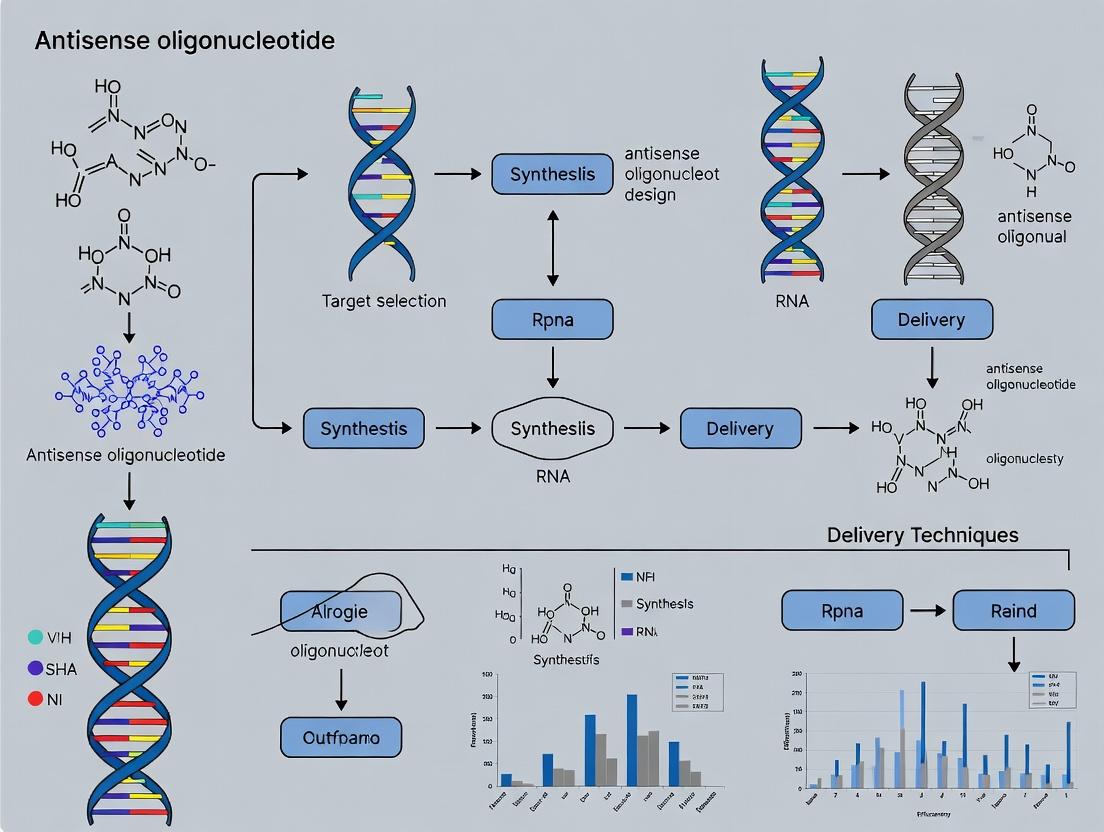
This comprehensive guide explores the complete workflow for developing antisense oligonucleotide (ASO) therapeutics, tailored for researchers and drug development professionals.
Mastering Antisense Oligonucleotides: From Design Principles to Clinical Delivery Strategies
Abstract
This comprehensive guide explores the complete workflow for developing antisense oligonucleotide (ASO) therapeutics, tailored for researchers and drug development professionals. We cover foundational molecular mechanisms and target selection, delve into cutting-edge chemical modification and delivery platform methodologies, address common optimization and troubleshooting challenges, and provide frameworks for preclinical validation and comparative analysis of ASO modalities. The article synthesizes current best practices to accelerate the translation of ASO technology from bench to bedside.
The Blueprint of ASO Therapeutics: Core Mechanisms and Target Discovery
Antisense oligonucleotides (ASOs) are short, synthetic, single-stranded nucleic acid polymers designed to selectively modulate gene expression by binding to complementary RNA sequences via Watson-Crick base pairing. Within the broader thesis on ASO design and delivery, understanding the mechanistic fundamentals of gene silencing and splicing modulation is critical for developing effective therapeutics. This application note details the core mechanisms, quantitative data, and experimental protocols for studying ASO action.
Part 1: Core Mechanisms and Pathways
RNase H1-Dependent Gene Silencing
ASOs with a DNA-like gapmer design (central DNA block flanked by RNA-like nucleotides) recruit intracellular RNase H1 enzyme. This enzyme cleaves the RNA strand of the RNA-ASO heteroduplex, leading to degradation of the target mRNA and subsequent reduction in protein expression.
Splicing Modulation
Steric-blocker ASOs, often composed of chemistry like 2'-O-methoxyethyl (MOE) or peptide nucleic acids (PNA), bind to pre-mRNA at specific splice sites or regulatory sequences (exonic/intronic splicing enhancers or silencers). This physically blocks the splicing machinery's access, leading to exon exclusion (exon skipping) or inclusion, thereby altering the mRNA transcript and final protein product.
Occupancy-Mediated Degradation (Steric Blockade & Degradation)
Certain ASOs, irrespective of RNase H1 recruitment, can lead to target RNA degradation by simply occupying sites and recruiting other cellular degradation machinery or by inhibiting translation.
Diagram Title: ASO Action Pathways: RNase H1 and Splicing
Table 1: Comparison of Primary ASO Mechanisms
| Mechanism | Typical ASO Chemistry | Target Site | Primary Outcome | Key Effector Protein | Typical Onset of Action |
|---|---|---|---|---|---|
| RNase H1 Silencing | DNA gapmer (e.g., PS-DNA/MOE) | Coding region, UTR | mRNA degradation, protein knockdown | RNase H1 | 4-24 hours |
| Exon Skipping | Steric-blocker (e.g., PMO, 2'-MOE PS) | Splice acceptor/donor, ESE | Exon exclusion, truncated protein | Spliceosome modulation | 12-48 hours |
| Exon Inclusion | Steric-blocker (e.g., LNA, MOE) | ISS, ESS | Exon inclusion, full-length protein | Spliceosome modulation | 12-48 hours |
| Translational Block | Steric-blocker (e.g., PNA, PMO) | AUG start codon | Inhibition of protein translation | None (steric hindrance) | 2-12 hours |
Table 2: Key Pharmacokinetic Parameters for ASO Design (Representative Values)*
| Parameter | Gapmer (RNase H) | Steric-Blocker (Splicing) | Notes |
|---|---|---|---|
| Typical Length (nt) | 16-20 | 18-30 | Longer for splicing to ensure specificity & affinity. |
| Tm Optimum (°C) | ~65-75 | ~70-80 | High Tm needed for stable binding under physiological conditions. |
| Cellular Uptake (Primary) | Endocytic pathways | Endocytic pathways | Conjugation (GalNAc, peptides) enhances uptake. |
| Nuclear Concentration | Moderate | High | Splicing modulators require robust nuclear delivery. |
| Plasma Half-life | 2-4 weeks (conjugated) | 1-3 weeks (conjugated) | Dependent on chemistry (PS backbone increases stability). |
*Values are generalized from recent literature and may vary by specific chemistry and modification.
Part 3: Detailed Experimental Protocols
Protocol 3.1:In VitroEvaluation of RNase H1-Mediated Cleavage
Objective: To validate and quantify ASO-induced target RNA cleavage in a cell-free system.
Materials: See "Scientist's Toolkit" below. Procedure:
- Substrate Preparation: In vitro transcribe and cap or purchase the target RNA substrate (300-500 nt containing the ASO binding site). Label with [γ-32P] ATP at the 5' end using T4 Polynucleotide Kinase.
- Hybridization: In a 20 µL reaction, combine 50 nM radiolabeled RNA with increasing concentrations (0, 1, 10, 100, 1000 nM) of ASO in cleavage buffer (20 mM HEPES pH 7.5, 20 mM KCl, 2 mM MgCl2, 0.1 mg/mL BSA). Heat to 65°C for 5 min, then slowly cool to 37°C over 30 min.
- Cleavage Reaction: Add purified recombinant human RNase H1 enzyme to a final concentration of 1 nM. Incubate at 37°C for 30 minutes.
- Reaction Termination: Add 2 volumes of STOP solution (95% formamide, 20 mM EDTA, 0.05% bromophenol blue).
- Analysis: Denature samples at 95°C for 5 min, then resolve fragments on a denaturing 8% polyacrylamide-7M urea gel. Visualize and quantify cleavage products using phosphorimaging. Calculate IC50/EC50 values.
Protocol 3.2: Cellular Splicing Modulation Assay
Objective: To assess exon skipping/inclusion efficiency of ASOs in cultured cells.
Materials: See "Scientist's Toolkit" below. Procedure:
- Cell Seeding & Transfection: Seed appropriate cells (e.g., HeLa, patient-derived fibroblasts) in a 24-well plate to reach 60-70% confluence at transfection. For each well, complex 100-200 nM ASO with 2 µL of lipofectamine 3000 reagent in Opti-MEM according to manufacturer's instructions. Apply complexes to cells in serum-free medium.
- Incubation: After 6 hours, replace medium with complete growth medium. Incubate cells for 24-48 hours.
- RNA Isolation: Lyse cells and extract total RNA using a silica-membrane column kit with on-column DNase I digestion to remove genomic DNA.
- RT-PCR Analysis: Synthesize cDNA using a reverse transcriptase and oligo(dT) or random primers. Perform PCR with primers flanking the target exon(s) using a high-fidelity polymerase. Keep PCR cycles low (25-30) to remain in linear amplification range.
- Gel Electrophoresis: Resolve PCR products on a 2-3% agarose gel or using a high-sensitivity DNA bioanalyzer chip.
- Quantification: Image gel and quantify band intensities. Calculate percent spliced in (PSI) or percent exon skipping using the formula: % Skipping = [Intensity of skipped product / (Intensity of skipped + wild-type products)] * 100.
Part 4: The Scientist's Toolkit
Table 3: Key Research Reagent Solutions for ASO Mechanistic Studies
| Reagent/Material | Supplier Examples | Function in Protocol |
|---|---|---|
| Chemically Modified ASOs (PS, MOE, LNA, PMO) | Integrated DNA Tech., Bio-Synthesis, Sigma-Aldrich | Active test article; specificity defined by sequence and chemistry. |
| Recombinant Human RNase H1 Protein | Novoprotein, Abcam, in-house purification | Effector enzyme for in vitro cleavage assays (Protocol 3.1). |
| T4 Polynucleotide Kinase & [γ-32P] ATP | PerkinElmer, Hartmann Analytic | Radio-labeling of RNA substrates for sensitive detection. |
| SP6/T7 RNA Polymerase | Thermo Fisher, NEB | In vitro transcription of target RNA substrates. |
| Lipofectamine 3000/RNAiMAX | Thermo Fisher | Standard cationic lipid transfection reagent for cellular ASO delivery. |
| RNeasy Mini Kit (with DNase) | Qiagen | Reliable total RNA isolation for downstream splicing analysis. |
| High-Fidelity PCR Master Mix | NEB, Thermo Fisher | Accurate amplification of cDNA for splicing product analysis. |
| Bioanalyzer DNA High Sensitivity Chip | Agilent | Precise sizing and quantification of PCR products alternative to gels. |
| Phosphorimaging Screen & Scanner | GE Healthcare, Bio-Rad | Detection and quantification of radiolabeled RNA fragments. |
Diagram Title: ASO Mechanistic Validation Workflow
Within the broader thesis on Antisense oligonucleotide (ASO) design and delivery, target selection is the foundational step that dictates downstream success. An ideal target profile ensures therapeutic efficacy, minimizes off-target effects, and streamlines development. This application note details the multi-faceted criteria for selecting viable RNA targets and provides protocols for their experimental validation.
Core Criteria for Target Selection: A Quantitative Framework
Table 1: Quantitative and Qualitative Criteria for Ideal RNA Target Selection
| Criterion Category | Specific Parameter | Ideal Profile / Threshold | Rationale & Impact |
|---|---|---|---|
| Target Biology | Disease Association & Validation | Strong genetic evidence (e.g., GWAS, functional genomics); Gain-of-function or haploinsufficiency. | Direct mechanistic link to pathology ensures relevant modulation. |
| Transcript Abundance | >10-50 copies per cell (varies by tissue). | Sufficient basal expression for reliable detection and meaningful knockdown. | |
| Tissue/Cellular Localization | Disease-relevant cell type; Accessible to ASO delivery modality. | Ensures action at the site of pathology. | |
| RNA Structure & Accessibility | Secondary Structure (ΔG) | Regions with minimal stability (ΔG > -10 kcal/mol preferred). | Unpaired loops/bulges are more accessible for ASO binding. |
| Protein Binding (RBPs) | Regions with low RBP occupancy (from CLIP-seq data). | Avoids competition with endogenous proteins for site access. | |
| Conservation (for non-human targets) | High sequence conservation in relevant animal models. | Enables predictive preclinical toxicology and efficacy studies. | |
| ASO Design & Efficacy | "Seed" Regions for RNase H1 | Avoid stretches of >4 Gs; GC content ~40-60%. | Optimizes ASO binding kinetics and RNase H1 recruitment/activity. |
| SNP Frequency | Low population variance in target binding region. | Prevents patient stratification and loss of efficacy in sub-populations. | |
| Safety & Specificity | Off-Target Homology | <70% identity over 15+ nt with any other transcript. | Minimizes unintended RNA cleavage or steric blockade. |
| Immune Response Risk | Avoid GU-rich motifs (e.g., 5'-UGUGU-3'). | Reduces potential for TLR7/8-mediated innate immune activation. |
Experimental Protocols for Target Validation & Profiling
Protocol 2.1: In Silico Target Site Accessibility Mapping using RNAfold & RACCESS
Purpose: Predict local secondary structure to identify accessible "open loop" regions for ASO binding.
Materials:
- Target RNA sequence (FASTA format).
- Software: ViennaRNA Package (RNAfold), RACCESS algorithm server.
Procedure:
- Input Preparation: Obtain the full-length target transcript sequence (RefSeq ID) from NCBI.
- Global Folding: Run RNAfold (
RNAfold < input.fasta) to generate a minimum free energy (MFE) secondary structure and a dot-bracket notation file. - Local Accessibility: Submit the sequence to the RACCESS web server. Use default parameters (window size of 80-100 nt, step size 5 nt).
- Data Analysis: The output provides an accessibility profile. Identify regions with high accessibility scores (low negative ΔG). Cross-reference these regions with criteria in Table 1 (e.g., avoid conserved RBP sites from public CLIP-seq databases).
Protocol 2.2: Empirical Assessment of ASO Binding Efficiency using an In Vitro Luciferase Splicing Reporter Assay
Purpose: Functionally test and rank predicted target sites for ASO activity in a cellular context.
Materials:
- HEK293T or disease-relevant cell line.
- Plasmid: pSpliceExpress or similar dual-luciferase reporter with a synthetic intron containing the cloned target sequence.
- ASOs (20-mer gapmers, phosphorothioate backbone) designed to predicted sites and a scrambled control.
- Lipofectamine RNAiMAX.
- Dual-Luciferase Reporter Assay System.
Procedure:
- Reporter Construction: Clone 100-150 nt genomic fragments encompassing each predicted target site into the intron of the reporter plasmid, downstream of a weak 5' splice site.
- Cell Seeding & Transfection: Seed cells in 96-well plates. The next day, co-transfect 50 ng of reporter plasmid with 10 nM of each ASO using Lipofectamine RNAiMAX per manufacturer's protocol. Include No ASO and Scrambled ASO controls.
- Assay & Analysis: 24-48 hours post-transfection, lyse cells and measure Firefly and Renilla luciferase activity. Normalize Firefly (splicing-dependent) to Renilla (transfection control). ASO activity is reported as the increase in normalized luminescence (% of No ASO control) due to ASO-mediated steric blockade of the aberrant splice site.
Visualizing the Target Selection & Validation Workflow
Title: Workflow for Selecting Ideal RNA Targets for ASOs
The Scientist's Toolkit: Key Research Reagent Solutions
Table 2: Essential Materials for Target Selection Experiments
| Reagent / Material | Provider Examples | Function in Target Selection |
|---|---|---|
| ViennaRNA Package | University of Vienna, BioShape | Open-source software suite for RNA secondary structure prediction (e.g., RNAfold). |
| RACCESS Web Server | Bioinformatics Group, University of Leipzig | Algorithm for predicting local target site accessibility for oligonucleotides. |
| pSpliceExpress Dual-Luciferase Vector | Addgene (Kit #1000000068) | Reporter plasmid for high-throughput screening of ASO activity on splicing or occupancy. |
| Phosphorothioate Gapmer ASOs (Research Grade) | IDT, Sigma-Aldrich, LGC Biosearch | Chemically modified ASOs for initial in vitro and cellular proof-of-concept studies. |
| Lipofectamine RNAiMAX | Thermo Fisher Scientific (13778075) | Transfection reagent optimized for efficient delivery of ASOs into mammalian cells. |
| Dual-Luciferase Reporter Assay System | Promega (E1910) | Sensitive assay to quantify changes in reporter gene activity post-ASO treatment. |
| Locked Nucleic Acid (LNA) Gapmers | Qiagen, Exiqon | High-affinity alternative for probing very structured targets or for FISH-based localization. |
| RBP-immunoprecipitation (CLIP) Kits | Merck (CLIP-seq Kit) | Validate protein occupancy on predicted target sites to assess competition. |
Within the broader thesis on Antisense Oligonucleotide (ASO) design and delivery techniques, the initial and most critical step is the accurate prediction and characterization of target RNA structure and accessibility. The functional efficacy of a steric-blocking or RNase H-activating ASO is fundamentally constrained by its ability to bind its cognate single-stranded RNA target site. This application note details the integrated computational and experimental protocols required to map RNA structural landscapes, quantify site accessibility, and translate this data into high-probability ASO designs.
The relationship between RNA secondary structure, site accessibility, and ASO efficacy is supported by extensive empirical data. Key metrics are summarized below.
Table 1: Correlation Between Predicted Site Accessibility and ASO Efficacy
| Accessibility Metric (Computational) | Experimental Readout | Typical Correlation (R²) | Optimal Value Range for Design |
|---|---|---|---|
| Single-strandedness (P-num) | % Target Reduction (RT-qPCR) | 0.65 - 0.78 | P-num > 0.7 |
| RNAplex Binding Energy (ΔG kcal/mol) | IC₅₀ (nM) in Cell Culture | 0.70 - 0.82 | ΔG < -25 kcal/mol |
| RNase H Cleavage Rate (k_obs, min⁻¹) | In vitro Cleavage Efficiency | 0.85 - 0.90 | k_obs > 0.05 min⁻¹ |
| DMS-MaPseq Reactivity Score | ASO Binding Affinity (K_d, nM) | 0.75 - 0.88 | Reactivity > 0.5 |
Table 2: Impact of RNA Motifs on ASO Performance
| RNA Structural Motif | Effect on Accessibility | Recommended ASO Length Adjustment | Expected Efficacy Change |
|---|---|---|---|
| Stem Loop | Severely Reduced in stem | Avoid stem; target loop | -80% if in stem |
| Bulge / Internal Loop | Highly Increased | Standard (16-20 nt) | +50% relative to flanking regions |
| Pseudoknot | Variable, context-dependent | Require experimental validation | Unpredictable (Avoid) |
| Single-stranded 3'/5' UTR | Very High | Can use shorter designs (16-18 nt) | High (+60%) |
Application Notes & Protocols
Protocol: Integrated Computational Pipeline for Site Identification
Objective: To computationally rank potential ASO binding sites on a target mRNA.
Materials & Software:
- Input: Target mRNA sequence (FASTA format).
- Software: RNAfold (ViennaRNA Package), RNAplfold, RNAplex, ASOscore (or similar in-house algorithm).
- Output: Ranked list of 20-mer target sites with accessibility scores.
Procedure:
- Secondary Structure Prediction: Run
RNAfold --p -d2 --noLPon the full-length transcript to generate a base-pairing probability matrix. - Local Accessibility Profiling: Execute
RNAplfold -L 20 -W 80 -u 20to calculate the probability of an unpaired stretch of 20 nucleotides (P-unpaired) in a sliding window. - In silico ASO Binding: For all possible 20-mer sequences, compute the hybridization energy using
RNAplex -s -q [ASO_SEQ] -t [TARGET_FASTA]. - Composite Scoring: Apply a weighted scoring algorithm:
Composite_Score = (0.4 * P-unpaired) + (0.4 * -ΔG_RNAplex/50) + (0.2 * Conservation_Score). - Off-Target Filtering: Perform BLASTn against the appropriate transcriptome/genome. Discard candidates with >85% sequence identity to non-targets.
- Final Selection: Select the top 10-15 candidates spanning various exonic regions (avoiding known protein binding sites if possible) for in vitro validation.
Protocol:In VitroValidation Using DMS-MaPseq
Objective: Experimentally probe RNA secondary structure in its native cellular context to validate computational predictions.
Materials:
- Cells: Relevant cell line expressing target RNA.
- Reagents: Dimethyl Sulfate (DMS, 99%), Cell Culture Lysis Buffer, Proteinase K, SuperScript IV Reverse Transcriptase, MaP RT Primer, Q5 Hot Start High-Fidelity 2X Master Mix.
- Kits: RNA Clean & Concentrator-25 Kit, NEBNext Ultra II DNA Library Prep Kit.
- Equipment: Thermocycler, Next-Generation Sequencer.
Procedure:
- DMS Treatment: For treated sample, incubate 5x10⁶ live cells in 1 mL culture medium with 0.5% DMS for 5 min at 37°C. Quench with 2M β-mercaptoethanol. Include an untreated control.
- RNA Extraction & Purification: Lyse cells, extract total RNA via phenol-chloroform, and purify. Treat with DNase I.
- MaP Reverse Transcription: Using 500 ng RNA, perform RT with SuperScript IV and random hexamers using a modified protocol that promotes mutagenic incorporation at DMS-modified adenosines and cytosines.
- Library Preparation & Sequencing: Amplify target regions via PCR using gene-specific primers with overhangs. Construct sequencing libraries using the NEBNext kit. Sequence on an Illumina platform (2x150 bp, 5M reads per sample).
- Data Analysis: Align reads to reference. Calculate mutation rates at each nucleotide position for DMS-treated vs. control. Normalized mutation rates >0.5 indicate high single-stranded character.
The Scientist's Toolkit: Research Reagent Solutions
Table 3: Essential Materials for RNA Accessibility Studies
| Item | Function in Protocol | Example Product/Catalog # |
|---|---|---|
| DMS (≥99%) | Small chemical probe that methylates accessible A/C residues in RNA. | Sigma-Aldrich, D186309 |
| SuperScript IV Reverse Transcriptase | High-temperature, processive RT for accurate MaPseq read-through of structured RNA. | Thermo Fisher, 18090010 |
| NEBNext Ultra II DNA Library Prep Kit | For preparation of sequencing-ready libraries from amplified cDNA. | NEB, E7645S |
| RNA Clean & Concentrator Kit | Rapid purification and concentration of RNA, critical post-DMS treatment. | Zymo Research, R1017 |
| RNase H (E. coli) | In vitro validation of ASO-mediated cleavage at predicted accessible sites. | NEB, M0297S |
| Locked Nucleic Acid (LNA) Nucleoside Phosphoramidites | For synthesizing high-affinity ASO probes used in EMSA validation. | Merck, based on sequence |
| Fluorescent RNA Stain (e.g., SYBR Green II) | Visualizing in vitro transcribed target RNA in gel-shift assays. | Thermo Fisher, S7564 |
Visualization of Workflows
Diagram Title: Integrated ASO Design Pipeline
Diagram Title: DMS-MaPseq Experimental Workflow
Diagram Title: From Structure to ASO Function
Within the broader thesis on antisense oligonucleotide (ASO) design and delivery, understanding the chemical evolution of ASO backbone and sugar modifications is paramount. This progression, categorized into generations, directly dictates key pharmacological properties: nuclease stability, binding affinity (Tm), pharmacokinetic profile, and toxicity. This application note provides a detailed timeline, comparative data, and associated protocols for evaluating ASO generations.
Generational Timeline and Comparative Properties
Table 1: Evolution and Key Properties of ASO Generations
| Generation (Era) | Representative Chemistry | Key Modification(s) | Primary Advantage(s) | Primary Limitation(s) |
|---|---|---|---|---|
| 1st (1990s) | Phosphorothioate (PS) Oligodeoxynucleotides | Sulfur substitutes non-bridging oxygen in phosphate backbone. | First-generation nuclease resistance; improved pharmacokinetics; protein binding facilitates tissue distribution. | Reduced binding affinity (Tm); pro-inflammatory effects; thrombocytopenia at high doses. |
| 2nd (Early 2000s) | 2'-O-Methyl (2'-OMe) / 2'-O-Methoxyethyl (2'-MOE) PS | 2' sugar modifications on a PS backbone. | Enhanced binding affinity (Tm); increased nuclease resistance; reduced immunostimulation. | Chimeric gapmer design required for RNase H recruitment; 2'-MOE shows improved potency over 2'-OMe. |
| 2.5 / Bridge (2010s) | Constrained Ethyl (cEt) / Locked Nucleic Acid (LNA) PS | Bridged nucleic acids with conformational lock (e.g., 2'-O,4'-C methylene bridge in LNA). | Very high binding affinity (Tm ~ +2 to +8 °C per monomer); superior potency and metabolic stability. | Increased risk of hepatotoxicity; potential for immune activation; requires careful gapmer design. |
| 3rd / Modern (2020s) | Peptide Nucleic Acid (PNA), Phosphorodiamidate Morpholino Oligomer (PMO), Tricyclo-DNA (tcDNA) | Entirely novel backbones replacing the ribose-phosphate unit. | Extreme nuclease resistance; neutral charge (PNA, PMO) improves specificity and reduces off-target protein binding. | Poor cellular uptake; complex delivery strategies often needed (e.g., conjugates); synthetic complexity. |
| Current Focus | Stereodefined PS, GalNAc Conjugates | Spatially controlled PS chirality (Rp/Sp); Liver-targeting N-acetylgalactosamine ligand conjugation. | Improved therapeutic index; reduced toxicity; targeted delivery enabling subcutaneous administration with high potency. | Synthesis complexity (stereopure); delivery currently limited primarily to hepatocytes. |
Application Notes & Protocols
Protocol 1: Determination of Melting Temperature (Tm) for ASO-RNA Duplex Affinity
Purpose: To compare the binding affinity of different ASO generations to their complementary RNA target. Materials:
- ASO Samples (dissolved in nuclease-free TE buffer, pH 7.5)
- Complementary RNA Target (synthetic, single-stranded)
- Thermal Melting Buffer (e.g., 10 mM sodium phosphate, 100 mM NaCl, 0.1 mM EDTA, pH 7.0)
- Real-time PCR Instrument or UV-Vis Spectrophotometer with Peltier temperature control
- Quartz Cuvettes (for spectrophotometer)
Procedure:
- Hybridization: Mix equimolar amounts of ASO and RNA target (typical final concentration 1-4 µM each) in thermal melting buffer.
- Denaturation & Annealing: Heat sample to 95°C for 5 minutes, then cool slowly to 20°C at a rate of 0.5°C/min to ensure proper duplex formation.
- Tm Measurement (UV Hypochromicity Method):
- Place annealed sample in a temperature-controlled spectrophotometer.
- Monitor UV absorbance at 260 nm while heating from 20°C to 95°C at a rate of 0.5°C/min.
- The Tm is defined as the temperature at which half of the duplexes are dissociated into single strands, corresponding to the midpoint of the absorbance transition curve. Plot first derivative (dA260/dT) to pinpoint Tm precisely.
- Analysis: Compare Tm values across ASO chemistries. Expect significant increases from 1st to 2nd/2.5 generations (e.g., PS-DNA ~50°C vs. LNA-PS gapmer ~75°C for a 16-mer).
Protocol 2: Serum Stability Assay
Purpose: To evaluate the resistance of ASO chemistries to nucleolytic degradation in biological fluids. Materials:
- Fetal Bovine Serum (FBS) or human serum (as nuclease source)
- Incubation Buffer (e.g., DPBS)
- Stop Solution (e.g., 4M Guanidine HCl, 20 mM EDTA, or proteinase K)
- Analytical Instrument: Denaturing Polyacrylamide Gel Electrophoresis (PAGE) apparatus or LC-MS.
- Urea-PAGE Gel (15-20%)
Procedure:
- Sample Preparation: Dilute ASO in DPBS to a working concentration (e.g., 5 µM). Pre-warm FBS to 37°C.
- Incubation: Mix ASO solution with an equal volume of FBS to achieve a final serum concentration of 50%. Incubate at 37°C.
- Time-point Sampling: Withdraw aliquots (e.g., 20 µL) at time points: 0, 1, 3, 6, 24, 48 hours.
- Reaction Termination: Immediately mix each aliquot with 5 µL of stop solution (or proteinase K followed by phenol-chloroform extraction) to denature nucleases.
- Analysis (Urea-PAGE):
- Prepare samples with formamide loading dye.
- Heat denature at 95°C for 5 min, then load onto a pre-run 15-20% urea-PAGE gel.
- Run gel at constant power appropriate for gel size.
- Visualize using stains (SYBR Gold) or phosphorimager for radiolabeled ASOs.
- Quantification: Plot percentage of intact full-length ASO remaining versus time. Calculate half-life (t1/2). PS backbones show moderate stability (t1/2 ~24-48h in FBS), while PNA/PMO show negligible degradation over 72h.
Visualizing ASO Mechanism and Evolution
Title: ASO Mechanisms of Action by Design
Title: Timeline of ASO Chemical Generations
The Scientist's Toolkit: Key Research Reagent Solutions
Table 2: Essential Reagents for ASO Research
| Item / Kit | Function / Application | Key Consideration |
|---|---|---|
| Custom ASO Synthesis Service | Provider of modified oligonucleotides (PS, 2'-MOE, LNA, PNA, etc.). | Capability for complex modifications (GalNAc, stereo-pure PS), scale (mg to g), and purity (HPLC-grade). |
| RNase H1 Activity Assay Kit | In vitro evaluation of gapmer ASO activity via cleavage of target RNA. | Essential for confirming mechanistic function of chimeric gapmer designs. |
| Lipofectamine 3000 or Gymnotic Delivery | Transfection reagent for cellular ASO delivery (non-conjugated). | For in vitro screening; gymnotic (free uptake) assays better predict conjugate activity. |
| QuantiGene or Branched DNA (bDNA) Assay | Direct quantification of target RNA levels from cell lysates without RNA purification. | Avoids RT-PCR biases; ideal for measuring ASO-mediated RNA knockdown. |
| Urea-PAGE Gel System | Analytical separation of intact vs. degraded ASOs for stability studies. | High percentage gels (15-20%) required for resolving short oligonucleotides. |
| SPR or BLI Instrumentation | Surface Plasmon Resonance or Bio-Layer Interferometry for kinetic binding analysis (KD, kon, koff). | Provides quantitative affinity data beyond Tm for ASO-RNA interactions. |
| GalNAc-Conjugated ASO | Liver-targeting ASO reagent for in vivo studies in rodent models. | The current industry standard for hepatic target validation and therapeutic studies. |
| ToxiLight or LDH Assay Kit | Rapid, bioluminescent/colorimetric assay for cytotoxicity. | Critical for assessing therapeutic index and innate immune activation (e.g., CpG effects). |
The ASO Toolbox: Design, Synthesis, and Advanced Delivery Platforms
This application note provides a detailed protocol for the in silico design of antisense oligonucleotides (ASOs), a critical component of a broader thesis investigating ASO design and delivery techniques. Efficient design is foundational for successful in vitro and in vivo experimentation, aiming to maximize target engagement and minimize off-target effects.
Core Software and Algorithmic Tools
A modern ASO design pipeline integrates multiple software platforms, each addressing a specific design constraint. The following table summarizes the primary tools, their functions, and key algorithmic foundations.
Table 1: Core ASO Design Software and Algorithms
| Software/Tool | Primary Function | Key Algorithm/Mechanism | Output |
|---|---|---|---|
| BLAST | Off-target screening via sequence homology search. | Basic Local Alignment Search Tool (heuristic). | List of potential genomic off-target sites. |
| RNAstructure | Prediction of RNA secondary structure & accessibility. | Dynamic programming (Zuker algorithm). | Minimum free energy (MFE) structures & ΔG. |
| ViennaRNA | RNA folding and hybridization energy prediction. | Partition function & free energy minimization. | Pair probabilities, ensemble diversity. |
| UCSC Genome Browser / ENSEMBL | Visualization of genomic context & annotation. | Genome data integration & graphical rendering. | View of gene isoforms, SNPs, conservation. |
| Basic Local Alignment Search Tool | Identification of sequence-specific off-targets. | Seed-based alignment (e.g., for gapmer ASOs). | Potential binding sites with mismatches. |
| Specificity Screen | Assessment of hybridization-dependent off-target risks. | Empirical rules for mismatch tolerance. | Risk score for predicted off-targets. |
Step-by-Step Sequence Selection Protocol
Protocol 1: Initial Target Site Identification and Prioritization
Objective: To identify accessible target regions within the primary transcript of interest.
Materials & Reagents:
- Research Reagent Solutions:
- Target mRNA Sequence (FASTA): The primary transcript sequence of the target gene, preferably including 5' and 3' UTRs.
- Genomic Reference Database (e.g., GRCh38): For accurate mapping and off-target analysis.
- Transcriptome Annotation File (GTF/GFF): To define exon-intron boundaries and isoform variants.
Methodology:
- Sequence Retrieval: Obtain the canonical transcript (e.g., from RefSeq) of your target gene. Include multiple splice variants if isoform-specific knockdown is desired.
- Accessibility Prediction: Input the full-length mRNA sequence into RNAstructure or ViennaRNA.
- Run a folding prediction at 37°C using default parameters.
- Generate a positional
accessibility profile(e.g., usingRNAplfoldin ViennaRNA for local folding). Regions with low base-pairing probability are more accessible.
- Conservation & SNP Filtering: Using the UCSC Genome Browser, overlay phyloP conservation scores and known SNP databases (e.g., dbSNP). Prioritize regions with high conservation (indicating functional importance) and avoid common SNP sites.
- Isoform Specificity Check: Align the candidate region against other transcript isoforms. Design ASOs to span exon-exon junctions unique to the target isoform if specificity is required.
- Output: A ranked list of ~50-100 nt accessible genomic regions for further ASO candidate generation.
Protocol 2: ASO Candidate Generation andIn SilicoEfficacy Scoring
Objective: To generate specific ASO sequences within the prioritized regions and rank them by predicted efficacy.
Materials & Reagents:
- Research Reagent Solutions:
- List of Accessible Regions: From Protocol 1.
- Thermodynamic Parameters File (e.g., Turner 2004): For accurate ΔG calculation of ASO:RNA duplexes.
- Chemical Modification Templates: Pre-defined patterns for gapmer, mixmer, or fully modified scaffolds (e.g., 5-10-5 2'-O-MOE gapmer, 2'-4' LNA wings).
Methodology:
- Oligo Generation: For each accessible region, generate all possible ASO sequences of defined length (typically 16-20 nt for gapmers).
- Duplex Stability Calculation: For each candidate ASO, compute the free energy of hybridization (ΔG°duplex) with the perfectly complementary target RNA sequence using the
RNAhybridfunction (ViennaRNA) or similar, applying appropriate parameters for chemical modifications (e.g., increased stability for LNA or 2'-MOE). - Self-Complementarity Check: Screen each ASO for intramolecular hairpin formation and self-dimerization potential using the
oligotempfunction (RNAstructure). Discard candidates with significant self-binding (ΔG°self < -6 kcal/mol). - Efficacy Score Assignment: Develop a composite score. A simplified example:
- ΔG°duplex: More negative values (e.g., < -25 kcal/mol for a 16-mer LNA gapmer) indicate stronger binding (assign higher score).
- Target Site Accessibility: Use the inverse of the mean base-pair probability from
RNAplfoldover the target window (higher accessibility = higher score). - Conservation Score: Mean phyloP score over the target site (higher conservation = higher score).
- Final Rank: Weight and sum the normalized sub-scores. Select the top 10-20 candidates for specificity screening.
Protocol 3: Comprehensive Off-Target Analysis
Objective: To identify and eliminate ASO candidates with high risk for hybridization-dependent off-target effects.
Materials & Reagents:
- Research Reagent Solutions:
- Top-Ranked ASO Sequences (FASTA): From Protocol 2.
- Human Transcriptome Database (FASTA): A comprehensive set of all human mRNA sequences.
- Genomic DNA BLAST Database: For whole-genome screening.
Methodology:
- Transcriptome-Wide BLAST:
- Perform a BLASTn search of each ASO sequence against the human transcriptome database.
- Set word size to 7 (for short queries) and expect threshold (E-value) to 1000 to retrieve all potential matches.
- Hit Filtering & Scoring: Apply empirical mismatch rules derived from RNase H1 cleavage studies:
- Tolerated mismatches in the gap (DNA) region severely reduce or abolish activity.
- Mismatches in the flanking (modified) wings are more tolerated but can reduce binding affinity.
- A common rule: Discard any ASO with a near-perfect match (≤ 3 mismatches, or a contiguous stretch of ≥ 7 complementary bases in the gap region) to any non-target transcript.
- Genomic DNA BLAST: Repeat the BLAST search against the human genomic database to identify potential non-transcribed off-target sites or pseudogene matches.
- Final Selection: Candidates passing the off-target filters (typically 3-5) are selected for in vitro validation. Document all potential off-targets with ≤ 5 mismatches for experimental follow-up.
Visualization of Key Workflows and Relationships
ASO Design and Screening Workflow
Primary Factors Determining ASO Efficacy
Table 2: Essential Research Reagent Solutions for ASO Design & Validation
| Item | Function in ASO Research |
|---|---|
| Synthetic Target RNA Transcript | A chemically synthesized, pure RNA oligo matching the intended target site. Used for in vitro binding and cleavage assays to confirm mechanism. |
| RNase H1 Enzyme (Recombinant) | The key effector enzyme for gapmer ASOs. Used in in vitro cleavage assays to validate target RNA degradation. |
| Fluorescent Reporter Cell Line | Cells engineered to express a target sequence fused to a fluorescent protein (e.g., GFP). Enables rapid, high-throughput screening of ASO activity and delivery. |
| Control ASOs (Scrambled & Mismatch) | Negative controls with scrambled sequence or designed mismatches. Critical for distinguishing sequence-specific effects from non-specific or immune-stimulatory effects. |
| Transfection Reagent (Cationic Lipid) | For in vitro delivery of unformulated ASOs into cells. Enables initial activity screening without the complexity of advanced chemistry. |
| 2'-O-MOE or LNA Phosphoramidites | The building blocks for solid-phase synthesis of modified ASOs. Essential for producing research-grade ASOs with enhanced nuclease resistance and binding affinity. |
Within the broader thesis on antisense oligonucleotide (ASO) design and delivery, chemical modifications are fundamental to overcoming the inherent limitations of unmodified oligonucleotides, namely nuclease susceptibility, poor cellular uptake, and weak target affinity. This document provides detailed application notes and standardized protocols for the key chemical modification classes: backbone (Phosphorothioate, Phosphorodiamidate Morpholino), sugar (2'-Methoxyethyl, Locked Nucleic Acid), and terminal groups. The integration of these modifications is critical for developing therapeutically viable ASOs.
Backbone Modifications
Phosphorothioate (PS)
Application Note: PS replacement of a non-bridging oxygen with sulfur in the phosphate backbone dramatically increases nuclease resistance and enhances protein binding, leading to improved pharmacokinetics through plasma protein association and reduced renal clearance. It is the most widely used first-generation modification, often deployed in a "gapmer" design.
Protocol 1.1: Synthesis and Purification of PS-Modified Oligonucleotides
- Solid-Phase Synthesis: Perform oligonucleotide synthesis on a DNA/RNA synthesizer using standard phosphoramidite chemistry. For each PS linkage, replace the standard oxidation step (0.02 M I2 in THF/Pyridine/H2O) with a sulfurization step using a 0.05 M solution of 3-((Dimethylaminomethylidene)amino)-3H-1,2,4-dithiazole-5-thione (DDTT) in pyridine/acetonitrile. Reaction time: 2 minutes.
- Deprotection & Cleavage: After synthesis, treat the controlled pore glass (CPG) support with a 1:1 mixture of aqueous ammonium hydroxide (28-30%) and methylamine (40%) for 1 hour at 65°C to cleave the oligonucleotide and remove base and phosphate protections.
- Desalting: Use size-exclusion chromatography (e.g., NAP-10 columns) to remove small molecule impurities and salts.
- Purification: Purify the crude oligonucleotide by anion-exchange HPLC (e.g., Dionex DNAPac PA200 column) with a gradient of Buffer A (25 mM Tris-HCl, pH 8.0) and Buffer B (25 mM Tris-HCl, 1 M NaCl, pH 8.0) from 30% to 70% B over 30 minutes at 60°C. Detect at 260 nm.
- Desalting & Lyophilization: Desalt the collected peak using reversed-phase cartridge (e.g., Sep-Pak C18) or ethanol precipitation. Lyophilize to a dry powder.
Protocol 1.2: Stability Assessment in Serum
- Preparation: Dilute purified PS-modified ASO and an unmodified control in nuclease-free water to 100 µM.
- Incubation: Mix 10 µL of ASO with 90 µL of fetal bovine serum (FBS). Incubate at 37°C. Remove 10 µL aliquots at time points: 0, 1, 2, 4, 8, 12, and 24 hours.
- Quenching: Immediately add each aliquot to 10 µL of formamide with 50 mM EDTA on ice.
- Analysis: Denature samples at 95°C for 5 minutes. Analyze by 20% denaturing PAGE (8 M urea). Stain with SYBR Gold and image. Quantify full-length product band intensity relative to t=0.
Phosphorodiamidate Morpholino Oligomers (PMO)
Application Note: PMOs feature a morpholino ring in place of the ribose sugar and a phosphorodiamidate backbone. They are entirely uncharged and bind to complementary RNA with high sequence specificity via Watson-Crick base pairing. They do not activate RNase H. Their primary application is in steric blockade of translation initiation, splicing modulation, or miRNA blocking, often requiring advanced delivery systems for efficient cellular uptake in vivo.
Protocol 2.1: In Vitro Splicing Modulation Assay with PMOs
- Cell Seeding: Seed appropriate cells (e.g., HeLa pLuc/705) in a 24-well plate at 2.5 x 10^4 cells/well in growth medium. Incubate overnight.
- Transfection: Prepare complexes of PMO (final concentration 10-200 nM) with a delivery agent (e.g., Endo-Porter at 6 µM) in serum-free medium. Incubate for 15 minutes at RT. Replace cell medium with the complex-containing medium.
- Incubation: Incubate cells for 24-48 hours at 37°C, 5% CO2.
- Luciferase Assay: Lyse cells with 100 µL Passive Lysis Buffer (Promega) per well. Measure luciferase activity using a luminometer and a Luciferase Assay System according to manufacturer's protocol.
- Data Analysis: Normalize luminescence to protein concentration or a control well. Compare to scrambled PMO control and untreated cells.
Sugar Modifications (2'-Ribose)
2'-O-Methoxyethyl (2'-MOE)
Application Note: The 2'-MOE modification increases binding affinity (Tm increase of ~1-2°C per modification) and provides strong nuclease resistance. It is typically used in the "wings" of a gapmer design, flanking a central DNA "gap" that supports RNase H1 recruitment and cleavage.
Protocol 3.1: Thermal Melting (Tm) Analysis
- Sample Preparation: Prepare duplex samples containing the 2'-MOE-modified ASO and its complementary RNA target in a buffer (e.g., 10 mM Sodium Phosphate, 100 mM NaCl, 0.1 mM EDTA, pH 7.0). Final oligonucleotide concentration should be 4 µM each. Use a matching DNA/RNA duplex as a control.
- Instrument Setup: Use a UV-Vis spectrophotometer with a Peltier-controlled thermal cuvette. Set the temperature range from 20°C to 95°C, with a heating rate of 0.5°C/minute. Monitor absorbance at 260 nm.
- Data Analysis: Plot absorbance vs. temperature to generate a melting curve. Determine Tm as the first derivative peak or the midpoint of the transition. Compare Tm values between modified and unmodified duplexes.
Locked Nucleic Acid (LNA)
Application Note: LNA incorporates a methylene bridge connecting the 2'-O and 4'-C atoms, "locking" the sugar in a high-affinity C3'-endo conformation. This results in the highest known increase in thermal stability for a neutral modification (~+2 to +8°C per monomer). LNA nucleotides are extensively used in short "mixmer" or gapmer designs for potent gene silencing.
Protocol 3.2: RNase H1 Cleavage Assay
- Substrate Preparation: In vitro transcribe a target RNA containing the complementary sequence. 5'-end label it with [γ-32P] ATP using T4 Polynucleotide Kinase. Purify via denaturing PAGE.
- Duplex Formation: Anneal the radiolabeled RNA (50 nM) with the LNA-modified ASO (or control DNA ASO) at a 1:5 molar ratio in annealing buffer (20 mM Tris-HCl, pH 7.5, 20 mM KCl). Heat to 85°C for 5 min and cool slowly to room temperature.
- Cleavage Reaction: In a final volume of 20 µL, mix the duplex with 1 µL of recombinant human RNase H1 enzyme (e.g., 1 unit) in reaction buffer (20 mM Tris-HCl, pH 7.5, 20 mM KCl, 8 mM MgCl2, 1 mM DTT, 0.1 mg/mL BSA). Incubate at 37°C.
- Time Course: Remove 5 µL aliquots at 0, 2, 5, 10, 20, and 30 minutes and quench by adding an equal volume of Gel Loading Buffer II (95% formamide, 18 mM EDTA) on dry ice.
- Analysis: Denature samples and separate fragments by high-resolution denaturing PAGE (15-20%). Visualize and quantify cleavage products using a phosphorimager.
Terminal Modifications
Application Note: Terminal groups are added to the 5' or 3' end to confer specific properties. Common examples include 5'-conjugates (e.g., cholesterol, GalNAc for hepatocyte targeting, tocopherol) to enhance delivery and cellular targeting, and 3'-inverted abasic residues or other blocking groups to prevent exonuclease degradation.
Protocol 4.1: Evaluation of GalNAc-Conjugate Liver Targeting In Vivo
- Animal Dosing: Administer a single subcutaneous (SC) or intravenous (IV) dose of GalNAc-conjugated ASO (e.g., 3-10 mg/kg) to mice (n=5 per group). Include an unconjugated ASO control group.
- Tissue Collection: Euthanize animals at predetermined time points (e.g., 24, 72, 168 hours post-dose). Collect liver, kidney, and plasma samples. Snap-freeze tissues in liquid N2.
- Tissue Homogenization: Homogenize ~50 mg of liver tissue in 1 mL of a lysis buffer (e.g., 100 mM Tris-HCl, pH 8.0, 200 mM NaCl, 5 mM EDTA, 0.2% SDS, 1 mg/mL Proteinase K). Incubate at 55°C for 3 hours.
- ASO Extraction: Extract ASO using phenol/chloroform/isoamyl alcohol (25:24:1). Precipitate the aqueous phase with ethanol and glycogen carrier.
- Quantification: Resuspend the pellet. Quantify ASO concentration using a hybridization-based ELISA assay or LC-MS/MS.
Table 1: Key Properties of Backbone Modifications
| Property | Phosphodiester (PO) | Phosphorothioate (PS) | Phosphorodiamidate Morpholino (PMO) |
|---|---|---|---|
| Charge | Negative | Negative | Neutral |
| Nuclease Resistance | Low | High (1-2 log increase in t1/2) | Very High |
| Protein Binding | Low | High (binds to albumin, etc.) | Low |
| Typical Application | Control/Reference | Gapmer backbone; PK enhancer | Steric block; Splicing modulation |
| RNase H1 Recruitment | Yes (DNA) | Yes (DNA gap) | No |
Table 2: Key Properties of 2'-Sugar Modifications
| Property | 2'-Deoxy (DNA) | 2'-O-Methoxyethyl (MOE) | Locked Nucleic Acid (LNA) |
|---|---|---|---|
| Sugar Conformation | C2'-endo | C3'-endo (preferred) | Locked C3'-endo |
| ΔTm per Mod (vs. RNA) | ~ -0.5°C | ~ +1.0 to +2.0°C | ~ +2.0 to +8.0°C |
| Nuclease Resistance | Low | Very High | Very High |
| Toxicity (Risk) | N/A | Low | Moderate (Hepatotoxicity at high doses in vivo) |
| Typical Design | Gap (in gapmer) | Wings (in gapmer) | Mixmer or gapmer wings |
Table 3: Common Terminal Conjugates and Functions
| Conjugate | Linked To | Primary Function | Target Tissue/Cell |
|---|---|---|---|
| Triantennary GalNAc | 5' or 3' end | ASGPR-mediated endocytosis | Hepatocytes |
| Cholesterol | 5' or 3' end | Lipid membrane association; Enhanced uptake | Broad (Liver, muscle) |
| α-Tocopherol | 5' end | Association with lipoprotein particles | Liver, CNS |
| PEG Linker | Between ASO and ligand | Improves solubility; Modulates PK | N/A |
| 3'-Inverted dT | 3' terminus | Blocks 3'-exonuclease degradation | N/A |
Diagrams
Title: Antisense Gapmer Design and Mechanism of Action
Title: ASO Lead Optimization and Screening Workflow
The Scientist's Toolkit: Research Reagent Solutions
| Item / Reagent | Function / Application | Key Supplier Examples |
|---|---|---|
| Phosphoramidites (PS, 2'-MOE, LNA) | Building blocks for solid-phase oligonucleotide synthesis. | Thermo Fisher (Glen Research), Merck, Tokyo Chemical Industry |
| DDTT or Beaucage Reagent | Sulfurizing agent for creating Phosphorothioate (PS) linkages during synthesis. | Thermo Fisher (Glen Research) |
| Endo-Porter | A delivery peptide that facilitates the release of neutrally charged oligonucleotides (e.g., PMOs) from endosomes. | Gene Tools, LLC |
| Recombinant Human RNase H1 | Enzyme for in vitro cleavage assays to confirm ASO mechanism of action. | New England Biolabs, Kerafast |
| Anion-Exchange HPLC Columns | High-resolution purification of negatively charged oligonucleotides based on length/charge. | Thermo Fisher (Dionex DNAPac), Cytiva (Mono Q) |
| GalNAc Phosphoramidite | Conjugation reagent for synthesizing hepatocyte-targeted ASOs. | ChemGenes, BroadPharm |
| Passive Lysis Buffer & Luciferase Assay | For quantifying splicing correction via luciferase reporter systems. | Promega |
| Hybridization-Based ELISA Kits | Sensitive quantification of ASO levels in biological matrices (plasma, tissue homogenates). | AlphaScreens, Custom Ligand Binding Assays |
Within the thesis on Antisense oligonucleotide (ASO) design and delivery, the transition from in vitro efficacy to in vivo therapeutic potential hinges on targeted delivery. Unmodified ASOs suffer from rapid renal clearance, nuclease degradation, and non-specific tissue distribution. Conjugation to specific targeting ligands is a primary strategy to overcome these barriers, enhancing cellular uptake, directing ASOs to specific tissues, and improving therapeutic indices. This Application Note details the protocols and mechanistic underpinnings of leading conjugation strategies for hepatic and central nervous system (CNS) delivery, with reference to emerging targets.
N-Acetylgalactosamine (GalNAc) Conjugation for Hepatocyte Targeting
Mechanism: GalNAc is a high-affinity ligand for the asialoglycoprotein receptor (ASGPR), a C-type lectin abundantly and selectively expressed on the surface of hepatocytes. Upon binding, the ligand-ASO conjugate is rapidly internalized via clathrin-mediated endocytosis, leading to efficient ASO release into the cytoplasm.
Diagram: GalNAc-ASO Hepatic Delivery Pathway
Title: GalNAc-ASO Uptake and Release in Hepatocytes
Key Research Reagent Solutions
| Reagent/Chemical | Function in GalNAc-ASO Research |
|---|---|
| Triantennary GalNAc-Cluster-NHS Ester | Standard ligand for amine-terminated ASO conjugation. Enables high-affinity ASGPR binding. |
| Huh-7 or HepG2 Cell Lines | Human hepatoma cells expressing functional ASGPR for in vitro uptake and efficacy validation. |
| ASGPR-blocking Antibody | Control to confirm receptor-mediated uptake (e.g., anti-ASGR1). |
| Fluorescently-labeled GalNAc-ASO (e.g., Cy5) | For quantitative cellular uptake and subcellular localization studies via flow cytometry/imaging. |
| Asgr1-Deficient Mouse Model | Critical in vivo control to demonstrate target-mediated pharmacokinetics and specificity. |
Table 1: Pharmacokinetic/Pharmacodynamic Enhancement from GalNAc Conjugation.
| Parameter | Unconjugated ASO | GalNAc-ASO Conjugate | Fold-Change | Notes |
|---|---|---|---|---|
| Liver Uptake (% of dose) | ~2-5% | ~40-60% | 10-20x | Measured 24-48h post-dose in rodents/NHP. |
| Plasma Half-life (t1/2) | 0.5 - 1 hr | 3 - 6 hrs | ~6x | Due to reduced renal clearance. |
| Potency (ED50, mg/kg) | 10 - 50 mg/kg | 1 - 5 mg/kg | 10-50x | For hepatocyte mRNA targets in mice. |
| Dosing Frequency | Frequent (daily-weekly) | Infrequent (monthly-quarterly) | N/A | Enables chronic disease treatment. |
Protocol: Conjugation of GalNAc Ligand to ASO via NHS Ester
Objective: Covalently attach a triantennary GalNAc ligand to the 5’-end of an amine-modified ASO.
Materials:
- Amine-terminated ASO (e.g., 5’-C6-amino modifier).
- Triantennary GalNAc-NHS ester (commercially available).
- Anhydrous DMSO.
- 0.1 M Sodium Borate buffer, pH 8.5.
- Desalting column (NAP-5/NAP-10, Sephadex G-25) or spin filters (3kDa MWCO).
Procedure:
- Dissolution: Prepare a 10 mM solution of the amine-terminated ASO in 0.1 M sodium borate buffer (pH 8.5).
- Ligation Reaction: In a microfuge tube, mix:
- ASO solution: 10 µL (100 nmol).
- 0.1 M Borate buffer: 80 µL.
- Add 10 µL of a 100 mM GalNAc-NHS ester solution in anhydrous DMSO (1 µmol, 10x molar excess).
- Incubation: Vortex gently and incubate at room temperature for 2 hours, protected from light.
- Purification: Purify the reaction mixture using a desalting column or spin filter according to the manufacturer's instructions, using nuclease-free water as the eluent.
- Analysis: Confirm conjugation and purity via reversed-phase HPLC or LC-MS. Store the purified GalNAc-ASO at -20°C.
Peptide Conjugation for Central Nervous System (CNS) Delivery
Mechanism: Peptides can facilitate ASO delivery across the blood-brain barrier (BBB) via receptor-mediated transcytosis (e.g., targeting transferrin receptor, TfR) or through direct membrane transduction (e.g., cell-penetrating peptides, CPPs). Once in the parenchyma, peptides can further enhance neuronal uptake.
Diagram: Peptide-ASO Delivery Across the BBB
Title: Peptide-Mediated ASO Transcytosis Across BBB
Key Research Reagent Solutions
| Reagent/Chemical | Function in Peptide-ASO CNS Research |
|---|---|
| TfR-Targeting Peptide (e.g., Rabies virus glycoprotein derived) | Facilitates BBB transcytosis and neuronal targeting. |
| Cell-Penetrating Peptide (e.g., Penetratin, Tat) | Enhances cellular internalization post-BBB crossing. |
| Fluorescent in vivo Imaging Agent (e.g., Alexa Fluor 750) | Conjugated to ASO for whole-body/brain imaging in live animals. |
| Primary Brain Capillary Endothelial Cells | For in vitro BBB transcytosis models. |
| Mouse/Rat in vivo Brain Perfusion System | To quantitatively measure brain uptake clearance. |
Table 2: Efficacy of Selected Peptide-ASO Conjugates in Preclinical Models.
| Peptide Type | Target Receptor/Mechanism | Brain Uptake Increase vs. ASO | Demonstrated Efficacy (Model) | Key Limitation |
|---|---|---|---|---|
| Anti-TfR ScFv | Transferrin Receptor (TfR1) | 10-40x | Huntington’s, Alzheimer’s mouse models | Potential TfR saturation, peripheral effects. |
| RVG29 | Nicotinic Acetylcholine Receptor | 5-15x | Neuroinflammatory models | Variable expression across species/regions. |
| CPP (Penetratin) | Direct Transduction | 2-5x (with mannitol) | Intracerebral tumor models | Poor BBB crossing alone; requires disruption. |
| Bivalent TfR/BACE1 | TfR + Enzyme | ~50x (drug load) | App reduction in primates | Complex conjugate design and synthesis. |
Protocol: Maleimide-Thiol Conjugation for Peptide-ASO
Objective: Site-specifically conjugate a cysteine-containing peptide to a 3’- or 5’-thiol-modified ASO.
Materials:
- Thiol-modified ASO (e.g., 3’-C3-SH).
- Peptide with a C-terminal cysteine (or engineered Cys).
- Maleimide-activated linker (e.g., SMCC) if peptide lacks Cys.
- Tris(2-carboxyethyl)phosphine (TCEP).
- 0.1 M Sodium Phosphate buffer with 5 mM EDTA, pH 7.0.
- PD-10 Desalting Column.
Procedure:
- Reduction: Incubate the thiol-ASO (100 nmol) with a 10x molar excess of TCEP in phosphate/EDTA buffer (100 µL total) for 1 hour at 37°C to reduce any disulfide bonds.
- Conjugation: Directly add a 1.2-2x molar excess of the cysteine-containing peptide (120-200 nmol) to the reduced ASO mixture. Incubate at 4°C for 12-16 hours under an inert atmosphere (N2).
- Purification: Purify the conjugate from unreacted peptide and ASO using a PD-10 column equilibrated with PBS or ammonium acetate buffer. Analyze fractions by HPLC.
- Verification: Confirm the identity of the conjugate using LC-MS (MALDI-TOF or ESI). Assess in vitro activity in relevant neuronal cell lines (e.g., SH-SY5Y) and in vivo biodistribution following systemic administration.
Emerging Conjugation Strategies for Other Tissues
While GalNAc and peptides dominate liver and CNS targeting, other ligands are under active investigation.
Table 3: Promising Conjugates for Non-Hepatic, Non-CNS Tissues.
| Target Tissue | Ligand Class | Target Receptor | Proof-of-Concept (Model) | Key Challenge |
|---|---|---|---|---|
| Skeletal Muscle | Anti-Transferrin Receptor (TfR1) antibody fragment | TfR1 (muscle endothelium) | Duchenne Muscular Dystrophy (mdx mouse) | Balancing muscle vs. liver uptake. |
| Adipose Tissue | Glucagon-like peptide-1 (GLP-1) analog | GLP-1R | Obesity/metabolism models | Receptor downregulation; pancreatic offtarget. |
| Kidney | Sugars (e.g., Mannose) or peptides | Megalin, Cubilin | Podocyte-specific targets | Achieving selective proximal tubule uptake. |
| Tumor/Solid Tumors | Folate, RGD peptides, Antibodies | Folate receptor, Integrins | Xenograft models | Tumor heterogeneity and penetration. |
Experimental Workflow for Novel Ligand Validation
Title: Workflow for Novel ASO Ligand Validation
Procedure Overview:
- Receptor Identification: Use transcriptomic/proteomic databases (e.g., GTEx, Human Protein Atlas) to identify tissue-selective surface receptors.
- Ligand Conjugation: Synthesize ligand (antibody, peptide, small molecule) and conjugate to ASO via click chemistry (e.g., DBCO-azide) or maleimide-thiol chemistry as described.
- In Vitro Validation: Test binding affinity (SPR/BLI) and functional uptake in receptor-expressing vs. control cell lines using qPCR of target mRNA or fluorescent imaging.
- In Vivo Biodistribution: Administer radiolabeled (³H/¹²⁵I) or fluorescently labeled conjugates to rodents. Quantify tissue accumulation at multiple time points using gamma counting, MS, or imaging.
- Therapeutic Assessment: In disease models, measure target engagement (mRNA/protein reduction), phenotypic correction, and assess any ligand-related immunogenicity or off-target toxicity.
Strategic conjugation of GalNAc, peptides, and other ligands is a cornerstone of modern ASO therapeutics, enabling tissue-specific delivery and unlocking treatments for previously intractable diseases. The protocols and data frameworks provided herein are essential for researchers within the broader thesis of ASO design, offering a roadmap for validating existing strategies and pioneering novel targeting approaches for extrahepatic tissues.
Within the broader thesis on Antisense oligonucleotide (ASO) design and delivery, the formulation and carrier system is a critical determinant of therapeutic efficacy. This application note details three leading platforms: Lipid Nanoparticles (LNPs), exosomes, and polymeric nanoparticles. Each system presents distinct advantages and challenges for ASO delivery, impacting stability, targeting, cellular uptake, and endosomal escape.
Comparative Analysis of Carrier Systems
Table 1: Quantitative Comparison of ASO Carrier Systems
| Parameter | Lipid Nanoparticles (LNPs) | Exosomes | Polymeric Nanoparticles (e.g., PLGA) |
|---|---|---|---|
| Typical Size Range | 50-150 nm | 30-150 nm | 50-300 nm |
| Average Zeta Potential | -5 to +15 mV (cationic) | -20 to -30 mV | -30 to +30 mV (varies) |
| ASO Loading Efficiency | High (80-95%) | Moderate to Low (5-20%)* | Moderate to High (50-85%) |
| Scalability of Production | High (microfluidics) | Low/Moderate (challenging purification) | High (emulsion methods) |
| Immune Response (Pro/Con) | Reactogenic (adjuvant effect) | Low immunogenicity, potentially tolerogenic | Can be pro-inflammatory |
| In Vivo Half-life | Hours to days (PEGylated) | Minutes to hours (natural tropism) | Days to weeks (controlled release) |
| Key Mechanism for ASO Release | Endosomal disruption (ionizable lipids) | Membrane fusion/endocytosis | Polymer degradation/diffusion |
| Targeting Approach | Ligand conjugation (e.g., GalNAc) | Native tropism or engineering | Surface ligand conjugation |
*Can be improved via electroporation or sonication (~30-50%).
Application Notes & Detailed Protocols
Lipid Nanoparticles (LNPs) for ASO Delivery
Application Note: LNPs are the leading platform for systemic delivery of nucleic acids, leveraging ionizable lipids for efficient encapsulation and endosomal escape. The current standard employs a four-component system.
Protocol: Microfluidic Mixing for LNP-ASO Formulation
Objective: To prepare sterile, monodisperse LNPs encapsulating a single-stranded ASO.
Materials (Research Reagent Solutions):
- Ionizable Lipid (e.g., DLin-MC3-DMA): Forms the core structure, enables endosomal escape.
- Phospholipid (e.g., DSPC): Provides structural integrity to the LNP bilayer.
- Cholesterol: Modulates membrane fluidity and stability.
- PEG-lipid (e.g., DMG-PEG2000): Controls particle size and reduces opsonization.
- ASO in Citrate Buffer (pH 4.0): Acidic environment promotes lipid ionization and encapsulation.
- Lipids in Ethanol: Ethanol solution of the lipid mixture.
- Microfluidic Device (e.g., NanoAssemblr): Enables rapid, reproducible mixing.
- Tangential Flow Filtration (TFF) System: For buffer exchange and concentration.
Procedure:
- Prepare Lipid Stock: Combine ionizable lipid, DSPC, cholesterol, and PEG-lipid at a molar ratio (e.g., 50:10:38.5:1.5) in pure ethanol to a final concentration of 12.5 mM total lipid.
- Prepare Aqueous Phase: Dissolve ASO in 25 mM sodium citrate buffer (pH 4.0) to a concentration of 1 mg/mL.
- Microfluidic Mixing: Set the flow rate ratio (aqueous:ethanol) to 3:1. Use a total flow rate of 12 mL/min. Pump the two solutions through the device, resulting in instantaneous mixing and LNP formation.
- Buffer Exchange & Dialysis: Immediately dilute the formed LNPs 1:1 with 1X PBS (pH 7.4). Concentrate and dialyze against PBS using a TFF system (100 kDa MWCO) to remove ethanol and establish neutral pH.
- Sterile Filtration: Pass the final LNP suspension through a 0.22 μm sterile filter.
- Characterization: Measure particle size (PDI) by DLS, encapsulation efficiency using RiboGreen assay, and concentration.
Quality Control: Encapsulation Efficiency >85%, PDI <0.2, Size: 80-100 nm.
Exosomes for ASO Delivery
Application Note: Exosomes offer natural tropism and biocompatibility. ASO loading can be performed post-isolation ("post-loading") or engineered into producer cells ("pre-loading").
Protocol: Post-Loading of ASOs into Isolated Exosomes via Electroporation
Objective: To load purified exosomes with synthetic ASOs without permanent damage to the vesicle membrane.
Materials (Research Reagent Solutions):
- Purified Exosomes (from cell culture): Isolated via ultracentrifugation or size-exclusion chromatography.
- Electroporation Buffer (e.g., 10 mM HEPES, 150 mM NaCl, pH 7.4): Low ionic strength buffer to minimize arcing.
- SYO (e.g., Phosphorothioate-modified): The therapeutic oligonucleotide.
- Electroporator (e.g., Gene Pulser Xcell): With capacitance extender module.
- 4 mm Electroporation Cuvettes: For low-volume samples.
- Pre-washed Amicon Ultra-15 Centrifugal Filters (100 kDa MWCO): To remove unencapsulated ASO.
Procedure:
- Exosome Preparation: Resuspend purified exosome pellet (from 50 mL conditioned media) in 200 μL of ice-cold electroporation buffer.
- ASO-Exosome Mixing: Add ASO to the exosome suspension at a final concentration of 2 μM. Mix gently and incubate on ice for 5 minutes.
- Electroporation: Transfer the mixture to a pre-chilled 4 mm cuvette. Apply a single pulse (400 V, 125 μF, ∞ resistance). Immediately return the cuvette to ice for 10 minutes.
- Recovery & Purification: Transfer the sample to a tube and incubate at 37°C for 30 min for membrane recovery. Dilute with 10 mL PBS and concentrate using a 100 kDa centrifugal filter. Wash 3x with PBS to remove free ASO.
- Characterization: Analyze size by NTA, confirm exosome markers (CD63, TSG101) by western blot, and quantify loading via qPCR for the ASO sequence.
Quality Control: Loading efficiency (molecules/exosome) >100, vesicle integrity post-electroporation >70%.
Polymeric Nanoparticles (PLGA) for ASO Delivery
Application Note: PLGA nanoparticles enable sustained release of ASOs, beneficial for local or depot administration.
Protocol: Double Emulsion Solvent Evaporation for PLGA-ASO Nanoparticles
Objective: To formulate ASO-loaded PLGA nanoparticles with a controlled release profile.
Materials (Research Reagent Solutions):
- PLGA (50:50, acid-terminated): Biodegradable polymer forming the nanoparticle matrix.
- Dichloromethane (DCM): Organic solvent for PLGA.
- Polyvinyl Alcohol (PVA, Mw 30-70 kDa): Stabilizer for the emulsion.
- ASO in Nuclease-Free Water: Aqueous core containing the payload.
- Sonication Probe: For creating primary and secondary emulsions.
- Rotary Evaporator: For solvent removal.
Procedure:
- Primary Emulsion (W1/O): Dissolve 100 mg PLGA in 2 mL DCM. Add 200 μL of ASO solution (1 mg/mL in water) to the PLGA solution. Sonicate on ice (30% amplitude, 30 s) to form a water-in-oil (W1/O) emulsion.
- Secondary Emulsion (W1/O/W2): Pour the primary emulsion into 4 mL of 4% (w/v) PVA solution. Sonicate on ice (30% amplitude, 60 s) to form a double (W1/O/W2) emulsion.
- Solvent Evaporation: Transfer the double emulsion to 100 mL of 0.2% PVA solution. Stir gently overnight at room temperature to evaporate DCM.
- Collection & Washing: Collect nanoparticles by ultracentrifugation (20,000 x g, 30 min, 4°C). Wash pellet 3x with distilled water to remove PVA and free ASO.
- Lyophilization: Resuspend the final pellet in 2 mL 5% sucrose (cryoprotectant) and lyophilize for storage.
- Characterization: Analyze size/PDI by DLS, morphology by SEM, loading efficiency via ASO absorbance after nanoparticle digestion, and in vitro release profile in PBS (pH 7.4).
Quality Control: Loading Efficiency >70%, Sustained release over 14-28 days.
Visualizations
ASO Delivery Pathways by Carrier System
Diagram 1: ASO Delivery Pathways by Carrier
Experimental Workflow for LNP Formulation & Characterization
Diagram 2: LNP Formulation & QC Workflow
The Scientist's Toolkit: Key Research Reagent Solutions
Table 2: Essential Materials for ASO Carrier Research
| Item | Function & Relevance to ASO Delivery |
|---|---|
| Ionizable Cationic Lipid (e.g., SM-102, DLin-MC3-DMA) | Critical for LNP self-assembly and endosomal escape via protonation in acidic compartments. |
| Purified, Engineered Cell Line-Derived Exosomes | Provide a consistent source of exosomes with potential native targeting properties for ASO delivery. |
| PLGA (50:50 LA:GA, ester-terminated) | Biodegradable, FDA-approved polymer for forming sustained-release nanoparticle matrices. |
| Microfluidic Mixer (NanoAssemblr, etc.) | Enables reproducible, scalable, and rapid formulation of LNPs with low polydispersity. |
| RiboGreen Quantitation Assay Kit | Fluorescent assay to accurately distinguish encapsulated vs. free ASO, determining loading efficiency. |
| Electroporation System with Low-Volume Cuvettes | For efficient loading of hydrophilic ASOs into the aqueous lumen of exosomes. |
| Polyvinyl Alcohol (PVA, 87-89% hydrolyzed) | Critical emulsifying and stabilizing agent for forming polymeric nanoparticles via emulsion methods. |
| Tangential Flow Filtration (TFF) Cassette (100 kDa) | For efficient concentration, buffer exchange, and purification of nanoparticle formulations. |
| Size Exclusion Chromatography Columns (e.g., qEVoriginal) | For high-purity isolation of exosomes from conditioned media, removing protein aggregates. |
| Lyophilizer with Cryoprotectant (e.g., Trehalose) | For long-term stability and storage of nanoparticle formulations, particularly polymeric NPs. |
Overcoming Hurdles: Optimizing Potency, Specificity, and Safety Profiles
Off-target effects in antisense oligonucleotide (ASO) therapeutics remain a primary challenge, leading to potential toxicity and reduced therapeutic efficacy. These effects primarily arise from hybridization-dependent (sequence-based) and hybridization-independent (e.g., protein binding) mechanisms. Recent high-throughput screening studies quantify the prevalence and impact of these events.
Table 1: Quantified Sources and Prevalence of ASO Off-Target Effects
| Off-Target Mechanism | Typical Frequency | Key Measurement Technique | Reported Impact on Gene Expression |
|---|---|---|---|
| Partial Sequence Homology (≥ 5-7 nt seed) | ~10-50 unintended transcripts/ASO | RNA-Seq, CLIP-Seq | Up to 30% repression/activation of unintended targets |
| Protein Binding (e.g., RNase H1 recruitment) | Varies by chemistry & sequence | Proteomics (Mass Spec), SPR | Cellular protein mislocalization; innate immune activation |
| Immune Stimulation (TLR activation) | Dependent on CpG motifs & backbone | Cytokine ELISA, reporter assays | IL-6, TNF-α elevation by >100 pg/mL in plasma |
| Splicing Modulation (Unintended) | 2-5 unintended exons/ASO | RT-PCR, long-read sequencing | Inclusion/skipping of non-target exons by >20% |
Core Strategies and Experimental Protocols
In SilicoDesign and Screening Protocol
Objective: To computationally minimize hybridization-dependent off-target interactions. Protocol:
- Target Alignment: Using tools like BLAST or Bowtie, align the candidate ASO sequence (16-20 nt) against the relevant transcriptome (e.g., human RefSeq).
- Seed Region Identification: Flag any off-target transcript with contiguous homology of ≥ 7 nucleotides in any region, or ≥ 5 nt in the seed region (positions 2-8 from the 5' end of the ASO's gapmer core).
- Thermodynamic Profiling: Calculate ΔG of binding for both on-target and flagged off-targets using the nearest-neighbor model. Discard designs where ΔG(off-target) > -8 kcal/mol and ΔΔG (on-target - off-target) < -3.0 kcal/mol.
- Conservation Check: Cross-reference high-risk off-targets across species; discard ASOs with conserved off-targets in pre-clinical models.
- CpG Motif Scan: Eliminate designs containing unmethylated CpG dinucleotides (especially in PS backbones) to mitigate immune stimulation.
In VitroSpecificity Profiling Protocol (CASCADE-Seq)
Objective: Experimentally map all RNA targets of an ASO in a complex biological sample. Materials:
- Biotinylated ASO: Test ASO with 3'-end biotin tag for streptavidin pull-down.
- Cell Lysate: Total lysate from relevant cell line (e.g., HepG2, 1-5 mg total protein).
- Streptavidin Magnetic Beads: High-capacity beads for capture.
- RNase H (or RISC) Buffer: Reaction buffer appropriate for the ASO's mechanism.
- RNA Extraction & Sequencing Kit: TRIzol, rRNA depletion kit, and library prep kit. Protocol:
- Incubation: Incubate 500 nM biotinylated ASO with 500 µg of cell lysate in 500 µL of appropriate buffer for 4 hours at 37°C.
- Capture: Add 100 µL of pre-washed streptavidin beads, incubate with rotation for 1 hour at 25°C.
- Washing: Wash beads 5x with high-stringency buffer (e.g., 0.1% SDS, 1M NaCl).
- RNA Elution: Elute bound RNA using 200 µL of TRIzol reagent. Extract RNA following manufacturer's protocol.
- Sequencing Prep: Deplete rRNA, prepare stranded RNA-seq library. Include a no-ASO control lysate sample.
- Analysis: Map reads to genome. Significant off-targets are transcripts with ≥2-fold enrichment in ASO sample vs. control and FDR < 0.05.
Diagram 1: CASCADE-Seq workflow for ASO off-target ID.
Chemical Modification Strategies to Reduce Protein Binding
Gapmer designs (RNase H recruiting) are particularly prone to protein-binding-related toxicity. Advanced designs integrate steric blocking motifs. Protocol for Toxicophore Screening via SPR:
- Immobilization: Immobilize a panel of candidate ASOs (varying chemistry patterns) on a CM5 biosensor chip via amine coupling.
- Protein Flow: Flow a solution of recombinant human RNase H1 (or other relevant protein like TLR9) at 100 nM in HBS-EP buffer over the chip.
- Kinetic Analysis: Measure association (ka) and dissociation (kd) rates over 180 seconds each. Calculate affinity (KD = kd/k_a).
- Selection Criterion: Prioritize ASO chemistries (e.g., with 2'-O-methoxyethyl (MOE) wings, constrained ethyl (cEt) bridges, or reduced PS content) that show >10-fold lower affinity (higher K_D) for RNase H1 than a standard PS backbone gapmer, while maintaining on-target potency in a separate cell assay.
The Scientist's Toolkit: Key Reagent Solutions
Table 2: Essential Research Reagents for ASO Specificity Studies
| Reagent / Material | Supplier Examples | Function in Specificity Research |
|---|---|---|
| Biotin-TEG Phosphoramidite | ChemGenes, Glen Research | Enables 3'-biotinylation of ASOs for pull-down assays (CASCADE-Seq). |
| Recombinant Human RNase H1 | Novus Biologicals, Abcam | In vitro assessment of intended target cleavage and protein-binding affinity. |
| Magnetic Streptavidin Beads | Thermo Fisher (Dynabeads), MilliporeSigma | High-capacity capture of biotinylated ASO-RNA-protein complexes. |
| Human TLR9 Reporter Cell Line | InvivoGen | Screening ASO sequences/chemistries for innate immune stimulation potential. |
| Locked Nucleic Acid (LNA) / cEt Monomers | Qiagen (Exiqon), MilliporeSigma | High-affinity nucleotides for shortening ASO length, improving specificity. |
| PS-to-PO Chimeric Backbone Reagents | ABI, Sigma-Aldrich | Reduce non-specific protein binding while maintaining nuclease resistance. |
| In Vitro Transcriptome Kit (Human) | Thermo Fisher (HeLa Scribe) | Provides a complex RNA pool for initial in vitro off-target screening. |
| Rapid Amplification of cDNA Ends (5' RACE) Kit | Thermo Fisher | Confirm on-target cleavage site and identify mis-cleavage events. |
Integrated Design and Validation Workflow
A multi-step pipeline is critical for developing specific ASOs.
Diagram 2: Integrated ASO specificity screening pipeline.
Within the broader thesis on Antisense Oligonucleotide (ASO) design and delivery, a central challenge is the inherent immunostimulatory potential of certain nucleotide sequences. Unmethylated Cytosine-phosphate-Guanine (CpG) motifs, particularly in a DNA context, are recognized by Toll-like Receptor 9 (TLR9), initiating a pro-inflammatory cytokine cascade that can confound therapeutic efficacy and cause adverse effects. This application note details strategies to mitigate CpG-mediated immunostimulation while maintaining ASO stability and activity, providing protocols for assessment and design.
Core Mechanisms and Quantitative Data
Table 1: Innate Immune Sensors Relevant to Oligonucleotide Therapeutics
| Sensor (Location) | Ligand (PAMP) | Downstream Adaptor | Primary Cytokine Output | Relevant Oligo Type |
|---|---|---|---|---|
| TLR9 (Endosome) | Unmethylated CpG DNA | MyD88 | IFN-α, TNF-α, IL-6 | DNA ASOs, CpG-rich sequences |
| TLR3 (Endosome) | Double-stranded RNA | TRIF | IFN-β, TNF-α | siRNA duplexes |
| TLR7/8 (Endosome) | Single-stranded RNA | MyD88 | IFN-α, TNF-α, IL-6 | RNA-based ASOs, ssRNA |
| cGAS (Cytosol) | Cytosolic DNA | STING | IFN-β | DNA ASOs, cytoplasmic delivery |
| RIG-I (Cytosol) | 5'-triphosphate RNA | MAVS | IFN-β, IFN-α | In vitro transcribed RNA |
Table 2: Strategies to Mitigate CpG-Mediated Immunostimulation
| Strategy | Method | Impact on Immunostimulation* | Impact on Binding Affinity* | Key Considerations |
|---|---|---|---|---|
| CpG Avoidance | In silico sequence design to eliminate 5'-CG-3' | ↓↓↓ (High) | Variable | May compromise target site selection. |
| Methylation | Cytosine C5 methylation (5mC) | ↓↓ (Moderate-High) | (Neutral) | Chemical modification; can be detected by some immune cells. |
| Chemical Modification | Use of 2'-O-Methyl, 2'-MOE, or LNA nucleotides flanking CpG | ↓ (Moderate) | ↑ (Increased) | Potency maintained; immunostimulation context-dependent. |
| Backbone Modification | Replacement of phosphorothioate (PS) with PO near CpG | ↓ (Moderate) | ↓↓ (Decreased) | Reduces nuclease resistance and protein binding. |
| Delivery Formulation | Use of lipid nanoparticles (LNPs) or GalNAc conjugation | ↓ to (Variable) | (Neutral) | Alters biodistribution and cellular uptake routes. |
*Relative, qualitative effect: Neutral, ↓/↑ Small decrease/increase, ↓↓/↑↑ Moderate, ↓↓↓/↑↑↑ Strong.
Experimental Protocols
Protocol 1:In VitroImmunostimulation Assay (TLR9 Activation)
Objective: Quantify cytokine secretion from human peripheral blood mononuclear cells (PBMCs) in response to ASO candidates. Materials: Ficoll-Paque PLUS, RPMI-1640 + 10% FBS, human IL-6 & IFN-α ELISA kits, class B CpG ODN 2006 (positive control), control ODN 2243 (negative control), test ASOs. Procedure:
- Isolate PBMCs from healthy donor buffy coats using density gradient centrifugation with Ficoll-Paque.
- Plate PBMCs at 2x10^5 cells/well in a 96-well plate in complete medium.
- Treat cells with ASOs at a concentration range (0.1, 1.0, 5.0 µM). Include positive (CpG ODN 2006, 1 µM) and negative (ODN 2243, 1 µM) controls. Perform in triplicate.
- Incubate plate at 37°C, 5% CO₂ for 18-24 hours.
- Centrifuge plate (300 x g, 5 min) and collect supernatant.
- Quantify IL-6 and IFN-α levels using commercial ELISA kits per manufacturer's instructions.
- Data Analysis: Plot cytokine concentration vs. ASO dose. Calculate the EC₅₀ for immunostimulation and compare to therapeutic potency EC₅₀.
Protocol 2: Assessing ASO Stability in Serum
Objective: Determine nuclease resistance of modified ASOs as a proxy for in vivo stability. Materials: Test ASOs, fetal bovine serum (FBS), phenol:chloroform:isoamyl alcohol (25:24:1), 10% denaturing polyacrylamide gel, SYBR Gold nucleic acid stain. Procedure:
- Dilute each ASO to 5 µM in 1x PBS.
- Mix 18 µL of ASO with 42 µL of FBS (final serum concentration: 70%). Incubate at 37°C.
- Remove 10 µL aliquots at time points: 0, 0.5, 1, 2, 4, 8, 24 hours.
- Immediately add aliquot to 90 µL of phenol:chloroform:isoamyl alcohol, vortex, and centrifuge (12,000 x g, 5 min) to precipitate proteins.
- Recover the aqueous top layer and analyze by denaturing PAGE (10% gel).
- Stain gel with SYBR Gold (1:10,000 dilution in 1x TBE) for 30 min, image.
- Data Analysis: Quantify full-length band intensity relative to t=0 control. Calculate half-life (t₁/₂) of each ASO.
The Scientist's Toolkit
Table 3: Essential Research Reagents and Materials
| Item | Function & Application |
|---|---|
| Class B CpG ODN 2006 | Phosphorothioate-modified TLR9 agonist; positive control for immunostimulation assays. |
| Control ODN 2243 | GpC-containing, non-stimulatory sequence; negative control for TLR9 assays. |
| Human PBMCs | Primary immune cells containing plasmacytoid dendritic cells (pDCs), the primary TLR9 responders. |
| HEK-Blue hTLR9 Cells | Reporter cell line engineered to secrete SEAP upon TLR9 activation; allows for high-throughput screening. |
| 2'-O-Methyl (2'-OMe) Nucleotides | Sugar-modified nucleotides used to flank CpG motifs to sterically hinder TLR9 recognition. |
| Phosphorothioate (PS) Backbone | Standard backbone modification conferring nuclease resistance and protein binding; required for TLR9 activation. |
| GalNAc Conjugation Kit | Enables targeted delivery of ASOs to hepatocytes via the asialoglycoprotein receptor, altering uptake pathway. |
| SYBR Gold Nucleic Acid Stain | High-sensitivity fluorescent gel stain for visualizing intact and degraded oligonucleotides. |
Visualizations
Diagram Title: TLR9 Signaling Pathway Activation by CpG ASOs
Diagram Title: ASO Design Workflow with CpG Mitigation
Within the broader thesis on Antisense oligonucleotide (ASO) design and delivery techniques, the transition from extracellular delivery to cytosolic/nuclear activity remains the primary hurdle. Even with optimized chemistry, ASOs must traverse the plasma membrane and, critically, escape endosomal entrapment to reach their RNA targets. This application note details current quantitative insights and provides protocols to evaluate and enhance these two pivotal stages.
Quantitative Landscape of ASO Delivery Efficiency
Recent studies highlight the stark inefficiency of the delivery process. The following table summarizes key quantitative findings from recent literature.
Table 1: Quantified Hurdles in ASO Delivery
| Delivery Stage | Typical Efficiency Range | Key Measurement Method | Influencing Factor (Example) | Impact on Functional Dose |
|---|---|---|---|---|
| Cellular Uptake (Free Uptake) | 1-5% of applied dose | Flow cytometry (FAM-labeled ASO) | ASO backbone (PS vs. PO), cell type | High uptake necessary but not sufficient for activity |
| Endosomal Entrapment | >95% of internalized ASO | Confocal microscopy (co-localization with Lysotracker) | Chemical structure, conjugates (GalNAc, lipids) | Major cause for high functional dose requirements |
| Cytosolic/Nuclear Release | 0.1-2% of internalized ASO | Dual-label assay (e.g., FRET-based endosomal disruption) | Endosomal escape agent (e.g., chloroquine) | Directly correlates with pharmacodynamic effect |
| Functional Gene Knockdown (EC₅₀) | 1-10 nM (with conjugates); 10-1000 nM (naked ASO) | qRT-PCR of target mRNA in vitro | Conjugate type, escape enhancement | Measured outcome linking delivery to efficacy |
Experimental Protocols
Protocol 2.1: Quantifying Cellular Uptake via Flow Cytometry
Objective: To measure the total internalization of fluorescently labeled ASOs into target cells. Materials: FAM-labeled ASO, cell culture, flow cytometer, HEPES-buffered serum-free media, trypsin/EDTA, PBS + 0.1% BSA. Procedure:
- Seed cells in 12-well plates to reach 70-80% confluency.
- Prepare ASO solutions in serum-free media buffered with 20mM HEPES.
- Incubate cells with ASO (typical range: 100 nM - 5 µM) for 4 hours at 37°C.
- Wash & Trypsinize: Aspirate media. Wash cells 3x with ice-cold PBS. Trypsinize for 5 min at 37°C to remove surface-bound ASOs. Neutralize with complete media.
- Analysis: Pellet cells, resuspend in PBS/0.1% BSA, and analyze fluorescence intensity via flow cytometry (Ex: 488 nm, Em: 520 nm). Use untreated cells for background subtraction.
- Quantification: Express uptake as Mean Fluorescence Intensity (MFI) or calculate molecules per cell using a standard curve from calibration beads.
Protocol 2.2: Assessing Endosomal Entrapment via Confocal Microscopy
Objective: To visualize and quantify the co-localization of internalized ASOs with endo-lysosomal compartments. Materials: FAM- or Cy5-labeled ASO, Lysotracker Deep Red, Hoechst 33342, confocal microscope, live-cell imaging chamber. Procedure:
- Seed cells on glass-bottom imaging dishes.
- Load endo-lysosomes: Incubate cells with 50 nM Lysotracker in complete media for 30 min at 37°C.
- Pulse with ASO: Replace media with pre-warmed media containing labeled ASO (e.g., 500 nM). Incubate for 2 hours.
- Live-Cell Imaging: Wash cells gently with warm PBS. Add fresh pre-warmed imaging media. Image immediately using a confocal microscope.
- Channels: Hoechst (nucleus, Ex 405 nm), FAM/Cy5 (ASO, Ex 488/640 nm), Lysotracker (endosomes, Ex 640 nm).
- Co-localization Analysis: Use image analysis software (e.g., ImageJ/Fiji with JaCoP plugin) to calculate Manders' or Pearson's co-localization coefficients between the ASO and Lysotracker signals.
Protocol 2.3: High-Content Screening for Endosomal Escape
Objective: To screen for compounds or ASO-conjugates that enhance endosomal escape using a Galectin-9 (Gal9) recruitment assay. Principle: Endosomal rupture releases cytosolic glycans, which recruit the protein Galectin-9 (mCherry-tagged). Puncta formation serves as a quantifiable escape marker. Materials: Stable cell line expressing Gal9-mCherry, test ASOs, positive control (e.g., LFN/DTA, Lipofectamine), HCS imaging system. Procedure:
- Seed Gal9-mCherry cells in 96-well imaging plates.
- Treat cells with test ASOs (with/without delivery enhancers) for 6-8 hours.
- Fix cells with 4% PFA for 15 min, stain nuclei with Hoechst, and mount.
- Automated Imaging: Acquire 20x images from multiple fields per well.
- Image Analysis: a. Segment nuclei (Hoechst channel). b. Define a cytoplasmic ring expansion. c. Within the cytoplasm, identify and count bright, punctate mCherry structures (Gal9 foci) per cell.
- Output: Calculate the percentage of cells with >5 Gal9 foci as a metric of escape efficiency.
Visualizing Key Pathways and Workflows
Diagram Title: ASO Intracellular Trafficking and Bottlenecks
Diagram Title: Integrated Workflow to Assess ASO Uptake & Escape
The Scientist's Toolkit: Research Reagent Solutions
Table 2: Essential Reagents for ASO Uptake & Escape Studies
| Reagent / Material | Function & Role in Experiment | Key Consideration / Example |
|---|---|---|
| Fluorophore-Labeled ASOs (FAM, Cy5, Cy3) | Enable direct visualization and quantification of cellular uptake and intracellular distribution. | Site-specific 3' or 5' conjugation preferred to minimize activity interference. |
| Endo-Lysosomal Trackers (LysoTracker, Dextran markers) | Label acidic compartments to assess ASO co-localization and entrapment. | Use different fluorophore from ASO label; consider pulse-chase protocols. |
| Galectin Recruitment Cell Lines (e.g., Gal9-mCherry) | Reporter system for detecting endosomal membrane rupture/escape events. | Essential for high-throughput screening of escape-enhancing technologies. |
| Chemical Enhancers (Chloroquine, UNC7938) | Positive controls that buffer endosomes or disrupt membranes to promote escape. | Often cytotoxic; use at optimized concentrations for short durations. |
| Conjugation Building Blocks (GalNAc, lipid moieties, cell-penetrating peptides) | To enhance receptor-mediated uptake or direct membrane interactions. | Evaluate impact on both uptake efficiency and intracellular trafficking pattern. |
| Cationic Delivery Vehicles (Lipofectamine, Gymnotic delivery enhancers) | Form complexes with ASOs to alter uptake mechanism and promote escape. | Can induce toxicity and innate immune responses; requires careful optimization. |
| HCS-Compatible Imaging Plates | For automated, quantitative microscopy in screening formats. | Black-walled, clear-bottom plates are standard for fluorescence assays. |
| Image Analysis Software (ImageJ/Fiji, Columbus, Harmony) | Quantify fluorescence intensity, co-localization, and puncta formation. | Scripts must be validated for specific cell type and assay readout. |
1. Introduction & Thesis Context Within the broader research thesis on Antisense oligonucleotide (ASO) design and delivery techniques, a critical translational challenge is the optimization of dosing regimens to sustain target engagement and therapeutic efficacy while mitigating inherent renal and hepatic toxicities. This document provides application notes and detailed protocols for key experiments informing this balance, leveraging current best practices and recent data.
2. Quantitative Data Summary: Efficacy & Toxicity Endpoints for Representative ASOs
Table 1: In Vivo Profile of GalNAc-Conjugated vs. Unconjugated ASOs in Preclinical Models
| ASO Type & Target | Model | Regimen (Dose, Route, Freq.) | Primary Efficacy Endpoint (% Reduction) | Renal Liability Marker (e.g., BUN) | Hepatic Liability Marker (e.g., ALT) | Key Reference (Year) |
|---|---|---|---|---|---|---|
| GalNAc-siRNA (TTR) | Cynomolgus | 3 mg/kg, SC, single | Liver TTR mRNA: ~85% (Day 28) | No significant change | Transient, mild ALT elevation | Foster et al., 2022 |
| 2'-MOE ASO (Unconj.) | Mouse | 50 mg/kg, IP, QOD x 2wks | Liver Target mRNA: ~70% | ↑ BUN (>50%) | ↑ ALT (>2x ULN) | Prakash et al., 2023 |
| cEt (Gapmer) ASO | Mouse | 10 mg/kg, SC, weekly | Liver Target mRNA: ~60% | Mild ↑ Kidney Weight | Significant ↑ ALT | Shemesh et al., 2023 |
Table 2: Impact of Dosing Interval on Tolerability for a Hepatotoxic Gapmer ASO
| Regimen (Total 30 mg/kg/2wks) | Schedule | Peak Liver [ASO] (μg/g) | ALT (Fold over Baseline) | Histopathology Score (0-5) | Target Knockdown (%) |
|---|---|---|---|---|---|
| Bolus | 30 mg/kg, single dose | 450 | 8.5 | 4.2 | 92 |
| Fractionated | 7.5 mg/kg, Q3D x 4 | 210 | 3.1 | 1.8 | 88 |
| Sustained (Pump) | Constant SC infusion | 180 | 1.8 | 0.5 | 85 |
3. Experimental Protocols
Protocol 3.1: Comprehensive Tissue Distribution & Toxicity Biomarker Analysis Objective: To correlate ASO exposure in kidney and liver with molecular efficacy and traditional/novel toxicity biomarkers. Materials: ASO test article; Animal model (e.g., mouse, rat); Appropriate injection supplies; Tissue collection tools; RNAlater; ELISA kits (e.g., Kim-1, ALT, Clusterin); qRT-PCR reagents; LC-MS/MS system. Procedure:
- Dosing & Grouping: Randomize animals (n=6-8/group). Administer ASO via planned regimen (e.g., single bolus vs. fractionated SC doses). Include vehicle control group.
- Sample Collection: At pre-defined timepoints (e.g., 24h, 48h, 7d, 28d), collect blood via terminal cardiac puncture. Separate plasma. Perfuse animals with saline. Immediately harvest liver and kidneys. Weigh and section each organ.
- Tissue Processing: Snap-freeze sections in liquid N₂ for ASO quantification (LC-MS/MS) and RNA analysis. Fix adjacent sections in formalin for histopathology. Preserve additional sections in RNAlater.
- Quantitative Analysis: a. ASO Exposure: Homogenize frozen tissue. Extract ASO using solid-phase extraction. Quantify using a validated LC-MS/MS method. b. Efficacy: Isolve total RNA from homogenates. Perform qRT-PCR for target mRNA and housekeeping genes. c. Toxicity Biomarkers: Measure plasma ALT, BUN, creatinine via clinical chemistry analyzer. Quantify urinary Kim-1 and Clusterin by ELISA. Perform H&E staining on fixed tissue and score lesions (0-5 scale) blinded.
- Data Integration: Plot tissue concentration-time curves. Correlate peak liver/kidney [ASO] with both % target reduction and toxicity biomarker levels.
Protocol 3.2: In Vitro Proximal Tubule Epithelial Cell (PTEC) Uptake & Viability Assay Objective: To screen ASO chemistries for inherent renal tubular liability and elucidate uptake mechanisms. Materials: Human primary PTECs or HK-2 cell line; Growth media; 96-well plates; Fluorescently-labeled ASOs (F-ASO); Endocytosis inhibitors (Chlorpromazine, Dynasore, Filipin III); Cell viability assay kit (e.g., CellTiter-Glo); High-content imaging system or flow cytometer. Procedure:
- Cell Culture: Seed PTECs in collagen-coated 96-well plates. Culture until 80-90% confluent.
- Inhibitor Pre-treatment: Pre-incubate cells with endocytosis inhibitors (or vehicle) for 1h: Chlorpromazine (10 μg/mL) for clathrin-mediated, Dynasore (80 μM) for dynamin-dependent, Filipin III (5 μg/mL) for caveolae-mediated.
- ASO Dosing: Add F-ASOs (1-10 μM range) in serum-free media. Incubate for 4-6h at 37°C.
- Analysis: a. Uptake: Wash cells, trypsinize, and resuspend. Quantify mean fluorescence intensity per cell via flow cytometry. Calculate % inhibition of uptake by each inhibitor. b. Viability: In parallel plates, after 24h exposure, assess cell viability using CellTiter-Glo luminescent assay.
- Interpretation: ASOs showing high, dynamin-dependent uptake in PTECs coupled with reduced viability warrant higher scrutiny in in vivo renal safety assessments.
4. Visualizations
Title: Dose Optimization Logic Flow for ASO Efficacy vs. Toxicity
Title: GalNAc-ASO Delivery Pathway & Liability Points
5. The Scientist's Toolkit: Key Research Reagent Solutions
Table 3: Essential Materials for ASO Dose Optimization Studies
| Item | Function & Application | Example/Supplier |
|---|---|---|
| GalNAc-Conjugated ASOs | Enables targeted hepatocyte delivery via ASGR1, reducing renal exposure and enabling lower, safer doses. | Synthesized in-house or via CRO (e.g., Ionis, ATDBio). |
| Stabilized ASO Chemistries | 2'-MOE, 2'-F, 2'-O-Me, cEt (Gapmer) modifications confer nuclease resistance and affect potency/toxicity profile. | Available from commercial oligonucleotide suppliers. |
| LC-MS/MS Kit for ASO Quant | Validated method for sensitive, specific quantification of ASOs and metabolites in plasma/tissue homogenates. | Waters TQ-XS with ion-pair reagents. |
| Multiplex Renal Injury Panel | Measures urinary biomarkers (Kim-1, Clusterin, TFF3) for early, sensitive detection of tubular damage. | MILLIPLEX MAP Rat Kidney Toxicity Panel (Merck). |
| ASGR1 Competitive Inhibitor | Tool compound (e.g., Asialofetuin) to confirm receptor-mediated uptake of GalNAc-ASOs in hepatocytes. | Sigma-Aldrich. |
| Endocytosis Inhibitor Set | Pharmacological probes to dissect cellular uptake pathways (clathrin, caveolae, dynamin-dependent). | Dynasore, Chlorpromazine, Filipin III (Tocris). |
| In Vivo Osmotic Pumps | For continuous subcutaneous infusion studies to evaluate impact of sustained, low-level exposure vs. bolus. | Alzet micro-osmotic pumps. |
| Digital Pathology Scanner | Enables quantitative, blinded scoring of H&E and IHC-stained liver/kidney sections for histopathology. | Leica Aperio AT2. |
Bench to Bedside: Validation Models and Choosing the Right ASO Modality
This document details the experimental validation cascade for Antisense Oligonucleotides (ASOs) within a broader research thesis on ASO design and delivery. The transition from in vitro characterization to in vivo proof-of-concept is critical for establishing therapeutic potential. These protocols are designed for researchers and drug development professionals to systematically assess ASO efficacy, mechanism, and safety.
In VitroValidation Cascade: Cell-Based Assays
Primary Assay: Target mRNA Knockdown Quantification (qRT-PCR)
Objective: Quantify ASO-induced reduction of target mRNA in relevant cell lines.
Protocol:
- Cell Seeding: Plate cells (e.g., HeLa, HepG2, or primary cells) in 24-well plates at 70% confluency in appropriate medium.
- ASO Transfection: After 24h, transfert cells using lipid-based transfection reagent (e.g., Lipofectamine 3000). Use a range of ASO concentrations (e.g., 1 nM, 10 nM, 50 nM, 100 nM). Include a scrambled ASO control and transfection-only control.
- Incubation: Incubate cells for 24-48 hours.
- RNA Isolation: Lyse cells and isolate total RNA using a silica-membrane column kit.
- cDNA Synthesis: Perform reverse transcription with random hexamers.
- qPCR: Run triplicate reactions using TaqMan probes specific for the target mRNA and a reference gene (e.g., GAPDH, β-actin).
- Analysis: Calculate ΔΔCt values. Report knockdown as percentage of control mRNA levels.
Secondary Assay: Protein-Level Validation (Western Blot or ELISA)
Objective: Confirm functional outcome of mRNA knockdown by measuring target protein reduction.
Protocol:
- Cell Treatment & Lysis: Treat cells as in 2.1. After incubation, lyse cells in RIPA buffer with protease inhibitors.
- Protein Quantification: Use BCA assay.
- Gel Electrophoresis: Load 20-30 µg protein per lane on an SDS-PAGE gel.
- Transfer & Blocking: Transfer to PVDF membrane, block with 5% non-fat milk.
- Immunoblotting: Incubate with primary antibody against target protein and corresponding secondary antibody.
- Detection: Use chemiluminescent substrate and imaging system. Normalize to a loading control (e.g., β-tubulin).
Mechanistic/Toxicity Assay: Cellular Viability and Apoptosis (MTS/Caspase-3)
Objective: Assess potential cytotoxic effects of ASO treatment.
Protocol (MTS):
- Seed cells in 96-well plates.
- Treat with ASO concentration series for 48h.
- Add MTS reagent directly to wells.
- Incubate for 1-4h at 37°C.
- Measure absorbance at 490nm. Calculate viability relative to untreated controls.
Table 1: Representative In Vitro Efficacy and Toxicity Data for a Hypothetical ASO
| ASO ID | Target | Conc. (nM) | mRNA KD (% Control) | Protein Reduction (% Control) | Cell Viability (% Control) |
|---|---|---|---|---|---|
| ASO-01 | Gene X | 10 | 45 ± 5 | 40 ± 8 | 98 ± 3 |
| 50 | 75 ± 4 | 70 ± 6 | 95 ± 4 | ||
| 100 | 90 ± 2 | 85 ± 5 | 92 ± 5 | ||
| Scr-01 | Scrambled | 100 | 5 ± 3 | 8 ± 4 | 99 ± 2 |
In VivoValidation: Animal Model Selection and Protocols
Animal Model Selection Rationale
The choice of model depends on the disease, target expression, and ASO chemistry/delivery method.
Table 2: Common Animal Models for ASO Validation
| Model Type | Example(s) | Key Applications for ASO Research | Advantages | Limitations |
|---|---|---|---|---|
| Wild-Type | C57BL/6 mice, Sprague-Dawley rats | Pharmacokinetics (PK), biodistribution, initial toxicity, targeting ubiquitous genes. | Readily available, well-characterized. | May not reflect disease pathophysiology. |
| Transgenic | hTTR amyloidosis mouse, SOD1-G93A (ALS) | Testing ASOs targeting human transgenes or mutant proteins. | Genetically mimics human disease cause. | Can be costly; phenotype may not fully recapitulate human disease. |
| Humanized | Liver-humanized FRG mice | Evaluating ASO activity on the human target sequence in a physiological context. | Directly tests human sequence targeting in vivo. | Complex generation, limited availability. |
| Disease-Induced | AAV-based overexpression, diet-induced NASH | Testing efficacy in acquired or non-genetic diseases. | Flexible, can model diverse conditions. | May have variable penetrance. |
| Non-Human Primate | Cynomolgus monkey | Definitive PK/PD and safety assessment for clinical translation. | Closest physiology to humans. | Extremely high cost, ethical constraints. |
Protocol:In VivoEfficacy Study in a Transgenic Mouse Model
Objective: Evaluate target engagement and phenotypic rescue after systemic ASO administration.
Protocol:
- Animals: Assign age-matched transgenic mice (e.g., 8-10 weeks) to treatment groups (n=8-10). Include a saline-treated transgenic group and a wild-type control group.
- ASO Formulation: Dilute ASO in sterile PBS for injection.
- Dosing: Administer ASO via subcutaneous or intraperitoneal injection. A common regimen is a loading dose (e.g., 50 mg/kg twice weekly for 2 weeks) followed by maintenance doses (25 mg/kg weekly).
- Tissue Collection: At study endpoint (e.g., 6-8 weeks), euthanize animals. Collect relevant tissues (e.g., liver, kidney, muscle, spinal cord). Snap-freeze for molecular analysis or fix for histology.
- Ex Vivo Analysis:
- qRT-PCR: Quantify target mRNA reduction in key tissues.
- Western Blot/Immunohistochemistry: Assess protein knockdown and histological changes.
- Biomarker Analysis: Measure disease-relevant protein biomarkers in serum (e.g., TTR for amyloidosis).
- Phenotypic Assessment: Conduct disease-specific behavioral or functional tests weekly.
Protocol: Biodistribution and PK Study
Objective: Determine tissue accumulation and half-life of ASO.
Protocol:
- Dosing: Administer a single fluorescently tagged or radio-labeled ASO dose to wild-type mice.
- Time Points: Sacrifice animals at multiple time points (e.g., 1h, 6h, 24h, 72h, 1wk, 4wks).
- Tissue Processing: Homogenize collected tissues.
- Quantification: Use fluorescence detection, mass spectrometry, or hybrid-capture ELISA to measure ASO concentration per mg of tissue. Generate PK curves for plasma and key tissues.
Visualized Workflows and Pathways
Diagram Title: ASO In Vitro Validation Cascade Workflow
Diagram Title: RNase H1-Dependent ASO Mechanism of Action
Diagram Title: Logic for Animal Model Selection in ASO Research
The Scientist's Toolkit: Research Reagent Solutions
Table 3: Essential Reagents and Materials for ASO Validation
| Category | Item/Reagent | Function in ASO Research |
|---|---|---|
| ASO Chemistry | Phosphorothioate (PS) Backbone | Increases nuclease resistance and protein binding for improved PK. |
| 2'-O-Methoxyethyl (2'-MOE) / LNA | 2' sugar modifications enhancing binding affinity (Tm) and stability. | |
| Gapmer Design (e.g., 5-10-5) | Enables RNase H1 recruitment for mRNA cleavage. | |
| In Vitro Tools | Lipofectamine 3000 / RNAiMAX | Cationic lipid transfection reagents for cellular ASO delivery. |
| TaqMan Gene Expression Assays | Sensitive, specific quantification of target mRNA knockdown via qRT-PCR. | |
| RIPA Lysis Buffer & Protease Inhibitors | For total protein extraction from cells/tissues for western blot. | |
| CellTiter 96 AQueous (MTS) Assay | Colorimetric measurement of cell viability and proliferation. | |
| In Vivo Tools | Sterile PBS (1X) | Standard vehicle for formulating ASOs for systemic injection. |
| Fluorescent Tags (Cy3, Cy5) | Conjugate for ASO to visualize biodistribution via imaging. | |
| Hybridization ELISA Kit (e.g., GAPmers) | Quantitative method for measuring ASO concentrations in tissues. | |
| Tissue Protein Extraction Kits | Optimized for recovering protein from tough tissues (e.g., muscle, CNS). | |
| Animal Models | C57BL/6 Mice | Standard model for initial PK, biodistribution, and toxicity studies. |
| Transgenic Murine Models | Disease-specific models for evaluating functional efficacy (e.g., hTTR, SOD1). | |
| Liver-Humanized Mice | For testing human-specific ASO sequences in a physiological organ context. |
Within the broader thesis on Antisense oligonucleotide (ASO) design and delivery, this analysis provides a comparative framework against other principal gene-targeting modalities: small interfering RNA (siRNA), CRISPR-Cas systems, and traditional small molecules. Understanding the distinct mechanisms, applications, and technical requirements of each platform is essential for selecting the optimal therapeutic or research strategy.
Mechanism of Action & Key Characteristics
| Feature | Antisense Oligonucleotides (ASOs) | Small Interfering RNA (siRNA) | CRISPR-Cas Systems | Small Molecules |
|---|---|---|---|---|
| Primary Target | Pre-mRNA, mRNA | mRNA | Genomic DNA | Proteins |
| Mechanism | RNase H1 cleavage, steric blockade, splicing modulation | RISC-mediated mRNA cleavage & translational repression | Endonuclease activity, DNA cleavage/editing/regulation | Occupancy-driven inhibition or activation |
| Typical Size | 16-20 nucleotides | 21-23 bp duplex | ~100-160 kDa protein + ~100 nt gRNA | <500 Da |
| Delivery | Free uptake (some chemistries), conjugated, formulated | Almost always requires lipid/lNP formulation | Requires viral or non-viral delivery of large cargo | Passive diffusion |
| Persistence | Weeks to months (stable chemistries) | Weeks (dependent on LNP half-life) | Permanent (for genomic edits) | Hours to days |
| Primary Application | RNA-targeting, splicing correction, mRNA knockdown | mRNA knockdown | Gene knockout, knock-in, activation/repression | Protein modulation |
| Key Limitation | Off-target hybridization, limited tissue targeting | Immune activation, endosomal trapping risk | Off-target editing, PAM sequence requirement, immunogenicity | Druggable target limitation |
Quantitative Performance Metrics
Table 2: Typical Experimental Performance Parameters
| Parameter | ASOs (Gapmer) | siRNA (LNPs) | CRISPR-Cas9 (Knockout) | Small Molecules |
|---|---|---|---|---|
| Potency (IC50/EC50) | 1-10 nM (in vitro) | 0.1-1 nM (in vitro) | N/A (efficiency-driven) | nM-μM range |
| Knockdown Efficiency | 70-90% (mRNA) | 80-95% (mRNA) | 50-90% (indel frequency) | N/A |
| Onset of Action | 6-24 hours | 12-48 hours | Days (protein turnover) | Minutes-hours |
| Duration of Effect | 2-4 weeks (single dose in vivo) | 3-6 weeks (single dose in vivo) | Permanent | Hours-days |
| Typical In Vivo Dose | 10-50 mg/kg (systemic) | 0.5-3 mg/kg (systemic, LNP) | Varies by delivery (e.g., 1e12-1e14 vg/kg AAV) | 1-100 mg/kg |
Application Notes & Detailed Protocols
Protocol 4.1: In Vitro Screening of ASO & siRNA for mRNA Knockdown
Objective: Compare the target mRNA knockdown efficacy of ASO gapmers and siRNAs in a hepatocyte cell line (e.g., HepG2). Reagents & Materials: See Scientist's Toolkit section. Procedure:
- Cell Seeding: Seed HepG2 cells in 96-well plates at 15,000 cells/well in complete DMEM. Incubate for 24h to reach ~70% confluency.
- Oligo Complex Formation (siRNA only): For each well, dilute siRNA in serum-free Opti-MEM to 2x final concentration. Mix with an equal volume of Lipofectamine RNAiMAX diluted in Opti-MEM (per manufacturer's protocol). Incubate 15 min at RT.
- Transfection: For ASO wells: Replace medium with complete medium containing ASO at desired concentration (no transfection reagent required for PS-backbone ASOs). For siRNA wells: Add the siRNA-lipid complex dropwise to cells (final siRNA concentration: 1-10 nM). Include non-targeting control oligos.
- Incubation: Incubate cells for 48-72 hours at 37°C, 5% CO2.
- Analysis: Lyse cells and quantify target mRNA levels via RT-qPCR using GAPDH as housekeeping control. Calculate % mRNA remaining relative to untreated control. Key Consideration: ASOs can show activity without transfection reagents (gymnosis), while siRNA requires robust delivery formulation.
Protocol 4.2: Assessing CRISPR-Cas9 Knockout Efficiency via T7E1 Assay
Objective: Measure indel formation efficiency after CRISPR-Cas9 delivery targeting a specific genomic locus. Procedure:
- Delivery: Transfect HEK293T cells with a plasmid expressing SpCas9 and a single-guide RNA (sgRNA) targeting your gene of interest, using a PEI or lipofection method.
- Genomic DNA Extraction: 72h post-transfection, harvest cells and extract genomic DNA using a silica-column-based kit.
- PCR Amplification: Amplify a ~500-800 bp region surrounding the target site using high-fidelity polymerase.
- DNA Denaturation & Reannealing: Purify PCR product. Using 200 ng of product, denature at 95°C for 5 min, then slowly reanneal by ramping temperature down to 25°C at 0.1°C/sec. This allows heteroduplex formation if indels are present.
- T7 Endonuclease I Digestion: Add NEBuffer and 5 units of T7E1 enzyme to reannealed DNA. Incubate at 37°C for 30 min.
- Analysis: Run digest on a 2% agarose gel. Cleavage products indicate presence of indels. Calculate efficiency using densitometry: % indel = 100 * (1 - sqrt(1 - (b+c)/(a+b+c))), where a=uncut band, b and c=cut bands.
Visualization of Pathways & Workflows
ASO RNase H1-Mediated mRNA Cleavage Pathway
Gene Targeting Modality Screening Workflow
Therapeutic Target Levels: CRISPR vs RNA vs Protein
The Scientist's Toolkit: Key Research Reagent Solutions
Table 3: Essential Reagents for Gene-Targeting Experiments
| Reagent / Material | Primary Function | Key Considerations for Modality |
|---|---|---|
| Lipofectamine RNAiMAX | Lipid-based transfection reagent for siRNA/ASO delivery in vitro. | Optimized for siRNA; ASOs may require different reagents (e.g., Lipofectamine 3000). |
| GalNAc Conjugation Kit | Enables targeted ASO/siRNA delivery to hepatocytes via ASGPR binding. | Critical for achieving hepatic uptake without complex formulations. |
| SpCas9 Nuclease (NLS-tagged) | Recombinant Cas9 protein for RNP delivery in CRISPR editing. | Reduces off-target effects and immunogenicity vs. plasmid delivery. |
| T7 Endonuclease I | Detects indel mutations in PCR-amplified genomic DNA post-CRISPR editing. | Simple but less sensitive than NGS methods for efficiency quantification. |
| Ionizable Lipid Nanoparticles (LNPs) | Formulation vehicle for in vivo systemic delivery of siRNA/mRNA/CRISPR components. | Critical for siRNA efficacy in vivo; component ratios determine potency & toxicity. |
| Phosphorothioate (PS) Backbone Oligos | Nuclease-resistant ASO chemistry enabling protein binding and tissue distribution. | Basis for most therapeutic ASOs; reduces renal clearance, enhances half-life. |
| Locked Nucleic Acid (LNA) Monomers | High-affinity RNA analogs used in ASO/siRNA design to boost potency and stability. | Increases melting temperature (Tm); risk of hepatotoxicity at high doses. |
| Next-Generation Sequencing (NGS) Library Prep Kit | For unbiased assessment of CRISPR off-target effects and on-target editing precision. | Essential for translational research; methods include GUIDE-seq, CIRCLE-seq. |
Within the broader research thesis on Antisense Oligonucleotide (ASO) design and delivery techniques, robust pharmacodynamic (PD) evaluation is critical. This phase validates that the ASO engages its target, modulates the intended biological pathway, and ultimately produces a therapeutically relevant effect. This document provides application notes and detailed protocols for the three-tiered PD assessment cascade: mRNA knockdown, protein reduction, and phenotypic rescue.
Effective ASO development requires correlating dosage and exposure with downstream effects. The following table summarizes key PD endpoints, their methodologies, and typical timelines post-administration.
Table 1: Tiered Pharmacodynamic Assessment for ASOs
| PD Tier | Endpoint | Primary Measurement Technique | Typical Timeframe for Max Effect (In Vivo) | Key Interpretative Consideration |
|---|---|---|---|---|
| Target Engagement | mRNA Knockdown | qRT-PCR, RNA-Seq | 24-72 hours | Demonstrates ASO hybridization and RNase H1/Dicer-mediated cleavage or translational arrest. |
| Downstream Biochemical Effect | Protein Reduction | Western Blot, ELISA, ICC/IHC | 72 hours - 2 weeks | Lags behind mRNA knockdown; critical for therapies targeting pathogenic proteins. |
| Functional/Physiological Outcome | Phenotypic Rescue | Disease-relevant functional assay (e.g., motor function, biomarker normalization) | 1-4 weeks | Ultimate proof of concept; links target modulation to therapeutic benefit. |
Diagram Title: Three-Tier ASO Pharmacodynamic Assessment Cascade
Detailed Experimental Protocols
Protocol 3.1: Measuring mRNA Knockdown via qRT-PCR
Objective: Quantify the reduction of target mRNA levels in cells or tissues following ASO treatment.
Materials & Reagents:
- Cells/Tissue: Treated with ASO and appropriate controls (e.g., scrambled oligonucleotide, untreated).
- RNA Isolation Kit: (e.g., Qiagen RNeasy, TRIzol reagent).
- DNase I: For genomic DNA removal.
- cDNA Synthesis Kit: (e.g., High-Capacity cDNA Reverse Transcription Kit).
- qPCR Master Mix: SYBR Green or TaqMan probe-based.
- Primers/Probes: Validated, target-specific and reference gene-specific (e.g., Gapdh, Hprt).
Procedure:
- Lysis & Homogenization: Lyse cells or homogenize tissue in provided buffer.
- RNA Isolation: Purify total RNA following kit protocol. Include on-column DNase I digestion.
- Quantification & Quality Check: Measure RNA concentration (A260/A280 ~2.0). Assess integrity via agarose gel or Bioanalyzer.
- cDNA Synthesis: Convert 500 ng - 1 µg total RNA to cDNA using random hexamers and reverse transcriptase.
- qPCR Setup:
- Prepare reactions in triplicate: 10 µL master mix, 1 µL cDNA, 0.5 µL each primer (10 µM), nuclease-free water to 20 µL.
- Use a standard thermal cycling protocol (e.g., 95°C for 10 min, 40 cycles of 95°C for 15 sec, 60°C for 1 min).
- Data Analysis: Calculate ∆Ct (Cttarget – Ctreference). Determine ∆∆Ct relative to control sample. mRNA knockdown (%) = (1 - 2^(-∆∆Ct)) * 100.
Protocol 3.2: Assessing Protein Reduction via Capillary Western Immunoassay (Jess/Wes)
Objective: Quantify target protein levels with high sensitivity and low sample consumption.
Materials & Reagents:
- Protein Samples: Lysates from ASO-treated and control samples.
- Jess/Wes System (ProteinSimple) and 12-230 kDa Separation Module.
- Primary Antibody: Validated against target protein.
- Secondary Antibody: HRP-conjugated.
- Luminol-S, Peroxide.
- Sample Buffer, Fluorescent Master Mix, Wash Buffer, Capillary Cartridges.
Procedure:
- Sample Preparation: Dilute lysates to 0.5-2 µg/µL in 0.1x Sample Buffer. Denature at 95°C for 5 min.
- Plate Setup: In a provided plate, load:
- Row A: Protein Ladder.
- Subsequent Rows: Diluted samples, primary antibody (1:50-1:100), secondary antibody (1:100), Luminol-S/Peroxide mix.
- Instrument Run: Load plate and capillary cartridge. Run pre-programmed separation and immunodetection method (25-30 min).
- Analysis: Use Compass software. Normalize protein peaks to total assay signal or a housekeeping protein. Calculate % reduction relative to control.
Protocol 3.3: In Vitro Phenotypic Rescue Assay (Example: Cell Viability)
Objective: Demonstrate that ASO-mediated knockdown rescues a disease-relevant cellular phenotype (e.g., cytotoxicity).
Materials & Reagents:
- Cell Line: Disease model (e.g., expressing mutant protein).
- ASO & Controls: Targeting mutant allele or pathogenic gene.
- Phenotypic Inducer: (e.g., stressor, toxic compound if modeling gain-of-function).
- Cell Viability Assay Kit: (e.g., CellTiter-Glo Luminescent).
- Cell culture reagents.
Procedure:
- ASO Transfection: Seed cells in 96-well plates. At 60-70% confluency, transfert with ASO using appropriate reagent (e.g., lipofection).
- Phenotype Induction: 24-48h post-transfection, add phenotypic inducer at predetermined toxic concentration. Include untreated controls.
- Incubation: Incubate for relevant period (e.g., 48-72h).
- Viability Measurement: Equilibrate plate and CellTiter-Glo reagent to room temperature. Add equal volume of reagent to wells, mix, incubate for 10 min. Record luminescence.
- Data Analysis: Normalize luminescence of all groups to untreated, non-induced control (100% viability). Calculate % rescue in induced groups: [(ASO TreatedInduced – ScrambledInduced) / (UntreatedNot Induced – ScrambledInduced)] * 100.
Diagram Title: In Vitro Phenotypic Rescue Assay Workflow
The Scientist's Toolkit: Key Research Reagent Solutions
Table 2: Essential Reagents for ASO Pharmacodynamic Evaluation
| Category | Item/Kit | Primary Function | Key Consideration |
|---|---|---|---|
| Nucleic Acid Analysis | TRIzol/Zymo Quick-RNA Kit | Simultaneous isolation of high-quality RNA, DNA, and protein from a single sample. | Ideal for correlative analysis across PD tiers from limited samples. |
| qRT-PCR | TaqMan Gene Expression Assays | Sequence-specific, fluorogenic probes for highly specific and sensitive mRNA quantification. | Essential for distinguishing splice variants or highly homologous sequences. |
| Protein Analysis | Jess/Wes Capillary Western System | Automated, microfluidic Western blotting requiring only 3µL sample and offering quantitative digital data. | Overcomes limitations of traditional Westerns (sensitivity, throughput, reproducibility). |
| Phenotypic Screening | CellTiter-Glo Luminescent Viability Assay | Quantifies ATP as a marker of metabolically active, viable cells; high signal-to-noise. | Gold standard for viability/cytotoxicity rescue assays. |
| Delivery & Transfection | Lipofectamine 3000 / Gymnotic Delivery Media | Facilitates efficient cellular uptake of ASOs in vitro (lipofection vs. free uptake). | Delivery method must match ASO chemistry (e.g., gymnotic for gapmers). |
| In Vivo Delivery | In Vivo-JetPEI / Conjugation Ligands (GalNAc) | Enables systemic delivery of ASOs in animal models (polyplexes or targeted conjugates). | GalNAc conjugation dramatically enhances hepatocyte uptake for liver targets. |
Within the broader research on antisense oligonucleotide (ASO) design and delivery, translating a candidate from bench to bedside requires meticulous preclinical planning. The Investigational New Drug (IND) or Clinical Trial Application (CTA) submission is the critical gateway, demanding a comprehensive, data-driven package that demonstrates safety, bioactivity, and manufacturability. This article details the essential preclinical data packages and provides actionable protocols tailored to ASO therapeutics.
The following table outlines the core preclinical modules required for an IND/CTA, with ASO-specific considerations.
| Preclinical Module | Primary Objective | Key ASO-Specific Considerations & Data Points | Typical Study Duration |
|---|---|---|---|
| Pharmacology | Demonstrate target engagement & intended pharmacological effect. | In vitro EC50/IC50; In vivo target mRNA/protein reduction (%); Dose-response relationship; Demonstration of allele specificity (if applicable). | Acute to 4 weeks |
| Pharmacokinetics (PK) & Tissue Distribution | Understand absorption, distribution, metabolism, and excretion (ADME). | Plasma/whole blood concentration over time (Cmax, Tmax, AUC); Tissue half-life (often weeks); Quantification in target organs (e.g., liver, kidney, CNS); Metabolite identification (nuclease-mediated cleavage). | Single & repeat dose up to 13 weeks |
| Toxicology & Safety Pharmacology | Identify potential adverse effects and establish a safety margin. | No Observed Adverse Effect Level (NOAEL); Target organ toxicity (e.g., liver, kidney, platelet effects); Pro-inflammatory effects (e.g., complement activation); Assessments of cardiovascular, respiratory, and CNS function. | 2-week to 6-month repeat-dose (rodent & non-rodent) |
| Biodistribution | Visualize and quantify whole-body and cellular distribution. | Quantitative whole-body autoradiography (QWBA) with radiolabeled ASO; Cellular localization (e.g., parenchymal vs. Kupffer cells in liver). | Timepoints from hours to weeks post-dose |
| Genotoxicity & Reproductive Toxicity | Assess potential for DNA damage and effects on reproduction. | Standard battery (Ames, in vitro micronucleus); Often negative for ASOs; Embryo-fetal development studies (EFD) for relevant patient populations. | Varies by assay |
| Chemistry, Manufacturing, and Controls (CMC) | Ensure identity, strength, quality, purity, and stability of the drug substance/product. | Full characterization (sequence, modification profile, chirality); Impurity profiles (n-1, n+1 sequences); Sterility, endotoxin; Stability data under proposed storage conditions. | Ongoing |
Detailed Application Notes and Protocols
Protocol 1:In VivoPharmacodynamic Assessment of an ASO in a Mouse Model
Objective: To quantify target mRNA reduction in a target tissue (e.g., liver) following systemic administration of a candidate ASO.
Materials:
- Candidate ASO and saline control.
- Animal model (e.g., wild-type or transgenic mice).
- Equipment for intravenous (IV) or subcutaneous (SC) injection.
- RNA isolation kit (e.g., TRIzol).
- cDNA synthesis kit.
- Quantitative PCR (qPCR) system and TaqMan assays for target and housekeeping genes.
Procedure:
- Dosing: Randomize animals (n=5-8/group) into treatment groups (e.g., Vehicle, ASO low dose, ASO high dose). Administer ASO via IV bolus or SC injection.
- Tissue Collection: Euthanize animals at predetermined timepoints (e.g., Day 7, 14). Excise target tissue (e.g., liver lobe), snap-freeze in liquid nitrogen, and store at -80°C.
- RNA Isolation & Analysis: Homogenize tissue. Isolate total RNA. Synthesize cDNA. Perform qPCR using target-specific and reference gene (e.g., Gapdh) TaqMan assays.
- Data Analysis: Calculate ΔΔCt values. Express target mRNA levels as percent of vehicle control. Perform statistical analysis (e.g., one-way ANOVA).
Protocol 2: Tissue Distribution Study Using Radiolabeled ASO
Objective: To quantitatively determine the concentration of an ASO in various tissues over time.
Materials:
- ASO radiolabeled with ³H or ³⁵S (typically at an internal position).
- Liquid scintillation counter (LSC) and vials.
- Tissue solubilizer (e.g., Soluene).
- Oxidizer (for ³H in tissues if required).
- Biological oxidant (for blood/plasma).
Procedure:
- Dosing: Administer a single dose of radiolabeled ASO to rodents (n=3/timepoint) via the intended clinical route.
- Sample Collection: At each timepoint (e.g., 0.25, 1, 24, 168 hours), collect blood (process to plasma) and a comprehensive set of tissues (e.g., liver, kidney, spleen, heart, lung, muscle, bone marrow, fat, brain).
- Sample Processing: Digest weighed tissue samples in solubilizer at 50°C. Decolorize with hydrogen peroxide. For blood/plasma, use a biological oxidant.
- Quantification: Combine digested sample with scintillation cocktail. Count radioactivity in an LSC. Calculate concentration (µg eq/g or mL) using the specific activity of the dose.
- Reporting: Present data as mean concentration ± SD versus time for each tissue. Calculate AUC and half-life in key tissues.
Protocol 3: Good Laboratory Practice (GLP) Repeat-Dose Toxicology Study
Objective: To identify potential toxicities and determine the NOAEL in two species (rodent and non-rodent).
Materials:
- GLP-compliant test facility.
- Drug substance formulated for animal dosing.
- Control article (vehicle).
- Clinical pathology analyzer (hematology, clinical chemistry).
- Histopathology equipment.
Procedure:
- Study Design: Four groups (Control, Low, Mid, High dose) per species (e.g., rat and monkey). Dose daily (SC or IV) for 28 or 90 days. Include a recovery arm.
- In-Life Observations: Record clinical observations, body weight, food consumption. Perform ophthalmologic exams. Measure safety pharmacology parameters (e.g., ECG in non-rodents).
- Terminal Procedures: Collect blood for clinical pathology at interim and terminal sacrifices. Perform full necropsy, record organ weights. Preserve tissues in formalin for histopathology.
- Analysis: All data are reviewed by a Study Director and a board-certified veterinary pathologist. The final report establishes the dose-response relationship, identifies target organs, and recommends a NOAEL and a projected safe starting dose for clinical trials.
Signaling Pathways & Workflows
Diagram Title: ASO Mechanism & Preclinical IND Workflow
The Scientist's Toolkit: Essential Research Reagent Solutions
| Reagent/Material | Function in ASO Preclinical Research |
|---|---|
| Phosphorothioate (PS) & 2'-MOE/LNA Modified Oligos | Backbone/ribose modifications confer nuclease resistance, improve protein binding for tissue distribution, and increase target affinity. |
| TaqMan qPCR Assays | Gold-standard for precise quantification of target mRNA knockdown in in vitro and in vivo pharmacodynamic studies. |
| ³H or ³⁵S Radiolabeled ASOs | Critical tracers for definitive quantitative whole-body autoradiography (QWBA) and tissue distribution studies to support PK/ADME. |
| GalNAc-Conjugation Reagents | Enable targeted delivery of ASOs to hepatocytes via the asialoglycoprotein receptor, drastically improving potency for liver targets. |
| Endotoxin-Free Formulation Buffers | Essential for preparing ASO dosing solutions for in vivo studies to avoid confounding immune/toxicity responses. |
| Primary Cell Isolation Kits (e.g., Hepatocytes) | Allow for in vitro assessment of ASO activity and toxicity in relevant human cell types prior to animal studies. |
| Clinical Pathology Assay Kits | For measuring key toxicity biomarkers (e.g., ALT, AST, BUN, Creatinine, Platelets) in toxicology studies. |
| RNase H1 Enzyme | Used in in vitro assays to confirm the intended mechanism of action and specificity of cleavage. |
Conclusion
The successful development of ASO therapeutics hinges on a deeply integrated strategy that marries sophisticated bioinformatic design with advanced chemistry and innovative delivery solutions. As outlined, moving from target discovery to clinical candidate requires meticulous attention to mechanistic foundations, methodological execution, systematic troubleshooting, and rigorous comparative validation. Future directions point towards next-generation conjugates for extrahepatic delivery, personalized ASOs for rare genetic subsets, and combination therapies. For researchers, mastering this holistic framework is essential to overcome historical delivery challenges and fully realize the transformative potential of ASOs across a widening spectrum of diseases.