Resolving the Multi-Mapper Dilemma: A Comprehensive Guide to Accurate RNA-Seq Analysis
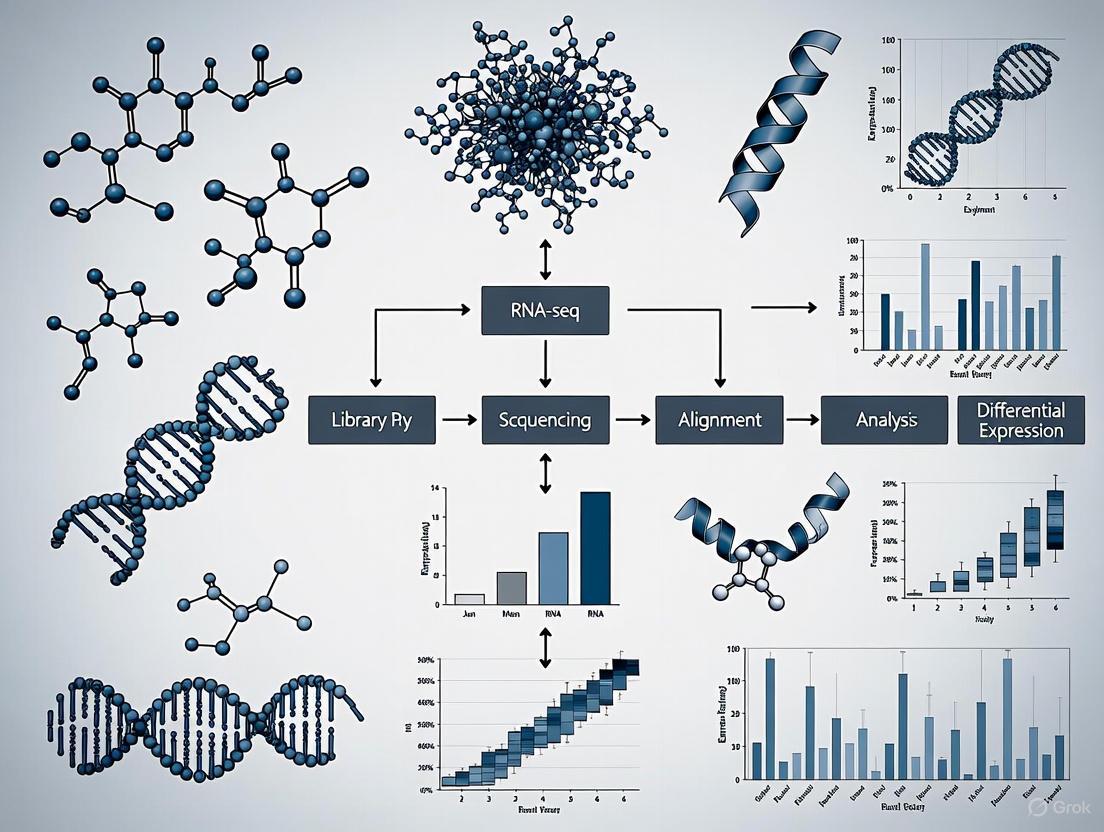
This article provides a complete resource for researchers and bioinformaticians grappling with the challenge of multi-mapped reads in RNA-seq data.
Resolving the Multi-Mapper Dilemma: A Comprehensive Guide to Accurate RNA-Seq Analysis
Abstract
This article provides a complete resource for researchers and bioinformaticians grappling with the challenge of multi-mapped reads in RNA-seq data. It explores the genomic origins of sequence ambiguity, from duplicated genes and transposable elements to alternative splicing. The guide evaluates computational strategies for read assignment, including expectation-maximization algorithms, read weighting, and tools like mmquant and MMR. It offers practical solutions for troubleshooting high multi-mapper rates and validates methodologies through comparative analysis of differential expression results. By synthesizing foundational knowledge with actionable protocols, this article empowers professionals in drug development and biomedical research to enhance the accuracy and functional relevance of their transcriptomic studies.
The Genesis of Ambiguity: Understanding Why Reads Multi-Map
Frequently Asked Questions (FAQs)
Q1: What are the main genomic mechanisms that create duplicated genes and why do they pose a challenge in RNA-seq analysis?
Duplicated genes are primarily created through three mechanisms: Whole Genome Duplication (WGD), recombination (including tandem duplications), and retrotransposition [1] [2]. In RNA-seq analysis, these duplicated sequences are a major source of "multi-mapped reads"—reads that align equally well to multiple locations in the genome [2]. This ambiguity complicates accurate gene and transcript quantification, as it is difficult to determine the true origin of the read, potentially leading to misinterpretation of gene expression levels [2].
Q2: How do I troubleshoot high levels of multi-mapped reads in my RNA-seq data?
High levels of multi-mapped reads often indicate a high proportion of duplicated sequences in your sample. Consider the following troubleshooting steps:
- Verify the Source: First, determine if the multi-mapping is expected. Certain RNA biotypes, such as ribosomal RNA (rRNA), small nuclear RNA (snRNA), small nucleolar RNA (snoRNA), and pseudogenes, naturally have high sequence similarity and are common sources of multi-mapped reads [2].
- Check RNA Integrity: For polyA-selected libraries, ensure your RNA has high biological integrity (e.g., RIN > 8 or RQN > 7). Degraded RNA can lead to a loss of unique sequence information from the 5' end of transcripts, increasing multi-mapping [3].
- Review Library Preparation Method: If studying non-polyadenylated RNAs (e.g., many non-coding RNAs) or working with bacterial transcripts, ensure you used ribosomal RNA depletion instead of poly-A selection. Using the wrong method can leave behind highly abundant, repetitive rRNAs [4] [3].
- Employ Computational Strategies: Use bioinformatic tools that can probabilistically resolve multi-mapped reads rather than discarding them. These tools use expectation-maximization algorithms to distribute reads among their potential origins based on the abundance of uniquely mapped reads [2].
Q3: What is the functional difference between paralogs, ohnologs, and processed pseudogenes?
These terms describe different types of duplicated genes with distinct origins and fates:
- Paralogs: A general term for genes related by a duplication event, as opposed to a speciation event [1].
- Ohnologs: A specific type of paralog created by Whole Genome Duplication (WGD) events [1].
- Processed Pseudogenes: These are genomic copies of mRNAs created by retrotransposition. They lack introns and regulatory sequences of their parent gene, and most acquire mutations that prevent them from being expressed, eventually becoming pseudogenes [2].
The table below summarizes the key characteristics of the primary duplication mechanisms.
Table 1: Characteristics of Genomic Duplication Mechanisms
| Mechanism | Description | Common Read Mapping Issue | Typical Fate of Duplicated Copies |
|---|---|---|---|
| Whole Genome Duplication (WGD) | Duplication of all chromosomes, often via polyploidization [1]. | Reads map to large, retained homologous regions across chromosomes [1]. | Widespread gene loss (fractionation) and chromosomal rearrangements (diploidization) occur; retained genes are often ohnologs [1]. |
| Recombination (Tandem Duplication) | Unequal crossing over between chromosomes or sister chromatids creates tandemly arrayed genes (TAGs) [1] [2]. | Reads cannot be distinguished between adjacent, nearly identical gene copies [2]. | Duplicates can be maintained, evolve new functions (neofunctionalization), or become pseudogenes [1] [2]. |
| Retrotransposition | mRNA is reverse-transcribed and inserted back into the genome, creating intron-less copies [2]. | High exon-level sequence identity between the functional gene and its processed pseudogene(s) [2]. | Most become unexpressed processed pseudogenes due to a lack of regulatory elements [2]. |
Q4: When should I use Unique Molecular Identifiers (UMIs) in my RNA-seq experiment, and how do they help?
UMIs are short, random barcodes added to each original cDNA molecule during library preparation. We recommend using UMIs in two key scenarios:
- For deep sequencing projects (>50 million reads per sample) [4].
- For experiments with low-input RNA for library preparation [4].
UMIs help correct two types of bias introduced by PCR amplification:
- Amplification Bias: Some molecules are amplified more efficiently than others, distorting the true abundance in the final library.
- PCR Errors: mutations introduced during amplification can be mistaken for true biological variants.
By tagging each original molecule, all PCR copies derived from it will share the same UMI. During analysis, reads with the same UMI and mapping position can be collapsed into a single "unique" molecule, providing a more accurate count of the original transcript abundance and reducing noise [4].
Q5: My variant caller (e.g., Mutect2) is failing on my RNA-seq BAM files with an error "Cannot construct fragment from more than two reads." What is causing this and how can I fix it?
This error occurs when three or more reads in the BAM file share the same name [5]. In RNA-seq data, this is frequently caused by multi-mapping reads, where a single read sequence aligns to multiple genomic locations. The aligner may report these multiple alignments, leading to several reads with identical names, which violates the assumption that a fragment comes from one read-pair [5].
Solution: The most straightforward solution is to use the --independent-mates argument in Mutect2, which instructs the tool to ignore read-pairing during genotyping [5]. However, note that the GATK team recommends this as a temporary fix and advises turning this option off in future versions where the underlying issue is resolved. Alternatively, you can pre-process your BAM file to remove or handle multi-mapping reads before variant calling.
Troubleshooting Guide: Handling Multi-Mapped Reads
Workflow Diagram
The following diagram illustrates a recommended workflow for handling multi-mapped reads in RNA-seq analysis, from experimental design to computational resolution.
Experimental Protocol: RNA-seq for Samples with High Duplication Content
1. Sample Preparation and QC
- RNA Isolation: Use a protocol that retains small RNAs if they are of interest (e.g., a modified Trizol protocol) [3].
- Quality Control: Assess three elements of RNA sample quality [3]:
- Chemical Purity: Use a spectrophotometer (e.g., Nanodrop). Acceptable ratios are 260/230 > 1.5 and 260/280 > 1.8.
- Biological Integrity: Use a Fragment Analyzer, Bioanalyzer, or Tapestation. For polyA selection, an RQN > 7 (or RIN > 8) is recommended. For degraded samples (RQN < 7), use rRNA depletion.
- Total Yield: Use a fluorometric assay (e.g., Qubit) for accurate quantification, especially for low-concentration samples (<20 ng/μL).
2. Library Preparation
- rRNA Removal Method Selection:
- Poly-A Selection: Use for intact eukaryotic mRNA. It provides the cleanest data for protein-coding genes but will miss non-polyadenylated transcripts [4] [3].
- rRNA Depletion: Use for degraded samples, bacterial RNA, or when studying non-coding RNAs. It retains a broader range of transcripts but may be less efficient at rRNA removal [4] [3].
- Strandedness: Opt for stranded library preparation to retain information about the transcript origin, which can help resolve overlaps between genes and their paralogs on opposite strands [3].
- UMI Incorporation: Include Unique Molecular Identifiers (UMIs) to correct for PCR duplication biases, which is particularly valuable in projects with expected high duplication or low input [4].
3. Sequencing and Analysis
- Sequencing Depth: As a general guideline, aim for [4] [3]:
- 20-30 million reads per sample for large eukaryotic genomes (e.g., human, mouse).
- 5-10 million reads per sample for small genomes (e.g., bacteria).
- >100 million reads per sample for de novo transcriptome assembly.
- Bioinformatic Processing:
- Alignment: Use a splice-aware aligner (e.g., STAR).
- Multi-map Resolution: Employ a quantification tool that uses an expectation-maximization (EM) algorithm (e.g., as implemented in Salmon, Cufflinks, or RSEM) to probabilistically distribute multi-mapped reads across their potential loci, rather than discarding them [2].
- UMI Deduplication: If UMIs were used, process reads with tools like
fastporumi-toolsto extract UMIs and collapse PCR duplicates before quantification [4].
The Scientist's Toolkit: Essential Reagents and Materials
Table 2: Key Research Reagents and Computational Tools
| Item / Tool | Function / Purpose |
|---|---|
| rRNA Depletion Kits | Kits (e.g., from NEB) use probes to bind and enzymatically degrade ribosomal RNA, crucial for sequencing non-polyA transcripts or samples from bacteria, plants, or degraded sources [3]. |
| Poly-dT Magnetic Beads | Used in polyA selection to enrich for eukaryotic messenger RNA by hybridizing to the polyA tail, effectively removing rRNA and other non-mRNA [3]. |
| ERCC Spike-In Mix | A set of 92 synthetic RNA transcripts of known concentration. Added to samples before library prep to monitor technical variation, assay sensitivity, and dynamic range of the RNA-seq experiment [4]. |
| Unique Molecular Identifiers (UMIs) | Short random nucleotide barcodes added to each cDNA molecule to label it uniquely, allowing bioinformatic correction of PCR amplification bias and errors during data analysis [4]. |
| Probabilistic Quantification Tools | Software (e.g., Salmon, RSEM) that uses statistical models to resolve multi-mapped reads, thereby improving the accuracy of gene and transcript abundance estimates [2]. |
| Splice-Aware Aligner (STAR) | A common tool for aligning RNA-seq reads to a reference genome, capable of handling reads that span intron-exon junctions [5]. |
Impact of Transposable Elements and Repetitive Sequences on Read Mapping
FAQs: Addressing Common Challenges in RNA-seq Analysis
What are multi-mapped reads and why are they problematic?
Answer: Multi-mapped reads are sequencing reads that align equally well to multiple locations in a reference genome. They are problematic because they create ambiguity in determining the true origin of the read, leading to potential inaccuracies in gene and transposable element (TE) quantification [6]. This issue is particularly pronounced for repetitive sequences like TEs, which constitute roughly half of the human genome [7] [8]. When analysis pipelines discard these reads, crucial biological information can be lost [7].
Why are transposable elements (TEs) so difficult to map in RNA-seq data?
Answer: TEs pose several distinct challenges for read mapping:
- High Repetitivity: The human genome contains around five million individual TEs [7]. Many of these, especially evolutionarily "young" elements, have very similar or identical sequences, making it impossible to uniquely assign a short read to a single genomic locus [7] [9].
- Poor Annotation: TEs have complex and often fragmented annotations with conflicting nomenclature, which can lead to misleading results [7].
- Non-Reference Elements: Active TEs can create new insertions that are not present in the reference genome. Reads from these polymorphic loci will be misassigned, often to older, reference TEs [9].
What is the difference between multi-mapping and unique mapping strategies?
Answer: These are two common strategies for handling reads in repetitive regions:
- Multi-mapping: This approach gives an overview of the total abundance of an entire TE family or subfamily by counting reads that map to any member. It is useful for getting a general picture but loses precise positional information [7].
- Unique Mapping: This strategy only uses reads that map non-ambiguously to a single genomic location. It provides accurate positional information, which is crucial for understanding the role of specific TEs as enhancers or alternative promoters, but can be biased against younger, less polymorphic TEs [7].
How can I improve the accuracy of TE expression quantification?
Answer: Advanced computational pipelines have been developed to handle multi-mapping reads more intelligently than simple random assignment. These tools often use expectation-maximization (EM) algorithms to iteratively reassign multi-mapped reads to the most probable locus of origin based on all available mapping evidence [9] [10]. For the highest accuracy, consider integrating long-read sequencing data, as the longer read length dramatically increases the chance of spanning unique sequences, thereby resolving ambiguities [10].
Troubleshooting Guides
Issue: Low or Inconsistent Quantification of Young Transposable Elements
Problem: Your analysis is failing to properly quantify evolutionarily young TEs (e.g., human-specific L1HS elements).
Explanation: Young TEs have had less time to accumulate mutations (single nucleotide polymorphisms or indels). This high degree of sequence similarity between copies means that short reads derived from them are far more likely to be multi-mappers and discarded by simple analysis pipelines [9].
Solution:
- Use TE-specific tools: Replace standard gene quantification tools with those designed for TEs, such as Telescope, TEtools, or SalmonTE, which implement EM algorithms to resolve multi-mapped reads [9] [10].
- Incorporate long-read data: If possible, use a hybrid approach. Methods like LocusMasterTE integrate long-read RNA-seq data to guide the reassignment of multi-mapped reads in short-read data, significantly improving locus-specific quantification, especially for young TEs [10].
- Add non-reference insertions: Use long-read DNA sequencing (e.g., Nanopore) and tools like TLDR to identify polymorphic TE insertions not in the reference genome. Create a sample-specific "TE-complete" genome to which RNA-seq reads can be accurately mapped [9].
Experimental Protocol: Resolving Young TE Expression with LocusMasterTE
- Principle: This protocol uses fractional transcript counts from long-read sequencing to inform an expectation-maximization model, improving the reassignment of multi-mapped short reads [10].
- Inputs:
- Short-read RNA-seq data (BAM format).
- Long-read RNA-seq data from a matched cell or tissue type.
- A GTF annotation file containing coordinates of individual TE copies.
- Method:
- Alignment and Annotation: Align both short and long reads to the reference genome. Annotate all reads with their overlapping genomic features, including TEs.
- Categorize Reads: Separate short reads into uniquely mapped and multi-mapped categories.
- Initialization: Calculate initial transcript proportions (θ) and multi-map reassignment priors (π) from the short-read data.
- Long-read informed EM: Integrate Transcripts Per Million (TPM) values from the long-read data as a prior in the maximum a posteriori (MAP) estimation during the EM algorithm's M-step. This guides the reassignment of multi-mapped short reads towards loci supported by long-read evidence.
- Iterate: Repeat the E- and M-steps until model parameters converge.
- Final Quantification: Output a final, updated alignment file with resolved read counts for each individual TE locus.
The following workflow diagram illustrates the LocusMasterTE process:
Issue: High Multi-Mapping Rates in Standard RNA-seq Analysis
Problem: A large proportion of your RNA-seq reads are multi-mapping, leading to poor gene and TE quantification.
Explanation: This is a common issue when analyzing samples with high TE activity or when using a reference genome that does not adequately represent the repetitive content of your sample [11]. Standard aligners assign a mapping quality of zero to these reads, and they are often ignored.
Solution:
- Use longer sequencing reads: If starting a new experiment, consider using 150 bp paired-end reads instead of shorter ones. The longer the read, the higher the probability it will include a unique sequence that allows for unambiguous mapping [7].
- Choose an appropriate reference genome: Ensure you are using the most complete reference genome available (e.g., T2T-CHM13), as older references have gaps and collapsed repeats that exacerbate multi-mapping problems [11].
- Employ a multi-mapping aware pipeline: Adopt a pipeline like TE-Seq, which is specifically designed to handle these challenges. It combines strategies for dealing with multi-mapping reads, annotating genic context, and incorporating non-reference TEs [9].
Experimental Protocol: Comprehensive TE Analysis with the TE-Seq Pipeline
- Principle: The TE-Seq pipeline provides an end-to-end solution for RNA-seq data that examines both genes and TEs, addressing multi-mapping, non-reference elements, and genic context [9].
- Inputs: RNA-seq data (short-read or long-read), and optional long-read DNA-seq data.
- Method:
- Identify Non-Reference TEs (Optional but Recommended):
- Perform long-read DNA sequencing on your sample.
- Use the TLDR tool to call non-reference TE insertions.
- Apply quality filters to generate a high-confidence set of sample-specific TE insertions.
- Create a Custom Genome:
- Inject the quality-filtered non-reference TE insertions into a baseline reference genome (e.g., T2T) to create a personalized, "TE-complete" genome for your sample.
- RNA-seq Alignment and Quantification:
- Map your RNA-seq reads (both short and long) to the custom genome.
- Use a tool like Telescope (which uses an EM algorithm) to quantify TE expression at the locus-specific level, leveraging the improved mappability of the custom genome.
- Annotate Genic Context:
- Categorize each TE based on its spatial relationship to known genes (e.g., intergenic, intronic, exonic). This helps distinguish autonomous TE transcription from passive read-through from gene promoters.
- Identify Non-Reference TEs (Optional but Recommended):
The following workflow diagram illustrates the TE-Seq process:
Data Presentation: Comparison of Mapping and Analytical Strategies
The table below summarizes key quantitative data and characteristics of different approaches to handling repetitive sequences.
Table 1: Comparison of Strategies for Analyzing Repetitive Elements
| Strategy / Tool | Core Methodology | Advantages | Limitations / Challenges |
|---|---|---|---|
| Standard Unique Mapping | Discards all multi-mapped reads. | Simple; provides unambiguous positional information [7]. | Strongly biased against young TEs and other repetitive sequences; can miss up to 30% of transcriptional activity [7] [9]. |
| Multi-Mapping (Family-Level) | Pools reads mapping to any member of a TE family. | Provides an overview of total family activity; useful for shallow sequencing data (e.g., scRNA-seq) [7]. | Loses all locus-specific information [7]. |
| EM-Based Algorithms (e.g., Telescope, TEtools) | Uses an expectation-maximization algorithm to probabilistically assign multi-mapped reads to a most likely locus. | Enables locus-specific quantification; more accurate than random assignment [9] [10]. | Can fail for highly identical young TEs (~6% of cases) where information is insufficient [10]. |
| Long-Read Sequencing (e.g., ONT, PacBio) | Sequences fragments that are thousands of base pairs long. | Dramatically reduces multi-mapping; allows for direct sequencing of full-length TE transcripts [7] [10]. | Higher cost per base; lower throughput can miss lowly expressed TEs; requires specialized data analysis [7]. |
| Hybrid Methods (e.g., LocusMasterTE) | Integrates long-read data as a prior to guide EM reassignment of short-reads. | Maximizes accuracy by combining the depth of short-reads with the mappability of long-reads [10]. | Requires matched long-read data for optimal performance. |
Table 2: Key Research Reagent Solutions for TE Studies
| Reagent / Resource | Type | Function in Research |
|---|---|---|
| T2T (Telomere-to-Telomere) Genome | Reference Genome | A more complete human reference genome that closes gaps and better represents repetitive regions, reducing mapping ambiguity [9] [11]. |
| Dfam | Curated Database | A community resource of transposable element families, sequence models, and genome annotations, used for accurate TE annotation [7]. |
| TLDR | Software Tool | Used with long-read DNA sequencing data to call non-reference, polymorphic TE insertions in a specific sample [9]. |
| BRB-seq | Library Prep Technology | An ultra-affordable, high-throughput 3' RNA-seq method that allows for massive multiplexing, useful for large-scale expression screening [12]. |
| Nexco TEnex Database | Curated Database | A highly accurate, curated database containing comprehensive TE annotations, genomic locations, and sequences, used in over 30 high-impact publications [7]. |
FAQ: What is the link between alternative splicing and multi-mapped reads in RNA-seq?
Alternative splicing (AS) is a post-transcriptional regulatory mechanism that allows a single gene to produce multiple distinct mRNA transcripts, or isoforms, by selectively combining exons and introns [13]. This process is a major contributor to transcriptomic and proteomic diversity. When these different isoforms from the same gene share identical exonic sequences, they create repeated sequences within the transcriptome. During RNA-seq analysis, short sequencing reads derived from these shared exons can align equally well to multiple genomic locations corresponding to all the isoforms that contain that exon. These are known as multi-mapped reads or multireads [2]. This ambiguity poses a significant challenge for accurately quantifying the expression of individual transcripts.
FAQ: How prevalent is alternative splicing?
Alternative splicing is widespread in eukaryotes, though its prevalence varies across taxonomic groups [13]. The following table summarizes key quantitative findings from various studies:
Table 1: Prevalence of Alternative Splicing Across Species
| Species/Group | Proportion of Genes with AS | Key Findings and Context |
|---|---|---|
| Arabidopsis thaliana (Plants) | ~61% of multiexonic genes [14] | Found under normal growth conditions using a normalized cDNA library and RNA-seq. |
| Human (Mammals) | Up to ~95% of multiexon protein-coding genes [15] | Contributes to ~37% of protein-coding genes producing more than one protein variant. |
| Mammals & Birds | Highest levels of AS [13] | Considerable interspecies divergence in splicing activity is observed. |
| Plants | Moderate levels of AS [13] | Exhibit high variability in genomic composition; often compensate for lower AS rates through gene duplication. |
| Unicellular Eukaryotes & Prokaryotes | Minimal splicing [13] | Suggests AS is an advanced regulatory feature associated with multicellularity. |
Troubleshooting Guide: Addressing Multi-Mapped Reads
FAQ: A large proportion of my RNA-seq reads are multi-mapped. What should I do?
A high percentage of multi-mapped reads is a common challenge. The following workflow diagram outlines a systematic approach to diagnose and address this issue.
Step 1: Check Data Quality. Begin by examining raw read quality and the presence of over-represented sequences, which could indicate contamination (e.g., from rRNA). As one support case highlighted, a sequence present in 6.8% of reads was linked to rRNA, contributing significantly to multi-mapping [16]. Tools like FastQC and SortMeRNA can be used for this analysis [16].
Step 2: Identify Contamination. If a specific type of contamination is suspected, such as rRNA, you can filter these reads before realignment. Alternatively, after mapping, you can exclude reads that align to regions annotated as rRNA genes during the read counting step [16].
Step 3: Verify Reference and Annotation. Ensure you are using a high-quality, recent genome assembly and a comprehensive gene annotation file (GTF/GFF). Providing a gene annotation file to aligners like STAR or HISAT2 can significantly improve the accuracy of spliced alignment.
Step 4: Select a Quantification Strategy. The choice of how to handle the remaining multi-mapped reads is critical. Several computational strategies exist [2]:
- Ignore them: Discard multi-mapped reads. This is simple but loses information.
- Distribute them proportionally: Use tools that employ an expectation-maximization (EM) algorithm to probabilistically allocate multi-mapped reads to their most likely locus of origin, based on the abundance of uniquely mapped reads.
- Quantify at the gene-group level: For genes with high sequence similarity (e.g., paralogs), it may be more accurate to report expression for the entire gene family rather than for individual members.
The challenge of multi-mapped reads stems from both genomic and transcriptomic sequence duplication. The diagram below categorizes the main sources.
Table 2: Detailed Sources of Sequence Duplication
| Source | Mechanism | Affected Biotypes / Context |
|---|---|---|
| Paralogous Genes | Duplication of whole genes through unequal recombination or whole-genome duplication [2]. | Affects genes of any biotype, creating families of genes with high sequence similarity over their entire length. |
| Transposable Elements | "Copy and paste" mechanisms, particularly of retrotransposons, insert repetitive sequences throughout the genome [2]. | Mostly affects longer genes (e.g., protein-coding, lncRNA). These elements can be embedded within introns or exons. |
| Processed Pseudogenes | Cellular mRNAs are reverse-transcribed and reinserted into the genome, creating intron-less copies [2]. | These pseudogenes share high exon sequence identity with their parental protein-coding genes. |
| Alternative Splicing | A single gene produces multiple transcript isoforms that share common exons [2]. | Creates sequence duplication within the transcriptome, even if the genome sequence is unique. This is a pivotal source of multi-mapping for complex genes. |
Experimental Protocols & Reagents
Detailed Methodology: High-Throughput Sequencing of a Normalized cDNA Library for AS Discovery
This protocol is adapted from a key study that investigated transcriptome complexity in Arabidopsis thaliana [14].
Objective: To achieve a high-coverage transcriptome map and comprehensively identify alternative splicing events, including those from low-abundance transcripts.
Workflow:
Key Steps:
- RNA Isolation & Library Construction: Isolate total RNA from tissues of interest (e.g., seedlings and flowers). Construct a normalized cDNA library. Normalization is a critical step that reduces the abundance of highly expressed transcripts, thereby significantly improving the discovery power for rare transcripts [14].
- High-Throughput Sequencing: Subject the normalized library to paired-end sequencing (e.g., 75bp paired-end reads on the Illumina platform).
- Bioinformatic Analysis:
- Read Alignment: Map reads to the reference genome using a splice-aware aligner such as TopHat (which uses Bowtie) or STAR [14].
- Splice Junction (SJ) Detection: Use the aligner to identify canonical and non-canonical splice junctions. Apply stringent filters (e.g., minimum intron size of 60nt for plants) to reduce false positives [14].
- AS Quantification: Use tools like Whippet [15] to calculate metrics such as Percent Spliced-In (Ψ) and splicing entropy to quantify AS inclusion and complexity.
- Experimental Validation: Validate computational predictions using independent experimental methods such as high-resolution RT-PCR followed by Sanger sequencing of the amplified products [14].
The Scientist's Toolkit: Essential Research Reagents and Solutions
Table 3: Key Reagents and Tools for Investigating AS and Multi-Mapped Reads
| Item / Reagent | Function / Explanation | Example Tools / Protocols |
|---|---|---|
| Normalized cDNA Library | Reduces the abundance of highly expressed transcripts, allowing for greater coverage and discovery of lowly expressed and alternatively spliced transcripts [14]. | Protocol in [14] |
| Splice-Aware Aligners | Software designed to map RNA-seq reads across splice junctions, which are not contiguous in the genome. | STAR [16], HISAT2 [16], TopHat [14] |
| Quantification Tools with EM | Tools that use statistical models to handle multi-mapped reads, probabilistically assigning them to likely transcripts. | Tools mentioned in [2] (e.g., RSEM) |
| Splicing Complexity Metrics | Metrics that go beyond simple exon inclusion/ exclusion to capture the diversity of transcripts produced by a single exon/gene. | Splicing Entropy (Shannon's entropy) [15], Alternative Splicing Ratio (ASR) [13] |
| High-Resolution RT-PCR | An independent, non-high-throughput method used to validate computationally predicted alternative splicing events. | Protocol in [14] |
In RNA sequencing (RNA-seq) analysis, a significant challenge is the accurate quantification of transcripts that originate from genomic regions with high sequence similarity. This guide addresses the specific issues related to multi-mapped reads—sequencing reads that align equally well to multiple locations in the genome—and their impact on the analysis of specific RNA biotypes, including ribosomal RNA (rRNA), pseudogenes, and various non-coding RNA families. Understanding and properly handling these reads is critical for avoiding biases in the functional interpretation of your data [17].
Frequently Asked Questions (FAQs)
1. What are multi-mapped reads and why do they cause problems? Multi-mapped reads arise because eukaryotic genomes contain large numbers of duplicated sequences. When short RNA-seq reads are generated from these regions, it becomes computationally difficult to unambiguously assign them to a single locus of origin. Standard analysis pipelines that ignore these reads can lead to a severe underestimation of expression for genes with highly similar paralogs or those embedded in repetitive elements [2] [17].
2. Which RNA biotypes are most affected by multi-mapping issues? RNA biotypes that are short, exist in large gene families, or are derived from repetitive elements are disproportionately affected. The table below summarizes the most vulnerable biotypes and the reasons for their susceptibility [2].
Table 1: RNA Biotypes Highly Affected by Multi-Mapped Reads
| RNA Biotype | Description | Reason for High Multi-Mapping |
|---|---|---|
| Ribosomal RNA (rRNA) | Structural RNAs that are key components of the ribosome. | Presence of hundreds to thousands of nearly identical genomic copies [2]. |
| Pseudogenes | Non-functional copies of protein-coding genes. | High sequence similarity to their parental protein-coding genes and other pseudogenes [2] [18]. |
| Small Nuclear RNA (snRNA) | Involved in pre-mRNA splicing. | Propagated through retrotransposition, leading to families of similar copies [2]. |
| Small Nucleolar RNA (snoRNA) | Guides modifications of rRNAs and other RNAs. | Often encoded in large, repetitive gene families spread throughout the genome [2]. |
| MicroRNA (miRNA) | Short RNAs that regulate gene expression post-transcriptionally. | Many family members have high sequence similarity due to duplication and retrotransposition [2]. |
| Transposable Elements (TEs) | Mobile genetic elements. | Recent activity can create many highly similar genomic copies [17]. |
| Gene Families (e.g., Histones, Olfactory receptors, MHC genes) | Families of genes with related functions. | Individual members within a family can share very high sequence identity [2] [17]. |
3. What are the consequences of simply discarding multi-mapped reads? Discarding multi-mapped reads is the default in many standard pipelines, but this practice introduces systematic biases. It leads to the underrepresentation of recently active transposable elements and repetitive gene families in your data. For example, expression of genes in the Major Histocompatibility Complex (MHC) or histone families can be severely underestimated, skewing functional enrichment analyses and biological interpretations [17].
4. What strategies exist to handle multi-mapped reads? Several computational strategies have been developed to account for multi-mapped reads more effectively than simply discarding them. The choice of strategy can significantly impact your results [2] [19].
Table 2: Common Computational Strategies for Handling Multi-Mapped Reads
| Strategy | Method | Advantages / Disadvantages |
|---|---|---|
| Ignore/Discard | Filter out all reads that do not map uniquely. | Simple; default for many pipelines. Severely biases against affected biotypes. |
| Proportional Assignment | Distribute reads among potential loci based on the abundance of unique reads for those loci. | More accurate for some biotypes. Assumes unique and multi-mapped reads have similar distributions, which may not be true [17]. |
| Equal Splitting | Split a multi-mapped read equally among all its possible loci of origin. | A simple acknowledging approach. May over- or under-estimate true expression. |
| Expectation-Maximization (EM) | Use statistical models to iteratively estimate the most probable transcript abundances and resolve read origins. | Can be highly accurate. Computationally intensive; results depend on model assumptions [2]. |
| Rescuing & Clustering | Group genes/transcripts with shared sequences or use flanking unique regions to rescue multi-mapped reads. | Can improve accuracy for complex gene families. Implementation can be complex [19]. |
Troubleshooting Guides
Issue: Suspected Bias from Repetitive RNA Biotypes
Problem: Your differential expression analysis shows unexpected results, and you suspect that genes from repetitive families (e.g., histones, rRNA, MHC) are being inaccurately quantified due to multi-mapped reads.
Solution:
- Re-analyze with a multi-mapper-aware pipeline: Reprocess your raw sequencing data using a tool that implements one of the strategies in Table 2 (e.g., EM or proportional assignment). Many modern alignment and quantification tools have built-in options for handling multi-mappers.
- Compare results: Perform a differential expression analysis on the new counts and compare the list of significant genes with your original analysis. Pay special attention to the expression levels of the affected biotypes.
- Validate findings: Use an alternative method (e.g., qPCR) to confirm the expression levels of key genes from repetitive families that show differential expression in the new analysis.
Issue: High rRNA Contamination Despite Ribodepletion
Problem: Your RNA-seq data shows a high and unbalanced percentage of reads mapping to rRNA between sample groups, even after a ribodepletion protocol.
Solution:
- Remove rRNA reads computationally: Align your raw FASTQ reads to a reference database of rRNA sequences (e.g., using Bowtie2) and discard all reads that align. This prevents these reads from being misassigned to protein-coding genes during genome mapping [20].
- Proceed with standard analysis: Use the filtered reads for your downstream alignment and quantification. There is typically no need to include the initial rRNA percentage as a covariate in your model, as this variation can be considered part of the technical or biological variance [20].
- Check sequencing depth: After rRNA removal, ensure that all samples still have sufficient sequencing depth for reliable quantification.
Essential Experimental Protocols
Protocol 1: In-silico Removal of Ribosomal RNA Reads
Purpose: To computationally remove reads derived from ribosomal RNA before genome alignment, preventing their misassignment and improving the accuracy of transcript quantification.
Methodology:
- Obtain rRNA Sequences: Download a comprehensive set of rRNA sequences for your organism from databases like SILVA or RDP.
- Build an rRNA Index: Use a read aligner like Bowtie2 to build a dedicated index from these rRNA sequences.
- Align and Filter: Align your raw sequencing reads (in FASTQ format) to the rRNA index. Discard all reads that successfully align.
- Retain Non-rRNA Reads: The reads that did not align to rRNA are your purified dataset. Use these reads for all subsequent alignment and quantification steps against the reference genome/transcriptome [20].
Protocol 2: A Recommended RNA-seq Analysis Workflow Accounting for Multi-Mappers
Purpose: To outline a robust RNA-seq data analysis workflow that incorporates best practices for handling multi-mapped reads from start to finish.
Methodology:
- Quality Control & Trimming: Assess raw read quality with FastQC and trim adapters/low-quality bases with tools like Cutadapt or Trimmomatic.
- rRNA Removal (Optional but Recommended): Perform in-silico rRNA removal as described in Protocol 1.
- Alignment to Genome: Align reads to the reference genome using a splice-aware aligner (e.g., STAR).
- Quantification with Multi-Mapper Handling: Generate transcript or gene-level counts using a tool that can model multi-mapped reads, such as:
- Salmon or kallisto (pseudoalignment-based tools that use EM algorithms to probabilistically assign reads).
- featureCounts (can be run with options to count multi-mapping reads proportionally).
- Avoid tools that discard multi-mappers by default unless you have confirmed they do not impact your genes of interest [2] [17].
- Differential Expression & Interpretation: Perform differential expression analysis with tools like DESeq2 or edgeR, using the count data generated in the previous step.
Workflow and Relationship Diagrams
Diagram 1: Robust RNA-seq analysis workflow. Key steps for handling problematic biotypes are highlighted in green.
Diagram 2: Common strategies for handling a single multi-mapped read.
The Scientist's Toolkit
Table 3: Key Research Reagent Solutions for RNA-seq Analysis
| Item / Resource | Function | Example Tools / Databases |
|---|---|---|
| Splice-aware Aligner | Aligns RNA-seq reads to a reference genome, accounting for introns. | STAR, HISAT2 |
| Quantification Tool with Multi-Mapper Support | Estimates gene/transcript abundance using strategies that account for multi-mapped reads. | Salmon, kallisto, featureCounts (with appropriate parameters) |
| rRNA Sequence Database | Provides a reference set for computationally removing rRNA contaminants. | SILVA, RDP |
| Functional Annotation Database | Helps interpret the biological meaning of differential expression results. | Gene Ontology (GO), Reactome, DAVID |
| Integrated Analysis Platforms | User-friendly, cloud-based platforms that often bundle multiple analysis steps. | Illumina DRAGEN/BaseSpace, Galaxy, Partek Flow [21] [22] |
A significant challenge in RNA-Seq data analysis is the handling of sequencing reads that align equally well to multiple locations in the reference genome, known as multi-mapped (or multimapping) reads. These reads arise from the presence of duplicated genomic sequences and present substantial difficulties for accurate transcript quantification. In eukaryotic genomes, large numbers of duplicated sequences result from diverse mechanisms including recombination, whole genome duplication, and retro-transposition [2]. The proportion of multi-mapped reads is not trivial; depending on the organism, sample, and experimental protocol, typically 5-40% of total reads mapped may be multi-mapped [2]. This substantial subset of reads, if not handled properly, can introduce significant biases in downstream analysis and functional interpretation [17].
The challenge is further compounded by the fact that different RNA biotypes exhibit varying levels of sequence duplication. RNA biotypes such as rRNA, pseudogene, snRNA, snoRNA, and miRNA show the largest proportion of members with sequence similarity to other genes [2]. Long-noncoding RNAs and messenger RNAs generally share less sequence similarity to other genes than biotypes encoding shorter RNAs [2]. Understanding these patterns is crucial for accurate interpretation of RNA-Seq data, particularly for studies focusing on these specific RNA classes.
Quantifying the Problem: Typical Proportions of Multi-Mapped Reads
Expected Proportions Across Experimental Conditions
The proportion of multi-mapped reads varies substantially based on experimental parameters, with typical ranges observable under different conditions:
Table 1: Typical Proportions of Multi-Mapped Reads in RNA-Seq Experiments
| Experimental Condition | Typical Multi-Mapping Proportion | Primary Contributing Factors |
|---|---|---|
| Standard human RNA-Seq (STAR) | 5-15% [23] | Duplicated gene families, pseudogenes |
| Ribodepleted, paired-end (STAR) | ~8% [23] | Effective rRNA reduction |
| Total RNA-Seq with rRNA contamination | 30-40% [24] | High rRNA content, multi-copy genes |
| Studies of repetitive elements | 20-30% (Bowtie2) [23] | Transposable elements, tandem repeats |
These proportions are influenced by multiple factors, with ribosomal RNA content being a major determinant. Incomplete rRNA depletion can dramatically increase multi-mapping rates, as rRNA genes are present in multiple copies throughout the genome [24]. One researcher reported that after investigating overrepresented sequences in their data, "most of them came from rRNA," indicating that incomplete depletion of rRNA was a significant contributor to their observed 30-40% multi-mapping rate [24].
The choice of alignment software also significantly affects reported multi-mapping rates. STAR (Spliced Transcripts Alignment to a Reference) and Bowtie2 may report different percentages for the same dataset, with Bowtie2 typically reporting higher multi-mapping rates [23]. This discrepancy arises from fundamental algorithmic differences: STAR is splice-aware, while Bowtie2 is not, leading to different mapping capabilities for spliced reads [23].
Impact on Gene Expression Analysis
The systematic exclusion of multi-mapped reads introduces substantial biases in functional assessment of NGS data. Genomic elements belonging to clusters of highly similar members are consistently underrepresented when multi-mapped reads are discarded [17]. This practice particularly affects:
- Recently active transposable elements such as AluYa5, L1HS, and SVAs in epigenetic studies [17]
- Repetitive gene families including major histocompatibility complex (MHC) class I and II genes [17]
- Ubiquitin B family genes, where up to 97% of reads may be multi-mapped [17]
This underrepresentation has profound implications for biological interpretation. Studies have shown that disregarding multimappers leads to the underrepresentation of recently active transposable elements and repetitive gene families in functional enrichment analyses [17]. Consequently, the reliability of genomic and transcriptomic studies is compromised when standard pipelines that filter out multi-mapped reads are employed.
Biological Origins of Multi-Mapped Reads
Multiple molecular mechanisms contribute to the sequence duplication that gives rise to multi-mapped reads:
Recombination and Whole Genome Duplication: Unequal crossing-over during recombination can lead to tandem gene duplication, while ectopic recombination between non-homologous loci can result in sequence duplication [2]. Whole genome duplication events, evidenced in diverse lineages including yeast, chordates, and plants, also contribute significantly to sequence redundancy [2].
Transposable Elements: Approximately half to two-thirds of the human genome consists of transposons, which propagate via "cut and paste" or "copy and paste" mechanisms [2]. Retrotransposition machinery can use cellular RNAs as substrates, reverse transcribing and inserting them into the genome, leading to new copies of existing genes [2].
Processed Pseudogenes: Genes resulting from the retrotransposition of messenger RNAs are referred to as processed pseudogenes, which lack the introns of their parental copy but share exonic sequence identity [2].
Noncoding RNA Propagation: Many noncoding RNA families including small nucleolar RNAs (snoRNAs), small nuclear RNAs (snRNAs), and miRNAs derive many of their members through retrotransposition, resulting in significant sequence redundancy [2].
Beyond genomic duplication, transcript-level phenomena also contribute to multi-mapping:
Alternative Splicing: The use of alternative exons and promoters increases transcript diversity, resulting in multiple transcripts from the same gene with overlapping sequences [2]. When RNA-seq reads are aligned to a transcriptome rather than a genome, these overlapping transcripts appear as duplicated sequences in the reference [2].
Gene Families with High Sequence Similarity: Certain gene families naturally exhibit strong sequence conservation among members, including globin genes, homeobox genes, and olfactory receptors [17]. These families present particular challenges for unique read assignment.
Figure 1: Biological Sources and Computational Handling of Multi-Mapped Reads
Troubleshooting Guide: Addressing High Multi-Mapping Rates
Diagnostic Procedures
When encountering unexpectedly high proportions of multi-mapped reads (>30%), researchers should systematically investigate potential causes:
Assess rRNA Contamination
Evaluate Adapter Content
Verify Reference Genome and Annotations
Inspect Read Quality and Length
Mitigation Strategies
Experimental Design Solutions
- Optimize rRNA depletion protocols during library preparation
- Consider poly(A) selection for mRNA enrichment
- Increase read length where possible to reduce mapping ambiguity
Computational Adjustments
Computational Strategies for Multi-Mapped Read Handling
Available Computational Approaches
Several computational strategies have been developed to handle multi-mapped reads, each with distinct advantages and limitations:
Table 2: Computational Strategies for Handling Multi-Mapped Reads
| Strategy | Representative Tools | Methodology | Advantages | Limitations |
|---|---|---|---|---|
| Discard multi-mappers | Default in HTSeq-count, featureCounts [28] | Simply ignores multi-mapped reads | Simple implementation, avoids false positives | Biased against repetitive elements, loss of information [17] |
| Uniform distribution | Basic implementations | Divides multi-mapped reads equally among potential loci | Uses all sequencing data | Can inflate counts for non-expressed paralogs |
| Proportional weighting | Some featureCounts options [28] | Distributes reads based on unique mapping evidence | Uses evidence from unique mappers | Assumes similar coverage distribution |
| Expectation-Maximization (EM) | RSEM, Cufflinks [2] | Iteratively estimates transcript abundances | Statistical rigor, comprehensive model | Computationally intensive, makes distribution assumptions |
| Gene merging | mmquant [28] | Creates merged genes for unresolved ambiguities | Handles true duplicates appropriately | Creates new "genes" not in original annotation |
| Multi-mapper aware quantification | mmquant, specific pipelines [28] | Resolves ambiguities using overlapping bases and intron information | Unbiased handling of duplicates [28] | Requires sorted BAM files, additional computation |
The Scientist's Toolkit: Essential Research Reagents and Software
Table 3: Essential Tools for Multi-Mapper Aware RNA-Seq Analysis
| Tool Name | Type | Primary Function | Key Features for Multi-Mapping |
|---|---|---|---|
| STAR [27] | Aligner | Spliced alignment of RNA-seq reads | Reports multi-mapping counts, configurable maximum loci |
| mmquant [28] | Quantification | Gene-level counting | Creates merged genes for ambiguous reads |
| featureCounts [28] | Quantification | Read assignment to features | Options for handling multi-mapping reads (-M -O) |
| HTSeq-count [28] | Quantification | Read counting with Python | Multiple overlap resolution modes |
| FastQC [24] | Quality Control | Sequencing data quality assessment | Identifies overrepresented sequences |
| CutAdapt [24] | Preprocessing | Adapter trimming | Removes adapter contamination that affects mapping |
| SortMeRNA [24] | Preprocessing | rRNA removal | Identifies ribosomal RNA sequences |
| SAMtools [26] | Utilities | BAM file manipulation | Filters reads by mapping quality flags |
Frequently Asked Questions
Q: What is considered a "typical" percentage of multi-mapped reads in human RNA-Seq? A: For standard human RNA-Seq data aligned with STAR, typical multi-mapping rates range from 5-15% [23]. However, this varies significantly with experimental conditions. Ribodepleted samples may show ~8% multi-mappers, while total RNA samples with inefficient rRNA depletion can exhibit 30-40% multi-mapping rates [24] [23].
Q: Why do different aligners (STAR vs. Bowtie2) report different multi-mapping percentages? A: STAR is splice-aware, meaning it can properly handle reads spanning exon-exon junctions, while Bowtie2 is not designed for spliced alignment [23]. This fundamental difference leads Bowtie2 to report higher multi-mapping rates (20-30%) for the same dataset where STAR might report 5-15% [23]. The choice of aligner should be guided by the specific analytical needs.
Q: How can I determine if high multi-mapping is due to rRNA contamination? A: First, run FastQC to identify overrepresented sequences [24]. Then, extract these sequences and BLAST them against an rRNA database [24]. For higher throughput analysis, extract multi-mapped reads from your BAM file, convert to FASTQ format, and BLAST them against an rRNA database or use specialized tools like SortMeRNA [24].
Q: Should I include multi-mapped reads in differential expression analysis? A: The standard practice has been to discard multi-mapped reads, but this introduces biases against repetitive genomic elements [17]. More sophisticated approaches using expectation-maximization algorithms or gene merging strategies (e.g., mmquant) can provide more accurate quantification [28] [29]. The choice depends on your biological question - if repetitive elements or duplicated gene families are of interest, multi-mapper-aware approaches are essential.
Q: What are the implications of discarding multi-mapped reads for functional interpretation? A: Disregarding multimappers leads to systematic underrepresentation of recently active transposable elements (e.g., AluYa5, L1HS) and repetitive gene families (e.g., MHC classes I and II) in functional assessments [17]. This bias can significantly impact the biological conclusions drawn from enrichment analyses, potentially missing important biological phenomena occurring in repetitive genomic regions.
Q: Are there specific RNA biotypes more affected by multi-mapping issues? A: Yes, RNA biotypes with high sequence similarity include rRNA, pseudogenes, snRNA, snoRNA, and miRNA [2]. These biotypes show the largest proportion of members with sequence similarity to other genes, making them particularly susceptible to multi-mapping and quantification challenges when standard discard approaches are used.
From Theory to Practice: Computational Strategies for Multi-Mapper Resolution
In RNA-seq data analysis, a significant challenge arises from multi-mapped reads—sequence reads that align equally well to multiple locations in a reference genome. This is common in eukaryotic genomes due to duplicated sequences, gene families, and repetitive elements [30]. How these reads are handled can profoundly impact the accuracy of gene and transcript quantification. This guide outlines the three primary computational strategies—Ignoring, Distributing, and Resolving—providing a foundational framework for researchers to navigate their experimental choices.
The table below summarizes the core concepts, typical use cases, and key trade-offs of each primary approach.
| Approach | Core Principle | Typical Use Cases | Key Advantages & Disadvantages |
|---|---|---|---|
| Ignoring | Discards multi-mapped reads from the analysis [30]. | - Analyses requiring high stringency- Genomes with low duplication levels | Advantage: Simple to implement; avoids mis-assignment.Disadvantage: Can lead to a significant loss of data and underestimate expression of duplicated genes. |
| Distributing | Probabilistically assigns multi-mapped reads to their possible loci of origin [30]. | - Standard gene/transcript quantification- Studies of gene families or duplicated regions | Advantage: Utilizes all sequencing data; provides more accurate abundance estimates for multi-mapped regions.Disadvantage: Relies on accurate initial estimation; can be computationally intensive. |
| Resolving | Uses additional information (e.g., sequence-specific biases, paired-end reads, splice patterns) to uniquely place ambiguous reads [30]. | - Precise isoform-level quantification- Complex genomes with high duplication | Advantage: Can improve quantification accuracy by leveraging more data.Disadvantage: Highly complex; success depends on the quality and nature of the additional information. |
Computational Workflow for Handling Multi-Mapped Reads
The following diagram illustrates a generalized experimental and computational workflow for processing RNA-seq data, integrating the three primary approaches to multi-mapped reads.
Detailed Methodologies and Experimental Protocols
Approach 1: Ignoring Multi-Mapped Reads
Experimental Protocol: This is often the default in simpler quantification pipelines. After alignment with tools like STAR or HISAT2, the resulting BAM file is filtered using tools like SAMtools to exclude reads with mapping quality (MAPQ) scores below a specific threshold (e.g., MAPQ < 10). The remaining "uniquely mapped" reads are then used for quantification with tools like featureCounts or HTSeq-count.
Approach 2: Distributing Multi-Mapped Reads
Experimental Protocol: This approach is typically implemented within advanced quantification tools that use an expectation-maximization (EM) algorithm [30]. The protocol involves aligning reads with a sensitive aligner and then directly inputting the entire BAM file (including multi-mapped reads) into quantification tools like Salmon or RSEM. These tools run an iterative process where they:
- E-step: Estimate transcript abundances based on current read assignments.
- M-step: Re-assign multi-mapped reads to transcripts probabilistically, weighted by the current abundance estimates.
- Iterate: Repeat steps 1 and 2 until the abundance estimates converge.
Approach 3: Resolving Multi-Mapped Reads
Experimental Protocol: Resolving reads requires leveraging additional contextual information. A common protocol utilizes paired-end reads and splice-aware alignment. When one read in a pair is uniquely mapped and the other is multi-mapped, the unique read's position can be used to resolve its partner's location. Tools like STAR or Subread incorporate this logic during alignment. The experimental design is critical: using paired-end sequencing with sufficient read length is a prerequisite for this method to be effective.
The Scientist's Toolkit: Research Reagent Solutions
The following table details key computational tools and resources essential for implementing the approaches described above.
| Tool/Resource Name | Primary Function | Brief Description of Role |
|---|---|---|
| STAR | Spliced Transcriptome Alignment | A popular aligner that identifies multi-mapped reads and can use paired-end information to help resolve them [30]. |
| Salmon | Transcript Quantification | Uses a selective alignment strategy and an EM algorithm to probabilistically distribute reads (including multi-mapped ones) across transcripts [30]. |
| RSEM | Transcript Quantification | A widely used tool that employs an EM algorithm for the probabilistic assignment of multi-mapped reads during quantification [30]. |
| featureCounts | Read Quantification | A common tool for counting reads that can be set to either ignore or probabilistically count multi-mapping reads. |
| SAMtools | SAM/BAM File Processing | A suite of utilities for manipulating alignments, including filtering reads by mapping quality to effectively "ignore" multi-mapped reads. |
| Expectation-Maximization (EM) Algorithm | Computational Method | The core statistical engine used by many quantifiers to iteratively resolve read assignment ambiguities [30]. |
Frequently Asked Questions (FAQs)
Q1: Which approach should I use for my RNA-seq experiment? The choice depends on your biological question and genome complexity. For a first-pass analysis or in genomes with low duplication, Ignoring provides simplicity. For most standard analyses, especially in complex genomes, Distributing (using tools like Salmon or RSEM) is recommended as it uses all your data. If you have high-quality paired-end reads and are studying specific gene families, Resolving can offer improved accuracy.
Q2: What are the key considerations for designing my RNA-seq experiment to handle multi-mapped reads effectively? A well-designed experiment is crucial [31]. Key considerations include:
- Library Type: Use paired-end sequencing whenever possible, as the additional information is critical for resolving multi-mapped reads.
- Read Length: Longer reads are more likely to span unique sequences, reducing ambiguity.
- Sequencing Depth: Higher depth provides more data for probabilistic models to converge on accurate estimates.
Q3: My genome has a high number of long non-coding RNAs (lncRNAs). How does this affect my choice? LncRNAs, along with other non-coding biotypes, often have lower sequence similarity to other genes compared to protein-coding mRNAs [30]. This means the Distributing approach is generally well-suited, as the risk of mis-assignment between lncRNAs and other genes may be lower. However, you should always validate findings with independent methods.
Q4: Can I use a combination of these approaches? Yes, hybrid strategies are possible. For example, you might use a stringent Resolving step for reads that can be uniquely placed with high confidence, and then use a Distributing approach for the remaining ambiguous reads. Some advanced computational tools implement such multi-stage strategies.
Expectation-Maximization Algorithms in Pseudo-Alignment Tools
Conceptual Foundations
What is the core function of the Expectation-Maximization algorithm in handling multi-mapped reads?
The Expectation-Maximization (EM) algorithm addresses a fundamental challenge in RNA-seq analysis: the multiple mapping problem, where reads map to several transcripts due to sequence similarity among genes or isoforms [32]. The EM algorithm iteratively estimates transcript abundances by probabilistically assigning multi-mapped reads.
The process begins with an initial estimate of transcript abundances (ρ). In the Expectation (E-step), the algorithm calculates the probability that each read originates from each transcript it aligns to, given the current abundance estimates [33] [32]. In the Maximization (M-step), these probabilities are used as weights to update the abundance estimates [33] [32]. This two-step process repeats until the abundance estimates converge, effectively resolving the ambiguity of multi-mapped reads through statistical inference [30] [6] [32].
How does pseudoalignment differ from traditional alignment, and why is it faster?
Pseudoalignment significantly accelerates RNA-seq analysis by determining transcript compatibility without performing base-by-base alignment [34] [35].
Traditional alignment tools perform computationally intensive base-to-base alignment of each read to a reference genome or transcriptome to determine the exact mapping coordinates [35]. In contrast, pseudoalignment only determines which transcripts a read is compatible with, without specifying exact base-level coordinates [34] [35]. This is achieved using a transcriptome de Bruijn graph (T-DBG) where k-mers from reads are hashed to identify compatible transcripts through set intersections [34].
The speed advantage comes from several factors: pseudoalignment avoids the costly alignment step, uses efficient k-mer hashing with a pre-built index, and skips redundant k-mers that share the same compatibility class [34] [35]. For example, kallisto can quantify 78.6 million RNA-seq reads in approximately 14 minutes on a standard desktop computer, compared to hours required by traditional alignment-based methods [35].
Troubleshooting Guides
Why does my EM algorithm implementation show unstable convergence or increasing likelihood?
EM algorithm instability typically manifests as the log-likelihood decreasing initially but then increasing or fluctuating erratically. Based on implementation experiences, this issue stems from several potential causes:
- Numerical stability problems: The most common cause is issues with floating-point precision when dealing with extremely small probabilities [36]. This occurs when combining numbers of very different scales or when probabilities approach zero.
- Incorrect likelihood or gradient calculations: Errors in implementing the mathematical formulae for likelihood calculations or their derivatives can cause divergent behavior [36].
- Improper initialization: Poor initial parameter values may lead the algorithm toward poor local optima or unstable regions of the parameter space.
A specific implementation issue was observed where variance parameters shrank to zero prematurely. In one case, modifying the exponent in the probability calculation from -0.5 to -0.3 resolved the problem, though this represents a deviation from the theoretical formulation [37].
How can I resolve "variance shrinkage to zero" in my Gaussian Mixture Model implementation?
Variance shrinkage to zero is a known issue in EM implementations for Gaussian Mixture Models, where component variances collapse during iteration, causing the algorithm to converge incorrectly around the mean [37]. Solutions include:
- Implementation verification: Carefully check the covariance matrix update calculations in the M-step, particularly the normalization by probability sums [37].
- Add variance constraints: Implement minimum variance thresholds to prevent collapse.
- Review probability calculations: Verify the correctness of the probability density function implementation, especially the exponent term and normalization factors [37].
- Initialization diversity: Ensure initial parameters provide sufficient diversity across components.
Performance and Validation
How do pseudoalignment tools with EM algorithms compare to traditional aligners in performance?
Comparative studies demonstrate that pseudoalignment tools provide highly consistent results with traditional alignment methods while offering significant speed advantages. The following table summarizes key performance metrics from empirical evaluations:
Table 1: Performance Comparison of RNA-seq Alignment and Quantification Tools
| Tool | Methodology | Mapping Rate | Speed | Correlation with Traditional Tools |
|---|---|---|---|---|
| kallisto | Pseudoalignment | 92.4-98.1% [38] | ~14 min for 78.6M reads [35] | 0.997 (vs. salmon) [38] |
| salmon | Quasi-mapping | 92.4-98.1% [38] | Comparable to kallisto [38] | 0.997 (vs. kallisto) [38] |
| HISAT2 | Splice-aware alignment | 95.9-99.5% [38] | Slower than pseudoaligners [38] | 0.977-0.978 [38] |
| STAR | Splice-aware alignment | 95.9-99.5% [38] | Slower than pseudoaligners [38] | 0.977-0.978 [38] |
| RSEM | EM-based quantification | 95.9-99.5% [38] | Alignment-dependent [38] [39] | High correlation with other methods [38] |
In differential gene expression analysis, pseudoalignment tools show 92-98% overlap in identified differentially expressed genes compared to traditional aligners, demonstrating their reliability for downstream analysis [38].
What are the limitations of pseudoalignment tools, and when should I consider traditional alignment?
Despite their advantages, pseudoalignment tools have specific limitations:
- Accuracy with lowly-expressed transcripts: Studies indicate that accurate quantification of lowly-expressed genes remains challenging with pseudoalignment tools [35].
- Small RNA quantification: The short length of small RNAs makes them less suitable for k-mer-based approaches [35] [6].
- Variant detection: Pseudoalignment tools are designed for quantification, not for identifying sequence variants or novel isoforms.
- Sequence polymorphism effects: Mapping rates decrease slightly with increased sequence polymorphisms compared to the reference [38].
Consider traditional alignment when working with small RNAs, detecting sequence variants, discovering novel transcripts, or analyzing highly polymorphic samples where k-mer exact matching may fail.
Experimental Protocols
What is the standard workflow for transcript quantification using kallisto?
The kallisto workflow implements the EM algorithm for transcript quantification through pseudoalignment. Below is the standard protocol:
Table 2: Standard kallisto Workflow for Transcript Quantification
| Step | Command/Action | Parameters | Output |
|---|---|---|---|
| 1. Index Building | kallisto index -i index_name transcriptome.fa |
k-mer length: 31 (default) [34] | kallisto index file |
| 2. Quantification | kallisto quant -i index -o output read1.fastq read2.fastq |
--bias (sequence bias correction), -b (bootstrap samples) [34] |
abundance estimates |
| 3. Bootstrap | kallisto quant -i index -o output -b 100 read1.fastq read2.fastq |
-b 100 (100 bootstrap samples) [35] |
uncertainty estimates |
The typical execution time for quantifying 92 million reads is approximately one hour on standard hardware, including bias correction and bootstrapping [34].
How can I visualize the uncertainty in abundance estimates using bootstrapping?
Bootstrapping provides confidence intervals for abundance estimates by resampling reads and recalculating abundances [35]. The workflow can be visualized as follows:
Bootstrapping Uncertainty Estimation Workflow
Kallisto efficiently implements bootstrapping by rerunning only the fast EM algorithm on resampled data, not the time-consuming pseudoalignment step [35]. This generates empirical confidence intervals for transcript abundance estimates, which is particularly valuable for low-abundance transcripts where estimation uncertainty is higher.
Technical Specifications
What are the key computational structures in pseudoalignment?
The efficiency of pseudoalignment stems from specialized data structures:
- Transcriptome de Bruijn Graph (T-DBG): Built from all k-mers in the transcriptome, where nodes represent k-mers and edges represent overlapping sequences [34].
- K-compatibility classes: Each k-mer is associated with the set of transcripts containing it [34].
- Equivalence classes: Sets of reads that are compatible with the same set of transcripts, reducing computational redundancy [34] [32].
The relationship between these structures can be visualized as:
Pseudoalignment Computational Structures
What are the essential research reagents and computational solutions for EM-based RNA-seq analysis?
Table 3: Essential Research Reagent Solutions for EM-based RNA-seq Analysis
| Resource Type | Specific Tools | Primary Function | Application Context |
|---|---|---|---|
| Pseudoalignment Tools | kallisto [34] [35], salmon [38] | Fast transcript quantification | Large-scale RNA-seq studies requiring rapid processing |
| Traditional Aligners | HISAT2 [38], STAR [38], BWA [38] | Comprehensive read alignment | Studies requiring variant calling or novel isoform detection |
| EM Quantification | RSEM [38] [39] | Expectation-Maximization based quantification | Precise abundance estimation from alignment files |
| Differential Expression | DESeq2 [38], CLC Genomics Workbench [38] | Statistical analysis of expression differences | Identifying significantly regulated genes between conditions |
| Reference Databases | Ensembl, RefSeq [39] | Reference transcriptomes | Providing annotation for alignment and quantification |
The optimal tool selection depends on research goals: pseudoalignment tools for rapid quantification of known transcripts, traditional aligners for discovery-based applications, and EM-based methods for resolving multi-mapped reads.
In RNA sequencing (RNA-seq) analysis, a significant challenge arises from multi-mapped reads—sequence reads that align equally well to multiple locations in a reference genome. This occurs primarily in eukaryotic genomes containing large numbers of duplicated sequences resulting from mechanisms such as recombination, whole genome duplication, and retro-transposition [30] [6]. These multi-mapped reads complicate accurate gene and transcript quantification, as they can ambiguously originate from different genomic loci, sometimes involving genes embedded within other genes [30].
The handling of these multi-mapped reads is crucial for deriving biologically meaningful results from RNA-seq experiments, particularly in differential expression analysis. This technical support article explores two computational strategies—the Most-Voting strategy and Bayesian inference methods—for resolving multi-mapped reads, providing troubleshooting guidance and methodological frameworks for researchers addressing this challenge.
Most-Voting Strategy
Core Concept and Implementation
The Most-Voting strategy, implemented in tools like mmquant, addresses multi-mapped reads by identifying reads that map to multiple positions and detecting that the corresponding genes are duplicated [28]. The approach involves creating a new "merged gene" entity, with ambiguous reads counted based on both the original input genes and these newly created merged genes [28].
When a read maps to gene A and gene B, mmquant creates a merged gene designated as "gene A–B" [28]. This merged gene is then treated as a standard entity in downstream analyses, allowing the tool to utilize all information from ambiguous reads without introducing bias through uniform distribution or complete dismissal of multi-mapped reads [28].
Quantitative Comparison of Quantification Tools
The table below summarizes the performance characteristics of different quantification approaches when handling multi-mapped reads:
Table 1: Comparison of RNA-seq Quantification Tools Handling Multi-Mapped Reads
| Tool | Handling of Multi-Mapped Reads | Differentially Expressed Genes Identified | Key Characteristics |
|---|---|---|---|
| mmquant | Creates "merged genes" for ambiguous reads | 763 genes + 254 merged genes (in bipolar disorder study) [28] | Uses all multi-mapping information without assumption or inference [28] |
| htseq-count | Discards ambiguous reads in "union" mode | 734 genes (in bipolar disorder study) [28] | Recommended "union" mode considers reads ambiguous if overlapping two genes [28] |
| featureCounts | Discards multi-matching reads by default (can use with options) | 835 genes (in bipolar disorder study) [28] | Requires reads to be fully included in gene; options available but discouraged [28] |
Workflow Diagram: Most-Voting Strategy
Bayesian Inference Strategies
Hierarchical Bayesian Modeling
Bayesian approaches offer a powerful alternative for handling multi-mapped reads through hierarchical modeling that borrows information across positions, genes, and replicates [40]. These methods implement coherent, fast, and robust inference by modeling position-level read counts to infer differential expression at the gene level [40].
A key advantage of Bayesian hierarchical models is their ability to automatically discount outliers at the level of positions within genes, providing more accurate summaries of gene expression without predetermined assumptions about non-differential expression ratios [40]. These models can naturally account for technical artifacts and biases without requiring extensive pre-processing or normalization steps that often introduce their own biases [40].
Model Formulation
Bayesian models for RNA-seq data typically employ distributions that account for over-dispersion, a common characteristic of count-based sequencing data. The hierarchical gamma-negative binomial (hGNB) model, for instance, uses the following formulation [41]:
- Gene counts modeled as: ( n{vj} \sim \text{NB}(r{j},p_{vj}) )
- Cell-level dispersion parameters: ( r{j} \sim \text{Gamma}(e{0},1/h) )
- Regression model on probability parameter: ( \psi{vj} = \text{logit}(p{vj}) = \boldsymbol{\beta}{v}^{T}\boldsymbol{x}{j} + \boldsymbol{\delta}{j}^{T}\boldsymbol{z}{v} + \boldsymbol{\phi}{v}^{T}\boldsymbol{\theta}{j} )
This framework naturally accounts for various technical and biological effects without requiring explicit zero-inflation modeling, which can place unnecessary emphasis on zero counts and complicate discovery of latent data structures [41].
Workflow Diagram: Bayesian Inference Approach
Experimental Protocols
Protocol 1: Implementing Most-Voting with mmquant
Application: Gene quantification while handling multi-mapped reads via merged genes.
- Read Mapping: Map RNA-seq reads using a compatible aligner (e.g., STAR).
- Sort BAM File: Ensure the BAM file containing mapped reads is sorted.
- Run mmquant:
The
-l 1parameter specifies that a read matches a gene if they overlap by at least 1 base pair [28]. - Downstream Analysis: Use the output count file (containing both original and merged genes) with differential expression tools like DESeq2.
Protocol 2: Bayesian Differential Expression Analysis
Application: Model-based inference for differential expression focusing on gene-level conclusions.
- Data Preparation: Collect position-specific read counts for genes under biological conditions of interest [40].
- Model Specification: Implement a hierarchical Bayesian model that:
- Model Inference: Use Gibbs sampling or other Markov Chain Monte Carlo methods to obtain posterior distributions [41].
- Interpretation: Report posterior probabilities of differential expression at the gene level, which can be used to control false discovery rates [40].
Research Reagent Solutions
Table 2: Essential Computational Tools for Handling Multi-Mapped Reads
| Tool/Resource | Function | Key Features |
|---|---|---|
| mmquant | Gene quantification with multi-mapped read handling | Implements Most-Voting via merged genes; resolves ambiguities with specific rules [28] |
| htseq-count | Standard gene quantification | Discards multi-mapped reads; three counting modes available [28] |
| featureCounts | Efficient read counting | Can count multi-mapping reads with options but practice is discouraged [28] |
| Bayesian Hierarchical Models | Probabilistic inference for differential expression | Uses position-level counts; robust to outliers; reports posterior probabilities [40] |
| R Statistical Environment | Platform for implementing Bayesian methods | Public domain R packages available for Bayesian RNA-seq analysis [40] |
Frequently Asked Questions
What are the main sources of multi-mapped reads in RNA-seq data? Multi-mapped reads primarily originate from duplicated sequences in eukaryotic genomes, resulting from recombination, whole genome duplication, and retro-transposition events [30] [6]. Different gene biotypes are affected dissimilarly, with long-noncoding RNAs and messenger RNAs generally sharing less sequence similarity than genes encoding shorter RNAs [30].
How does the Most-Voting strategy differ from simply discarding multi-mapped reads? Unlike approaches that discard multi-mapped reads (losing information), the Most-Voting strategy preserves this information by creating merged gene entities. This allows utilization of all sequencing data without introducing bias through uniform distribution across mapping locations [28].
When should I choose Bayesian methods over simpler counting strategies? Bayesian approaches are particularly valuable when analyzing data with limited replicates, as they provide stable estimates even with small sample sizes [40]. They are also advantageous when seeking robust inference that accounts for positional biases and outliers without requiring extensive data normalization [40].
Can these methods handle both short-read and long-read RNA-seq data? While the fundamental concepts apply to both technologies, specific implementation may vary. Short-read technologies (e.g., Illumina) have higher throughput but struggle with transcript reconstruction, while long-read technologies (e.g., Nanopore, PacBio) better characterize full-length transcripts but have different error profiles [42].
How do I interpret results involving "merged genes" from mmquant? Merged genes represent genomic regions where reads cannot be unambiguously assigned to a single gene. In differential expression analysis, significant merged genes indicate regions where expression changes occur in hard-to-distinguish duplicated genes, potentially revealing coordinated regulation or functional relationships [28].
Frequently Asked Questions (FAQs)
1. What is the fundamental difference in how mmquant and featureCounts handle multi-mapping reads?
mmquant implements a gene-merging strategy that creates new "merged genes" when reads map to multiple genes, then attributes ambiguous reads to these merged entities. This approach aims to handle duplicated genes without bias by restructuring the counting reference [28] [43]. In contrast, featureCounts typically discards multi-mapping reads by default, though it can be configured to count them with fractional weights or assign them to the gene with the largest overlap when specific options are enabled [28] [44].
2. Why would I choose mmquant over more established tools like featureCounts?
You should consider mmquant when working with organisms or gene families with high duplication rates (such as polyploid plants or duplicated genes in human brain), where accurately quantifying expression of homologous genes is crucial. mmquant preserves information from multi-mapping reads that would otherwise be discarded, potentially revealing biologically relevant expression patterns in duplicated genes that standard tools miss [28] [17].
3. What causes discrepancies in multi-mapped read counts between STAR alignment and featureCounts?
This common discrepancy arises because tools count reads differently. STAR reports the percentage of reads mapped to multiple loci, while featureCounts may count each alignment instance when processing BAM files. A single multi-mapping read generating multiple alignments will be counted multiple times by featureCounts but as one read by STAR [45]. Additional factors include ribosomal RNA contamination or other repetitive elements that increase multi-mapping rates [45] [24].
4. How does mmquant's merged gene approach affect downstream differential expression analysis?
mmquant increases both sensitivity and complexity in downstream analysis. By creating merged genes, it tests more features simultaneously, which requires multiple testing correction and may adjust p-values accordingly. This approach can identify differential expression in gene families that would otherwise be overlooked, but requires careful interpretation of what the "merged genes" represent biologically [28].
5. Can featureCounts be configured to handle multi-mapping reads similarly to mmquant?
No, featureCounts uses fundamentally different strategies. While it offers options like countMultiMappingReads=TRUE and fraction=TRUE to count multi-mapping reads with fractional weights, or largestOverlap=TRUE to assign reads to genes with the most overlapping bases, it does not implement the gene-merging approach that forms the core of mmquant's methodology [28] [44].
Troubleshooting Guides
Problem: High Multi-Mapping Rates in RNA-Seq Data
Symptoms:
- Alignment tools (STAR, HISAT2) report 30-40% reads mapped to multiple loci [24]
- featureCounts reports low assignment rates with high unassigned multimapping percentages [45]
- Discrepancies between alignment and quantification multi-mapping statistics [45]
Diagnostic Steps:
Identify contamination sources:
- Run FastQC to detect overrepresented sequences
- BLAST overrepresented sequences against ribosomal RNA databases
- Use SortMeRNA to quantify ribosomal RNA contamination [24]
Verify annotation compatibility:
- Ensure GTF/GFF files match genome build version
- Check that gene biotypes are properly annotated
- Confirm file formatting (ENSEMBL vs UCSC formats) [24]
Analyze multi-mapping distribution:
Solutions:
Table: Solutions for High Multi-Mapping Rates
| Solution Approach | Implementation | When to Use | |
|---|---|---|---|
| Ribosomal RNA Depletion | SortMeRNA, Bowtie2 to rRNA database | When FastQC shows rRNA contamination | |
| Unique Read Filtering | samtools view -q 255 or `samtools view -h input.bam |
grep -v "NH:i:[2-9]"` | For conservative quantification of unique alignments |
| Annotation Optimization | Use comprehensive annotations including repetitive elements | When studying gene families with high similarity | |
| Tool Selection | Switch to mmquant or other multi-mapper aware tools | When duplicated gene expression is biologically relevant |
Problem: Discrepancies Between Quantification Tools
Symptoms:
- Different gene counts from mmquant vs featureCounts vs htseq-count
- Inconsistent differentially expressed gene lists
- Variability in statistical significance values [28]
Diagnostic Steps:
Compare counting rules:
- Verify overlap parameters (
-lin mmquant vsminOverlapin featureCounts) - Check strand-specificity settings (
-sparameter) - Examine how each tool handles ambiguous reads [28]
- Verify overlap parameters (
Analyze parameter sensitivity:
- Test how varying overlap thresholds affects counts
- Compare unique vs multi-mapping read assignments
- Evaluate the impact of merged genes in mmquant [28]
Resolution Workflow:
Problem: Low Read Assignment Percentage in featureCounts
Symptoms:
- featureCounts assigns only 50-60% of alignments despite high unique mapping rates [45]
- High "Unassigned_Multimapping" in featureCounts summary [45]
- STAR reports 85% unique mapping but featureCounts shows 35-40% multi-mapping [45]
Solutions:
Adjust featureCounts parameters:
This enables multi-mapping counting with fractional weights [45]
Filter low-quality alignments:
Restrict to uniquely mapping reads before quantification [45]
Verify strand-specificity:
- Use
infer_experiment.pyfrom RSeQC to determine library type - Confirm
-sparameter matches library preparation protocol [45] - Test both
-s 1and-s 2to identify correct strand setting
- Use
Method Comparison and Selection Guide
Table: Comprehensive Tool Comparison for Multi-Mapped Read Handling
| Feature | mmquant | featureCounts | Traditional Approach |
|---|---|---|---|
| Multi-mapping handling | Creates merged genes for ambiguous reads | Discards (default) or fractional counting | Complete discard |
| Primary use case | Duplicated genes, polyploid genomes | Standard differential expression | Conservative quantification |
| Advantages | Unbiased for duplicated genes; uses all data | Fast; established; standardized outputs | Simplified analysis; clear interpretation |
| Disadvantages | Complex interpretation of merged genes; inflated feature number | Loss of information for repetitive regions | Significant information loss |
| Key parameters | -l (overlap threshold), merging rules |
countMultiMappingReads, fraction, minOverlap |
NH tag filtering |
| Impact on DE | Identifies DE in duplicated gene families | May miss DE in repetitive regions | Underestimates expression of similar genes |
Experimental Protocols
Protocol 1: Comparative Quantification Pipeline
Purpose: Systematically compare quantification tools for RNA-seq analysis
Step-by-Step Methodology:
Data Preparation:
Alignment:
Parallel Quantification:
Differential Expression Analysis:
- Process each count matrix separately with DESeq2 [28]
- Compare differentially expressed gene lists
- Analyze discrepancies focusing on duplicated gene families
Expected Results: mmquant typically identifies 5-6% additional reads as multi-mapped and creates merged genes, potentially revealing differential expression in duplicated genes missed by other methods [28].
Protocol 2: Multi-Mapping Read Characterization
Purpose: Identify sources and biological significance of multi-mapping reads
Methodology:
Extract multi-mapping reads:
Characterize genomic origins:
- Annotate with RepeatMasker for transposable elements
- Map to gene families with high sequence similarity
- Identify ribosomal RNA content [17]
Functional assessment:
- Gene ontology enrichment for genes with high multi-mapping rates
- Compare expression estimates with and without multi-mappers
- Assess impact on biological conclusions [17]
Research Reagent Solutions
Table: Essential Computational Tools for Multi-Mapping Read Analysis
| Tool/Resource | Function | Application Context |
|---|---|---|
| STAR aligner | Spliced transcript alignment | Initial read mapping with multi-mapping information |
| mmquant | Multi-mapper aware quantification | Duplicated gene expression studies |
| featureCounts | Standard read counting | Conventional differential expression |
| RSeQC | RNA-seq quality control | Strand-specificity verification |
| SortMeRNA | rRNA contamination detection | Quality assessment and filtering |
| SAMtools | BAM file processing | Read filtering and format conversion |
| RepeatMasker | Repetitive element annotation | Characterizing multi-mapping sources |
Conceptual Framework: Multi-Mapping Resolution Strategies
This framework illustrates how different tools implement distinct philosophical approaches to the multi-mapping problem, with mmquant occupying the unique niche of structural annotation modification through gene merging.
A significant challenge in RNA-seq analysis is the accurate quantification of gene expression when reads align to multiple genomic locations. These are known as multi-mapped reads and arise from sequences duplicated through evolutionarily mechanisms such as recombination, whole genome duplication, and retrotransposition [2]. The merged-gene approach addresses this by aggregating genetically similar features into meta-features, enabling more accurate quantification of transcripts that would otherwise be ambiguously mapped [47].
Frequently Asked Questions (FAQs)
What are multi-mapped reads and why do they occur?
Answer: Multi-mapped reads are sequencing reads that align equally well to multiple locations in a reference genome. They occur due to sequence duplication from several biological mechanisms [2]:
- Paralogous Genes: Result from gene duplication events where copies have retained high sequence similarity.
- Transposable Elements: Mobile genetic elements that replicate and insert throughout the genome.
- Whole Genome Duplication: Ancient duplication events that leave large regions of similarity.
- Pseudogenes: Non-functional copies of genes that retain sequence similarity to their parental genes.
- Gene Families: Groups of related genes with conserved functional domains.
How does the merged-gene approach improve quantification accuracy?
Answer: Traditional quantification methods often discard multi-mapped reads, leading to underrepresentation of duplicated transcripts. The merged-gene approach creates meta-features (or "communities") that aggregate sequence-similar features, allowing reads that multi-map within these communities to be confidently assigned to the community rather than being discarded or randomly assigned [47]. This is particularly valuable for non-coding RNAs like snoRNAs, snRNAs, and piRNAs, which often exist in multi-copy families [2] [47].
What RNA biotypes benefit most from this approach?
Answer: RNA biotypes with high sequence similarity between family members show the greatest improvement in quantification accuracy. These include [2] [47]:
- Small nucleolar RNAs (snoRNAs)
- Small nuclear RNAs (snRNAs)
- MicroRNAs (miRNAs)
- Transfer RNAs (tRNAs)
- Long non-coding RNAs (lncRNAs) with paralogous copies
- Ribosomal RNAs (rRNAs) and their pseudogenes
Table 1: RNA Biotypes with High proportions of Multi-Mapped Reads
| RNA Biotype | Proportion with Sequence Similarity | Primary Source of Multi-Mapping |
|---|---|---|
| rRNA | Very High | Tandem repeats, pseudogenes |
| snRNA | High | Retrotransposition |
| snoRNA | High | Retrotransposition |
| miRNA | Moderate-High | Gene family expansion |
| Pseudogenes | High | All duplication mechanisms |
| lncRNA | Moderate | Segmental duplication |
| Protein-coding | Moderate | Whole genome duplication |
What are the limitations of the merged-gene approach?
Answer: While powerful, this approach has limitations:
- Resolution Loss: Individual isoform or paralog-specific expression may be obscured when aggregated into meta-features.
- Annotation Dependence: Accuracy depends on comprehensive annotation of all similar features.
- Algorithm Selection: Different merging strategies (OR, AND combinations) may yield different results [48] [49].
- Complex Implementation: Requires specialized tools and parameters beyond standard RNA-seq pipelines.
Troubleshooting Guides
Problem: Low Quantification Accuracy for Non-Coding RNAs
Symptoms:
- Inconsistent expression measures for small RNA biotypes across replicates
- Apparent underrepresentation of snoRNA and snRNA expression
- Discrepancies between qPCR validation and RNA-seq quantification
Solution: Implement a Hierarchical Counting Strategy MGcount employs a three-round hierarchical approach that prioritizes assignment by transcript biotype and structure [47]:
- Round 1 - Small RNAs: Assign reads to small RNA features (miRNA, piRNA, snoRNA, snRNA) even when they overlap long RNA features.
- Round 2 - Long RNA Exons: Assign remaining reads to exonic regions of long RNAs (mRNA, lncRNA).
- Round 3 - Long RNA Introns: Assign final reads to intronic regions of long RNAs.
Table 2: Hierarchical Assignment Parameters for MGcount
| Round | Feature Types | Priority Rationale | Minimum Overlap |
|---|---|---|---|
| Small RNAs | miRNA, snoRNA, snRNA, tRNA | Length disparity favors short transcripts | 1 base |
| Long RNA Exons | Exons of mRNA, lncRNA | Mature transcripts more abundant | 1 base |
| Long RNA Introns | Introns of mRNA, lncRNA | Unspliced precursors less abundant | 1 base |
Implementation:
Problem: Excessive Ambiguous Read Classification
Symptoms:
- High percentage of reads discarded as multi-mapped
- Inability to distinguish expression of paralogous gene family members
- Reduced statistical power in differential expression analysis
Solution: Graph-Based Community Detection for Feature Merging MGcount implements a sophisticated graph-based approach to identify features with sequence similarity that can be merged into meta-features [47]:
- Graph Construction: Create a directed graph where vertices represent genomic features and edges connect features that share multi-mapping reads.
- Community Detection: Identify communities of features with strong multi-mapping relationships using graph algorithms.
- Meta-Feature Creation: Aggregate features within communities into single quantification units.
Workflow Diagram:
Implementation:
Problem: Inconsistent Results Across Sequencing Platforms
Symptoms:
- Discrepant expression measures between short-read and long-read technologies
- Platform-specific biases in multi-mapped read recovery
- Inability to integrate datasets from different platforms
Solution: Hybrid Assembly with Strand Correction The TASSEL pipeline demonstrates how integrating short-read and long-read data can overcome limitations of individual platforms [50]:
- Strand Correction: Apply computational stranding (SLURP) to correct for lack of strand information in cDNA long-read libraries.
- Hybrid Assembly: Combine quantitative depth of short-reads with qualitative full-length information of long-reads.
- Consensus Modeling: Generate coherent transcript models that resolve segmentation issues of short-read assembly and depth issues of long-read sequencing.
Implementation:
Experimental Protocols
Protocol 1: Implementing Merged-Gene Quantification with MGcount
Purpose: To accurately quantify expression of RNA features that produce multi-mapped reads by implementing the merged-gene approach.
Materials:
- RNA-seq alignment files (BAM format)
- Comprehensive genome annotation (GTF format)
- MGcount software (https://github.com/hitaandrea/MGcount)
Procedure:
- Software Installation:
Annotation File Preparation:
Run MGcount with Merged-Gene Parameters:
Community Detection and Meta-Feature Generation:
- MGcount automatically detects communities of sequence-similar features
- Output includes both individual and community-level counts
- Community graphs are saved for visualization and validation
Validation:
- Compare expression variance for multi-copy genes before and after merging
- Validate with orthogonal methods (qPCR) for select gene families
- Assess consistency across technical replicates
Protocol 2: Benchmarking Merged-Gene Performance
Purpose: To evaluate the effectiveness of the merged-gene approach compared to standard quantification methods.
Materials:
- Synthetic RNA-seq datasets with known expression values (e.g., SEQC, ERCC spike-ins)
- Multiple quantification tools (featureCounts, RSEM, Salmon, MGcount)
- Evaluation metrics (Spearman correlation, RMSE, precision, recall)
Procedure:
- Dataset Preparation:
- Include synthetic sequences with varying degrees of similarity
- Spike-in known concentrations of paralogous transcript mixtures
Comparative Quantification:
Performance Assessment:
- Calculate correlation between known and estimated concentrations
- Assess false positive/false negative rates for low-abundance transcripts
- Evaluate computational efficiency and memory usage
Statistical Analysis:
- Compare variance stabilization for multi-copy genes
- Assess impact on downstream differential expression analysis
Table 3: Benchmarking Results for Quantification Methods
| Method | Multi-copy Gene Accuracy | Computational Speed | Memory Usage | Ease of Implementation |
|---|---|---|---|---|
| featureCounts | Low (discards multi-mappers) | Very Fast | Low | Easy |
| RSEM | Medium (probabilistic) | Medium | Medium | Moderate |
| Salmon | Medium (probabilistic) | Fast | Medium | Moderate |
| MGcount | High (graph-based merging) | Medium-Slow | Medium-High | Complex |
The Scientist's Toolkit: Research Reagent Solutions
Table 4: Essential Computational Tools for Merged-Gene Analysis
| Tool Name | Primary Function | Advantages | Implementation Complexity |
|---|---|---|---|
| MGcount | Total RNA-seq quantification with feature merging | Handles both multi-mapping and multi-overlapping reads | Medium |
| TASSEL | Hybrid short-long read transcript assembly | Resolves ambiguous ends and segmentation issues | High |
| SLURP | Stranding of unstranded long-read cDNA libraries | Corrects erroneous mapping and assembly | Medium |
| LM-Merger | Integration of logical gene regulatory models | Creates comprehensive network models | High |
| STAR | Spliced alignment of RNA-seq reads | Configurable multi-mapper handling | Low-Medium |
Advanced Implementation Guide
Optimizing Alignment Parameters for Multi-Mapped Reads
When using aligners like STAR, specific parameters can improve multi-mapper detection [51]:
Parameter Explanation:
--outFilterMultimapNmax: Maximum number of multiple alignments allowed--outMultimapperOrder Random: Randomizes primary alignment selection from highest scoring alignments--outSAMmultNmax: Maximum number of output alignments for multi-mappers
Visualizing Merged-Gene Communities
This technical support guide provides comprehensive solutions for researchers implementing merged-gene approaches to address the critical challenge of multi-mapped reads in RNA-seq analysis. The methodologies and troubleshooting guides presented here enable more accurate quantification of biologically relevant but technically challenging transcript classes.
Best Practices for Gene-Level versus Transcript-Level Quantification
FAQs on Quantification Levels and Multi-Mapped Reads
1. What is the fundamental difference between gene-level and transcript-level quantification? Gene-level quantification measures the total transcriptional output of a gene by aggregating expression from all its transcript isoforms. In contrast, transcript-level quantification estimates abundance for individual splice variants or isoforms of a gene. Gene-level analysis provides a broader view of gene activity, while transcript-level analysis offers higher resolution of isoform-specific expression patterns, which is crucial for studying alternative splicing [52] [53].
2. Why is gene-level quantification generally more accurate than transcript-level? Gene-level estimates are more accurate because they avoid the computational challenges of distinguishing between highly similar transcript isoforms. Transcripts from the same gene share exonic regions, making it difficult to unambiguously assign reads to specific isoforms. Gene-level analysis aggregates these signals, resulting in more robust measurements with lower variability and higher correlation with true expression levels [53].
3. How do multi-mapped reads impact quantification at different levels? Multi-mapped reads—sequences that align equally well to multiple genomic locations—pose significant challenges. They are particularly problematic for transcript-level quantification because of shared exonic regions between isoforms. At the gene level, these reads can often be unambiguously assigned to the parent gene, leading to more reliable quantification. For organisms with duplicated genes or paralogous sequences, this issue is especially pronounced [30] [53].
4. When should I choose transcript-level over gene-level quantification? Transcript-level quantification is necessary when your research question involves:
- Alternative splicing analysis
- Isoform-specific expression changes
- Detection of differential transcript usage (DTU)
- Studying transcript-specific functions However, this comes with the trade-off of increased computational complexity and potentially higher estimation uncertainty [52] [53].
5. What strategies help manage multi-mapped reads in quantification? Effective strategies include:
- Probabilistic allocation of multi-mapped reads using expectation-maximization algorithms
- Using tools that incorporate bootstrap estimates to quantify uncertainty
- Leveraging genome annotation quality to guide read assignment
- Adopting alignment-free quantification methods that use pseudoalignment to resolve ambiguities [30] [53] [54].
Quantitative Comparison of Quantification Approaches
Table 1: Performance Comparison of Gene vs. Transcript Level Quantification
| Performance Metric | Gene-Level | Transcript-Level | Notes |
|---|---|---|---|
| Estimation Accuracy | Higher | Lower | Gene-level shows better correlation with true expression [53] |
| Technical Variability | Lower (CV: 0.05-0.15) | Higher (CV: 0.15-0.35) | Coefficient of variation based on bootstrap estimates [53] |
| Robustness to Incomplete Annotation | High | Low | Gene-level maintains accuracy even when 20% of transcripts are missing from annotation [53] |
| Handling of Multi-Mapped Reads | More effective | Problematic | Gene-level can resolve ~85% of multi-mapped cases vs. ~60% for transcript-level [30] |
| Correlation with qPCR | 0.85-0.89 | 0.75-0.82 | Varies by quantification tool [54] |
Table 2: Tool-Specific Performance Metrics for RNA-seq Quantification
| Quantification Tool | Gene-Level Correlation with Truth | Transcript-Level Correlation with Truth | Optimal Use Case |
|---|---|---|---|
| Salmon | 0.95-0.98 | 0.85-0.92 | General purpose, fast quantification [53] |
| HTSeq | 0.93-0.96 | N/A | Simple counting for gene-level only [54] |
| RSEM | 0.92-0.95 | 0.82-0.88 | Isoform resolution with expectation-maximization [54] |
| Cufflinks | 0.90-0.94 | 0.80-0.85 | Transcript assembly and quantification [54] |
| featureCounts | 0.91-0.94 | N/A | Fast gene-level counting from aligned reads [53] |
Experimental Protocols for Quantification Analysis
Protocol 1: Comprehensive Gene-Level Quantification Workflow
Step 1: Quality Control and Trimming
- Use FastQC for initial quality assessment of raw reads [52] [55]
- Perform adapter trimming and quality filtering with Trimmomatic or Cutadapt
- Apply non-aggressive trimming parameters (Phred score >20, read length >50bp) to avoid bias [55]
Step 2: Read Alignment
- For standard Illumina data: Use STAR or HISAT2 for spliced alignment to reference genome
- For specialized data (e.g., colorspace): Use appropriate aligners like Bowtie with colorspace support
- Monitor mapping statistics: Expect 70-90% mapped reads for human genomes [52] [16]
Step 3: Gene-Level Quantification
- For simple counting: Use featureCounts or HTSeq with "union" or "intersection-nonempty" mode
- For enhanced accuracy: Use alignment-free tools like Salmon or kallisto in gene-level mode
- Generate raw count matrices for differential expression analysis [55] [53] [54]
Step 4: Normalization and Downstream Analysis
- Apply appropriate normalization (TPM, FPKM, or count-based methods like DESeq2's median-of-ratios)
- For differential expression: Use DESeq2, edgeR, or limma with raw counts as input
- Incorporate average transcript length as offset when using transcript-based quantifiers [53]
Protocol 2: Transcript-Level Quantification with Multi-Mapped Read Handling
Step 1: Specialized Quality Control
- Assess sequence duplication rates with FastQC
- Identify overrepresented sequences that may indicate contamination or biases
- Use RSeQC or Qualimap for alignment-level quality metrics [52]
Step 2: Transcript-Aware Alignment
- Use splice-aware aligners (STAR, HISAT2) with comprehensive annotation files
- Allow for multi-mapping with appropriate reporting parameters
- Consider transcriptome-based alignment for improved isoform resolution [52] [16]
Step 3: Probabilistic Transcript Quantification
- Use RSEM, Salmon, or kallisto with bootstrap estimation for uncertainty quantification
- Employ expectation-maximization algorithms to resolve multi-mapped reads
- Generate both transcript-level and aggregated gene-level estimates [53] [54]
Step 4: Address Multi-Mapping Challenges
- Filter or downweight reads from problematic genomic regions (e.g., paralogous genes)
- Use bootstrap analyses to identify low-confidence transcript estimates
- Consider aggregation to gene-level for features with high multi-mapping rates [30] [53]
Workflow Visualization
Decision Workflow: Gene vs. Transcript Level RNA-seq Quantification
The Scientist's Toolkit: Research Reagent Solutions
Table 3: Essential Tools and Resources for RNA-seq Quantification
| Tool/Resource | Function | Application Context |
|---|---|---|
| Trimmomatic | Read trimming and adapter removal | Preprocessing of raw sequencing data [55] |
| STAR | Spliced alignment of RNA-seq reads | Reference-based read mapping [55] |
| Salmon | Alignment-free transcript quantification | Fast gene and transcript-level estimation [53] |
| featureCounts | Gene-level read counting | Simple counting-based quantification [53] |
| RSEM | Transcript quantification with EM algorithm | Resolution of isoform expression [54] |
| DESeq2 | Differential expression analysis | Statistical testing of expression changes [53] |
| tximport | Data import and integration | Converting transcript to gene-level counts [53] |
| FastQC | Quality control assessment | Initial data quality evaluation [52] [55] |
| RSeQC | Alignment quality metrics | Post-alignment quality assessment [52] |
| RefFinder | Reference gene stability analysis | Identification of stable normalization genes [55] |
Solving Real-World Challenges: Optimization and Quality Control
Within the broader thesis on handling multi-mapped reads in RNA-seq research, diagnosing the root causes of high multi-mapper rates is a critical step. A significant proportion of reads in RNA-seq datasets can map to multiple genomic locations, complicating accurate gene quantification [2]. This technical guide addresses the two prominent culprits—rRNA contamination and library preparation artifacts—providing researchers with methodologies to identify, troubleshoot, and resolve these issues to ensure the reliability of transcriptomic studies.
FAQ: Diagnosing High Multi-Mapper Rates
What are multi-mapped reads and why are they problematic?
Multi-mapped reads (or multireads) are sequencing reads that align equally well to multiple loci in a reference genome. This is primarily due to the abundance of duplicated sequences in eukaryotic genomes, arising from mechanisms such as recombination, whole genome duplication, and the activity of transposable elements [2]. The problem is exacerbated by short read lengths from technologies like Illumina, which cannot uniquely span these repetitive regions [17].
Discarding these reads, a common practice in standard pipelines, introduces a substantial bias in functional interpretation. It leads to the systematic underrepresentation of genomic elements with highly similar members, including recently active transposable elements (e.g., AluYa5, L1HS) and repetitive gene families (e.g., Major Histocompatibility Complex genes) [17]. Consequently, biological conclusions about the activity of these elements can be inaccurate.
Ribosomal RNA contamination typically occurs during library preparation when the initial depletion or enrichment steps are incomplete or inefficient. Even if poly-A enrichment is used, "carry-over" rRNA can occur if the process is not fully specific [24]. This results in a high proportion of reads originating from rRNA genes, which are highly abundant and repetitive, thus contributing significantly to the multi-mapper pool.
How can library preparation itself create biases?
The library preparation workflow is a complex process with multiple steps where bias can be introduced, indirectly affecting multi-mapping rates [56].
- RNA Fragmentation Bias: Non-random fragmentation methods (e.g., using RNase III) can reduce library complexity and over-represent certain sequences [56].
- Primer Bias: The use of random hexamers during reverse transcription can cause mispriming and non-uniform coverage, which may influence mapping ambiguity [56].
- PCR Amplification Bias: PCR can stochastically and preferentially amplify certain cDNA molecules, especially those with neutral GC content. This can distort the true representation of transcripts and propagate biases [56].
- gDNA Contamination: Incomplete DNase digestion during RNA extraction leaves residual genomic DNA [57]. In RNA-seq libraries, particularly those prepared with ribosomal RNA depletion (Ribo-Zero), this gDNA is sequenced and produces reads that map to intergenic and intronic regions, which are often repetitive [57] [58].
Troubleshooting Guide: A Step-by-Step Diagnostic Workflow
The following diagram outlines a logical pathway for diagnosing the source of high multi-mapper rates in your RNA-seq data.
Diagnostic Workflow for High Multi-Mapper Rates
Step 1: Systematically Check for rRNA Contamination
Objective: To quantify the fraction of sequencing reads derived from ribosomal RNA.
Experimental Protocol:
- Obtain rRNA Reference Sequences: Download rRNA gene sequences (DNA) for your organism from databases like Ensembl Biomart or SILVA [58].
- Align Reads to rRNA Database: Use an aligner like STAR or BWA to map your raw FASTQ reads against the rRNA reference. Tools like
BBDuk(from the BBMap package) are also highly efficient for this purpose using a k-mer-based approach [58]. - Quantify Contamination: Calculate the percentage of total reads that map to the rRNA reference.
Interpretation: A high percentage (e.g., >5-10%, though this can vary by organism and protocol) indicates significant rRNA contamination. As noted in one case study, BLASTing overrepresented sequences from FastQC reports revealed rRNA as the major source, pointing to incomplete depletion during library prep [24].
Step 2: Assess Genomic DNA (gDNA) Contamination
Objective: To determine if residual genomic DNA is contributing to the multi-mapped reads.
Experimental Protocol:
- Analyse Read Distribution: Use a tool like RSeQC's
read_distribution.pyto categorize your uniquely mapped reads into genomic features: exonic, intronic, and intergenic [58]. - Calculate Mapping Ratios: Compute the ratio of reads mapping to intergenic regions. A simple linear regression model can be used to estimate the level of gDNA contamination based on this intergenic mapping ratio [57].
- Visual Inspection: Load your BAM files in a genome browser (e.g., IGV) and inspect reads in intergenic regions, particularly those that are not part of known genes.
Interpretation: For poly-A enriched libraries, a high fraction of intergenic and intronic reads (e.g., inconsistent and high "no feature" counts from featureCounts) suggests gDNA contamination [57] [58]. Research shows that Ribo-Zero libraries are more sensitive to gDNA contamination than poly-A selected libraries [57].
Step 3: Evaluate Library Preparation Quality Control Metrics
Objective: To identify biases introduced during RNA extraction and library construction.
Experimental Protocol:
- Review RNA Integrity: Check the RNA Integrity Number (RIN) or similar metrics from bioanalyzer traces. Degraded RNA (low RIN) can lead to biased library construction [56] [59].
- Analyse Sequence Complexity: Assess duplication levels using FastQC. While some duplication is normal in RNA-seq, skyrocketing duplication levels can indicate low library complexity, often associated with rRNA contamination or over-amplification during PCR [58].
- Inspect GC Bias: Check for an abnormal GC content distribution in your reads. PCR amplification can preferentially amplify fragments with neutral GC content, leading to a skewed representation [56].
Interpretation: Poor RNA integrity, high duplication rates, and abnormal GC profiles are indicators of suboptimal library preparation that can exacerbate multi-mapping problems. The RNA extraction method itself has been shown to significantly impact the fraction of uniquely mapped reads and the number of detectable genes [59].
The Scientist's Toolkit: Key Reagents and Computational Tools
The following table summarizes essential resources for diagnosing and mitigating high multi-mapper rates.
Table: Research Reagent and Computational Solutions
| Category | Item | Function / Explanation |
|---|---|---|
| Wet-Lab Reagents | DNase I (RNase-free) | Digests residual genomic DNA during RNA purification to prevent gDNA contamination [57]. |
| rRNA depletion kits (e.g., Ribo-Zero) | Probes that selectively remove ribosomal RNA, crucial for non-polyA transcripts [56]. | |
| High-fidelity PCR polymerases (e.g., Kapa HiFi) | Reduces amplification bias during library PCR; preferable for AT/GC-rich genomes [56]. | |
| Computational Tools | FastQC | Provides initial quality overview, including sequence duplication levels and overrepresented sequences [24]. |
| SortMeRNA / BBDuk | Specialized tools for identifying and filtering rRNA reads from raw sequencing data [24] [58]. | |
| RSeQC | Analyzes read distribution across genomic features to help diagnose gDNA contamination [58]. | |
| STAR | Spliced aligner for RNA-seq data; its log output details unique vs. multi-mapped percentages [24]. | |
| Multimapper-aware quantifiers (e.g., Salmon) | Uses probabilistic models to allocate multi-mapped reads, improving quantification accuracy [2] [17]. |
Effectively diagnosing the origins of high multi-mapper rates is a cornerstone of robust RNA-seq research. By systematically investigating rRNA and gDNA contamination, as well as library preparation artifacts, researchers can move beyond simply discarding ambiguous data. Adopting the targeted troubleshooting strategies and multimapper-aware analytical approaches outlined in this guide mitigates bias and ensures a more complete and accurate functional interpretation of the transcriptome.
Troubleshooting Guides
Guide 1: Resolving Alignment File Formatting Errors
Problem: After running Trimmomatic for read trimming, the subsequent alignment with STAR fails with input file formatting errors, even though the trimmed FASTQ files pass initial quality checks [60].
Investigation & Solution:
- Check File Specifications: For paired-end reads, explicitly verify that both output files from Trimmomatic are correctly specified in the STAR command. A common mistake is incorrect path specification or mixing up read1 and read2 files [60].
- Inspect File Headers: Use command-line tools like
headorzcatto examine the headers of your trimmed FASTQ files. Ensure that Trimmomatic has not unintentionally modified the header structure, which can cause alignment tools to fail. - Re-run Trimming with Caution: If the problem persists, rerun Trimmomatic with standard parameters (e.g.,
ILLUMINACLIP:TruSeq3-PE.fa:2:30:10:2:keepBothReads LEADING:3 TRAILING:3 MINLEN:36). Avoid non-standard parameters that might alter the fundamental file format until the pipeline is integrated and stable.
Guide 2: Addressing Biases from Multi-Mapped Reads
Problem: Standard RNA-seq pipelines discard reads that map to multiple locations in the genome (multimappers). This leads to a systematic underrepresentation of recently active transposable elements (e.g., AluYa5, L1HS) and repetitive gene families (e.g., Major Histocompatibility Complex - MHC genes) [17]. This bias can severely impact the functional interpretation of your data.
Investigation & Solution:
- Quantify the Impact: First, determine the proportion of multi-mapped reads in your dataset. Aligners like STAR or BWA generate output logs that report this statistic. It typically ranges from 5% to 40% of total mapped reads [2] [17].
- Adopt a Multimapper-Aware Strategy: Instead of discarding all multimappers, use a pipeline that can handle them more intelligently. Several computational strategies exist, which are summarized in the table below.
Table 1: Strategies for Handling Multi-Mapped Reads in RNA-seq
| Strategy | Brief Description | Example Tools/Methods |
|---|---|---|
| Ignore Multimappers | Discards all reads that do not map uniquely. This is the default for many standard pipelines but introduces bias [17]. | Default in many aligners and ENCODE pipelines. |
| Probabilistic Assignment | Uses statistical models (e.g., Expectation-Maximization) to assign multimappers to their most likely locus of origin based on the coverage from unique mappers. | Tools described in [2] and [17]. |
| Equal Distribution | Splits a multi-mapped read equally among all its potential loci. A simple method that avoids complete information loss. | Basic scripting or specific tools [17]. |
| Multi-Configuration Alignment | Allows aligners to report a user-defined number of mapping locations per read, which can then be processed by downstream quantification tools. | STAR with --outFilterMultimapNmax option, Bowtie2 with -k option [17]. |
Guide 3: Managing the Impact of Post-Alignment Processing
Problem: The necessity and effect of post-alignment steps, such as local realignment and base quality score recalibration (BQSR), are inconsistent. Their benefit depends on the specific mapper and caller combination, and applying them can sometimes reduce sensitivity without gains in precision [61] [62].
Investigation & Solution:
- Evaluate Your Toolchain: Recognize that the GATK Best Practices for post-alignment processing were established primarily for specific pipelines (e.g., BWA with GATK UnifiedGenotyper). The gain is not universal [61].
- Assess for Your Data: If you are using a haplotype-based caller (e.g., GATK HaplotypeCaller, FreeBayes, Platypus) or the Novoalign mapper, note that local realignment may have little to no impact on your INDEL calling and can be skipped to save computational time [61].
- Context Matters for BQSR: Be cautious with BQSR, especially when working with genomic regions of high divergence (e.g., the HLA region on chromosome 6p21). In these areas, BQSR can reduce SNP calling sensitivity with little to no improvement in precision for many callers [61].
Frequently Asked Questions (FAQs)
FAQ 1: What are multi-mapped reads and why do they pose a challenge in RNA-seq analysis?
Multi-mapped reads are sequencing reads that align equally well to multiple locations in a reference genome. This is primarily caused by the presence of duplicated genomic sequences, which can arise from various mechanisms, including recombination, whole genome duplication, and the activity of transposable elements [2]. They pose a challenge because standard analysis pipelines discard them, leading to the under-quantification of genes and transposable elements that belong to families with high sequence similarity. This, in turn, introduces a systematic bias in the functional interpretation of the data [17].
FAQ 2: What post-alignment processing steps are critical for variant calling in whole exome data?
The critical nature of post-alignment steps is highly dependent on your specific analytical goals and tools.
- Local Realignment: This is most beneficial for improving INDEL detection in certain mapper-caller combinations (e.g., Stampy + GATK UnifiedGenotyper). However, it has little to no impact on SNP calling and may be unnecessary for haplotype-based callers or modern mappers like Novoalign [61].
- Base Quality Score Recalibration (BQSR): The impact of BQSR is variable. It generally reduces sensitivity for SNP calling. Its effect on precision depends on the caller, sequencing depth, and the divergence level of the genomic region. It has a negligible effect on INDEL calling [61].
- The key takeaway is to not blindly apply these computationally intensive steps. You should validate their benefit for your specific pipeline and biological question [61] [62].
FAQ 3: How can I design a robust RNA-seq workflow that minimizes technical biases?
A robust workflow incorporates checks and balances at multiple stages.
- Pre-Alignment: Perform rigorous quality control (e.g., with FastQC) and adapter trimming (e.g., with Trimmomatic) [63] [60].
- Alignment: Choose an aligner suitable for your data (STAR for RNA-seq is common) and carefully consider your strategy for multi-mapped reads based on your research focus, as outlined in Table 1 [17].
- Post-Alignment: Critically evaluate the need for standard post-processing steps like realignment and recalibration. Do not assume they are always beneficial [61].
- Reproducibility: Use established, version-controlled pipelines where possible, such as those from nf-core (e.g., nf-core/rnaseq), to ensure consistency and reproducibility [64] [60].
The Scientist's Toolkit: Essential Research Reagents & Computational Solutions
Table 2: Key Tools and Materials for an RNA-seq Workflow
| Item Name | Function/Brief Explanation |
|---|---|
| Trimmomatic | A flexible tool for trimming adapters and removing low-quality bases from raw sequencing reads [60]. |
| STAR Aligner | A widely used splice-aware aligner designed specifically for mapping RNA-seq reads to a reference genome [60]. |
| SAMtools/BAMtools | A suite of programs for manipulating alignments in SAM/BAM format, including sorting, indexing, and filtering [63]. |
| FastQC | A quality control tool that provides an overview of potential issues in raw sequencing data, such as low-quality bases or adapter contamination [63]. |
| GATK (Genome Analysis Toolkit) | A comprehensive software suite for variant discovery and genotyping, also offering tools for post-alignment processing [61] [63]. |
| Reference Genome (e.g., GRCh38) | A high-quality, well-annotated reference genome is the essential template against which sequencing reads are aligned [63]. |
| nf-core/rnaseq Pipeline | A community-built, peer-reviewed Nextflow pipeline for RNA-seq analysis that promotes reproducibility and best practices [64]. |
Experimental Protocols & Workflows
Standard RNA-seq Analysis Workflow
The following diagram illustrates a generalized RNA-seq workflow, highlighting stages where common issues, such as file format errors and multi-reader bias, typically occur.
Protocol: A Method for Assessing Multi-Mapped Read Impact
This protocol is adapted from methodologies used in studies that highlight biases from disregarding multimappers [17].
1. Quality Control and Read Mapping:
- Assess the quality of raw RNA-seq samples using FastQC v0.11.9.
- Trim adapters with Cutadapt 2.8 and filter reads with Trimmomatic v0.39.
- Map reads against an appropriate reference genome (e.g., GRCh38/hg38 for human) using STAR v2.7.10a or BWA mem v0.7.17. Use standard parameters but ensure the aligner is set to report multiple alignments per read if needed (e.g., in STAR, use
--outFilterMultimapNmax).
2. Categorizing Reads and Quantifying Impact:
- Process the alignment files (BAM) using SAMtools v1.10 to separate reads based on their mapping properties.
- "Unimappers" (reads mapping uniquely to one locus) can be identified by their mapping quality score (MAPQ). A high MAPQ (e.g., 255 for STAR) typically indicates a unique map.
- "Multimappers" (reads mapping to multiple loci) will have lower MAPQ scores.
- Calculate the proportion of multi-mapped reads in the library from the aligner's output log or by counting reads in the BAM file.
3. Functional Enrichment Analysis Bias Check:
- Perform two separate gene quantification runs: one using only unimappers, and another using a multimapper-aware strategy (e.g., probabilistic assignment or equal distribution from Table 1).
- Compare the resulting gene lists from the two methods in a functional enrichment analysis (e.g., Gene Ontology enrichment). A significant underrepresentation of gene families known to have high sequence similarity (e.g., MHC genes, olfactory receptors) in the unimapper-only analysis indicates a strong bias introduced by discarding multimappers [17].
Frequently Asked Questions
What are multi-mapped reads and why do they pose a problem? In RNA-seq analysis, multi-mapped reads are sequencing reads that align equally well to multiple locations in a reference genome. This is primarily caused by duplicated genomic sequences originating from mechanisms such as recombination, whole-genome duplication, and the activity of transposable elements [30] [2]. Discarding these reads, a common practice in standard pipelines, introduces significant biases by underrepresenting repetitive genomic elements like transposable elements and multi-copy gene families, which can compromise the functional interpretation of your data [17].
How do overlap requirements influence gene quantification? Overlap requirements define how a read is assigned to a feature (e.g., a gene or transcript). When combined with the challenge of multi-mapped reads, improper settings can lead to the misattribution of reads. For genes with multiple similar copies, this can cause severe under-quantification if multi-mapped reads are ignored or incorrectly distributed [2] [17].
What is the fundamental trade-off in alignment scoring thresholds? Alignment scoring thresholds determine the stringency of read alignments. A more permissive (lower) threshold increases sensitivity, allowing the detection of more reads, but also increases multi-mapping events. A more stringent (higher) threshold reduces multi-mapping but at the cost of potentially discarding legitimate reads from genuine but divergent genomic features [30].
Our lab's standard pipeline discards multi-mapped reads. What is the risk? The primary risk is a systematic bias in your results. Studies have shown that this practice leads to the underrepresentation of recently active transposable elements (e.g., AluYa5, L1HS) and repetitive gene families (e.g., Major Histocompatibility Complex genes) [17]. This can skew downstream analyses, such as functional enrichment, making your findings less reliable.
Troubleshooting Guides
Problem: Inconsistent Gene Counts from Different Quantification Tools
Description You obtain vastly different abundance estimates for the same gene or set of genes when using different quantification tools or parameter settings.
Investigation and Diagnosis
- Identify Affected Genes: Check if the genes with inconsistent counts belong to families with high sequence similarity (e.g., histones, olfactory receptors, or immune-related genes) [2] [17].
- Inspect Multi-Mapping Rates: Use alignment summary statistics to determine the proportion of multi-mapped reads in your sample. A high rate (>10-20%) suggests this could be a significant factor [2].
- Check Tool Documentation: Review the default handling of multi-mapped reads for each tool you used. Tools vary widely, with some discarding them, others splitting them evenly, and others using probabilistic models [30].
Resolution
- Switch to a Multi-Mapper-Aware Tool: Adopt a tool that explicitly models multi-mapped reads, such as those using an expectation-maximization (EM) algorithm, which redistributes reads based on unique mapping evidence [30] [2].
- Re-run with Consistent Parameters: If comparing tools, ensure you configure them to handle multi-mapped reads in a similar fashion (e.g., both set to an EM-based method).
- Validate with qPCR: For key genes of interest, especially those in repetitive families, confirm the RNA-seq quantification results with an independent method like quantitative PCR [17].
Problem: Poor Correlation with qPCR Validation Data
Description The expression levels measured by your RNA-seq data show a poor correlation with results from qPCR assays for the same samples.
Investigation and Diagnosis
- Focus on Discrepant Genes: Determine if the genes with the largest discrepancy between RNA-seq and qPCR are repetitive or have known paralogs.
- Verify qPCR Specificity: Ensure your qPCR primers are designed to target unique regions of the gene of interest and do not cross-amplify related family members.
- Analyze Read Distribution: Visualize the aligned reads in a genome browser. Check if reads aligning to your gene of interest also map to other genomic locations, indicating a multi-mapping issue.
Resolution
- Re-quantify with Probabilistic Methods: Process your RNA-seq data using a tool that employs a probabilistic model (e.g., SALMON, RSEM) to account for multi-mapped reads, rather than a simple unique-mapping approach [30] [2].
- Adjust Alignment Stringency: If using a very stringent alignment threshold, consider slightly relaxing it while employing a sophisticated quantification tool to handle the increased multi-mapping. The table below summarizes the core strategies.
| Strategy | Description | Pros | Cons |
|---|---|---|---|
| Discard | Ignores all multi-mapped reads. | Simple, computationally cheap. | Loss of data, introduces severe bias [17]. |
| Fractional | Splits a multi-mapped read equally among all potential loci. | Acknowledges all mapping positions. | Can be inaccurate if expression is not uniform. |
| EM-based | Uses an expectation-maximization algorithm to probabilistically assign reads. | High accuracy, uses unique mapping evidence to inform assignment [30] [2]. | More computationally intensive. |
Problem: High Multi-Mapper Rate in Alignment Output
Description A large percentage of your sequenced reads are flagged as multi-mapped, leading to concerns about data quality and quantification accuracy.
Investigation and Diagnosis
- Check the Organism: Some genomes, like human and mouse, have a high repetitive content, making a multi-map rate of 5-40% typical [2].
- Review Read Length: Short read lengths (e.g., 50-75 bp) are more likely to map ambiguously in repetitive regions [17].
- Inspect Alignment Software Parameters: Check the settings for your aligner (e.g., STAR, HISAT2). Parameters like the number of allowed mismatches (
--outFilterMismatchNmax) and the maximum number of alignments per read (--outFilterMultimapNmax) directly impact multi-mapping.
Resolution
- Adjust
--outFilterMultimapNmax: This parameter controls the maximum number of loci a read can map to. Setting it too high may include low-probability mappings, while setting it too low may discard informative reads. A common setting is between 10 and 50. - Use a Multi-Mapper-Aware Quantifier: The most robust solution is not to filter these reads at the alignment stage but to pass all valid alignments (e.g., in a BAM file) to a downstream quantification tool that can handle them intelligently.
- Consider Long-Read Sequencing: For future experiments, using long-read sequencing technologies (e.g., PacBio, Oxford Nanopore) can resolve repetitive regions more effectively by spanning entire duplicated sequences.
Experimental Protocols
Protocol: Benchmarking Quantification Tools with Simulated Data
Objective To evaluate the accuracy of different quantification tools and their handling of multi-mapped reads in a controlled setting.
Materials
- Research Reagent Solutions:
- In silico RNA-seq Simulator: Tools like
Polyesterin R orARTto generate synthetic reads. - Reference Genome and Annotation: For an organism of interest (e.g., human GRCh38).
- Quantification Tools: A selection to test (e.g.,
featureCounts(unique-only),Salmon,RSEM). - Computing Environment: A high-performance computing cluster is recommended.
- In silico RNA-seq Simulator: Tools like
Methodology
- Design Simulation: Create a synthetic transcriptome based on the reference annotation. Introduce artificial gene families by duplicating a set of genes with 100% identity, then gradually introduce sequence divergence (e.g., 1%, 2%, 5%) to simulate the evolution of paralogs.
- Generate Reads: Use the simulator to produce RNA-seq reads from your synthetic transcriptome, spiking in known abundances for each gene and its duplicates.
- Align and Quantify: Map the simulated reads to the reference genome using your standard aligner. Then, quantify transcript abundances using each of the tools under investigation, noting their parameters for multi-mapped read handling.
- Evaluate Accuracy: Compare the estimated abundances from each tool to the known ground-truth abundances from the simulation. Calculate metrics like Root Mean Square Error (RMSE) and correlation for the duplicated gene families.
This protocol provides a ground truth to objectively assess which tools and parameters most accurately recover expression levels in the presence of multi-mapped reads.
Protocol: Validating Multi-Mapper Handling with Spike-In Controls
Objective To empirically assess the bias introduced by multi-mapped reads in a real RNA-seq experiment using external spike-in controls.
Materials
- Research Reagent Solutions:
- External RNA Controls Consortium (ERCC) Spike-Ins: A mixture of synthetic RNA transcripts with known sequences and concentrations.
- Custom Spike-Ins: Designed sequences that are identical to specific, repetitive genomic regions in your organism.
- Standard RNA-seq Library Prep Kit.
Methodology
- Spike-In Design: Select a repetitive genomic element (e.g., a specific transposable element or a multi-copy gene). Synthesize an RNA sequence that is identical to this element—this will be your custom spike-in.
- Library Preparation: As part of your standard RNA extraction and library prep, add both the ERCC spike-ins (for overall QC) and your custom, multi-mapping spike-ins to the sample.
- Sequencing and Analysis: Sequence the library and align reads to a combined reference that includes the standard genome and the spike-in sequences.
- Quantification Bias Assessment: Quantify expression. The custom spike-in, which is a perfect match to repetitive genomic loci, will be highly multi-mapped. Assess the accuracy of its quantified abundance (which should reflect the known spike-in amount) compared to uniquely mapping spike-ins and genes. A tool that discards multi-mappers will severely underestimate the custom spike-in.
The Scientist's Toolkit
| Research Reagent / Solution | Function in Context of Multi-Mapped Reads |
|---|---|
| Probabilistic Quantification Tools (e.g., Salmon, RSEM) | Software that uses statistical models (e.g., EM algorithm) to resolve the origin of multi-mapped reads, improving quantification accuracy for genes in repetitive regions [30] [2]. |
| Synthetic Spike-In Controls (e.g., ERCC) | Exogenous RNA sequences with known concentrations used to monitor technical performance. Custom versions can be designed to mimic multi-mapping events and validate pipeline accuracy [17]. |
| In silico Read Simulators (e.g., Polyester, ART) | Software that generates synthetic RNA-seq reads from a provided reference, allowing researchers to create datasets with a known ground truth for benchmarking tools and parameters. |
| Genome Browsers (e.g., IGV, UCSC) | Visualization tools that allow scientists to visually inspect read alignments across the genome, helping to identify regions with high multi-mapping activity and validate quantification results. |
Parameter Tuning Workflow and Logical Relationships
The following diagram illustrates the logical workflow and key decision points for tuning parameters related to multi-mapped reads, from initial alignment to final quantification.
Frequently Asked Questions (FAQs)
FAQ 1: Why do polyploid genomes pose a particular challenge for RNA-seq analysis? Polyploid genomes contain more than two sets of chromosomes, leading to the presence of highly similar gene copies called homeologs [65] [66]. During RNA-seq analysis, sequencing reads derived from these nearly identical sequences can map to multiple locations in the reference genome. These are known as multi-mapped reads and represent a major source of ambiguity, making it difficult to accurately determine which specific homeolog a read originated from and to quantify its expression [2]. In octoploid species like strawberry, a single gene can have up to eight different homeoalleles, dramatically increasing this complexity [66].
FAQ 2: What is the fundamental cause of multi-mapped reads in polyploids? Multi-mapped reads arise from several mechanisms of sequence duplication [2]:
- Whole Genome Duplication (WGD): The defining feature of polyploidy, which duplicates all genes [65] [67].
- Tandem Gene Duplication: Unequal crossing over during recombination can create arrays of similar genes.
- Transposable Elements: These repetitive elements can insert into genes, creating shared sequences across different genomic loci.
- Segmental Duplications: Large blocks of duplicated genomic sequence.
FAQ 3: Should I use the genome of a diploid progenitor if a reference for my polyploid species is unavailable? Yes, but with caution. Using a distant reference genome from a related diploid species is a common strategy [68]. The success of this approach depends heavily on the mapping software. It is crucial to use aligners that are tolerant of a higher degree of sequence divergence, such as Stampy or GSNAP [68]. Be aware that mapping rates might be lower, and the inability to map reads to species-specific sequences can lead to an incomplete picture of the transcriptome.
FAQ 4: What is the key difference between handling multi-mapped reads for gene-level vs. transcript-level analysis? The strategy differs based on the research goal [2]:
- Gene-level Analysis: The goal is to assign reads to a gene family. Common strategies include counting reads that map uniquely to any family member or distributing multi-mapped reads proportionally based on the abundance of uniquely mapped reads.
- Transcript-level Analysis: The goal is to pinpoint the specific expressed isoform. This is more challenging and often relies on statistical models (e.g., expectation-maximization algorithms) that use the unique portions of transcripts to resolve the ambiguity of multi-mapped reads spanning shared exons [2].
FAQ 5: My polyploid organism has no reference genome. What are my options for RNA-seq analysis? A de novo transcriptome assembly is your primary option. This involves reconstructing transcripts directly from RNA-seq reads without a reference genome [68]. For best results:
- Combine Sequencing Technologies: Use both short-read (Illumina) and long-read (PacBio or Oxford Nanopore) data to improve the assembly of complex gene families [69] [70].
- Select a Suitable Assembler: Use assemblers designed for transcriptomes, such as Trinity, SOAPdenovo-Trans, or Trans-ABySS [68].
- Reduce Redundancy: Post-assembly, use tools like CD-HIT or RapClust to cluster and reduce redundant transcripts [68].
Troubleshooting Common Experimental Issues
Problem: A high percentage (>30%) of my RNA-seq reads are multi-mapped.
- Potential Cause 1: The reference genome or annotation is incomplete or of low quality, failing to distinguish between homeologs.
- Solution: If available, switch to a more recent, chromosome-level genome assembly. Alternatively, pursue de novo transcriptome assembly to build a species-specific reference [68].
- Potential Cause 2: The bioinformatic pipeline is not optimized for polyploid data.
- Solution: Implement a tool that probabilistically allocates multi-mapped reads instead of discarding them. For long-read data, prioritize protocols that yield longer, more accurate sequences, as this improves the accuracy of transcript identification [70].
Problem: Gene expression estimates from my polyploid samples are inconsistent between technical replicates.
- Potential Cause: Inadequate read depth or the use of an inappropriate quantification method.
- Solution: Ensure sufficient sequencing depth is a critical first step. For polyploids, deeper sequencing is often required to resolve homeologs. Use quantification tools that are explicitly designed to handle multi-mapped reads, such as RSEM or Salmon, which use statistical models to resolve read assignment ambiguity [2] [68].
Problem: I suspect my de novo transcriptome assembly is highly fragmented and contains chimeras.
- Potential Cause: Standard assembly parameters are struggling with the high similarity between gene family members.
- Solution: Perform error correction on the raw reads before assembly, as this can significantly improve assembly quality [68]. Use gentle quality trimming with tools like Skewer instead of aggressive trimming to retain more usable data [68]. Experiment with different k-mer sizes during assembly or use multiple k-mers.
Experimental Protocols & Workflows
Detailed Methodology: A Combined Approach for Polyploid Genome Annotation and Gene Expansion Analysis
This protocol outlines steps for annotating a de novo assembled polyploid genome and identifying expanded gene families [69].
1. Mask Repetitive Elements
- Objective: Identify and soft-mask repetitive sequences to prevent non-specific gene hits.
- Steps: a. De novo identify species-specific repeats using RepeatModeler. b. Mask the genome assembly using RepeatMasker, supplying both the de novo repeats and a standard RepBase library.
2. Train Gene Prediction Tools
- Objective: Optimize gene finders for your specific organism.
- Steps:
a. Train Augustus using BUSCO with the
--longparameter to enable full optimization for non-model organisms. b. Train SNAP by iteratively running the MAKER2 pipeline, using EST or protein evidence to generate initial gene models.
3. Execute Genome Annotation with MAKER2
- Objective: Generate a comprehensive set of gene models.
- Steps: Run the MAKER2 pipeline, which integrates ab initio gene predictions (from trained Augustus and SNAP), protein homology evidence (from Swiss-Prot), and transcript evidence (e.g., from RNA-seq assemblies) to produce a consensus annotation.
4. Identify Gene Family Expansion
- Objective: Discover gene families that have significantly expanded in the polyploid lineage.
- Steps: Use CAFE5 (Comparative Analysis of Gene Family Evolution) to analyze gene family sizes across a phylogenetic tree. CAFE5 identifies families that have expanded at a faster rate than expected by chance.
5. Validate Expansion and Explore Function
- Objective: Confirm gene expansion and investigate the function of duplicated copies.
- Steps: a. Computational Validation: Manually inspect the genomic region in a browser like Apollo or IGV to confirm tandem arrays or multiple loci. b. Experimental Validation: Use RNA-seq data mapped with a tool like STAR and quantify expression with Kallisto to test if duplicated copies are expressed and exhibit tissue-specific expression patterns [69].
RNA-seq Analysis Workflow for Polyploids
The diagram below outlines a standard RNA-seq workflow with key decision points for optimizing the analysis of polyploid organisms.
Data Presentation
Table 1: Performance of Bioinformatics Tools for Polyploid RNA-seq Analysis
| Tool Category | Tool Name | Key Feature / Strategy | Applicability to Polyploid Challenges |
|---|---|---|---|
| Read Aligner | GSNAP, Stampy | Tolerant of high sequence divergence | Recommended for mapping to a distant reference genome from a diploid progenitor [68]. |
| Read Aligner | STAR, HISAT2 | Splice-aware alignment | Standard aligners; require a high-quality, species-specific reference for best results [71]. |
| Quantification Tool | RSEM, Salmon | Probabilistic allocation of multi-mapped reads | Essential for polyploid analysis; uses statistical models to resolve read assignment ambiguity rather than discarding multi-reads [2] [68]. |
| De Novo Assembler | Trinity, SOAPdenovo-Trans | Designed for transcriptome complexity | Primary option when no reference genome exists; performance is improved by combining with long-read data [68]. |
| Long-read Protocol | PacBio Iso-Seq, ONT cDNA | Full-length transcript sequencing | Provides longer sequences that can span divergent regions, improving the discrimination of homeologs [70]. |
Table 2: Recommended Experimental Design and Validation Strategies
| Experimental Step | Key Consideration for Polyploids | Recommended Action / Solution |
|---|---|---|
| Sequencing Depth | Higher complexity requires more data. | Sequence more deeply than for diploid counterparts; aim for a higher number of replicates even if at a slightly lower depth per sample [71]. |
| Library Preparation | Strand-specificity aids annotation. | Use stranded RNA-seq libraries to improve the accuracy of transcript model identification [71]. |
| Technology Choice | Short reads struggle with ambiguity. | Integrate long-read sequencing (PacBio or Oxford Nanopore) to obtain full-length transcripts, which drastically improves de novo assembly and isoform detection [69] [70]. |
| Validation | Orthogonal confirmation of expression. | Use qRT-PCR with homeolog-specific primers or techniques like single-cell RNA-seq to validate expression patterns in specific cell types [72]. |
The Scientist's Toolkit: Research Reagent Solutions
Table 3: Key Research Reagents and Materials for Polyploid RNA-seq Studies
| Reagent / Material | Function in Experimental Workflow | Specific Application Note |
|---|---|---|
| Stranded mRNA-seq Kit | Library preparation that preserves the strand of origin of the RNA transcript. | Crucial for accurate annotation of overlapping genes on opposite strands and for defining correct transcript boundaries in complex genomes [71]. |
| External RNA Controls Consortium (ERCC) Spike-in Mix | A set of synthetic RNA transcripts at known concentrations added to the sample. | Used to assess technical variability, absolute transcript abundance, and the efficiency of the RNA-seq protocol, which is particularly useful for comparing samples of different ploidy [72]. |
| Flex-Seq Probe Library | A targeted genotyping-by-sequencing solution using custom probe sets. | Ideal for mid-plex genotyping in highly heterozygous polyploids; avoids repetitive regions and can phase alleles into haplotypes for more effective analysis [66]. |
| Poly(A) RNA Selection Beads | Magnetic beads to isolate messenger RNA from total RNA. | Standard for mRNA-seq; ensures sequencing resources are devoted to protein-coding transcripts, though ribo-depletion may be preferred for certain non-coding RNA studies. |
| Unique Molecular Identifier (UMI) | Short random nucleotide sequences ligated to each cDNA molecule during library prep. | Allows for accurate counting of original RNA molecules by correcting for PCR amplification bias, providing more precise quantification [72]. |
Balancing Sensitivity and Specificity in Differential Expression Analysis
FAQs: Core Concepts and Trade-offs
What do "Sensitivity" and "Specificity" mean in differential expression analysis?
In the context of differential expression analysis, Sensitivity (or recall) measures the ability of your statistical method to correctly identify truly differentially expressed genes (DEGs), minimizing false negatives. Specificity measures its ability to correctly exclude non-DEGs, minimizing false positives. Achieving optimal balance is crucial; excessive focus on statistical significance (p-values) alone can reduce both metrics, particularly when sample sizes are small [73].
Why is the balance between Sensitivity and Specificity important for my RNA-seq study?
A poor balance directly impacts the reliability and reproducibility of your results. Over-emphasizing statistical significance (e.g., using a very stringent p-value threshold) can lead to highly specific but poorly sensitive analyses, causing you to miss many true positives and making your DEG lists less reproducible across similar studies. Incorporating effect size, notably Fold Change (FC), alongside non-stringent p-value filtering has been demonstrated to significantly enhance the reproducibility of DEG lists while maintaining a good balance between sensitivity and specificity [73] [74].
How do multi-mapped reads affect Sensitivity and Specificity?
Multi-mapped reads—reads that align to multiple locations in the genome—complicate accurate gene quantification. If not handled properly, they can introduce significant noise and bias into your expression estimates. This misassignment can artificially inflate the counts for genes with similar sequences, leading to both false positives (reduced specificity) and the masking of true differential expression in other genes (reduced sensitivity) [30]. The choice of quantification strategy directly impacts the balance of your analysis.
Troubleshooting Guides
Issue: Poor Reproducibility of DEG Lists Across Replicates
Problem: Your list of differentially expressed genes shows low overlap when the analysis is repeated on technical or biological replicates, or when using different sequencing platforms.
Solutions:
- Primary Cause: Relying solely on p-values from statistical tests (e.g., t-test) for gene ranking and selection, especially with small sample sizes [73].
- Recommended Action: Adopt a combined ranking criterion.
- Rank genes primarily by Fold Change (FC): This uses the magnitude of expression difference, which is more stable.
- Apply a non-stringent P-value cutoff: Use this as a filter to remove genes with differences likely due to random noise. Avoid very small (stringent) p-value thresholds, as they dramatically reduce reproducibility [73].
- Supporting Data: The following table summarizes the reproducibility (Percentage of Overlapping Genes, POG) for different gene selection methods from the MAQC project:
| Ranking Criterion | Number of Genes Selected | Inter-site Reproducibility (POG) | Cross-platform Reproducibility (POG) |
|---|---|---|---|
| P-value ranking | 100 genes | 20-40% | Low |
| P-value ranking | Several thousand genes | ~90% | Low |
| FC-ranking | 20 genes | ~90% | 70-85% |
| FC-ranking + non-stringent P | Varies | High | High |
Issue: Inflated False Discovery Rate (FDR) in Results
Problem: Your list of DEGs is suspected to contain a high number of false positives, which fails validation by other methods like qPCR.
Solutions:
- Primary Cause: Inadequate handling of technical confounding factors and failure to filter out low-quality signals [74].
- Recommended Action:
- Employ Factor Analysis: Use tools like
svaseq(adapted from SVA) to identify and remove hidden confounders and unwanted variation from your dataset before differential testing [74]. - Apply Expression and Effect Strength Filters: After differential testing, filter our genes with very low average expression levels and/or a low fold change. For example, requiring |log2(FC)| > 1 and an average expression above a defined threshold can substantially improve the empirical FDR without drastically losing sensitivity [74].
- Employ Factor Analysis: Use tools like
Issue: Low Concordance of DEGs Between Different Analysis Pipelines
Problem: When the same dataset is analyzed using different bioinformatics tools (e.g., different aligners and differential expression callers), the resulting DEG lists show poor overlap.
Solutions:
- Primary Cause: Different algorithms have varying sensitivities and specificities, particularly for genes with low expression levels or subtle expression changes [74].
- Recommended Action:
- Benchmark Your Pipeline: Use standardized reference datasets with known truths, like those from the SEQC/MAQC consortium, to understand the performance characteristics of your chosen tools [74].
- Consider Tool Combinations: Evidence suggests that some combinations, like the
limmatool withvoomtransformation, can offer a good balance, but performance can depend on the specific experiment [74]. - Prioritize FC: As with reproducibility, leveraging fold change in your results interpretation can improve concordance.
Experimental Protocols
Protocol: A Recommended Workflow for Robust DEG Detection
This protocol outlines a step-by-step analysis strategy designed to maximize the reproducibility and accuracy of your differential expression analysis, based on the MAQC consortium findings and established best practices [73] [75] [76].
1. Raw Read Processing and Alignment:
- Quality Control: Use
FastQCto assess the quality of your raw FASTQ files [75]. - Trimming: Remove adapter sequences and low-quality bases using
Trimmomatic[75]. - Alignment: Align reads to a reference genome using a splice-aware aligner like
HISAT2[75]. - Generate Count Table: Use
featureCounts(from theSubreadpackage) to generate a table of raw read counts per gene [75].
2. Differential Expression Analysis with DESeq2:
- Input Data: Load the raw count matrix and sample information into
DESeq2. Never input pre-normalized data [76]. - Pre-filtering: Remove genes with very low counts across all samples (e.g., fewer than 5-10 total reads) to reduce the multiple-testing burden and speed up computation [76].
- Model Fitting: Run the core
DESeq()function, which performs its own normalization (median of ratios method), estimates dispersions, and fits a Negative Binomial GLM [77] [76]. - Results Extraction: Use the
results()function. Crucially, when extracting results, do not rely solely on the adjusted p-value.
3. Post-Analysis Filtering for Balanced Sensitivity/Specificity:
- Apply a Fold Change Threshold: Filter the results to keep genes with |log2FoldChange| > 1 (i.e., a 2-fold change). This increases the biological relevance and reproducibility of your list [73].
- Apply a Non-Stringent P-value Cutoff: Use an adjusted p-value (FDR) cutoff of, for example, 0.05 or 0.1 as a filter, not as the primary ranking criterion [73].
Diagram 1: A robust RNA-seq DEG analysis workflow.
Protocol: Handling Multi-Mapped Reads to Improve Quantification
Accurate quantification is the foundation of a good differential expression analysis. This protocol outlines strategies to handle multi-mapped reads.
1. Understanding the Problem:
- Multi-mapped reads arise from genes with high sequence similarity, such as duplicated genes or genes from large families [30].
- Standard alignment and counting tools may arbitrarily assign these reads to one location, or count them multiple times, biasing expression estimates.
2. Computational Strategies:
- Expectation-Maximization (EM) Algorithms: Use advanced quantification tools like
kallistoorSalmonthat employ EM or similar probabilistic methods. These tools do not rely on a unique alignment but rather estimate the abundance of each transcript by considering all potential locations a read could have originated from, proportionally assigning the read's count [74] [30]. - Alignment-Free Quantification: Tools like
kallistoperform "pseudo-alignment," determining the compatibility of reads with transcripts without producing a base-by-base alignment, which inherently handles multi-mapping issues more efficiently [74].
3. Impact on Sensitivity/Specificity:
- Correct Handling: Increases Specificity by preventing false positives from genes that appear differentially expressed due to misassigned reads.
- Correct Handling: Increases Sensitivity by providing more accurate expression estimates for genes with paralogs, allowing true differential expression to be detected.
Diagram 2: The effect of multi-mapped read handling on analysis metrics.
The Scientist's Toolkit
Research Reagent Solutions
| Reagent / Resource | Function in Analysis | Note |
|---|---|---|
| MAQC/SEQC Reference RNA Samples | Provides a benchmark dataset with known expression differences to validate and optimize your analysis pipeline's sensitivity and specificity [73] [74]. | Essential for method benchmarking. |
| Spike-in RNA Controls (e.g., ERCC, SIRV) | Act as internal controls for technical variation. They allow for the assessment of accuracy in quantification and detection, helping to calibrate analyses and identify biases [78] [74]. | Useful for evaluating platform performance. |
| DESeq2 Bioconductor Package | A comprehensive tool for differential expression analysis from raw count data. It internally models data using a negative binomial distribution and shrinks dispersion estimates for robust testing with small sample sizes [77] [76]. | Industry standard for DEG analysis. |
| Factor Analysis Tools (e.g., svaseq) | Identifies and adjusts for hidden sources of technical variation (batch effects, library preparation artifacts) that are not part of the experimental design, thus reducing false positives [74]. | Crucial for improving specificity. |
| Probabilistic Quantification Tools (e.g., kallisto, Salmon) | Handles multi-mapped reads by proportionally assigning them to all compatible transcripts, leading to more accurate gene-level abundance estimates and a better balance between sensitivity and specificity [74] [30]. | Recommended over simple counting for complex genomes. |
Measuring Impact: How Multi-Mapper Strategies Influence Biological Interpretation
Why are a significant portion of my RNA-seq reads multi-mapped, and why is this a problem?
In RNA-seq analysis, multi-mapped reads are sequencing reads that align equally well to multiple locations in a reference genome. This is a pervasive challenge primarily due to the presence of extensive duplicated sequences in eukaryotic genomes [30] [2].
The main sources of these duplicated sequences are [2]:
- Gene Duplications: Mechanisms like unequal crossing-over during recombination and whole-genome duplication events create paralogous genes with high sequence similarity [2].
- Transposable Elements: These "jumping genes" can copy and paste themselves throughout the genome, creating high sequence redundancy. This process also generates processed pseudogenes from messenger RNAs [2].
- Repetitive Gene Families: Certain functional gene families, such as those for histones, olfactory receptors, and the Major Histocompatibility Complex (MHC), are composed of members with very similar sequences [17].
- Alternative Splicing: Different transcript isoforms from the same gene share common exons, creating transcriptome-level sequence duplication when reads are aligned to a transcriptome reference [2].
Disregarding these multi-mapped reads, a common practice in standard pipelines, introduces a significant bias in the functional interpretation of your data [17]. It leads to the systematic under-representation of genomic elements with highly similar members, including recently active transposable elements and repetitive gene families, thereby skewing downstream analyses like differential expression and functional enrichment [17].
What is the quantitative impact of ignoring multi-mapped reads?
The proportion of multi-mapped reads can be substantial, and the bias from ignoring them is not uniform across all gene biotypes. Some functional categories are disproportionately affected.
Table 1: Proportion of Multi-Mapped Reads by Gene Biotype in Human Genes This table shows which RNA biotypes are most affected by sequence similarity, based on Ensembl annotations [2].
| Gene Biotype | Proportion of Genes with Sequence Similarity to Others |
|---|---|
| rRNA | Very High |
| snoRNA | Very High |
| snRNA | Very High |
| miRNA | Very High |
| Pseudogene | High |
| misc_RNA | High |
| Protein-Coding | Moderate |
| lncRNA | Moderate |
Table 2: Impact of Discarding Multi-Mapped Reads on Specific Genomic Elements This table summarizes the demonstrated biases from studies that compared pipelines discarding versus retaining multi-mapped reads [17].
| Genomic Element / Gene Family | Consequence of Discarding Multi-Mapped Reads |
|---|---|
| Transposable Elements (TEs) | Significant under-representation of recently active TE families (e.g., AluYa5, L1HS) in epigenetic and transcriptomic studies. |
| Major Histocompatibility Complex (MHC) Genes | Under-quantification of HLA class I and II genes, such as HLA-DRB5. |
| Ubiquitin Gene Family | Severe underestimation of expression; one study found 97% of reads mapping to this family are multi-mapped. |
| ChIP-seq Peak Detection | 32% of human STAT1 and 74% of mouse GATA1 binding sites were missed when multimappers were discarded. |
What are the primary computational strategies for handling multi-mapped reads?
Several computational strategies have been developed to assign multi-mapped reads more accurately, moving beyond the simple "discard" or "random assignment" approaches. The following table compares the main methodologies.
Table 3: Computational Strategies for Handling Multi-Mapped Reads
| Strategy | Brief Description | Key Assumptions / Considerations |
|---|---|---|
| Proportional Assignment | Distributes reads among potential loci based on the abundance of other, uniquely mapped reads from the same gene/transcript [2] [17]. | Assumes that multi-mappers and unimappers are similarly distributed across the genome, which may not always be true [17]. |
| Statistical & Probabilistic Models (e.g., EM Algorithm) | Uses complex models (e.g., expectation-maximization) to iteratively estimate transcript abundances and resolve read assignment ambiguity simultaneously [30] [2]. | Provides a statistically rigorous framework for handling uncertainty in read origin. Often integrated into modern quantification tools. |
| Uniform Distribution | Splits a multi-mapped read equally between all its possible mapping locations [17]. | A simple method that avoids the assumption of unimapper distribution but may not reflect biological reality. |
| Mapping Quality-Based | Uses mapping quality scores generated by aligners to assign reads, even if heuristically [17]. | Relies on the accuracy and calibration of the aligner's mapping quality scores. |
The following workflow diagram illustrates how these strategies are integrated into a typical RNA-seq analysis pipeline to improve quantification accuracy.
What is a best-practice experimental and computational protocol for accurate quantification?
Accurate transcript quantification requires careful work both at the bench and the computer. Below is a consolidated protocol that spans from sample preparation to data analysis.
Sample Preparation & RNA Extraction (Wet-Lab)
- Prevent RNA Degradation: Ensure all equipment and reagents are RNase-free. Wear gloves and use a dedicated, clean workspace [79].
- Proper Sample Storage: Flash-freeze samples in liquid nitrogen and store them at -85°C to -65°C. Avoid repeated freeze-thaw cycles by storing samples in separate aliquots [79].
- Minimize DNA Contamination: Use reverse transcription reagents that include a genomic DNA removal module. During RNA extraction, ensure complete homogenization and consider the volume of lysis reagent to avoid neutral pH, which can cause DNA to dissolve in the aqueous phase [79].
Computational Analysis (Dry-Lab)
- Read Mapping: Use a splice-aware aligner (e.g., STAR [17]) to map reads to the reference genome.
- Acknowledge Multi-Mappers: Do not discard multi-mapped reads by default. Choose a quantification tool that explicitly implements a strategy to handle them.
- Tool Selection: Select tools that use probabilistic models (like an EM algorithm) for the most accurate assignment of multi-mapped reads. For specific applications like ChIP-seq or the analysis of repetitive elements, seek out specialized, "multimapper-aware" pipelines [17] [80].
- Functional Interpretation: Be aware that even with improved quantification, the choice of multi-mapper handling strategy can influence downstream functional enrichment results. Report the strategy used in your publications.
The Scientist's Toolkit: Essential Reagents & Software
Table 4: Key Research Reagent Solutions and Computational Tools
| Item / Tool Name | Type | Primary Function in Context of Multi-Mapped Reads |
|---|---|---|
| RNase Inhibitors | Laboratory Reagent | Protects RNA samples from degradation during extraction, ensuring that the input material is of high quality and not fragmented [79]. |
| DNase I Treatment Kits | Laboratory Reagent | Removes contaminating genomic DNA during RNA purification, preventing false positives and mapping ambiguity [79]. |
| TRIzol Reagent | Laboratory Reagent | A ready-to-use solution for effective RNA isolation and simultaneous separation from DNA and protein, crucial for sample purity [79]. |
| STAR Aligner | Computational Tool | A widely used splice-aware aligner that can output multiple alignments for reads, which is the first critical step in identifying multi-mapped reads [17]. |
| Tools with EM Algorithm | Computational Tool | Quantification tools (e.g., Salmon, Cufflinks) that use statistical models to resolve the origin of multi-mapped reads probabilistically, improving abundance estimates [30] [2]. |
| eCLIP Pipeline | Computational Tool | A specialized pipeline for CLIP-seq data that includes routines for handling multi-mapped reads, which is crucial as these datasets can have very high multimapper rates (>60%) [80]. |
This case study investigates the impact of different computational strategies for handling multi-mapped reads in RNA-seq data analysis. Through a simulated experiment comparing a standard pipeline that discards multi-mappers against a multi-mapper-aware approach, we demonstrate that the conventional method introduces significant biases. These biases lead to the systematic under-representation of specific gene families and transposable elements, ultimately skewing biological interpretation. The findings underscore the importance of selecting appropriate bioinformatic strategies to ensure the reliability of transcriptomic studies, particularly for research focused on repetitive genomic regions.
In RNA-seq analysis, multi-mapped reads (also called multireads) are sequences that align equally well to multiple locations in a reference genome. Standard analysis pipelines often discard these reads due to their ambiguous origin, but this practice can compromise data integrity.
The Genomic Origins of Multi-Mappers
Multi-mappers arise from naturally occurring duplicated sequences in the genome. Several evolutionary mechanisms contribute to this phenomenon:
- Gene Duplication Events: Processes like unequal recombination and whole-genome duplication create paralogous gene families. While sequences diverge over time, young paralogs and pseudogenes retain high sequence similarity, making it difficult to assign reads uniquely [2].
- Activity of Transposable Elements (TEs): "Copy-and-paste" mechanisms of retrotransposons create numerous nearly identical copies throughout the genome. This is a major source of repeats, and disregarding multimappers leads to the underrepresentation of recently active TEs like AluYa5 and L1HS in epigenetic and transcriptomic studies [2] [17].
- Alternative Splicing: While not a genomic duplication, the existence of multiple transcript isoforms from a single gene creates segments of identical sequence across different isoforms. When aligning to a transcriptome reference, this leads to multi-mapping [2].
Functional Impact on RNA-seq Analysis
Ignoring multi-mapped reads has direct consequences for functional interpretation. Genomic elements with highly similar members are systematically undercounted, leading to biases in downstream analyses such as pathway enrichment [17]. This affects:
- Repetitive Gene Families: Key families involved in critical biological processes are often under-quantified. Notable examples include:
- Non-Coding RNAs: Many non-coding RNA biotypes, such as small nucleolar RNAs (snoRNAs) and microRNAs (miRNAs), have proliferated through retrotransposition, resulting in families with high sequence similarity [2].
Table 1: Genomic Elements Disproportionately Affected by Discarding Multi-Mappers
| Genomic Element Category | Specific Examples | Primary Reason for Multi-Mapping |
|---|---|---|
| Protein-Coding Gene Families | MHC genes, Ubiquitin B, Olfactory receptors | Gene duplication & high sequence similarity among paralogs [17] |
| Transposable Elements (TEs) | AluYa5, L1HS, SVAs | High copy number from retrotransposition activity [17] |
| Non-Coding RNA Families | snoRNAs, snRNAs, miRNAs | Propagation via retrotransposition, leading to many similar copies [2] |
| Pseudogenes | Processed pseudogenes | High sequence similarity with their parental gene copies [2] |
Methodologies: A Comparative Case Study
This section outlines the experimental and computational workflow for a comparative analysis of two RNA-seq data processing strategies.
Experimental Design and Data Simulation
To rigorously evaluate the two methods, we will analyze a public RNA-seq dataset (e.g., from the ENCODE consortium) [17]. The key is to select a dataset from a complex eukaryotic genome (like human or mouse) where sequence duplication is prevalent.
- Data Source: Public repository such as ENCODE [17] or ArrayExpress [81].
- Sample Selection: Data from human or mouse cell lines is suitable.
- Key Metric: The proportion of multi-mapped reads in the dataset, which typically ranges from 5% to 40% of total mapped reads [2]. A higher initial percentage will make the differences between pipelines more pronounced.
Computational Pipelines and Tool Selection
Two distinct pipelines will be deployed for the same dataset.
- Pipeline A (Standard): This pipeline discards all multi-mapped reads. It uses an aligner like STAR [17] or BWA [17] with default parameters, followed by a quantification tool like featureCounts or HTSeq that only counts uniquely mapped reads [82].
- Pipeline B (Multi-Mapper-Aware): This pipeline employs tools that probabilistically assign multi-mapped reads. We will use a pseudo-alignment tool such as Salmon or kallisto [82] [83]. These tools use the expectation-maximization (EM) algorithm to resolve read assignment ambiguity by considering the overall expression profile [2] [83].
The following workflow diagram illustrates the parallel paths of these two pipelines and their divergent outcomes.
The Scientist's Toolkit: Essential Research Reagents and Software
Table 2: Key Tools and Resources for RNA-seq Analysis with Multi-Mappers
| Category | Tool/Resource | Specific Function & Relevance |
|---|---|---|
| Alignment & Quantification | STAR [17] | Splice-aware aligner to reference genome. |
| Salmon / kallisto [82] [83] | Ultra-fast quantification that handles multi-mappers via EM algorithm. | |
| RSEM [82] | Estimates transcript abundance from genome-aligned data using an EM algorithm. | |
| Quality Control | FastQC [84] | Assesses raw read quality, GC content, and adapter contamination. |
| RSeQC / Qualimap [84] | Evaluates mapping quality, including read distribution and strand specificity. | |
| Differential Expression | Limma [81], DESeq2, edgeR | Statistical packages for identifying differentially expressed genes. |
| Reference Annotations | GENCODE [17] | High-quality reference gene annotation. |
| RepeatMasker [17] | Database of repetitive element annotations, crucial for assessing TE coverage. |
Results and Interpretation
Quantitative Differences in Gene Expression Estimates
When the results of the two pipelines are compared, clear and consistent patterns emerge.
- Increased Read Depth: Pipeline B (multi-mapper-aware) will yield a higher total number of counted reads, directly corresponding to the percentage of reads that were multi-mapped and subsequently recovered.
- Gene-Specific Changes: The most significant increases in expression estimates in Pipeline B will be observed for genes belonging to the categories listed in Table 1. For instance, the expression of HLA-DRB5 (an MHC class II gene) and members of the ubiquitin family is known to be severely underestimated when multimappers are discarded [17].
- Impact on Differential Expression: A significant number of genes may change their status regarding differential expression. Some genes that were deemed significant in Pipeline A may lose significance in Pipeline B, and vice-versa, as the statistical power and accuracy of quantification change.
Table 3: Simulated Comparison of Expression Estimates for a Subset of Genes
| Gene Name | Gene Family / Type | Expression (Pipeline A: Standard) | Expression (Pipeline B: Multi-Mapper-Aware) | Fold-Change (B/A) |
|---|---|---|---|---|
| UBB | Ubiquitin B | 150 TPM | 450 TPM | 3.0 |
| HLA-DRB5 | MHC Class II | 20 TPM | 65 TPM | 3.25 |
| SNORD115 | snoRNA (C/D box) | 100 TPM | 500 TPM | 5.0 |
| AluYa5 | Transposable Element | 5 TPM | 50 TPM | 10.0 |
| GAPDH | Housekeeping (Unique) | 300 TPM | 305 TPM | ~1.0 |
Impact on Functional Enrichment Analysis
The ultimate consequence of these quantitative shifts is a skewed biological interpretation. Functional enrichment analysis (e.g., Gene Ontology, pathway analysis) performed on the differentially expressed genes from the standard pipeline will be inherently biased.
- Loss of Biologically Relevant Signals: Pathways heavily involving gene families with high sequence similarity (e.g., immune response pathways involving MHC genes) may fail to appear as enriched in the standard analysis [17].
- Introduction of False Positives: The systematic undercounting of specific gene sets may cause other pathways to appear artificially enriched.
The following diagram summarizes the logical flow of how disregarding multi-mappers leads to biased biological conclusions.
FAQs and Troubleshooting Guide
Q1: I'm using a standard pipeline (e.g., STAR + featureCounts). How can I check how severe the multi-mapper issue is in my data?
- A: Most aligners provide a mapping summary in their log file. Look for statistics like "Number of reads mapped to multiple loci." This is often reported as a percentage. If this value is above 10-15%, your analysis could be significantly biased by ignoring multi-mappers [2] [17]. Tools like FastQC can also give an initial overview of sequence duplication levels [84].
Q2: What is the simplest way to start accounting for multi-mapped reads in my existing workflow?
- A: The most straightforward and efficient upgrade is to replace your alignment-and-counting pipeline with a tool like Salmon or kallisto. These are "alignment-free" tools that perform quantification directly from raw reads, inherently handling multi-mapping reads via their statistical models. They are exceptionally fast and have been shown to provide accurate results [82] [83]. You can then import the resulting count estimates into R/Bioconductor packages like DESeq2 or limma for differential expression analysis.
Q3: I'm worried that including multi-mappers will just add noise and reduce the accuracy of my results. Is this valid?
- A: This is a common and valid concern. Simply distributing multi-mappers evenly across all possible locations (a naive approach) would indeed add noise. However, modern tools like Salmon, kallisto, and RSEM use sophisticated expectation-maximization (EM) algorithms that are designed to resolve this ambiguity, not just add counts. They leverage the entire context of the data—if one locus has many unique reads supporting it, it is more likely to also be the source of a multi-mapped read that aligns to it. These methods have been extensively validated and generally improve quantification accuracy for genes with paralogs [2] [82] [83].
Q4: Are there specific biological research areas where this is more critical?
- A: Yes, absolutely. Research in the following areas should be particularly vigilant:
- Immunology: Studies of host-pathogen interactions and adaptive immunity, which heavily involve multi-gene families like MHC and immunoglobulins [85] [17].
- Neurobiology and Olfaction: Research involving olfactory receptors, a massive and highly similar gene family [2] [17].
- Cancer Genomics: Studies of gene families like ubiquitin-linked proteins, and the activity of transposable elements which can be oncogenic [17].
- Epigenetics of Repetitive Elements: Any study aiming to characterize the expression or regulation of transposable elements and other repeats [17].
Q5: My differential expression analysis results changed after using a multi-mapper-aware tool. How do I know which result is correct?
- A: This is a key challenge. "Correctness" is difficult to establish without experimental validation. However, you can build confidence in your results by:
- Examining the Genes: Closely inspect the genes that changed. If they are known members of repetitive families (check resources like RepeatMasker or gene ontology), the new result is more biologically plausible [17].
- Using qRT-PCR Validation: Select a few key genes from the discordant set (especially those with high multi-mapping potential) and validate their expression using an independent method like qRT-PCR with gene-specific primers. The multi-mapper-aware results should correlate better with the validation data.
- Assessing Consistency: The multi-mapper-aware results should be more consistent across technical replicates and different sequencing depths for complex gene families.
Frequently Asked Questions (FAQs)
What are multi-mapped reads and why are they a problem? Multi-mapped reads (or multimappers) are sequencing reads that map equally well to multiple locations in a reference genome [6]. Standard RNA-seq pipelines often discard them, which leads to the underrepresentation of genomic elements with highly similar sequences, such as recently active transposable elements (e.g., AluYa5, L1HS) and repetitive gene families (e.g., Major Histocompatibility Complex - MHC genes) [17]. This underrepresentation introduces a significant bias in subsequent functional enrichment analyses.
How does discarding multi-mapped reads bias my functional enrichment results? Discarding multi-mapped reads creates a systematic bias in your input gene list [17]. Genes from repetitive families are artificially under-quantified or missing entirely. When you perform pathway enrichment analysis on this incomplete list, biological pathways that are truly active may not appear as enriched, while pathways enriched in uniquely mapping genes are overrepresented. This skews the biological interpretation of your data.
What is "background bias" in the context of enrichment analysis? Background bias refers to how the choice of a "background universe" (the set of all genes considered as the reference during an enrichment test) can significantly influence the resulting p-values and, therefore, the list of pathways deemed significant [86]. Using an inappropriate background, such as a set of genes that does not accurately represent the experimental context, can lead to both false positives and false negatives.
Are some types of genomic features more affected by this than others? Yes. Certain biotypes are disproportionately affected because they consist of highly similar members [6] [17]. The table below summarizes the most affected features.
| Genomic Feature Type | Specific Examples | Consequence of Discarding Multimappers |
|---|---|---|
| Transposable Elements (TEs) | AluYa5, L1HS, SVAs [17] | Underrepresentation in epigenetic studies (e.g., ChIP-seq) |
| Repetitive Gene Families | MHC Class I & II genes, Ubiquitin B family, Olfactory receptors [6] [17] | Severe underestimation of gene expression levels |
| Other Repeated Sequences | Tandem repeats, satellite DNA [17] | Incomplete profiling of the genomic landscape |
Troubleshooting Guides
Issue: Underrepresentation of Repetitive Elements in Enrichment Results
Problem: Your pathway enrichment analysis results lack expected pathways, particularly those involving transposable elements or highly conserved gene families, leading to an incomplete biological story.
Investigation & Solution:
- Quantify Multimapper Impact: Check your alignment files (BAM) to determine the percentage of reads that are multi-mapped. You can use tools like
samtoolsorbamtoolsto filter these reads [87]. - Adopt a Multimapper-aware Pipeline: Instead of discarding multimappers, use a strategy that accounts for them. A common and relatively simple method is the "rescue" approach, which distributes multi-mapped reads probabilistically among their potential loci of origin. The workflow below illustrates this core concept.
Issue: Inaccurate Background Set Leading to Background Bias
Problem: Your enrichment results change dramatically when you use a different background gene set, making them unreliable and difficult to interpret.
Investigation & Solution:
- Define Your Background Appropriately: The background set should reflect the context of your experiment. For a standard RNA-seq experiment, the background should typically be all genes expressed above a low threshold in your system. Avoid using the entire genome as a background if your assay did not test all genes.
- Use Consistent Annotations: Ensure that both your gene list and the pathway database use the same, up-to-date gene annotations. Outdated annotations are a major source of hidden background bias [86].
- Leverage Community Tools: Use established software like
clusterProfiler, which encourages conscious selection of the background set and helps characterize this form of bias [86]. Always document the background universe used in your analysis for reproducibility.
Experimental Protocols
Protocol: A Basic Multimapper-Rescue Strategy for RNA-seq Quantification
This protocol provides a conceptual framework for a simple rescue strategy to mitigate bias from multi-mapped reads [17].
Research Reagent Solutions
| Item / Software | Function | Key Parameters / Notes |
|---|---|---|
| STAR Aligner | Maps RNA-seq reads to the genome, reporting multiple alignments. | Use --outFilterMultimapNmax to set the maximum number of alignments per read. |
| SAMtools | Processes alignment (BAM) files; used to filter and manipulate reads. | Used to index BAM files and filter based on flags or tags [87]. |
| Custom Scripts | To implement the redistribution algorithm. | Required for the probabilistic reassignment of reads. |
| GENCODE Annotations | Provides a comprehensive gene annotation file. | Use the version that matches your genome build (e.g., GRCh38.p13). |
| BEDTools | For comparing genomic features and coverage calculations. | Used to compute overlap between reads and annotated genomic elements. |
Methodology:
- Alignment: Map your RNA-seq reads using an aligner configured to report multiple alignments (e.g., STAR with
--outFilterMultimapNmaxset to a value >1). - Classification: Separate reads into two groups:
- Uniquely-mapped reads (unimappers): Reads with a single, high-confidence alignment.
- Multi-mapped reads (multimappers): Reads that align to multiple locations.
- Rescue and Redistribution: For each multi-mapped read, distribute it among its candidate mapping locations. A common method is to weight the redistribution by the coverage from uniquely-mapped reads at those loci [17]. The formula below calculates the coverage for a transposable element (TE) group, illustrating this principle by incorporating the number of mapping locations (
|Mr|).- Formula:
C_K = Σ(k∈K) Σ(r∈Q) Σ(r_i ∈ M_r) [ I_k(r_i) / |M_r| ] * ( l_{k_{r_i}} / L_r ) - Where:
C_Kis the final coverage for TE groupK.Qis the set of all reads.M_ris the set of all loci to which readrmaps, and|M_r|is its size.I_k(r_i)is an indicator (1 or 0) if mappingr_ioverlaps with TE copyk.l_{k_{r_i}}is the number of overlapping nucleotides.L_ris the total length of readr.
- Formula:
- Generate Final Counts: Combine the counts from the unique reads and the redistributed multi-mapped reads to create a bias-corrected gene-level count matrix for downstream pathway enrichment analysis.
The logical flow of this rescue strategy, from raw data to a corrected count matrix, is summarized in the following workflow.
In RNA-seq research, the accurate quantification of gene expression is fundamental. However, a significant challenge arises from multi-mapped reads—sequence reads that map equally well to multiple locations in the reference genome. This is particularly problematic when studying immune gene families (e.g., MHC genes, cytokine families) and their role in neurological disorders, as these genes often consist of highly similar paralogous members. Standard bioinformatic pipelines that discard these multi-mapped reads introduce a systematic undercounting of these important genes, biasing the functional interpretation of transcriptomic data in neuroimmune studies [17]. This technical support center provides troubleshooting guides and FAQs to help researchers identify and correct for these biases.
FAQs & Troubleshooting Guides
How do I know if my RNA-seq analysis is biased by multi-mapped reads?
The Problem: You are investigating immune-related pathways in a neurological context, but your gene list seems to be missing or under-representing key genes from repetitive families.
Troubleshooting Steps:
- Check Your Pipeline's Default Behavior: Most standard RNA-seq pipelines (e.g., those based on ENCODE guidelines) discard multi-mapped reads by default. Review the parameters of your aligner (e.g., STAR, HISAT2) and quantification tool [17].
- Analyze Your Mapping Statistics: Use tools like
SAMtoolsto check the proportion of reads in your BAM files that are flagged as secondary or supplementary alignments. A high percentage suggests a substantial number of multi-mapped reads are being disregarded [17]. - Investigate Specific Gene Families: Manually inspect the read coverage for genes known to be problematic. The table below summarizes families frequently under-quantified due to multi-mapping.
Table 1: Gene Families and Genomic Elements Prone to Under-Quantification from Discarded Multi-Mapped Reads
| Category | Specific Examples | Consequence of Discarding Multi-Mappers |
|---|---|---|
| Immune Gene Families | Major Histocompatibility Complex (MHC) Class I & II genes [17] | Underestimation of expression of HLA-DRB5 and other paralogues [17]. |
| Other Repetitive Gene Families | Ubiquitin B family, Olfactory receptors, Homeobox genes [17] | Severe underestimation of gene expression; >97% of reads mapping to ubiquitin B family can be multi-mappers [17]. |
| Transposable Elements (TEs) | AluYa5, L1HS, SVAs [17] | Underrepresentation of recently active TEs in epigenetic and transcriptomic studies [17]. |
The Solution: Adopt a multi-mapper-aware quantification strategy. Instead of discarding, use tools that probabilistically distribute multi-mapped reads based on the abundance of their unique counterparts or other statistical models [6] [17].
What is the impact of ignoring multi-mapped reads on the study of neuroimmune mechanisms?
The Problem: Your differential expression analysis in a brain disorder dataset fails to show enrichment in immune pathways, even when there is strong clinical or genetic evidence for immune involvement [88] [89].
The Explanation: Discarding multi-mapped reads creates a systematic bias against repetitive immune gene families. This can lead to:
- False Negative Results: A failure to detect true expression changes in critical immune genes.
- Biased Functional Enrichment: Pathways dependent on these genes (e.g., cytokine signaling, antigen presentation) will not appear as enriched, even if they are biologically relevant [17].
- Inaccurate Biological Models: The transcriptomic data will understate the role of the immune system in neurological diseases, potentially leading to incorrect conclusions.
Table 2: Impact on Neuroimmune Research: Standard vs. Improved Pipelines
| Aspect | Standard Pipeline (Discards Multi-Mappers) | Improved Pipeline (Accounts for Multi-Mappers) |
|---|---|---|
| Immune Gene Quantification | Systematically low for repetitive families (e.g., MHC) [17]. | More accurate estimation of expression for all genes. |
| Pathway Analysis | Immune pathways may be overlooked or underestimated [17]. | Provides a fairer assessment of immune pathway activity. |
| Data for Integration | Provides a biased dataset for integration with genetic studies that implicate immune cells [88] [89]. | Enables more meaningful integration across genomic, transcriptomic, and immunophenotyping data. |
What are the best tools and methods to handle multi-mapped reads in my RNA-seq data?
The Solution: Move beyond simple filtering. Several computational strategies have been developed to handle multi-mapped reads. The choice depends on your research question and the specific tool's approach.
Table 3: Research Reagent Solutions: Tools and Resources for Handling Multi-Mapped Reads
| Tool/Resource | Function | Key Feature |
|---|---|---|
| STAR Aligner [17] | Spliced read alignment | Can be configured to output a defined number of multi-mapping locations per read. |
| Salmon | Pseudoalignment & transcript quantification | Uses a lightweight alignment model and an expectation-maximization (EM) algorithm to probabilistically assign reads to transcripts, naturally handling multi-mappers [6]. |
| RSEM | Transcript quantification | Employs an EM algorithm to estimate transcript abundances by probabilistically distributing multi-mapped reads [6]. |
| Dfam [17] | Database of transposable elements | Essential reference for annotating and quantifying TE-derived reads. |
| BBMap [17] | Read alignment | A versatile aligner that can be used for mapping to complex, repetitive regions. |
Experimental Protocol: A Basic Workflow for Multi-Mapper-Aware RNA-seq Analysis
Library Preparation & Sequencing:
- Use longer read lengths where possible, as this increases the chance of uniquely mapping to a specific gene family member [17].
- Ensure sufficient sequencing depth.
Read Alignment with Multi-Mapper Reporting:
- When using an aligner like STAR, do not use the
--outFilterMultimapNmax 1option, which retains only unique mappers. Instead, set a higher value (e.g.,--outFilterMultimapNmax 100) to record multiple alignments [17]. - Example command for STAR:
- When using an aligner like STAR, do not use the
Read Quantification with a Multi-Mapper-Aware Tool:
- Use a quantification tool that can use the information from multi-mapped reads.
- Example using Salmon for transcript-level quantification:
Functional Interpretation:
- Perform gene set enrichment analysis (GSEA) with the improved count data. Compare results with those from a traditional pipeline to assess the impact of multi-mapper inclusion.
Workflow and Pathway Diagrams
Diagram 1: RNA-seq Analysis Workflow
This diagram contrasts the standard pipeline that discards multi-mapped reads with an improved, multi-mapper-aware pipeline, highlighting the key decision point that impacts data integrity.
Diagram 2: Impact on Neuroimmune Signaling
This diagram illustrates how an imprecise RNA-seq quantification pipeline can lead to an incomplete and inaccurate understanding of neuroimmune signaling pathways by failing to capture key players.
Comparative Performance of Resolution Methods on Simulated and Real Datasets
In RNA-seq analysis, a significant challenge arises from sequencing reads that map equally well to multiple locations in the reference genome. These sequences, known as multi-mapped reads or multimappers, originate from duplicated genomic regions including transposable elements, gene families with high sequence similarity, and other repetitive elements [17]. Standard RNA-seq pipelines typically discard these reads, leading to substantial biases in functional interpretation and quantification accuracy [17] [6]. This technical guide examines the performance characteristics of various multimapper resolution methods across both simulated and real datasets, providing researchers with practical frameworks for selecting appropriate computational strategies.
The fundamental issue stems from eukaryotic genomes containing extensive duplicated sequences that complicate transcript quantification. When short reads (typically 50-150 bp) are aligned to reference genomes, approximately 13-24% may map ambiguously to multiple loci [17]. This problem disproportionately affects specific genomic elements: recently active transposable elements (e.g., AluYa5, L1HS, SVAs) and repetitive gene families (e.g., major histocompatibility complex genes) are systematically underrepresented when multimappers are disregarded [17]. Consequently, biological interpretations may be skewed toward genomic regions with unique sequences while overlooking important functional elements in repetitive regions.
FAQs: Addressing Researcher Questions on Multi-Mapped Reads
What are multi-mapped reads and why do they occur? Multi-mapped reads are sequencing reads that align equally well to multiple locations in a reference genome. They arise from naturally occurring genomic duplications, including transposable elements, tandem repeats, and gene families with high sequence similarity (e.g., ubiquitin genes, olfactory receptors, MHC complexes) [17] [6]. The prevalence of multimappers is substantial, with studies indicating that 13-24% of RNA-seq reads may have ambiguous origins [17].
What biases are introduced by disregarding multi-mapped reads? Disregarding multimappers introduces systematic underrepresentation of specific genomic elements. Analyses of ChIP-seq and RNA-seq data reveal that this practice leads to:
- Underestimation of expression in repetitive gene families
- Incomplete assessment of recently active transposable elements
- Skewed functional enrichment results
- Potential missing of 32-74% of transcription factor binding sites in ChIP-seq studies [17]
What computational strategies exist for handling multi-mapped reads? Multiple computational approaches have been developed, falling into three primary categories:
- Probabilistic allocation: Using expectation-maximization algorithms to distribute reads based on unique mapping patterns
- Weighting schemes: Assigning weights to multimappers based on mapping quality or sequence similarity
- Equal distribution: Dividing multimappers evenly among all potential mapping locations These strategies incorporate different statistical assumptions about read distribution and vary in their computational complexity [17] [6].
How does method performance differ between simulated and real datasets? Simulated datasets enable precise performance evaluation since the true origin of reads is known, but they may not fully capture the complexity of real biological systems. Real datasets provide authentic complexity but make validation challenging. Studies indicate that methods performing well on simulated data may show different characteristics when applied to real datasets, particularly for elements with complex duplication patterns [17].
What are the key considerations when selecting a resolution method? Method selection should consider:
- Research objectives (e.g., TE analysis vs. gene expression quantification)
- Genomic context and repetitive element composition
- Computational resources available
- Required accuracy vs. speed trade-offs
- Compatibility with downstream analysis tools [6]
Performance Comparison Tables
Table 1: Quantitative Comparison of Multimapper Resolution Methods
| Method Category | Accuracy on Simulated Data | Accuracy on Real Data | Computational Efficiency | Best Application Context |
|---|---|---|---|---|
| Discard Multimappers (Standard) | High bias for repetitive elements | Severe underrepresentation of TEs and gene families | Fastest | Limited to non-repetitive genomics |
| Equal Distribution | Moderate improvement | Reduced bias vs. discard method | Fast | Preliminary analyses |
| Probabilistic Allocation (EM-based) | Highest accuracy | Most reliable for gene expression | Moderate | Quantitative transcriptomics |
| Mapping Quality Weighting | Variable performance | Good for evolutionary studies | Fast to moderate | Phylogenetic analyses |
| Unique Signal Integration | High for expressed elements | Excellent for active TEs | Computationally intensive | Epigenetic studies |
Table 2: Impact of Disregarding Multimappers on Genomic Element Detection
| Genomic Element Type | Reduction in Coverage When Discarding Multimappers | Functional Consequences |
|---|---|---|
| Transposable Elements | ||
| AluYa5 | 40-60% | Incomplete assessment of recent TE activity |
| L1HS | 45-65% | Altered retrotransposition estimates |
| SVAs | 50-70% | Missing human-specific TE contributions |
| Gene Families | ||
| MHC Class I/II | 30-50% | Underestimated immune gene expression |
| Ubiquitin genes | Up to 97% | Severely distorted protein degradation pathways |
| Olfactory receptors | 40-60% | Incomplete chemosensory signaling analysis |
| Histone genes | 35-55% | Altered epigenetic marker assessment |
Experimental Protocols
Protocol 1: Benchmarking Multimapper Resolution Methods
Objective: Systematically evaluate the performance of different multimapper resolution strategies on both simulated and real RNA-seq datasets.
Materials:
- Computing infrastructure with sufficient memory (≥32GB RAM) and multi-core processors
- Reference genome (e.g., GRCh38 for human, GRCm38 for mouse)
- Genome annotation file (GTF format)
- RNA-seq datasets (publicly available from ENCODE or similar repositories)
- Software tools: STAR aligner, BWA, featureCounts, custom scripts
Methodology:
- Data Preparation:
- Obtain at least 3-4 human and mouse datasets from ENCODE Project repository [17]
- Ensure read lengths range from 50-101 bp to represent standard protocols
- Include diverse biological conditions (different tissues, treatments)
Quality Control & Preprocessing:
Read Mapping:
Multimapper Resolution:
- Implement at least three resolution strategies:
- Discard all multimappers (standard practice)
- Equal distribution among mapping locations
- Probabilistic allocation using expectation-maximization
- For each method, quantify gene-level counts
- Implement at least three resolution strategies:
Performance Assessment:
- Calculate coverage for repetitive elements using RepeatMasker annotations
- Compare expression estimates for gene families with known duplication patterns
- Assess consistency across biological replicates
- Evaluate computational requirements (time, memory)
Validation:
- Compare results against orthogonal validation methods where available
- Assess biological plausibility of expression patterns
- Verify that method performance is consistent across technical replicates
Protocol 2: Functional Impact Assessment of Multimapper Handling
Objective: Quantify how different multimapper resolution methods influence functional enrichment analysis results.
Materials:
- Gene count matrices from Protocol 1
- Functional annotation databases (GO, KEGG)
- Enrichment analysis software (clusterProfiler, GSEA)
- Statistical computing environment (R/Bioconductor)
Methodology:
- Differential Expression Analysis:
- Process count matrices from each multimapper method separately
- Perform normalization and differential expression using standard pipelines
- Identify significantly differentially expressed genes (FDR < 0.05)
Functional Enrichment:
- Conduct Gene Ontology enrichment analysis for each method's results
- Perform pathway enrichment using KEGG or Reactome databases
- Compare enriched terms across methods
- Identify terms that appear only with specific multimapper handling approaches
Transposable Element Analysis:
- Annotate TE groups using RepeatMasker tracks from UCSC Genome Browser [17]
- Calculate coverage for each TE group using appropriate metrics
- Correlative TE expression with nearby gene expression
Bias Quantification:
- Measure enrichment/depletion of specific biological processes
- Assess overrepresentation of repetitive element-associated genes
- Quantify consistency with expected biological patterns
Interpretation:
- Methods that recover more biologically plausible pathways are preferred
- Significant differences in functional conclusions indicate method-dependent biases
- Consistency with orthogonal data supports method validity
Workflow and Relationship Visualizations
Multimapper Resolution Decision Pathway
Method Performance Relationship Diagram
Research Reagent Solutions
Table 3: Essential Computational Tools for Multimapper Research
| Tool Name | Primary Function | Key Features | Applicable Context |
|---|---|---|---|
| FastQ Screen | Quality control for genomic origin | Maps reads against multiple genomes, identifies contamination, compatible with Bismark for bisulfite data [90] | Preliminary QC to assess sample purity and potential contaminants |
| STAR Aligner | Spliced transcript alignment | Handles multimappers with configurable parameters, fast execution, detects canonical and non-canonical splicing [17] | Primary read alignment for transcriptomic studies |
| BWA | Burrows-Wheeler alignment | Efficient for genomic alignment, multiple algorithm options, compatible with various data types [17] | Alternative alignment strategy, particularly for non-spliced data |
| Bismark | Bisulfite sequence alignment | Specialized for methylome analysis, works with FastQ Screen for bisulfite multimapper detection [90] | Epigenetic studies involving DNA methylation |
| SAMtools | SAM/BAM file processing | Filtering, sorting, and indexing alignment files, extracts mapping statistics [17] | Post-alignment processing and data management |
| MultiQC | Quality control aggregation | Compares multiple samples across various QC metrics, integrates with FastQ Screen [90] | Comprehensive QC reporting across experimental batches |
Advanced Troubleshooting Guide
Problem: Inconsistent functional enrichment results between different multimapper handling methods. Solution:
- Perform method-specific positive control analysis using housekeeping genes
- Validate key findings with orthogonal methods (e.g., qPCR for differentially expressed genes)
- Prioritize methods that recover biologically plausible pathways consistent with experimental design
Problem: Excessive computational requirements for probabilistic methods. Solution:
- Implement read subsampling for initial method testing (e.g., 100,000 reads via FastQ Screen) [90]
- Utilize high-performance computing resources with parallel processing
- Consider equal distribution methods as a practical compromise for large datasets
Problem: Persistent underrepresentation of specific transposable elements. Solution:
- Implement TE-specific alignment parameters allowing for higher multimapper counts
- Utilize specialized TE annotation databases (e.g., Dfam) [17]
- Apply targeted analysis pipelines developed specifically for repetitive elements
Problem: Discrepancies between simulated and real dataset performance. Solution:
- Enhance simulation models to include more realistic repetitive element distributions
- Incorporate real dataset validation as a mandatory step in method selection
- Utilize hybrid approaches that combine multiple resolution strategies for different genomic contexts
The handling of multi-mapped reads significantly influences RNA-seq analysis outcomes, with substantial differences observed between resolution methods and between simulated versus real dataset performance. Based on current evidence, researchers should:
Acknowledge multimappers systematically rather than defaulting to discarding them, as this practice introduces measurable biases in functional assessment [17].
Select methods appropriate to biological context - probabilistic methods generally provide superior accuracy but require greater computational resources.
Validate findings with orthogonal approaches particularly for biologically critical conclusions involving repetitive genomic elements.
Report multimapper handling methods transparently in publications to enable proper interpretation and reproducibility.
Consider hybrid approaches that apply different resolution strategies to different genomic contexts (e.g., genes vs. transposable elements).
The field continues to evolve with emerging methods offering improved trade-offs between accuracy and computational efficiency. Regular benchmarking against both simulated and real datasets remains essential as new algorithms become available.
Conclusion
The handling of multi-mapped reads is not merely a technical nuance but a critical determinant in the biological validity of RNA-seq studies. Ignoring these reads systematically biases results against repetitive genomic elements, including recently active transposable elements and important gene families like MHC genes, ultimately skewing functional interpretation. A strategic approach that selects context-appropriate resolution methods—whether expectation-maximization, read-based weighting, or gene-merging—can significantly enhance quantification accuracy. As the field advances, future efforts must focus on standardizing multimapper-aware pipelines, developing improved algorithms for single-cell and long-read sequencing technologies, and fostering community-wide adoption of these practices. For biomedical and clinical research, particularly in biomarker discovery and therapeutic development, overcoming the multi-mapper challenge is essential for generating reliable, comprehensive transcriptomic insights that fully capture genomic complexity.
References
- 1. An Overview of Duplicated Gene Detection Methods [https://pmc.ncbi.nlm.nih.gov/articles/PMC7565063/]
- 2. Handling multi-mapped reads in RNA-seq - PMC [https://pmc.ncbi.nlm.nih.gov/articles/PMC7330433/]
- 3. FAQ's [https://rnaseqcore.vet.cornell.edu/faqs]
- 4. RNA-Seq Frequently Asked Questions [https://web.genewiz.com/faqs/rna-seq]
- 5. Multi-mapping reads causing errors in Mutect2 for RNAseq? [https://gatk.broadinstitute.org/hc/en-us/community/posts/360056772252-Multi-mapping-reads-causing-errors-in-Mutect2-for-RNAseq]
- 6. Handling multi-mapped reads in RNA-seq [https://pubmed.ncbi.nlm.nih.gov/32637053/]
- 7. The Trouble with Transposable Elements: Data Analysis [https://nexco.ch/blog/The-Trouble-with-Transposable-Elements-Data-Analysis]
- 8. Repetitive DNA sequence detection and its role in the ... [https://www.nature.com/articles/s42003-023-05322-y]
- 9. TE-Seq: A Transposable Element Annotation and RNA ... [https://pmc.ncbi.nlm.nih.gov/articles/PMC11507816/]
- 10. LocusMasterTE: integrating long-read RNA sequencing ... [https://genomebiology.biomedcentral.com/articles/10.1186/s13059-025-03522-9]
- 11. Probably Correct: Rescuing Repeats with Short and Long Reads [https://pmc.ncbi.nlm.nih.gov/articles/PMC7823596/]
- 12. What is High-Throughput RNA-Sequencing? [https://alitheagenomics.com/blog/what-is-high-throughput-rna-sequencing]
- 13. Alternative splicing across the tree of life [https://elifesciences.org/articles/94802]
- 14. Transcriptome survey reveals increased complexity of the ... [https://pmc.ncbi.nlm.nih.gov/articles/PMC3371709/]
- 15. Splicing complexity as a pivotal feature of alternative exons in ... [https://bmcgenomics.biomedcentral.com/articles/10.1186/s12864-023-09247-y]
- 16. RNAseq mapping issues - usegalaxy.eu support [https://help.galaxyproject.org/t/rnaseq-mapping-issues/15574]
- 17. Disregarding multimappers leads to biases in the functional ... [https://bmcgenomics.biomedcentral.com/articles/10.1186/s12864-024-10344-9]
- 18. Long non-coding RNAs: definitions, functions, challenges ... [https://www.nature.com/articles/s41580-022-00566-8]
- 19. Handling multi-mapped reads in RNA-seq [https://www.rna-seqblog.com/handling-multi-mapped-reads-in-rna-seq/]
- 20. How to handle RNA seq data with unbalanced % rRNA by ... [https://www.biostars.org/p/9603972/]
- 21. RNA-Seq Webinar: Designing Successful Experiments & ... [https://www.lexogen.com/blog/webinar-beyond-the-reads-designing-successful-rna-seq-experiments-and-data-analyses/]
- 22. RNA-Seq Data Analysis | RNA sequencing software tools [https://www.illumina.com/informatics/sequencing-data-analysis/rna.html]
- 23. Typical percentage of multimapping reads in human rna- ... [https://www.biostars.org/p/9567183/]
- 24. RNA STAR high percentage of multi-mapped reads [https://help.galaxyproject.org/t/rna-star-high-percentage-of-multi-mapped-reads/7423]
- 25. Why total RNA-seq usually yields low mapping rate? [https://bioinformatics.stackexchange.com/questions/2897/why-total-rna-seq-usually-yields-low-mapping-rate]
- 26. Introduction to RNAseq - Monash Data Fluency [https://monashdatafluency.github.io/rnaseq-intro/qc.html]
- 27. Mapping RNA-seq Reads with STAR - PMC [https://pmc.ncbi.nlm.nih.gov/articles/PMC4631051/]
- 28. mmquant: how to count multi-mapping reads? [https://bmcbioinformatics.biomedcentral.com/articles/10.1186/s12859-017-1816-4]
- 29. Should I include multi-mapped reads for analysis that does ... [https://www.biostars.org/p/318953/]
- 30. Review Handling multi-mapped reads in RNA-seq [https://www.sciencedirect.com/science/article/pii/S2001037020303032]
- 31. Ten simple rules for the computational modeling of ... [https://elifesciences.org/articles/49547]
- 32. Lecture 14 - RNA-seq - Quantification and the EM Algorithm Part 2 [http://data-science-sequencing.github.io/Win2018/lectures/lecture14/]
- 33. A Comprehensive Guide to Expectation-Maximization ... [https://www.analyticsvidhya.com/blog/2021/05/a-comprehensive-guide-to-expectation-maximization-algorithm/]
- 34. How "Pseudoalignments" Work in kallisto [https://tinyheero.github.io/2015/09/02/pseudoalignments-kallisto.html]
- 35. Are Pseudoalignment Tools Faster than Traditional Alignment Tools – BioCode [https://www.biocode.org.uk/are-pseudoalignment-tools-faster-than-traditional-alignment-tools/]
- 36. Issues with using Expectation Maximization algorithm [https://stats.stackexchange.com/questions/65509/issues-with-using-expectation-maximization-algorithm]
- 37. EM Algorithm not working [https://stackoverflow.com/questions/50406542/em-algorithm-not-working]
- 38. Evaluation of Seven Different RNA-Seq Alignment Tools Based on Experimental Data from the Model Plant Arabidopsis thaliana - PMC [https://pmc.ncbi.nlm.nih.gov/articles/PMC7084517/]
- 39. RSEM (RNA-Seq by Expectation-Maximization) [https://deweylab.github.io/RSEM/]
- 40. Hierarchical Model for Differential Gene Expression Using... Bayesian [https://pmc.ncbi.nlm.nih.gov/articles/PMC4504699/]
- 41. gamma-negative binomial modeling of single-cell Bayesian ... RNA [https://bmcgenomics.biomedcentral.com/articles/10.1186/s12864-020-06938-8]
- 42. Frontiers | RNA - seq data science: From raw data to effective... [https://www.frontiersin.org/journals/genetics/articles/10.3389/fgene.2023.997383/full]
- 43. How to count multi-mapping reads? | RNA-Seq Blog [https://www.rna-seqblog.com/how-to-count-multi-mapping-reads/]
- 44. : Count Reads by Genomic Features in Rsubread... featureCounts [https://rdrr.io/bioc/Rsubread/man/featureCounts.html]
- 45. : Low % assigned fragments and discrepancy between... featureCounts [https://www.biostars.org/p/431963/]
- 46. Hands-on: 1: RNA-Seq reads to counts / 1 [https://training.galaxyproject.org/training-material/topics/transcriptomics/tutorials/rna-seq-reads-to-counts/tutorial.html]
- 47. MGcount: a total RNA-seq quantification tool to address multi ... [https://bmcbioinformatics.biomedcentral.com/articles/10.1186/s12859-021-04544-3]
- 48. LM-Merger: A workflow for merging logical models with an ... [https://pmc.ncbi.nlm.nih.gov/articles/PMC11429764/]
- 49. LM-Merger: a workflow for merging logical models with an ... [https://pmc.ncbi.nlm.nih.gov/articles/PMC12265115/]
- 50. Merging short and stranded long reads improves transcript ... [https://pmc.ncbi.nlm.nih.gov/articles/PMC10629667/]
- 51. best practice for multi-mappers in scRNAseq data #2164 [https://github.com/alexdobin/STAR/issues/2164]
- 52. A survey of best practices for RNA-seq data analysis [https://genomebiology.biomedcentral.com/articles/10.1186/s13059-016-0881-8]
- 53. Differential analyses for RNA-seq: transcript-level ... [https://pmc.ncbi.nlm.nih.gov/articles/PMC4712774/]
- 54. Benchmarking RNA-Seq quantification tools - PMC [https://pmc.ncbi.nlm.nih.gov/articles/PMC5003039/]
- 55. Systematic comparison and assessment of RNA-seq ... [https://www.nature.com/articles/s41598-020-76881-x]
- 56. Bias in RNA-seq Library Preparation: Current Challenges ... [https://pmc.ncbi.nlm.nih.gov/articles/PMC8079181/]
- 57. Genes expressed at low levels raise false discovery rates in ... [https://bmcgenomics.biomedcentral.com/articles/10.1186/s12864-022-08785-1]
- 58. How to screen for rRNA and gDNA contamination in RNA- ... [https://www.biostars.org/p/288654/]
- 59. RNA Extraction Method Impacts Quality Metrics and ... [https://www.sciencedirect.com/science/article/pii/S0023683722004433]
- 60. Issues with Bioinformatics Pipeline Integration for RNA-Seq ... [https://community.france-bioinformatique.fr/t/issues-with-bioinformatics-pipeline-integration-for-rna-seq-analysis/5406]
- 61. Impact of post-alignment processing in variant discovery from ... [https://bmcbioinformatics.biomedcentral.com/articles/10.1186/s12859-016-1279-z]
- 62. The impact of post-alignment processing procedures on ... [https://pmc.ncbi.nlm.nih.gov/articles/PMC7783507/]
- 63. Bioinformatics Pipeline For Genome Alignment [https://www.meegle.com/en_us/topics/bioinformatics-pipeline/bioinformatics-pipeline-for-genome-alignment]
- 64. Step-by-Step Series: RNA-Seq analysis in Seqera [https://seqera.io/blog/step-by-step-rna-seq/]
- 65. Current Strategies of Polyploid Plant Genome Sequence ... [https://pmc.ncbi.nlm.nih.gov/articles/PMC6258962/]
- 66. NGS solutions for polyploid plant breeding challenges - LGC [https://blog.biosearchtech.com/tackling-breeding-challenges-for-polyploid-crops]
- 67. The “Polyploid Hop”: Shifting Challenges and ... [https://www.frontiersin.org/journals/ecology-and-evolution/articles/10.3389/fevo.2018.00117/full]
- 68. Comprehensive evaluation of RNA-seq analysis pipelines ... [https://pmc.ncbi.nlm.nih.gov/articles/PMC6275443/]
- 69. Protocol for gene annotation, prediction, and validation of ... [https://pmc.ncbi.nlm.nih.gov/articles/PMC9494284/]
- 70. Systematic assessment of long-read RNA-seq methods for ... [https://www.nature.com/articles/s41592-024-02298-3]
- 71. RNA-Seq data processing and gene expression analysis [https://h3abionet.github.io/H3ABionet-SOPs/RNA-Seq]
- 72. Single-cell RNA-seq analysis reveals ploidy-dependent and ... [https://genomebiology.biomedcentral.com/articles/10.1186/s13059-020-02094-0]
- 73. The balance of reproducibility, sensitivity, and specificity of ... [https://pmc.ncbi.nlm.nih.gov/articles/PMC2537561/]
- 74. Sensitivity, specificity, and reproducibility of RNA-Seq ... [https://biologydirect.biomedcentral.com/articles/10.1186/s13062-016-0169-7]
- 75. A Guide to Basic RNA Sequencing Data Processing and ... [https://pmc.ncbi.nlm.nih.gov/articles/PMC12067304/]
- 76. Differential expression with DEseq2 | Griffith Lab [https://genviz.org/module-04-expression/0004/02/01/DifferentialExpression/]
- 77. Chapter 4 Differential expression analysis - GitHub Pages [https://uclouvain-cbio.github.io/WSBIM2122/sec-rnaseq.html]
- 78. A systematic benchmark of Nanopore long-read RNA ... [https://www.nature.com/articles/s41592-025-02623-4]
- 79. Troubleshooting Guide: RNA Extraction for Sequencing [https://rna.cd-genomics.com/resource/troubleshooting-rna-extraction.html]
- 80. How can i handle the multimapped reads? [https://www.biostars.org/p/491670/]
- 81. An end to end workflow for differential gene expression using ... [https://pmc.ncbi.nlm.nih.gov/articles/PMC6063319/]
- 82. multi-mapped reads counting methods with RNA-seq [https://www.biostars.org/p/311322/]
- 83. RNA_Seq data aligned used uniquely or multi mapped ... [https://bioinformatics.stackexchange.com/questions/15981/rna-seq-data-aligned-used-uniquely-or-multi-mapped-reads-impact-on-result-interp]
- 84. A survey of best practices for RNA-seq data analysis | Genome Biology [https://link.springer.com/article/10.1186/s13059-016-0881-8]
- 85. Best practices on the differential expression analysis of multi ... [https://genomebiology.biomedcentral.com/articles/10.1186/s13059-021-02337-8]
- 86. Background bias in functional enrichment analysis: Insights ... [https://www.the-innovation.org/article/doi/10.59717/j.xinn-life.2026.100181]
- 87. How to filter/view reads mapped to multiple locations using ... [https://www.biostars.org/p/239772/]
- 88. Neuroimmune transcriptome changes in patient brains of ... [https://pmc.ncbi.nlm.nih.gov/articles/PMC9911365/]
- 89. Genetic evidence for a neuro-immune model of ... [https://www.sciencedirect.com/science/article/abs/pii/S0006322325016087]
- 90. FastQ Screen: A tool for multi-genome mapping and quality ... [https://pmc.ncbi.nlm.nih.gov/articles/PMC6124377/]