Research Articles
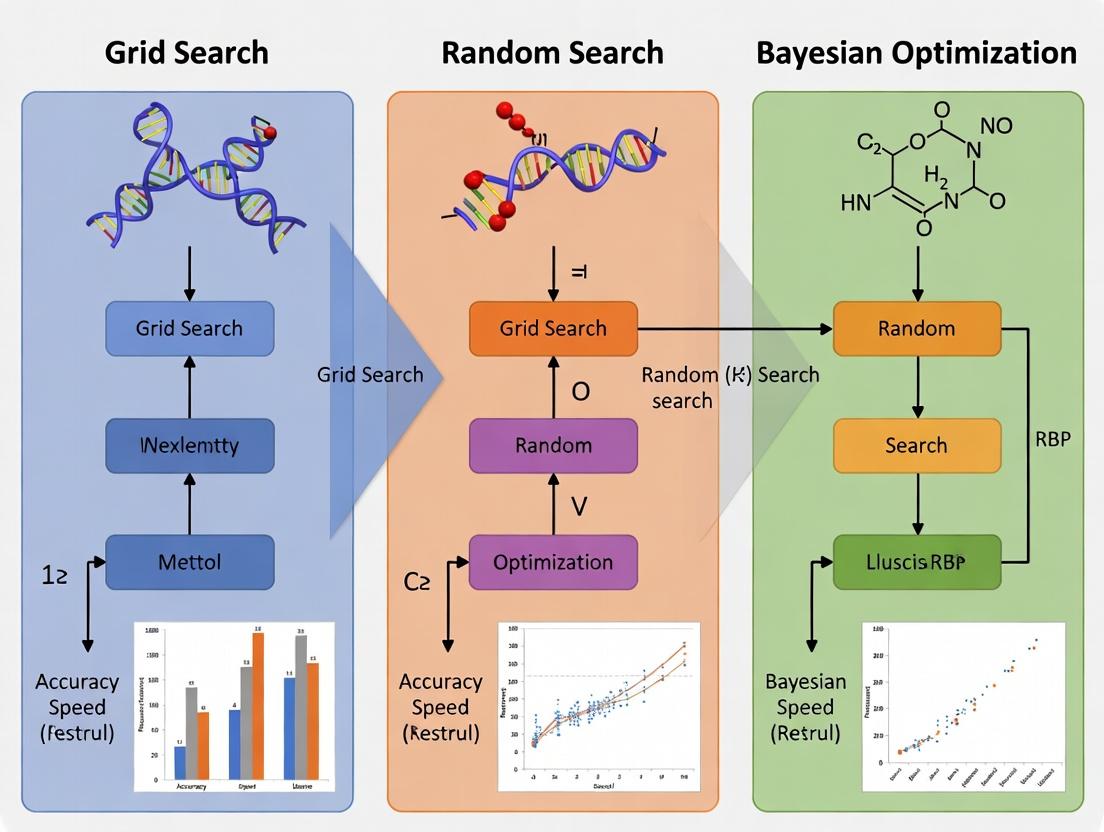
Hyperparameter Optimization Showdown: Grid Search vs Random Search vs Bayesian Optimization for RNA-Binding Protein (RBP) Models
Selecting the optimal hyperparameter tuning strategy is crucial for building high-performance models in computational biology.
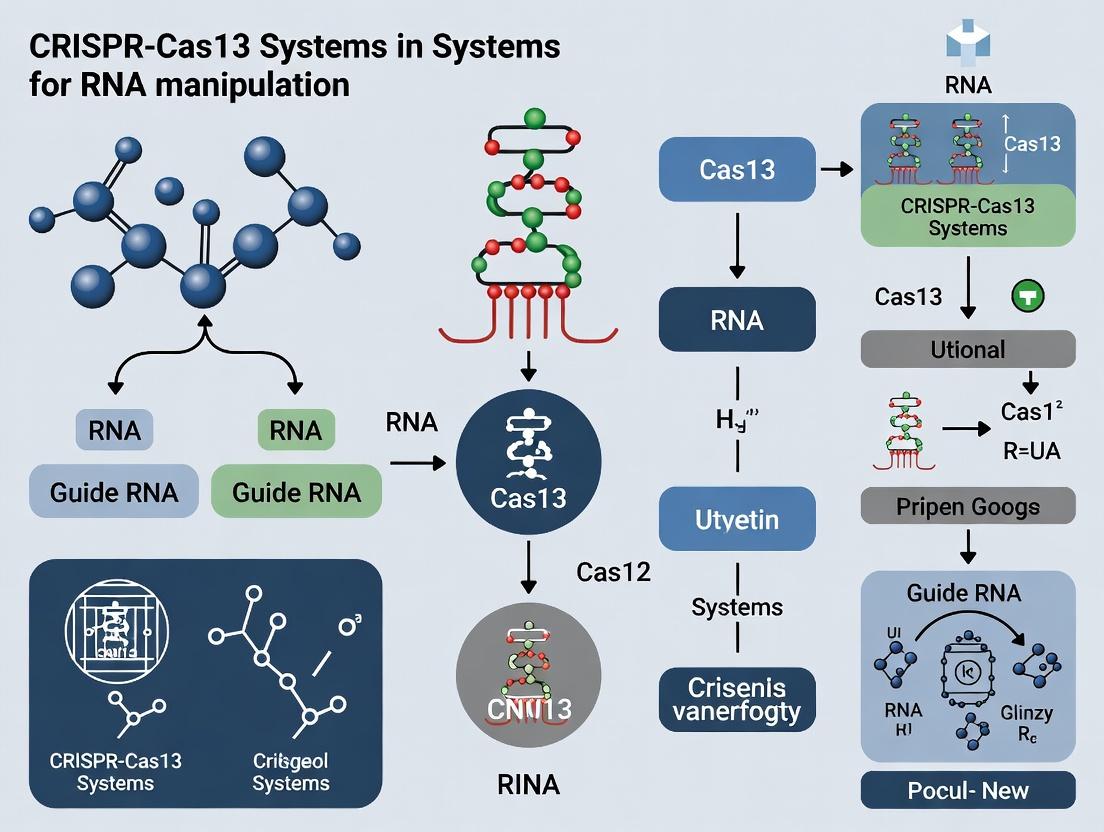
CRISPR-Cas13 Systems for RNA Targeting: A Comprehensive Guide for Researchers and Therapeutic Development
This article provides a comprehensive overview of CRISPR-Cas13 systems as programmable tools for RNA manipulation, tailored for researchers, scientists, and drug development professionals.
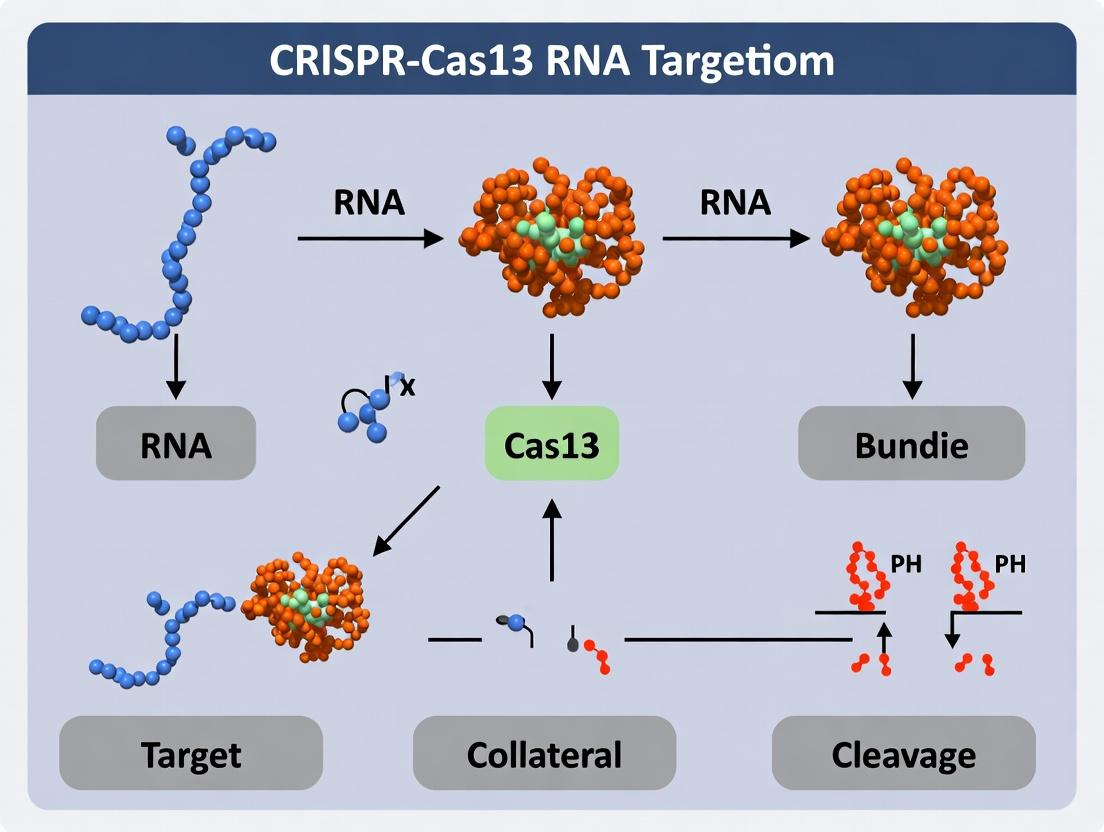
CRISPR-Cas13 RNA-Targeting Revolution: Mechanism, Applications, and Future of Diagnostics & Therapeutics
This comprehensive review for researchers and drug development professionals examines the CRISPR-Cas13 system, focusing on its unique RNA-targeting mechanism and controversial collateral cleavage activity.
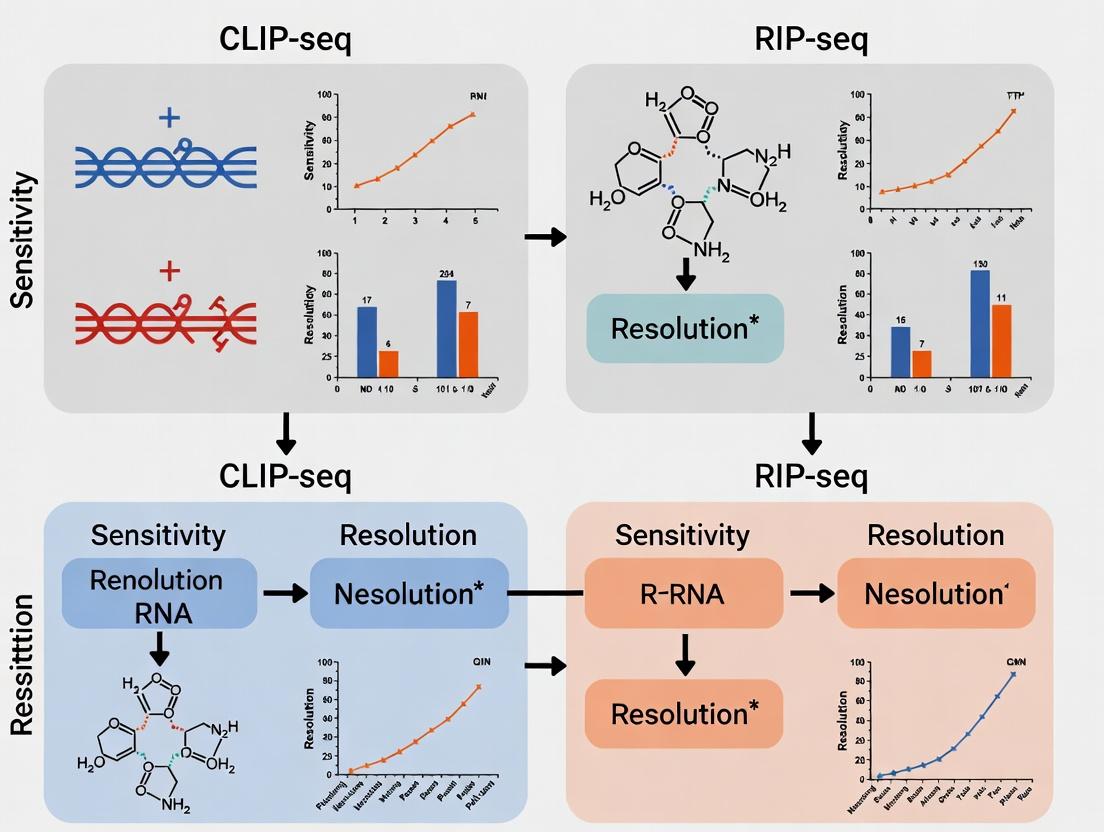
CLIP-seq vs RIP-seq: Decoding Sensitivity, Resolution, and Best Practices for RNA-Protein Interaction Mapping
This article provides a comprehensive, up-to-date comparison of CLIP-seq (Cross-Linking and Immunoprecipitation followed by sequencing) and RIP-seq (RNA Immunoprecipitation followed by sequencing) for researchers and drug development professionals.
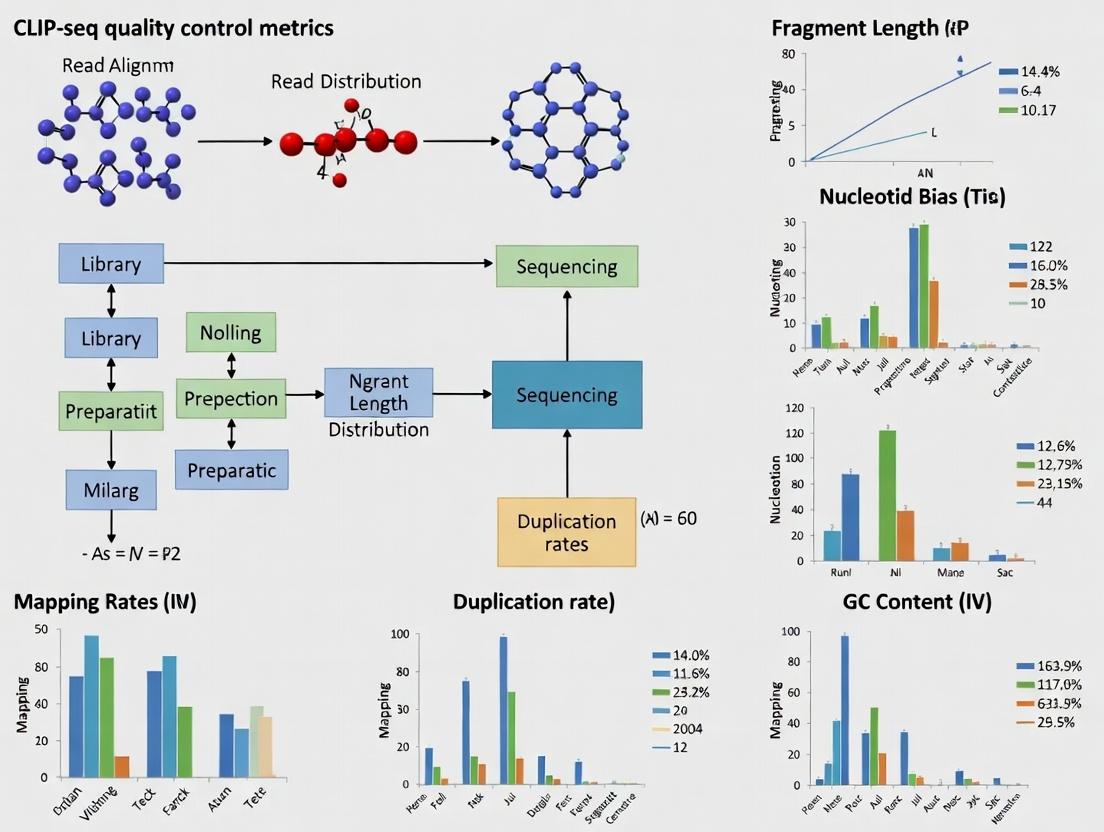
Mastering CLIP-seq QC: Essential Metrics for Robust RNA-Protein Interaction Data in Biomedical Research
This comprehensive guide details the critical quality control (QC) metrics for Cross-Linking and Immunoprecipitation followed by sequencing (CLIP-seq) experiments.
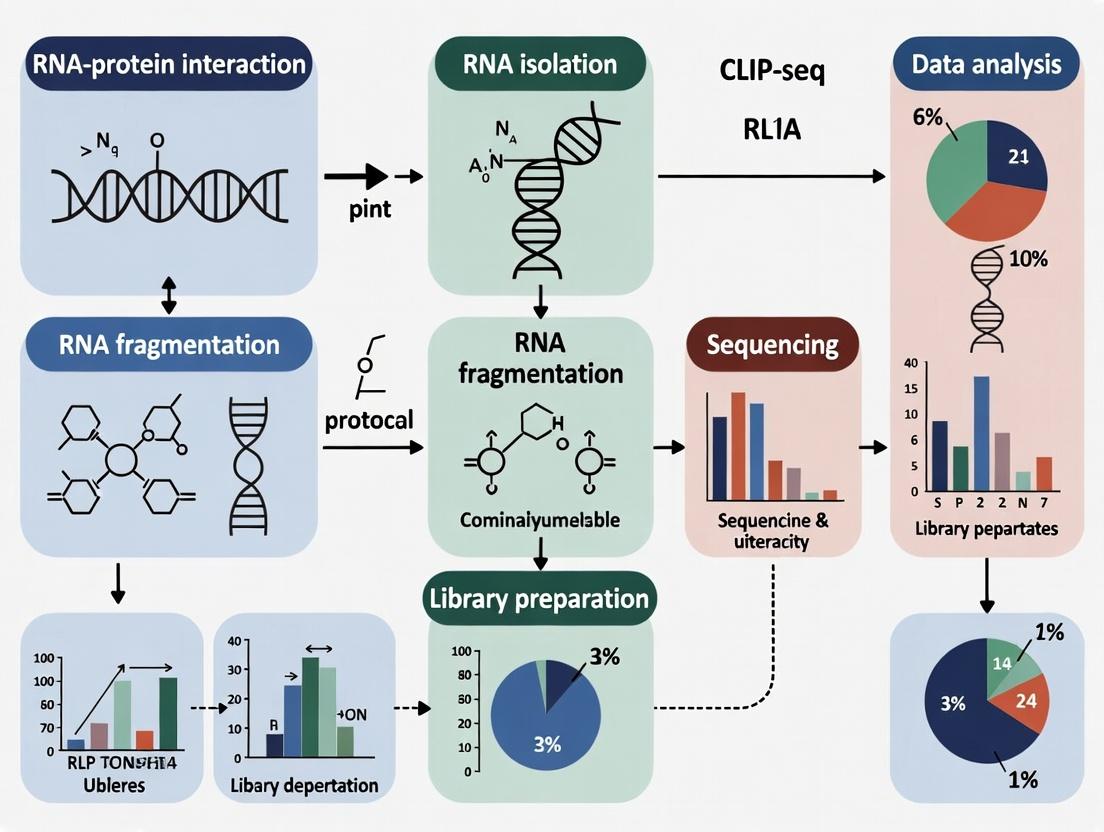
CLIP-seq Protocol: A Step-by-Step Guide from Crosslinking to Sequencing for RNA-Protein Interaction Mapping
This comprehensive guide provides researchers and drug development professionals with a detailed overview of the Cross-Linking and Immunoprecipitation followed by sequencing (CLIP-seq) protocol.
CLIP-seq for Viral RNA-Protein Interactions: A Complete Guide for Antiviral Research and Drug Discovery
This comprehensive guide explores the application of Cross-Linking and Immunoprecipitation followed by sequencing (CLIP-seq) to map the dynamic interactions between viral RNAs and host or viral proteins.
Decoding miRNA Biology: A Comprehensive Guide to CLIP-seq for Accurate Target Identification in Biomedical Research
This article provides a detailed roadmap for researchers and drug development professionals on utilizing Cross-Linking and Immunoprecipitation followed by sequencing (CLIP-seq) to identify miRNA targets.
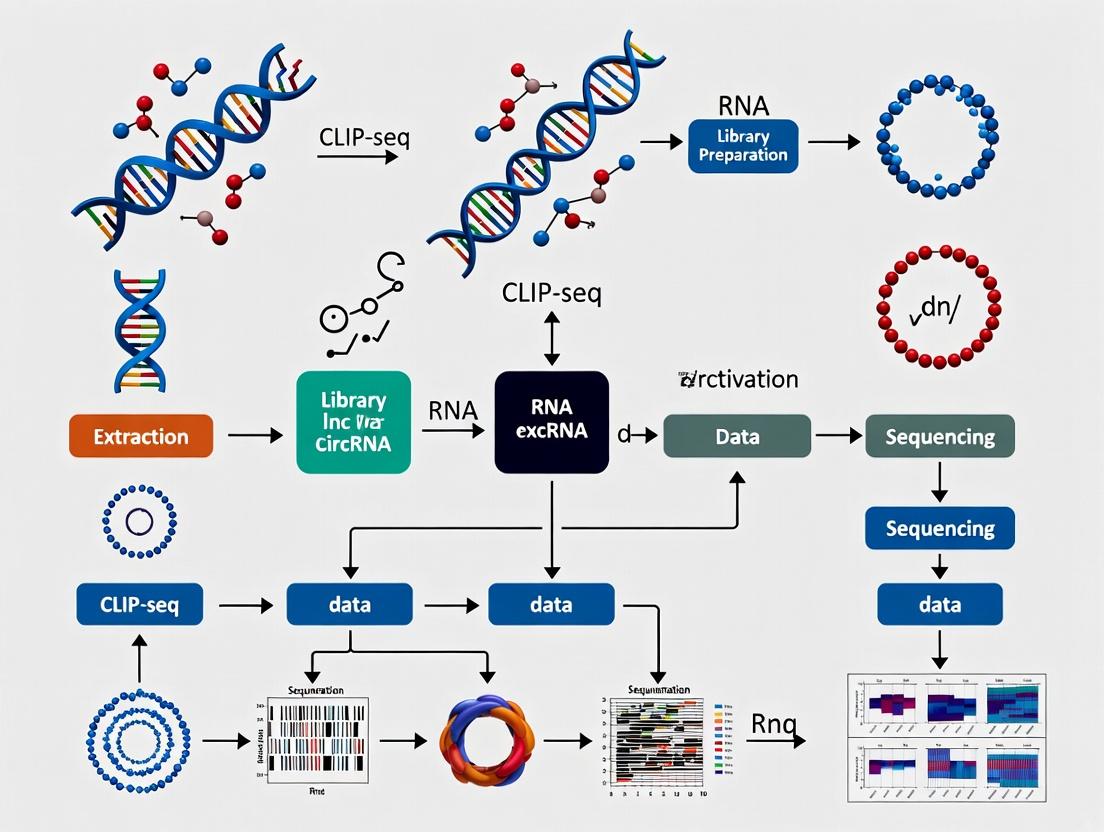
Unlocking Non-Coding RNA Function: A Complete CLIP-seq Guide for lncRNA and circRNA Research
Crosslinking and immunoprecipitation followed by sequencing (CLIP-seq) has revolutionized the study of RNA-protein interactions, becoming a cornerstone technique for functionalizing long non-coding RNAs (lncRNAs) and circular RNAs (circRNAs).
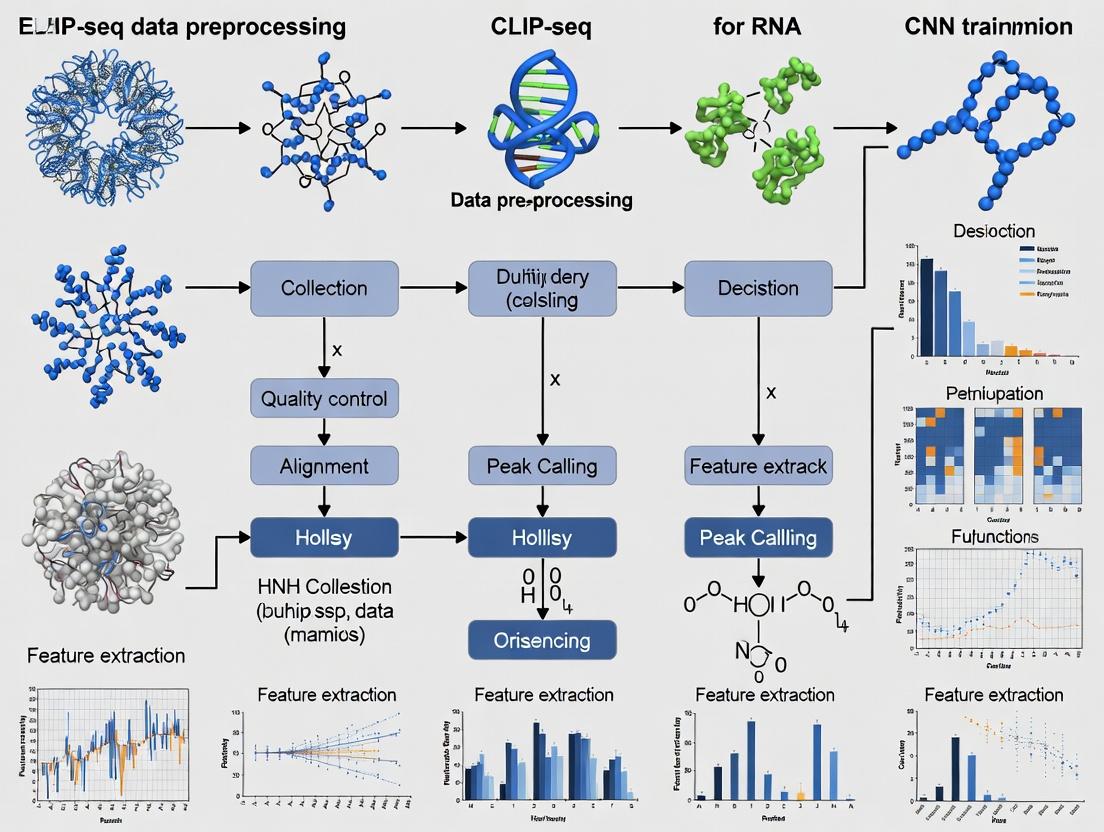
From Raw Reads to Reliable Inputs: A Comprehensive Guide to Preprocessing CLIP-seq Data for CNN Models in Biomedical Research
This article provides a complete, step-by-step guide for researchers and bioinformaticians preparing CLIP-seq (Cross-Linking and Immunoprecipitation followed by sequencing) data for training Convolutional Neural Networks (CNNs).