Research Articles
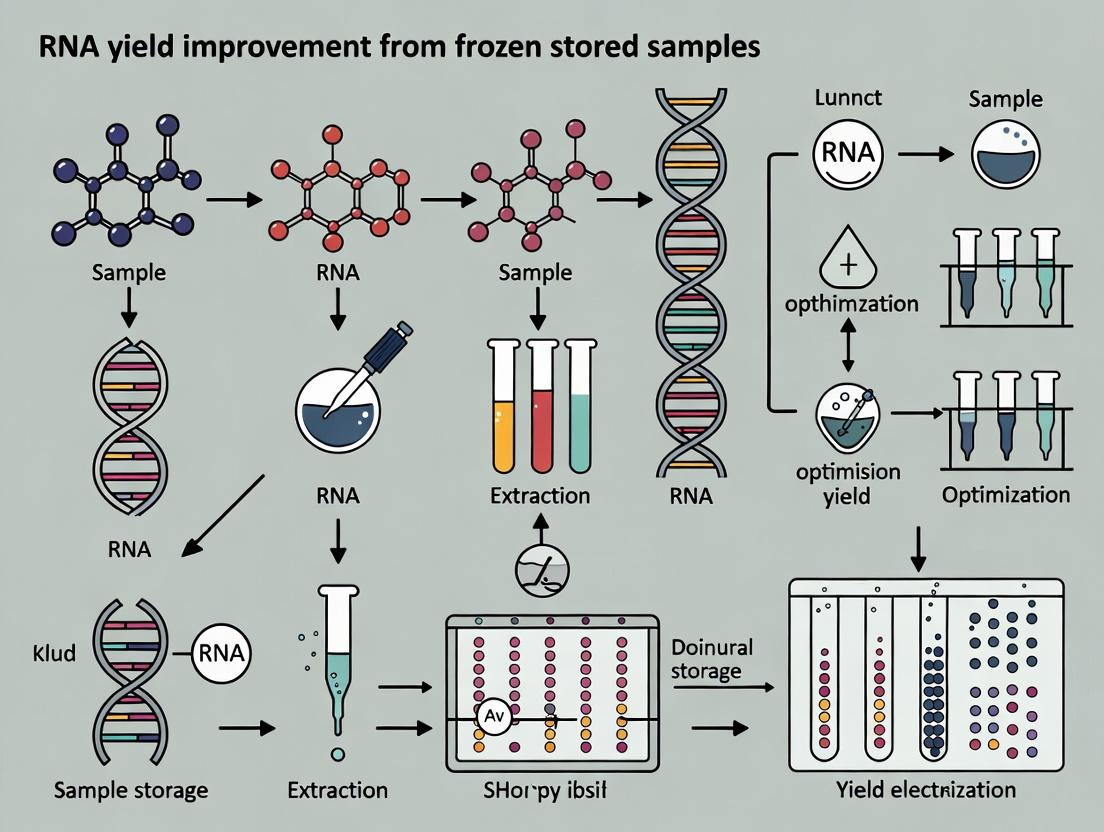
Unlocking Biobank Potential: A Practical Guide to Maximizing RNA Yield and Integrity from Frozen Archived Samples
Obtaining high-quality RNA from frozen archival tissues and blood samples remains a significant bottleneck in biomedical research and drug development.
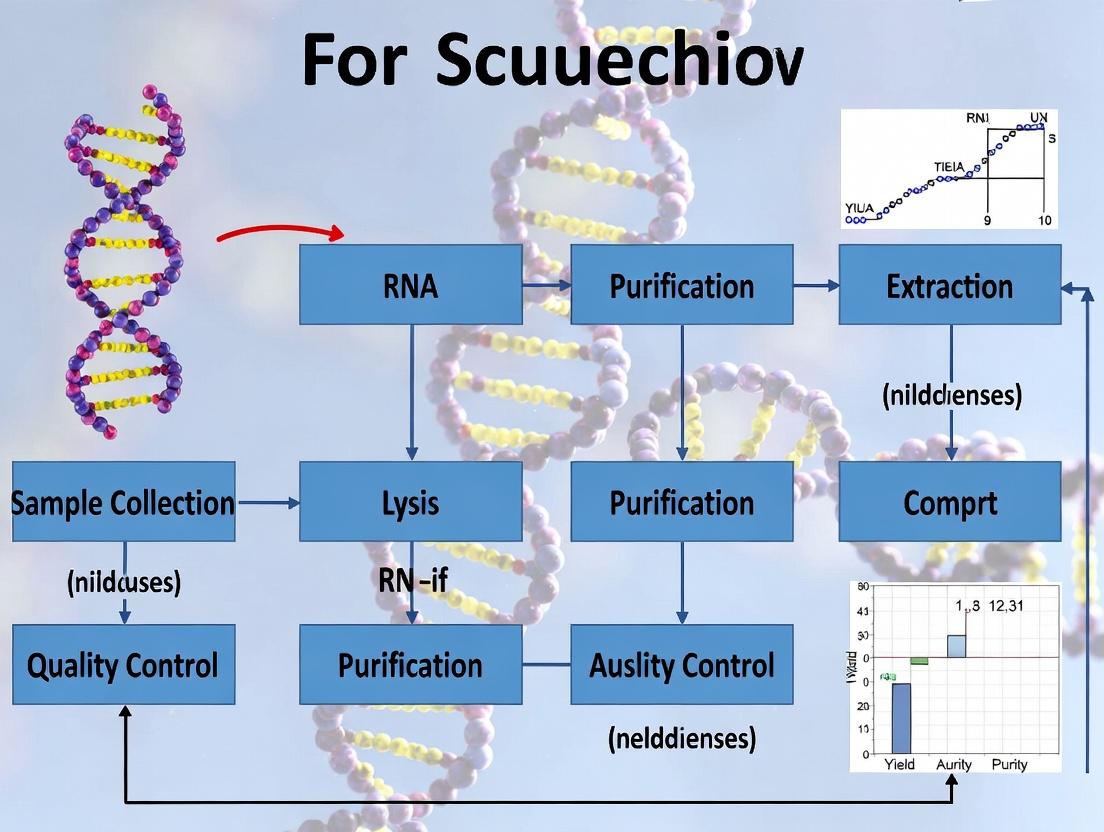
Mastering RNA Extraction: A Comprehensive Troubleshooting Guide for High-Quality Sequencing Results
This guide provides researchers and drug development scientists with a systematic framework for overcoming the critical challenges of RNA extraction in preparation for next-generation sequencing.
A Complete Guide to Detecting, Removing, and Validating Genomic DNA Contamination in RNA Samples
This article provides researchers and drug development professionals with a comprehensive resource on genomic DNA (gDNA) contamination in RNA samples—a pervasive issue that compromises data integrity in gene expression analyses.
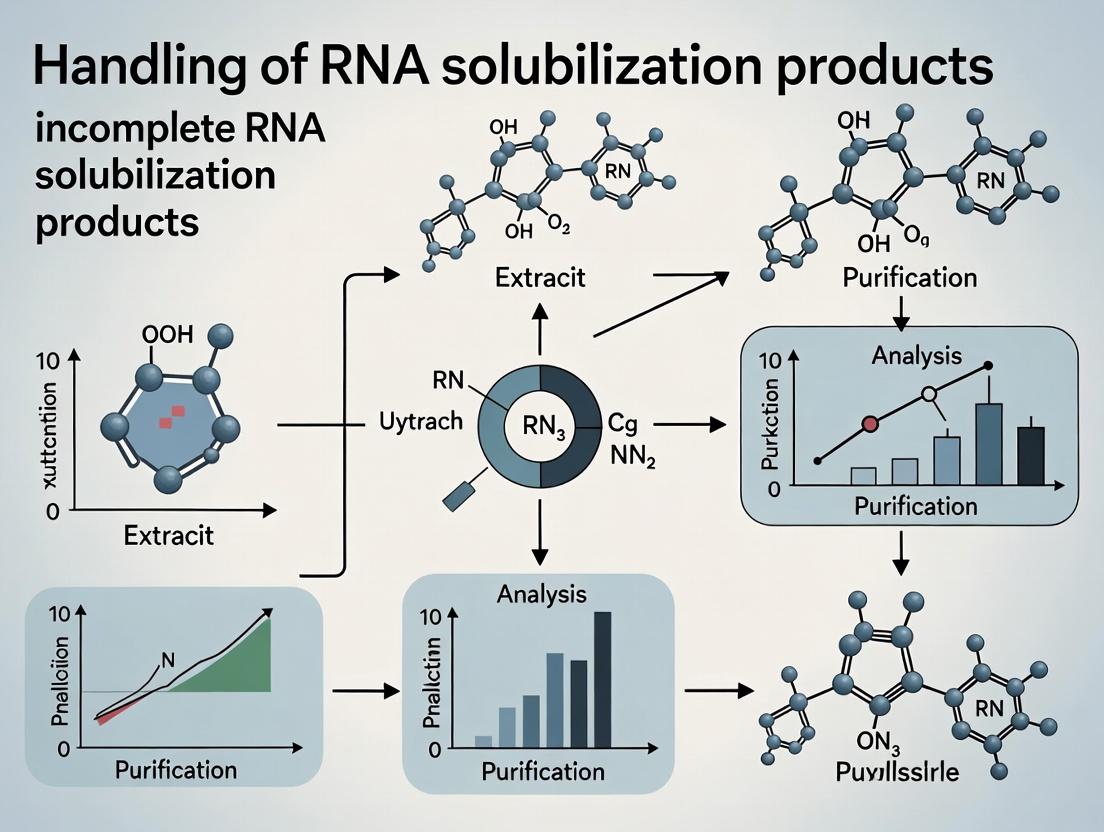
Overcoming Incomplete RNA Solubilization: A Researcher's Guide to Reliable Extraction and Analysis
This comprehensive article addresses the critical challenge of incomplete RNA solubilization during extraction, a key bottleneck in molecular biology and therapeutic development.
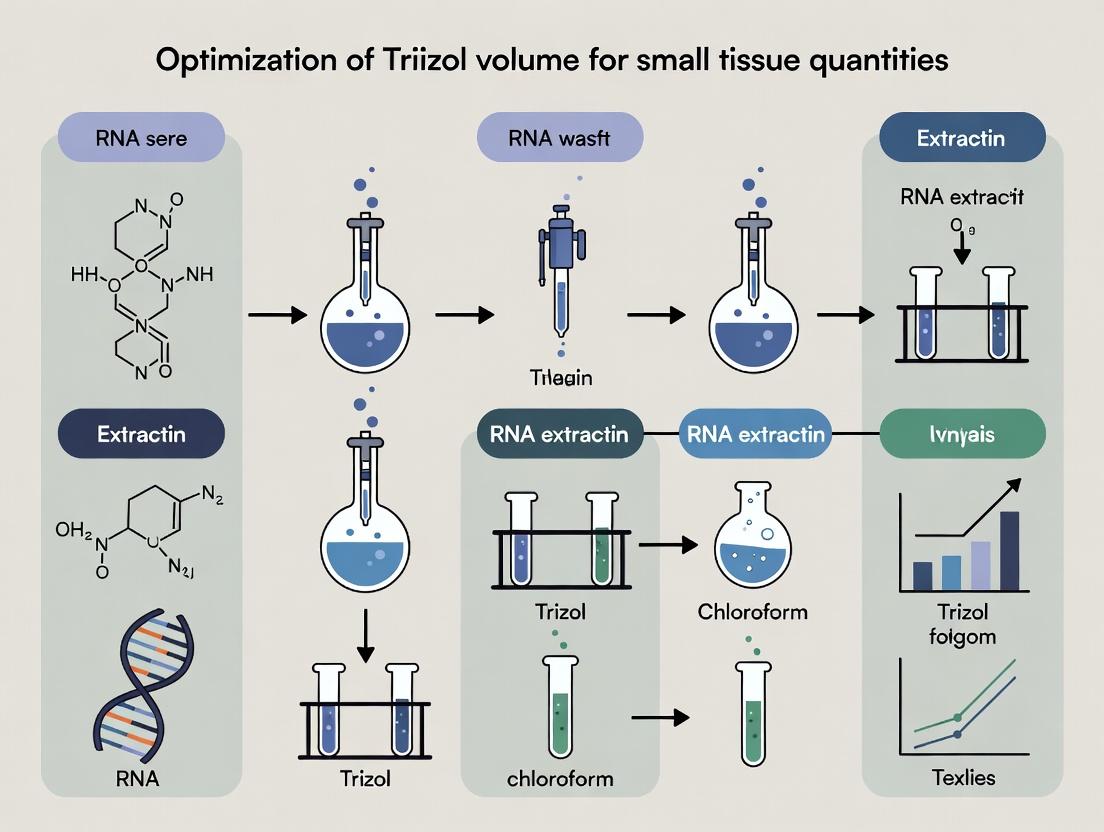
Optimizing TRIzol Volume for Small Tissue Quantities: A Strategic Guide to Cost-Effective, High-Yield RNA Extraction
This article provides a comprehensive, evidence-based guide for researchers and drug development professionals on optimizing TRIzol reagent volumes for RNA extraction from small tissue quantities.
From Contaminants to Clarity: A Comprehensive Guide to Solving Low RNA Purity in Extraction Protocols
Achieving high-purity RNA is a critical yet often elusive goal in molecular biology, with significant implications for the reliability of downstream applications in research, diagnostics, and therapeutic development.
Maximizing RNA Recovery: A Comprehensive Guide to Preventing Precipitation Loss in Research and Therapeutic Development
This article provides researchers, scientists, and drug development professionals with a detailed framework for understanding, preventing, and troubleshooting RNA precipitation loss during extraction.
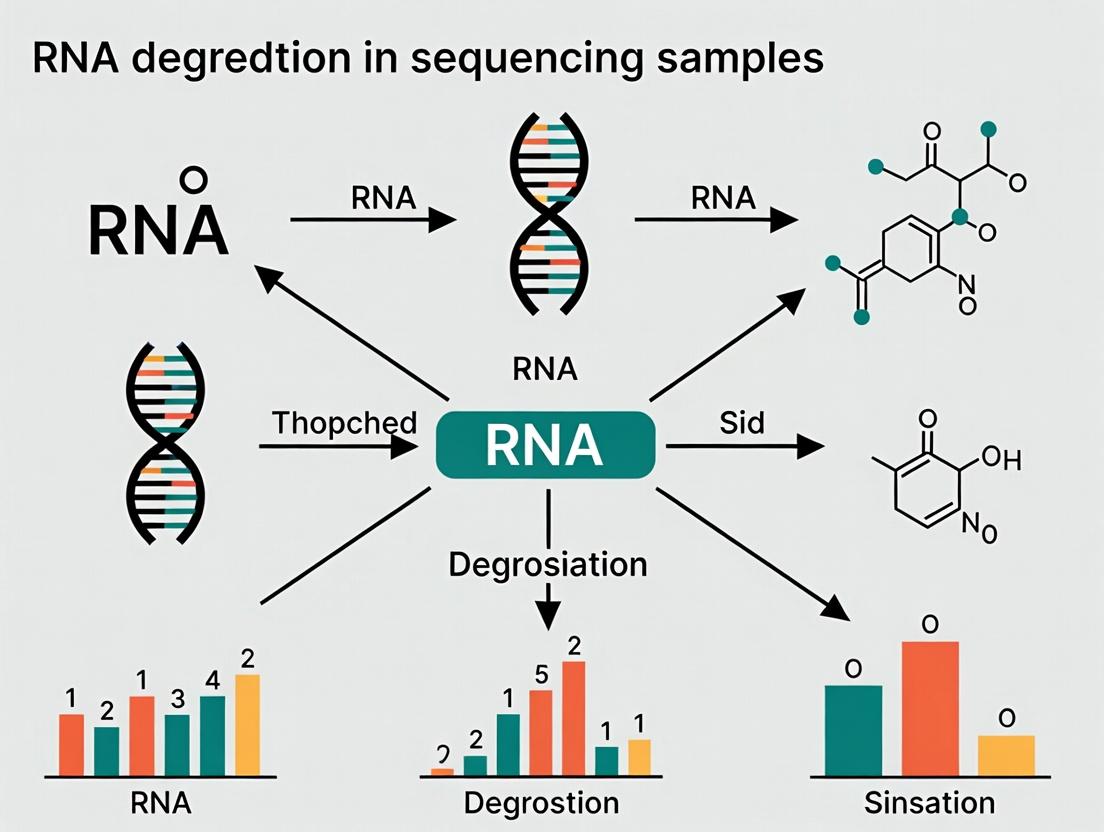
RNA Integrity in Sequencing: A Complete Guide to Preventing, Detecting, and Resolving Sample Degradation
RNA degradation poses a critical and pervasive challenge in sequencing workflows, jeopardizing data integrity and reproducibility.
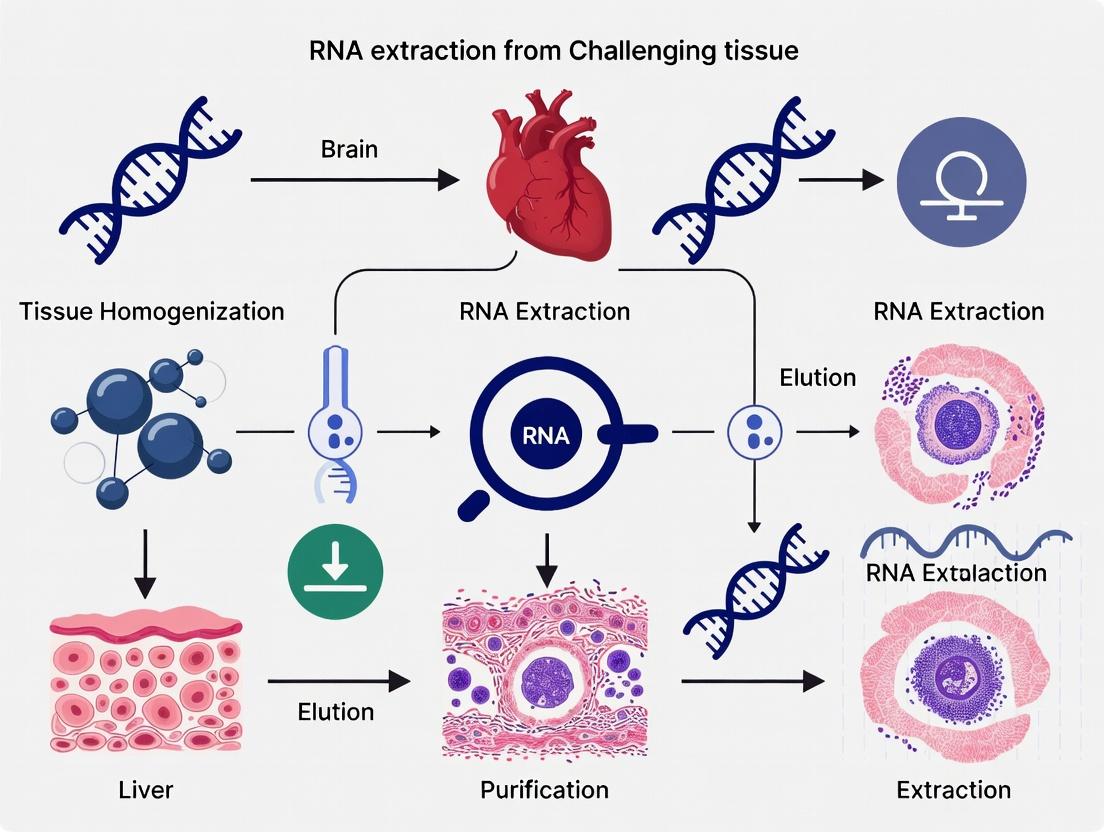
Mastering RNA Extraction from Brain, Heart, and Liver: Advanced Strategies for Challenging Tissues
This comprehensive guide addresses the unique challenges of extracting high-quality RNA from metabolically active and complex tissues: the brain, heart, and liver.
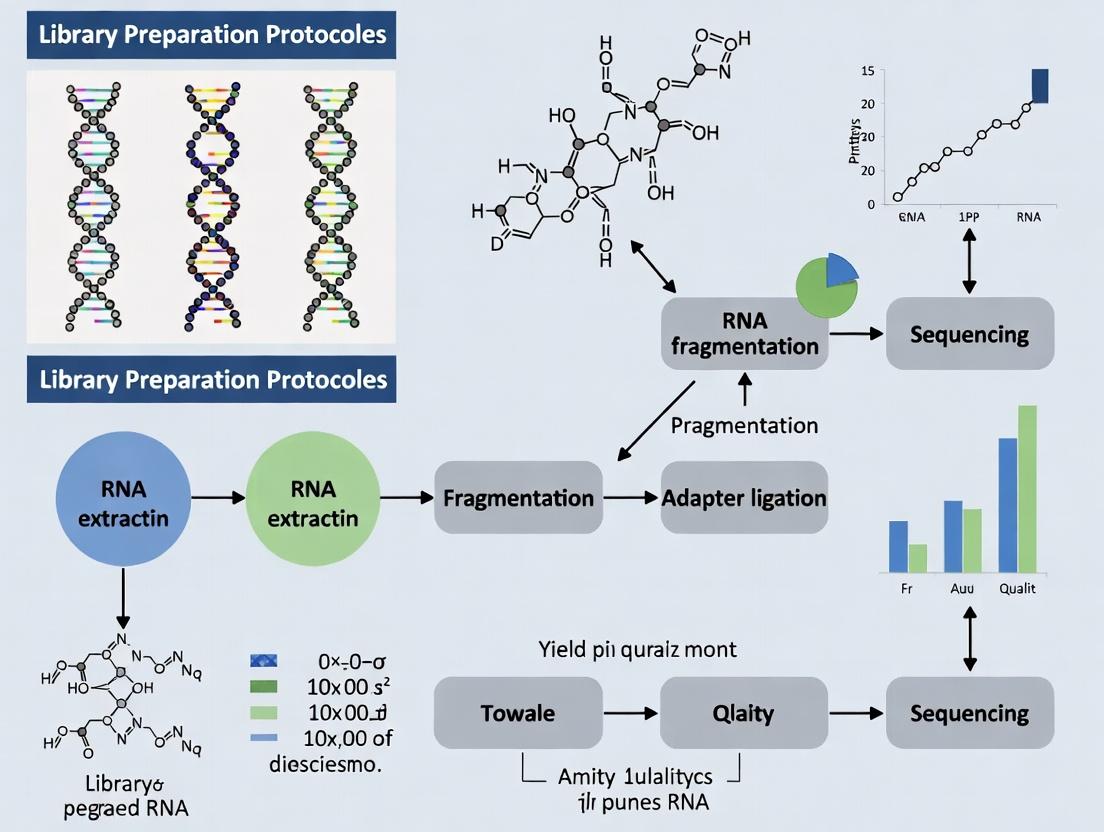
Beyond the RIN Score: Advanced Library Preparation Strategies for Degraded RNA Samples in Biomedical Research
This article provides a comprehensive guide for researchers and drug development professionals working with degraded RNA samples from challenging sources like FFPE tissues, biofluids, and archived specimens.